For those following a vegan lifestyle or dealing with lactose intolerance, various plant-based milk alternatives offer excellent substitutes in baking. They contribute unique flavors, textures, and nutritional profiles, enhancing the diversity of options for those seeking dairy-free alternatives in a wide range of recipes, from desserts to savory dishes.
In this article, we will provide details on such lactose-free and vegan milk replacements that you can use in baking. Embrace a vegan and lactose-free lifestyle without compromising on the joy of baking with these tried-and-true milk replacements.
1. Almond Milk
instagram
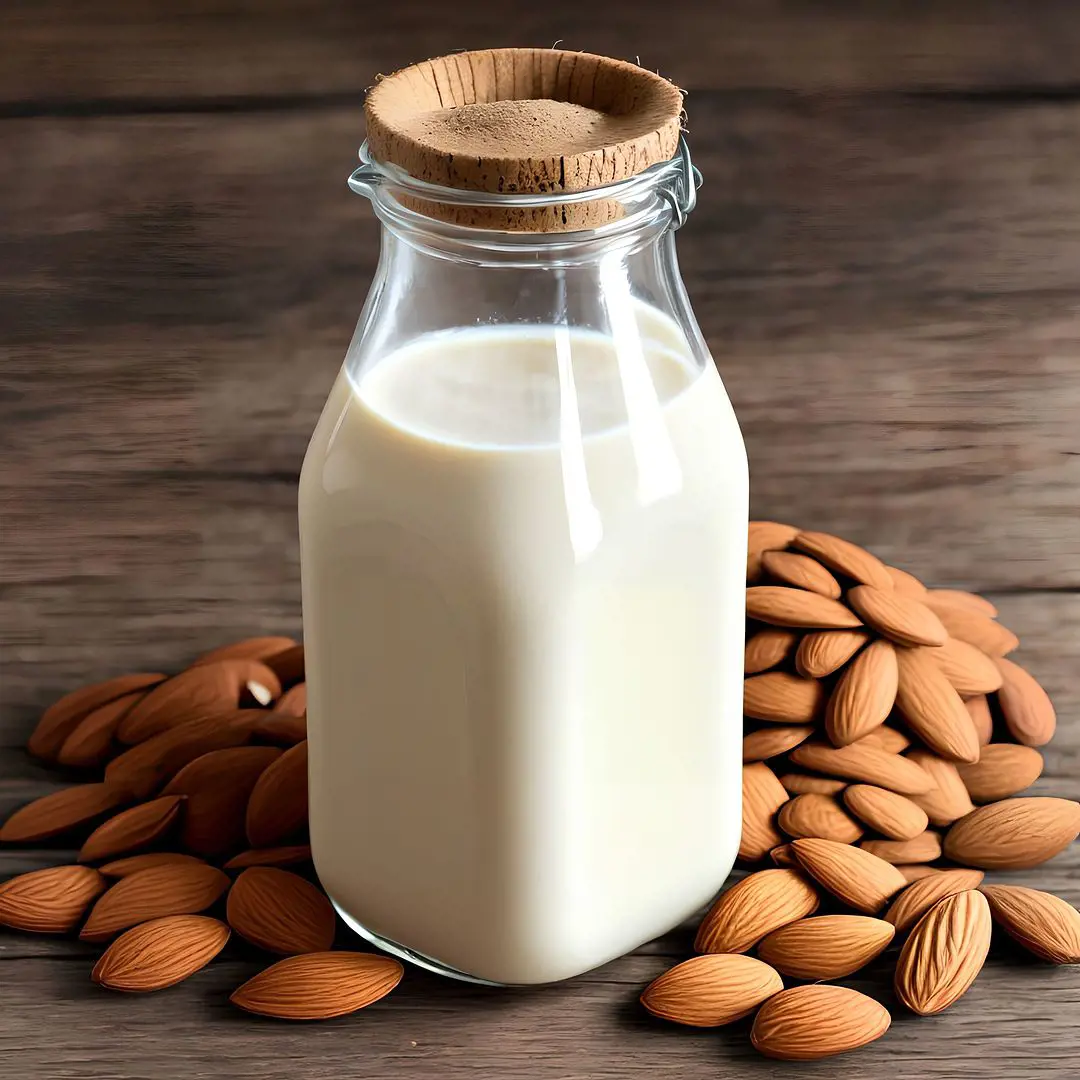
Almond milk is an excellent dairy alternative in baking for vegans and those with lactose intolerance. Its 1:1 substitution ratio simplifies the process, allowing easy integration into recipes. Opt for unsweetened almond milk to maintain control over sweetness levels.
Beyond its practicality, almond milk introduces a subtle nuttiness that complements a wide range of baked goods. Whether it's muffins, cakes, or pancakes, this versatile milk substitute enhances flavor and texture and is available in various flavors, like vanilla or chocolate. The varieties add an extra layer of customization to suit specific recipe requirements.
2. Soy Milk
instagram
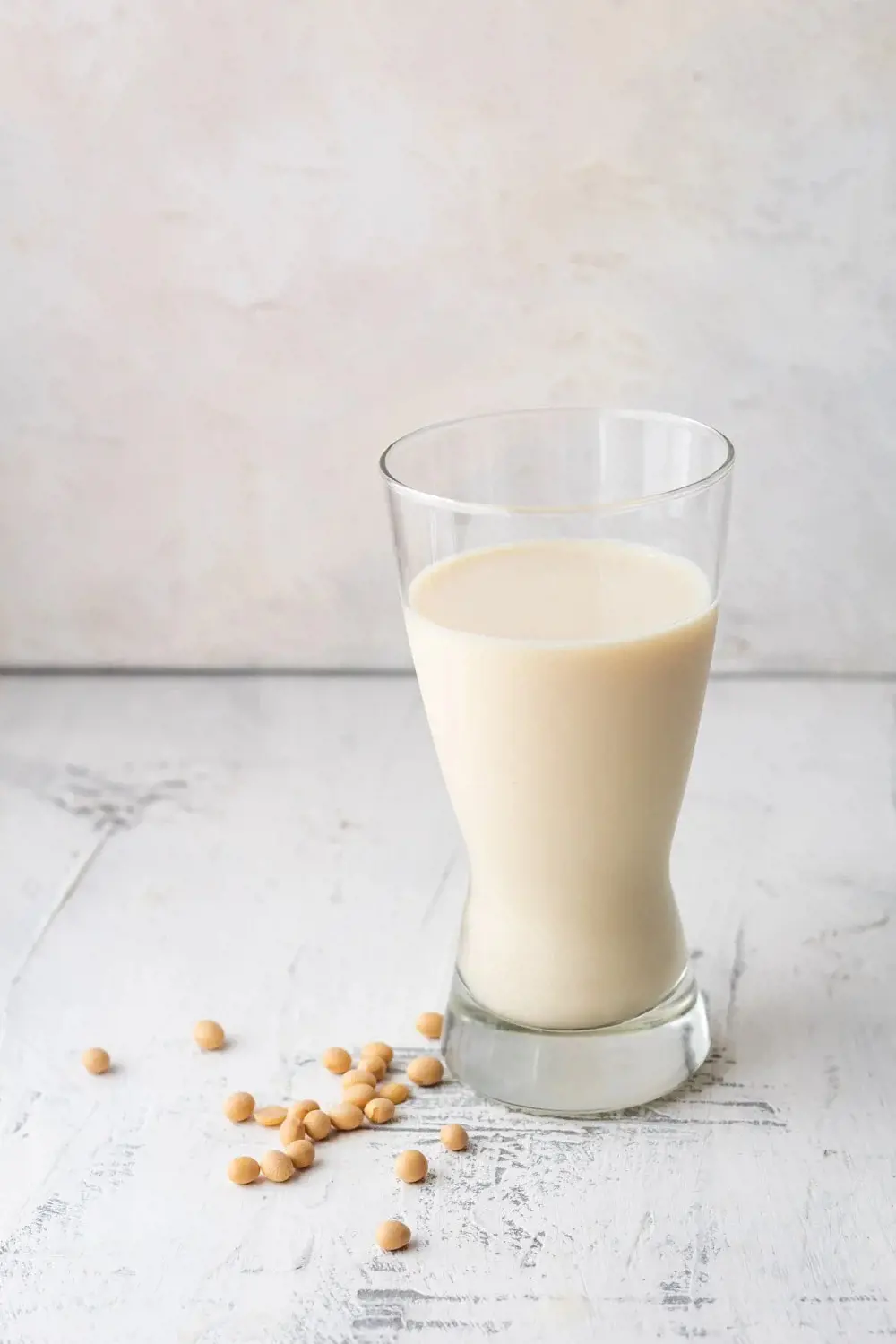
Soy milk is another popular milk substitute in baking. Similar to almond milk, soy milk can be used as a 1:1 replacement for dairy milk in most recipes. It provides a creamy texture and neutral flavor, making it versatile for various baked goods.
Choose between sweetened and unsweetened varieties based on your desired level of sweetness in the recipe. Soy milk is also a good source of protein, adding nutritional value to your baked treats. Experiment with soy milk in cakes, cookies, and bread for a plant-based alternative without compromising on taste or texture.
3. Oat Milk
instagram
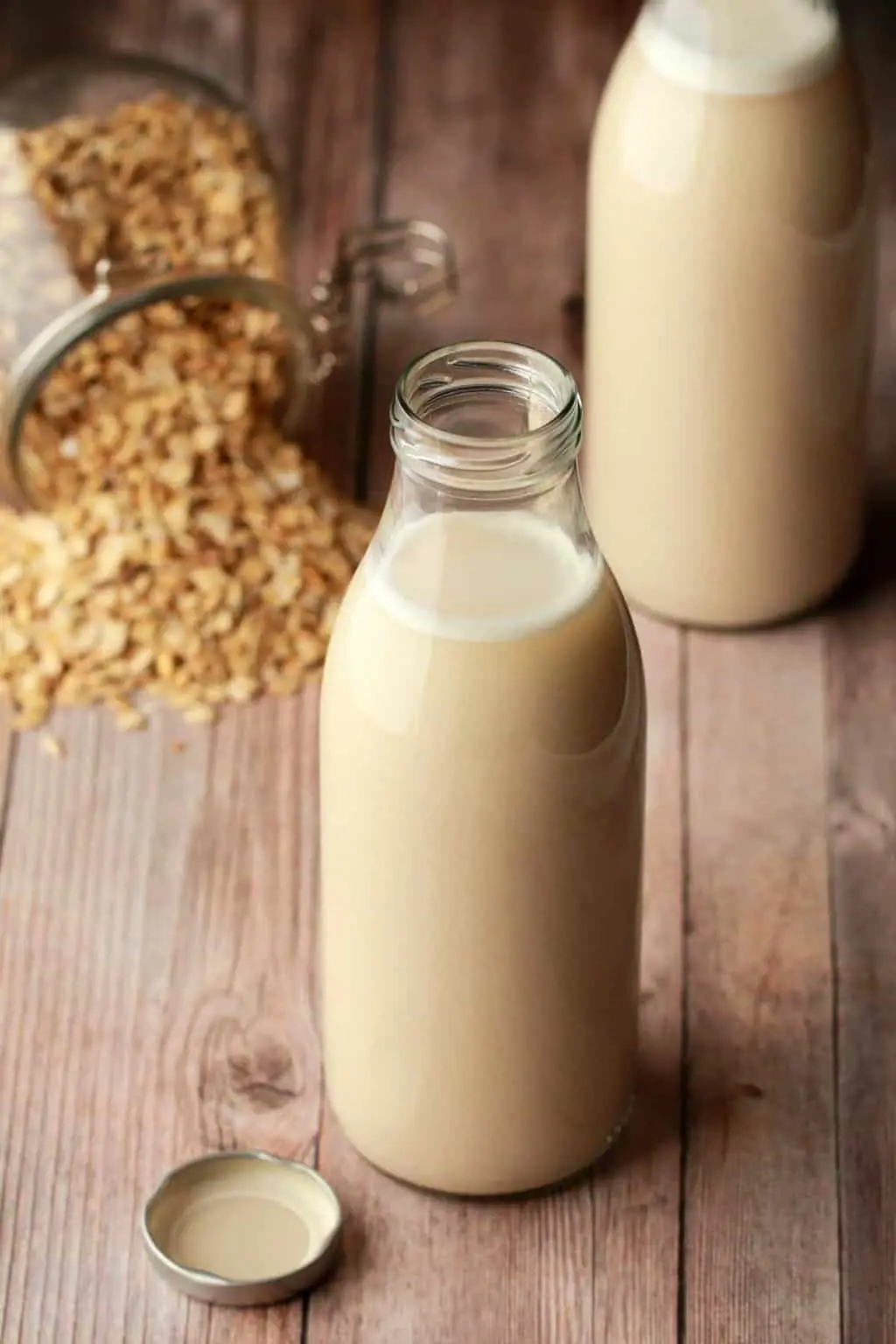
Oat milk, a rising star among plant-based alternatives, has gained popularity as an excellent substitute in various culinary endeavors, particularly in baking. Renowned for its naturally sweet and creamy profile, oat milk seamlessly integrates into recipes, adding a subtle richness without overpowering flavors.
Its smooth consistency and ability to mimic the texture of traditional dairy make it an ideal choice for cakes, cookies, and other baked goods.
Furthermore, oat milk's versatility extends beyond its culinary appeal; it caters to both vegans and lactose intolerant, offering a sustainable and nutritious option that aligns with diverse dietary preferences.
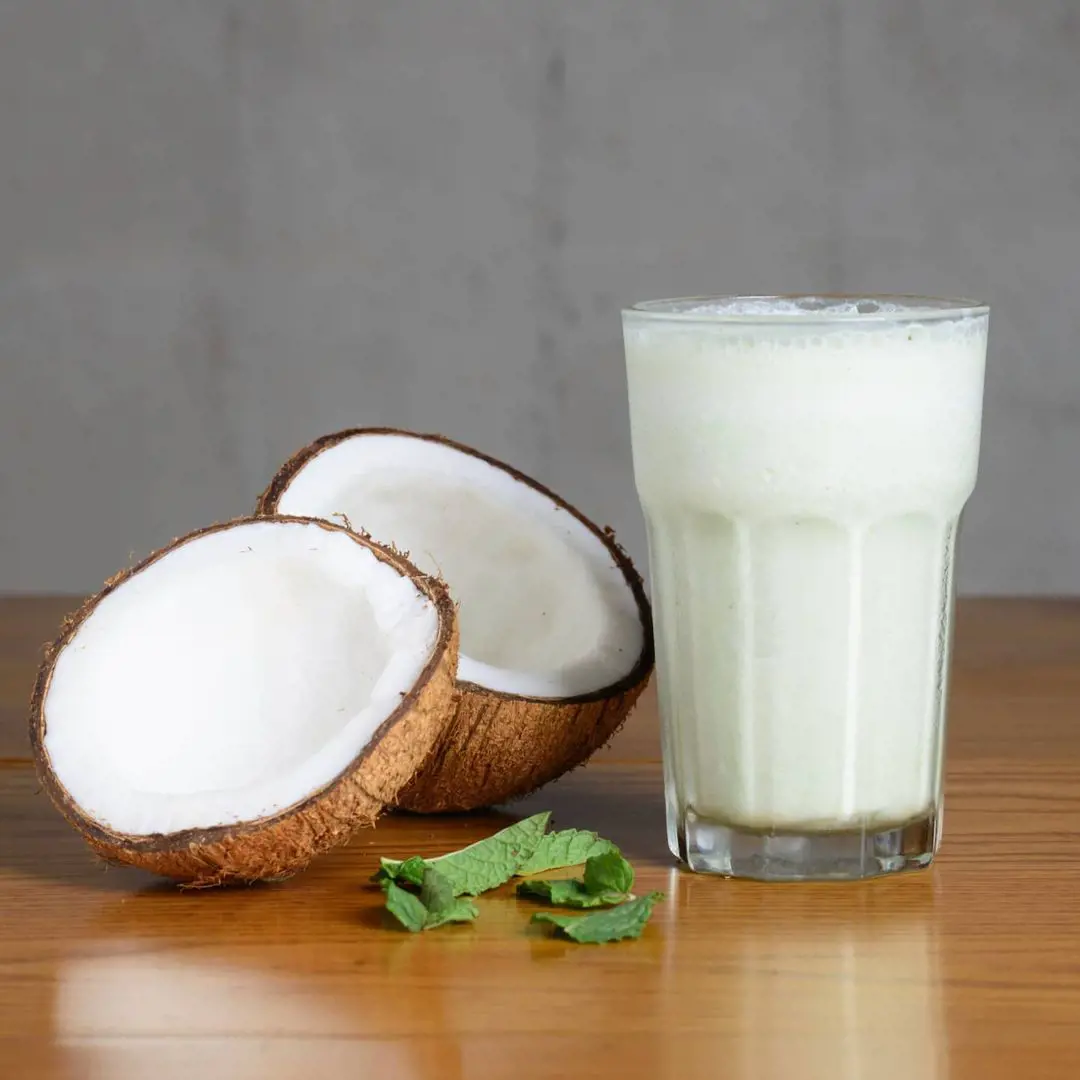
Coconut milk stands out as a delightful and versatile substitute in the realm of plant-based baking. Derived from the flesh of coconuts, this lusciously rich alternative imparts a distinctive tropical flavor, elevating both sweet and savory recipes. Its creamy consistency contributes a luxurious texture to desserts, while its unique taste enhances the overall culinary experience.
5. Cashew Milk
instagram
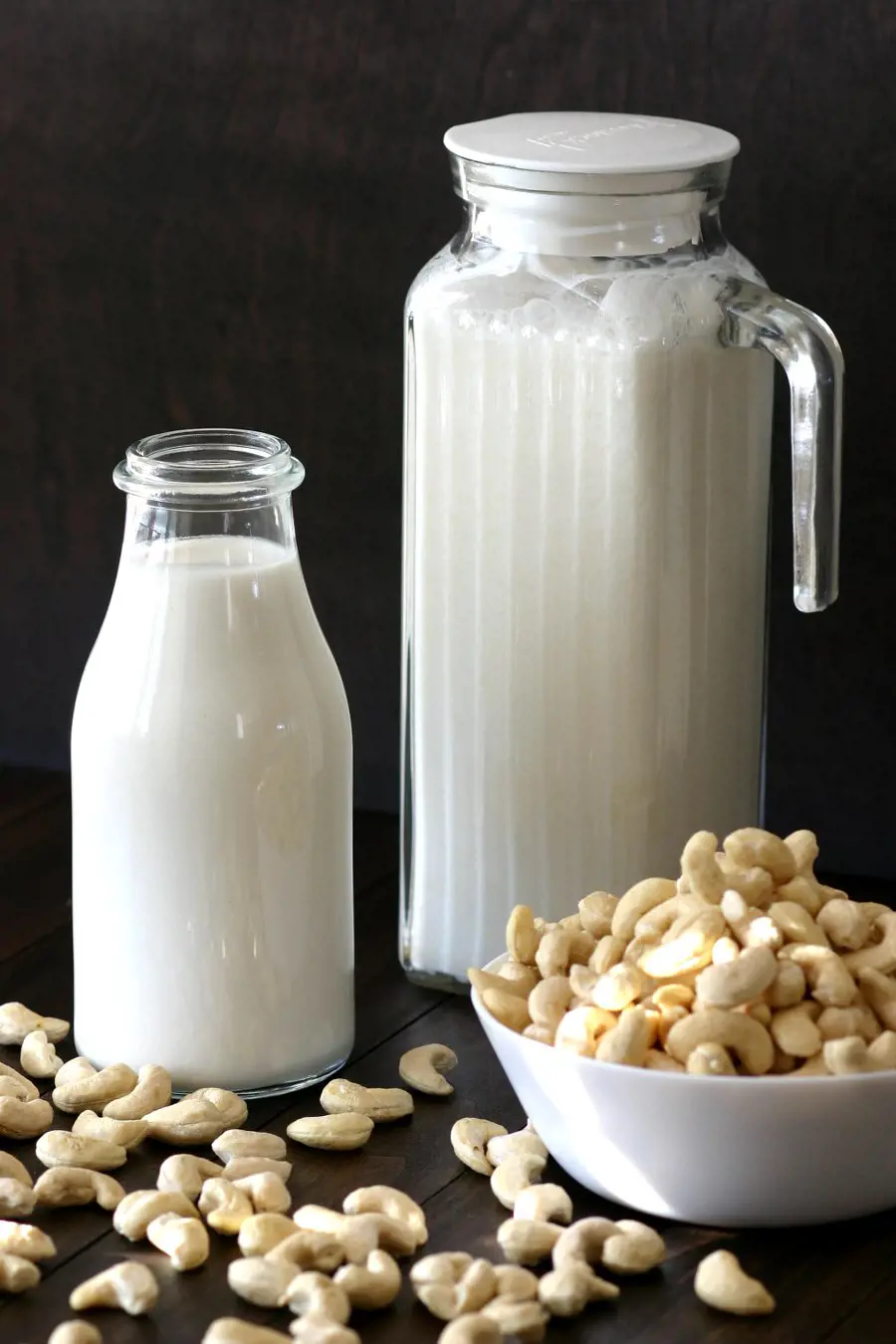
Cashew milk serves as a versatile and creamy dairy alternative in baking. Its mild, slightly sweet flavor complements various recipes, offering a nutty undertone. With its smooth consistency, cashew milk seamlessly integrates into batters and doughs.
Substituting it for traditional dairy milk adds richness without overpowering the dish. It works well in cakes, muffins, and creamy desserts, contributing to a moist texture.
6. Hazelnut Milk
instagram
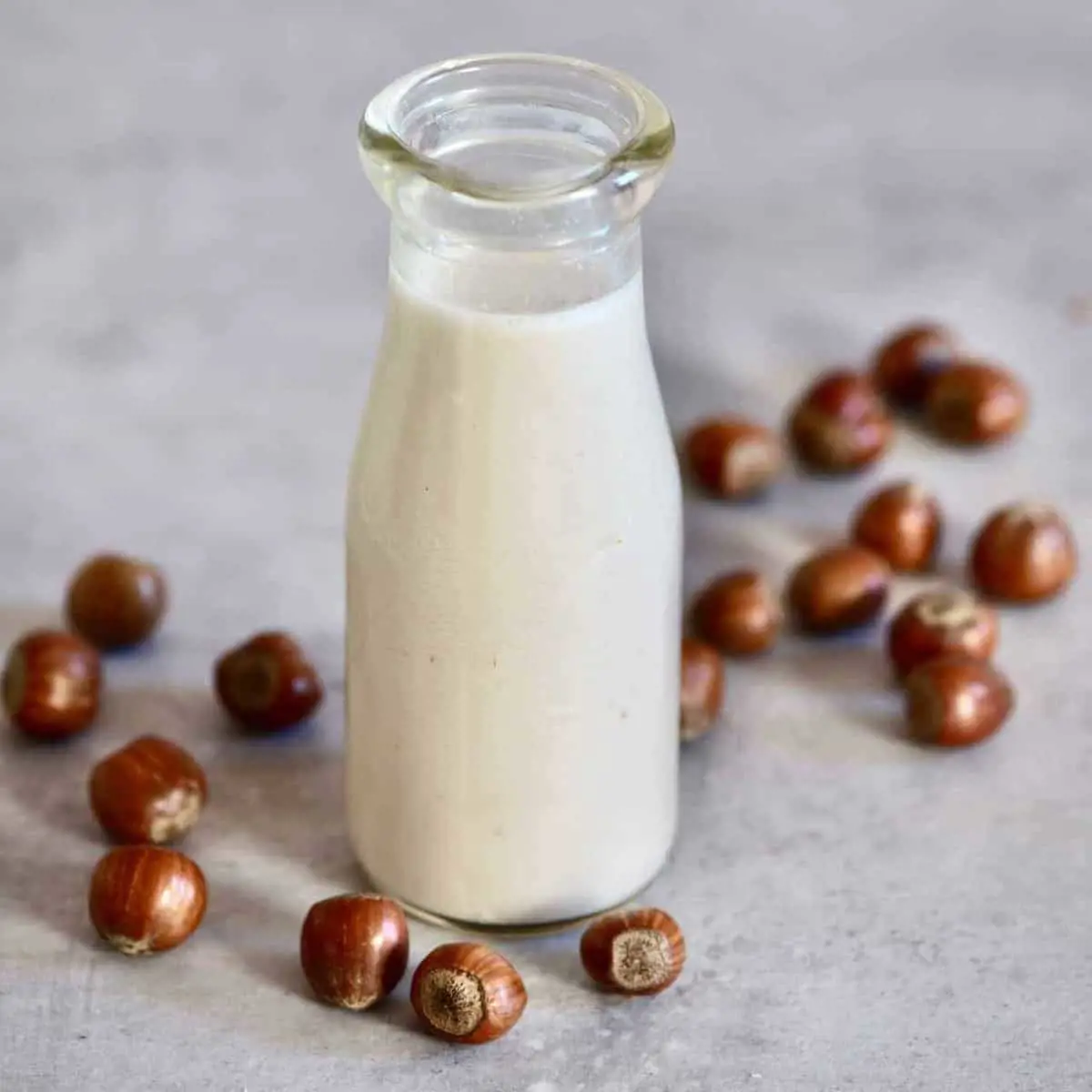
Hazelnut milk is a delightful alternative in baking, imparting a rich and nutty essence to your creations. The distinct hazelnut flavor adds depth, particularly complementing chocolate-based recipes. Its velvety texture enhances the moistness of cakes, cookies, and other treats.
This dairy-free option is ideal for those seeking a plant-based alternative, catering to lactose intolerance or dairy allergies. Experimenting with hazelnut milk in baking can elevate the taste profile of various dishes, providing a unique and enjoyable twist to traditional recipes.
7. Pistachio Milk
instagram
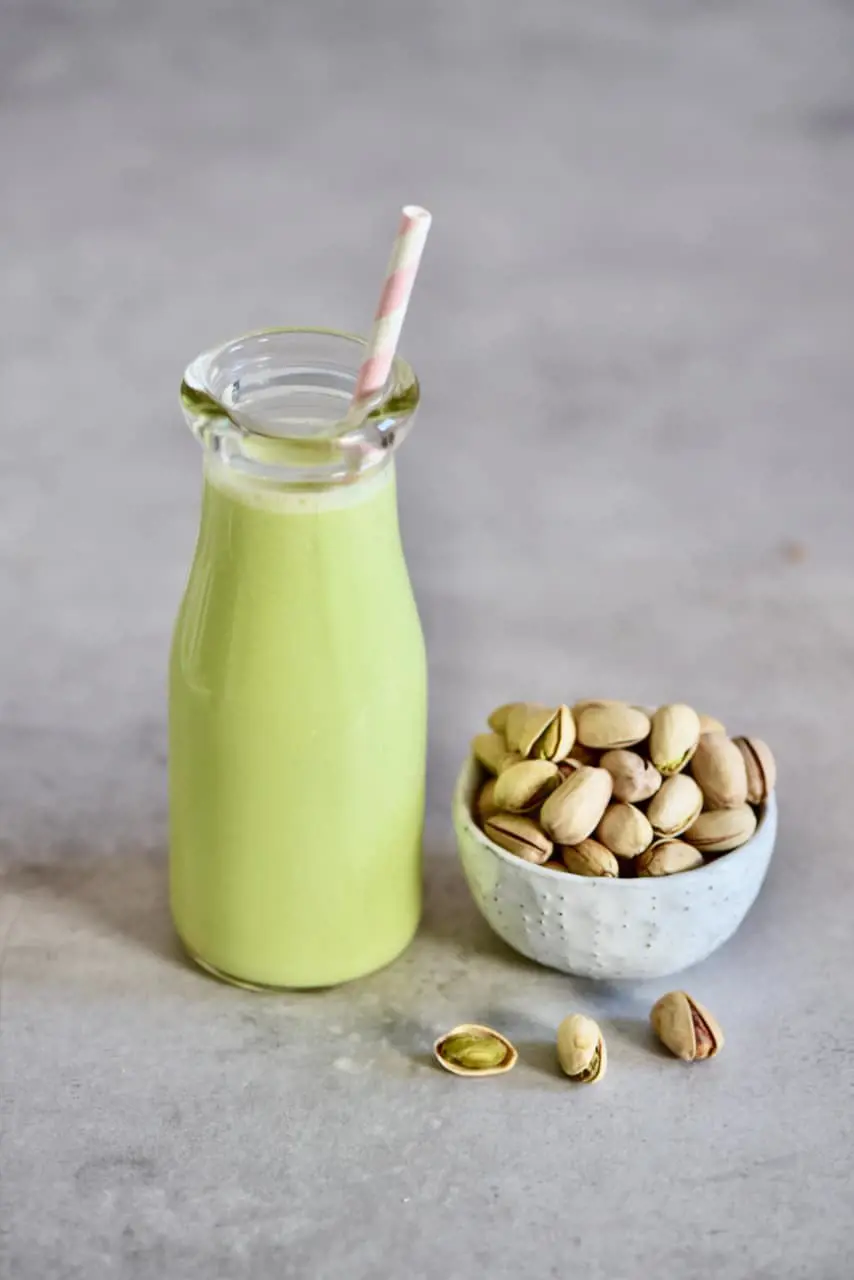
Pistachio milk, derived from pistachio nuts, infuses a hint of nuttiness and a vibrant green hue to your creations. Its subtle sweetness enhances both sweet and savory dishes, making it a versatile choice.
The smooth consistency of pistachio milk seamlessly integrates into various baked goods without overpowering other flavors. In baking, pistachio milk can contribute a distinct taste, especially in cookies, cakes, and pastries, providing a delightful and unexpected element.
8. Flax Milk
instagram
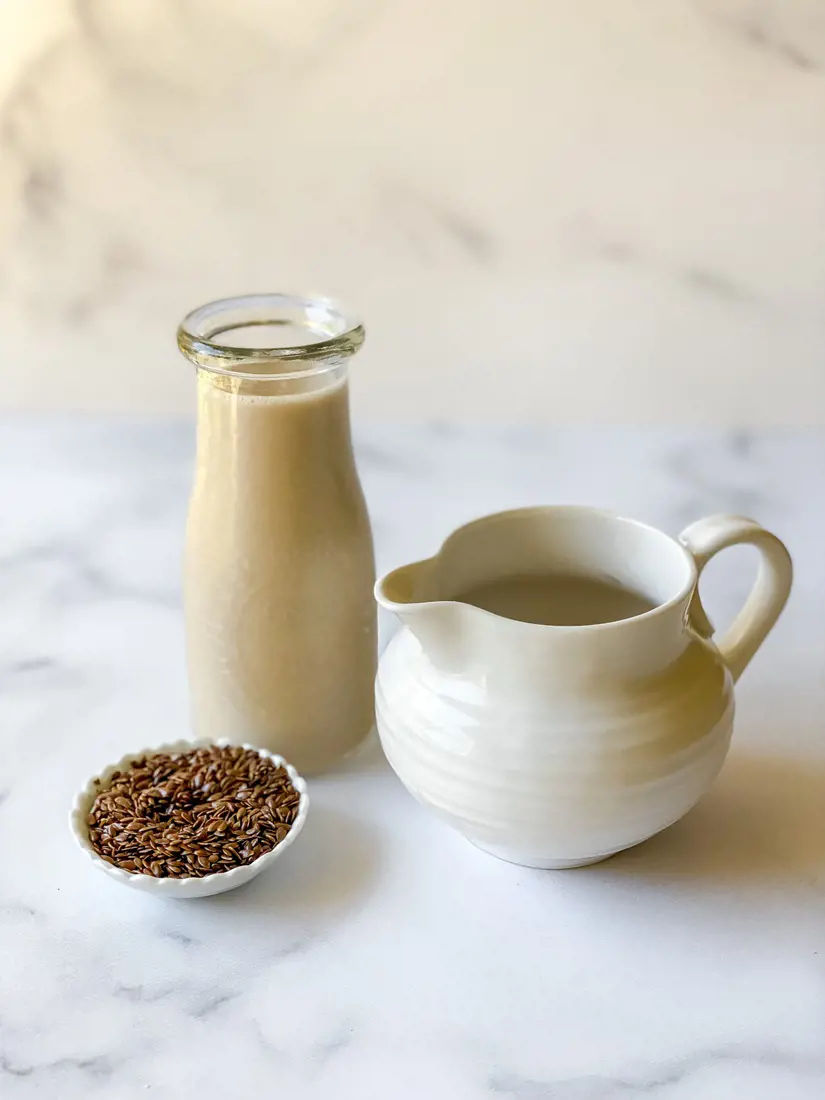
Flax milk is a nutritious and neutral-flavored alternative in baking. Derived from flax seeds, the milk has a light and subtle taste making it a versatile choice that won't overpower the intended flavors of your baked goods.
In recipes, flax milk works well in providing moisture, making it suitable for cakes, muffins, and quick breads. Rich in omega-3 fatty acids, flax milk also adds a nutritional boost to your treats.
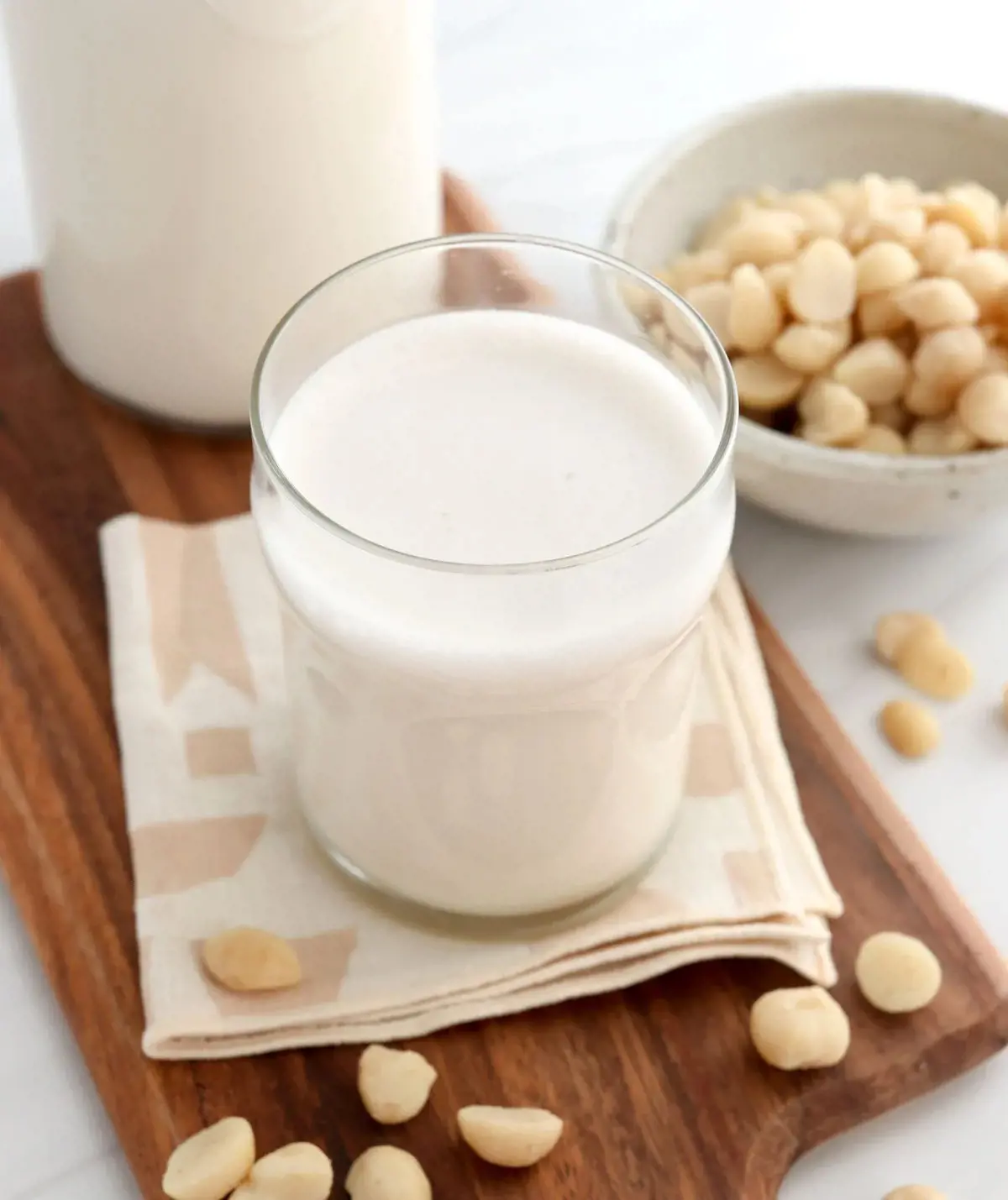
Macadamia milk shares its characteristics with the prized macadamia nuts, both celebrated for their rich, buttery qualities. The velvety texture of macadamia milk contributes to a smooth consistency in batters and doughs.
Overall, the nutty undertones present in both the nuts and their milk counterpart contribute a unique and sophisticated taste to various recipes, creating a creamy and luxurious experience in plant-based baking.
10. Hemp Milk
instagram
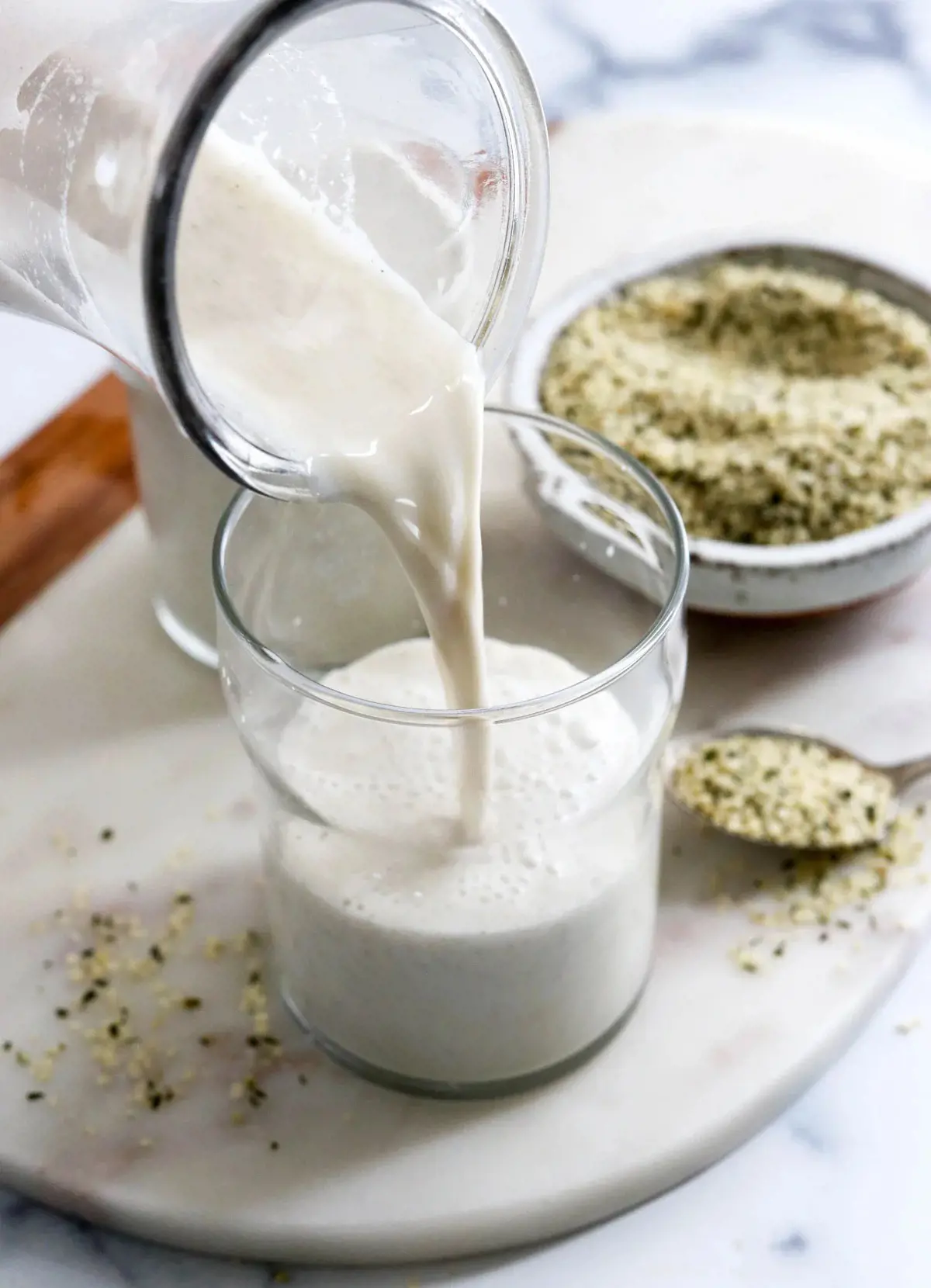
Hemp milk is another plant-based milk alternative that has gained popularity. It is typically made from hemp seeds and has a mild, nutty flavor. Its thinner consistency works well in lighter dishes, while the omega-3 fatty acids present add nutritional value.
Moreover, hemp cultivation is eco-friendly, requiring less water and fewer pesticides than some other crops. So, incorporating hemp milk into your baking not only diversifies flavors but also aligns with a sustainable and health-conscious lifestyle.
11. Quinoa Milk
instagram
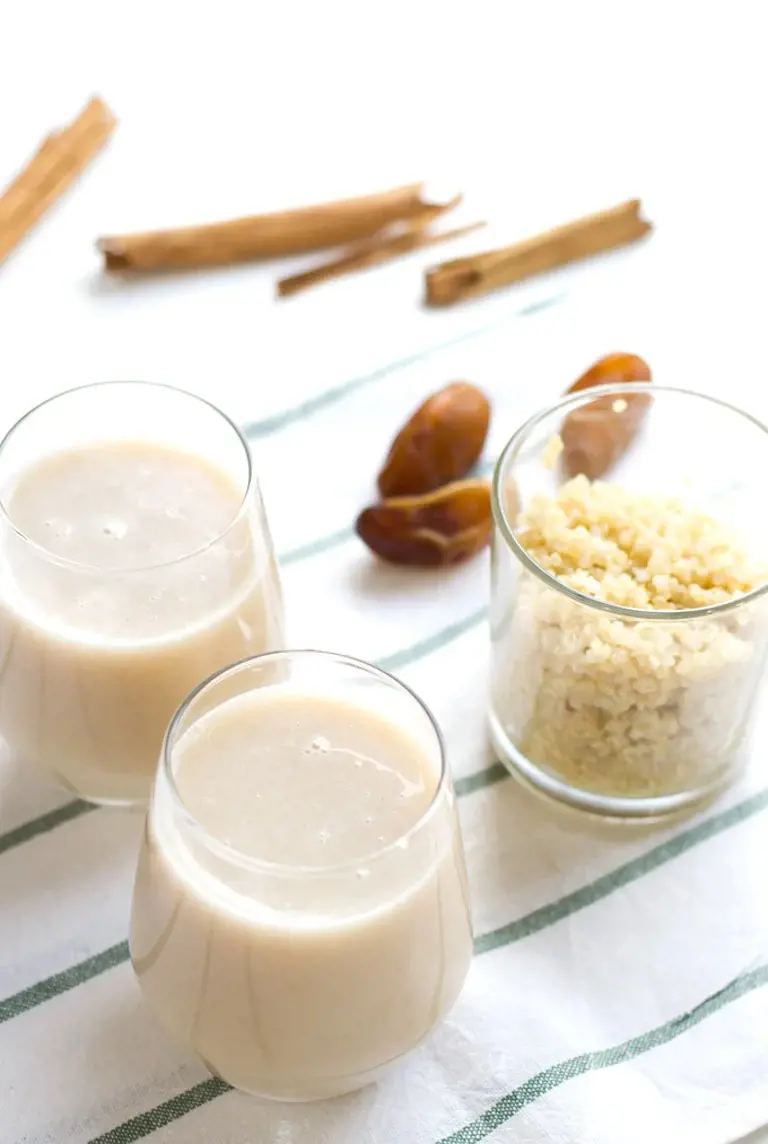
Quinoa milk, derived from the nutritious quinoa grain, offers a wholesome and versatile option for plant-based baking. With a mild and neutral flavor, quinoa milk seamlessly integrates into various recipes without overshadowing other ingredients.
Its creamy consistency works well in both sweet and savory dishes, providing a balanced texture. Quinoa milk is naturally gluten-free and a good source of protein, making it a nutritionally sound choice for those with dietary restrictions.
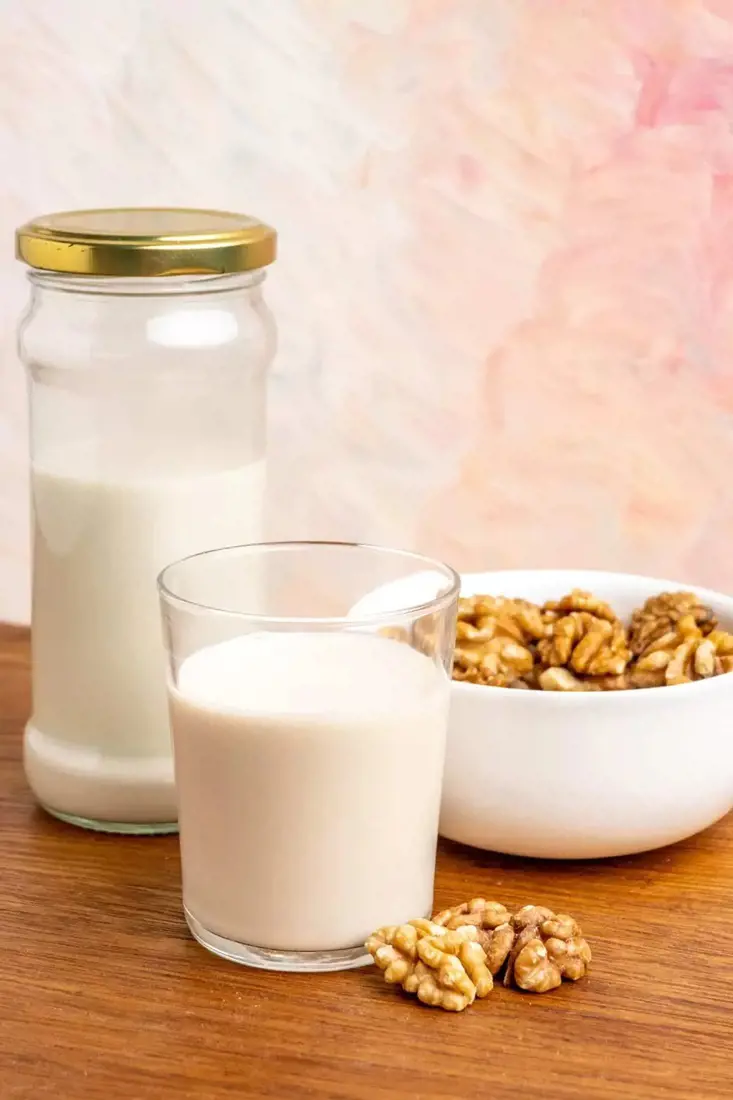
Walnut milk is extracted from the rich and earthy flavor of walnuts. Walnut milk's distinctive flavor can enhance recipes, especially those with chocolate, cinnamon, or warm spices. It pairs well with flavors commonly found in baked goods.
Walnut milk has a creamy consistency, contributing to the moistness of baked goods. It can be used in a 1:1 ratio as a substitute for dairy milk in most recipes. Apart from the flavor and texture, walnu milk is a good source of omega-3 fatty acids, adding nutrition value to your baked treats.
13. Rice Milk
instagram
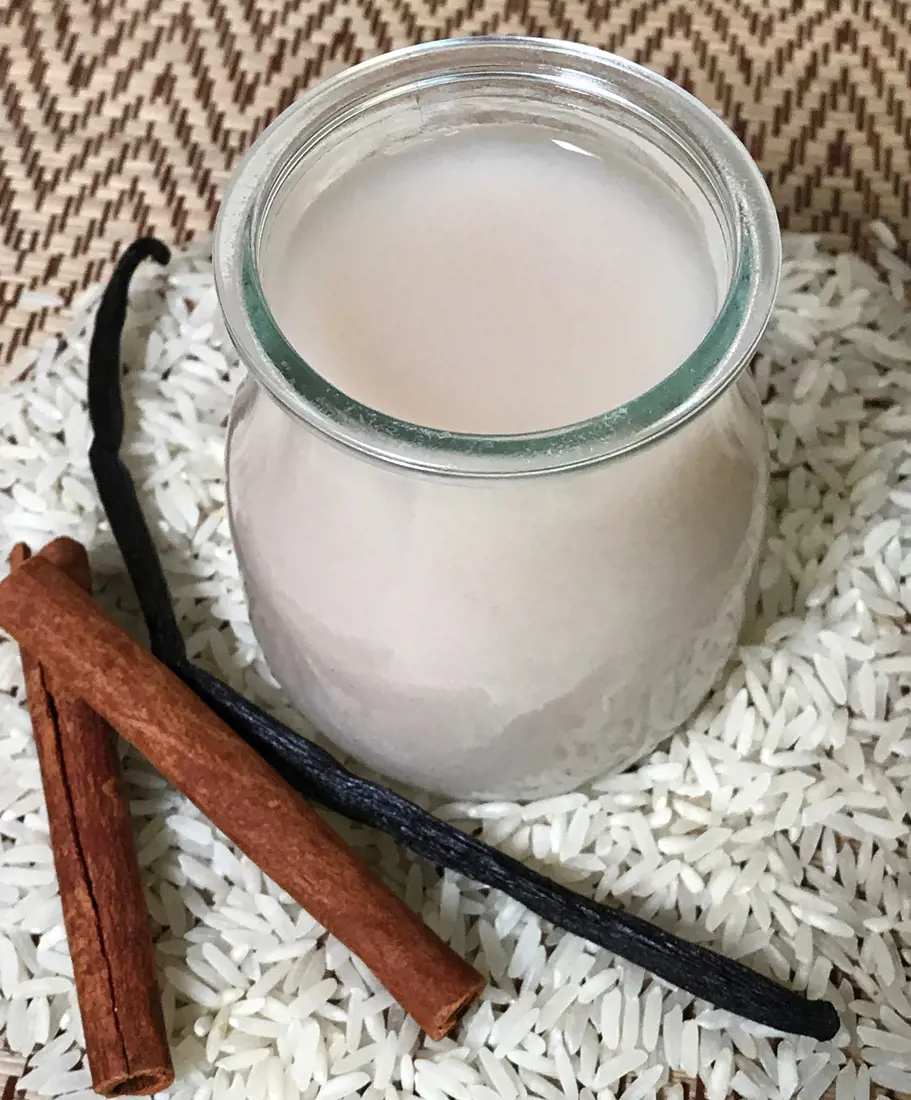
Rice milk has a naturally sweet and subtle flavor that helps it to seamlessly integrate into various recipes from desserts to savory dishes. Its thin consistency works well in lighter baked goods, contributing a delicate touch. Rice milk is naturally free of common allergens such as nuts and soy, making it an excellent choice for those with dietary restrictions.
Rice milk offers inclusivity in baking endeavors allowing everyone to enjoy the goodness of plant-based baking without compromising on taste or texture. Experimenting with rice milk opens up a world of possibilities, bringing a light and airy quality to your favorite treats.
14. Sunflower Seed Milk
instagram
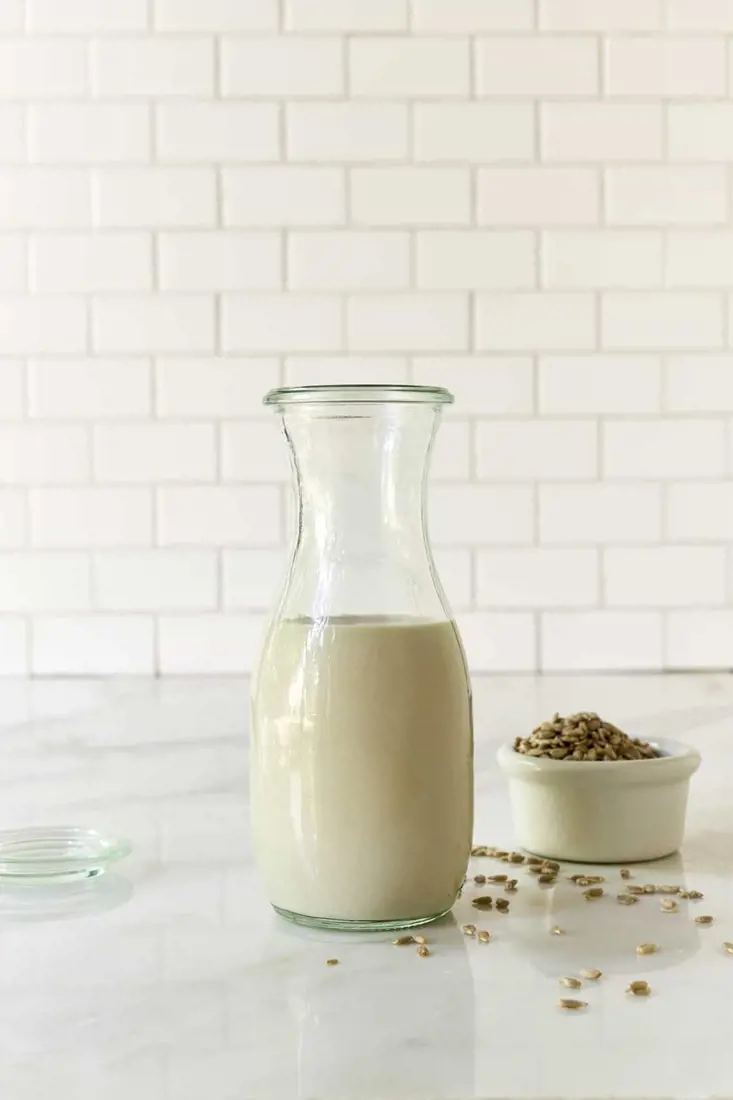
Sunflower seed milk made from hulled sunflower seeds is a nutritious and nutty alternative to dairy milk. With a mild flavor reminiscent of sunflower seeds, this milk adds a unique touch to various recipes. Its creamy consistency makes it adaptable for use in both sweet and savory dishes contributing to a smooth texture.
Sunflower seed milk is often rich in vitamin E, offering potential antioxidant benefits. Additionally, sunflower seed milk is often cholesterol-free and lower in saturated fats, promoting heart health.
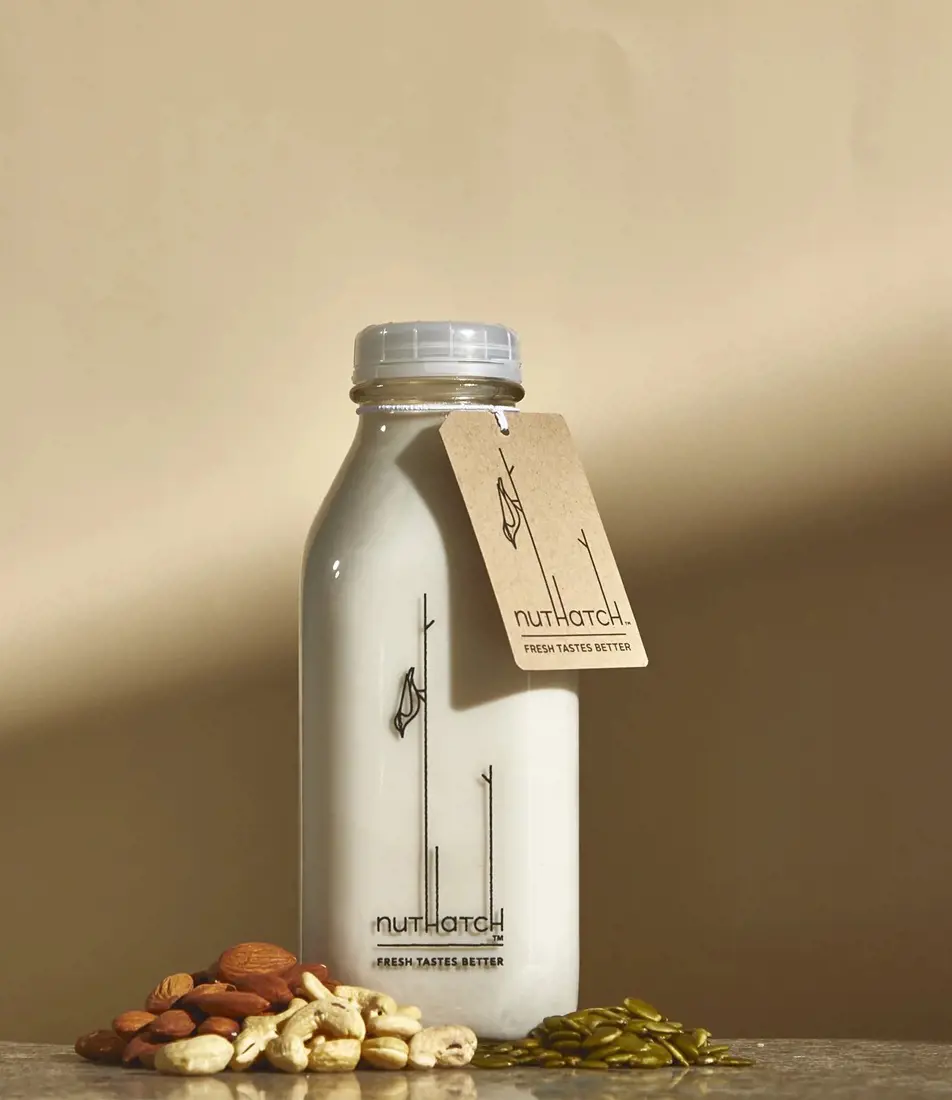
Plant-based milk blends, combining various plant ingredients, have become a versatile and popular choice in modern baking. Common combinations include almond-coconut, oat-almond, or a mix of several nuts and seeds. The result is a milk alternative that offers a unique taste while combining the nutritional strengths of different plants.
The blends are formulated to mimic the thickness and creaminess of traditional dairy milk, ensuring a smooth integration into various recipes without compromising texture.
You can also find plant-based blends that are free from common allergens like dairy, nuts, and soy, making them a safe choice for those with dietary restrictions or allergies.