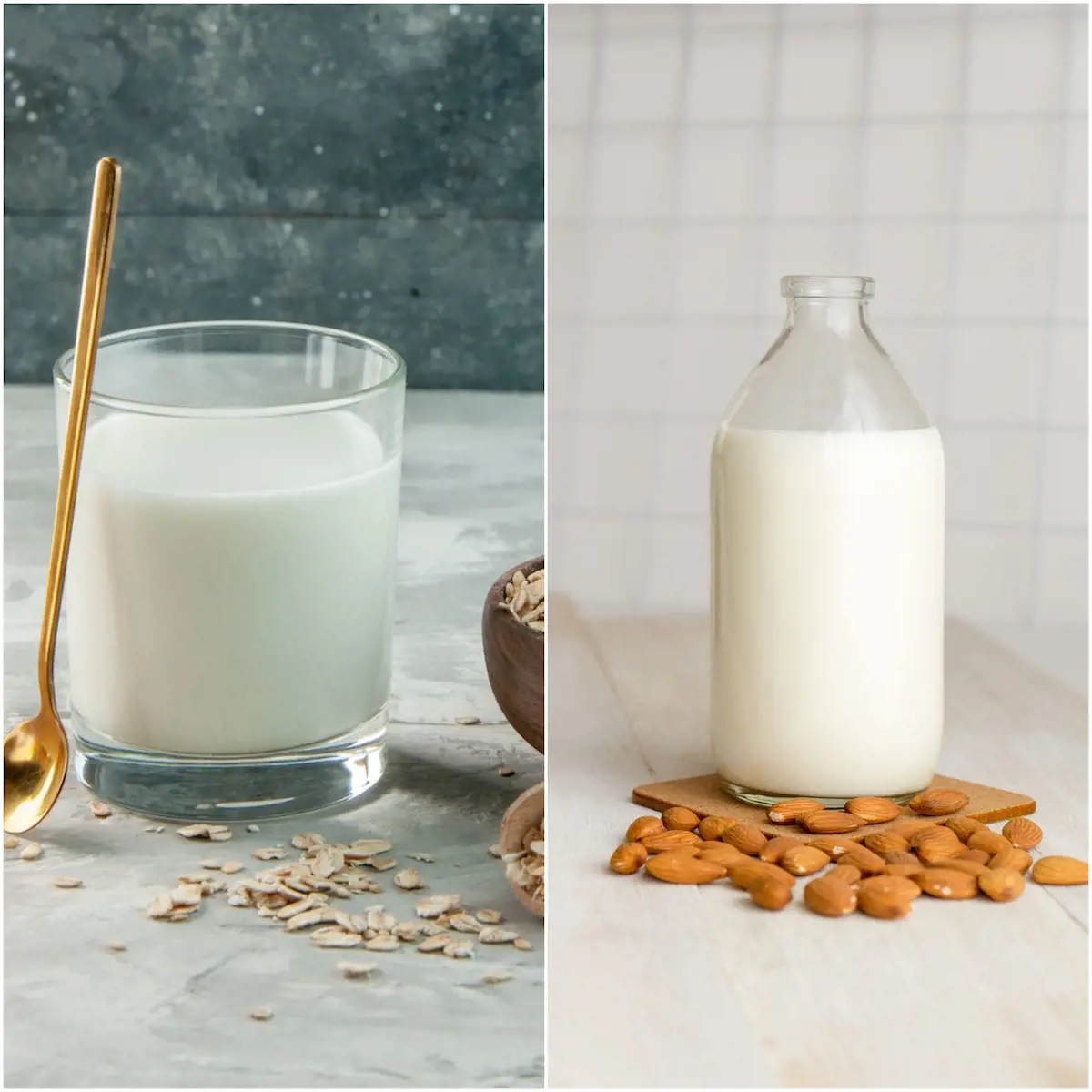
As the demand for plant-based alternatives continues to surge, oat milk and almond milk have risen to prominence as popular dairy substitutes. The quest for healthier, environmentally sustainable options has led consumers to explore these plant-based beverages, each offering unique qualities that cater to various preferences and dietary needs.
However, with plenty of alternatives available, you may be wondering which one is the best option for you. This article will delve into the distinctive features of oat milk and almond milk, considering taste, nutritional content, environmental impact, and versatility, to aid consumers in making informed choices.
Flavor and Texture
instagram
The nuances of taste and mouthfeel are crucial factors influencing consumer preferences, making the comparison between oat milk and almond milk an exciting exploration of sensory delights.
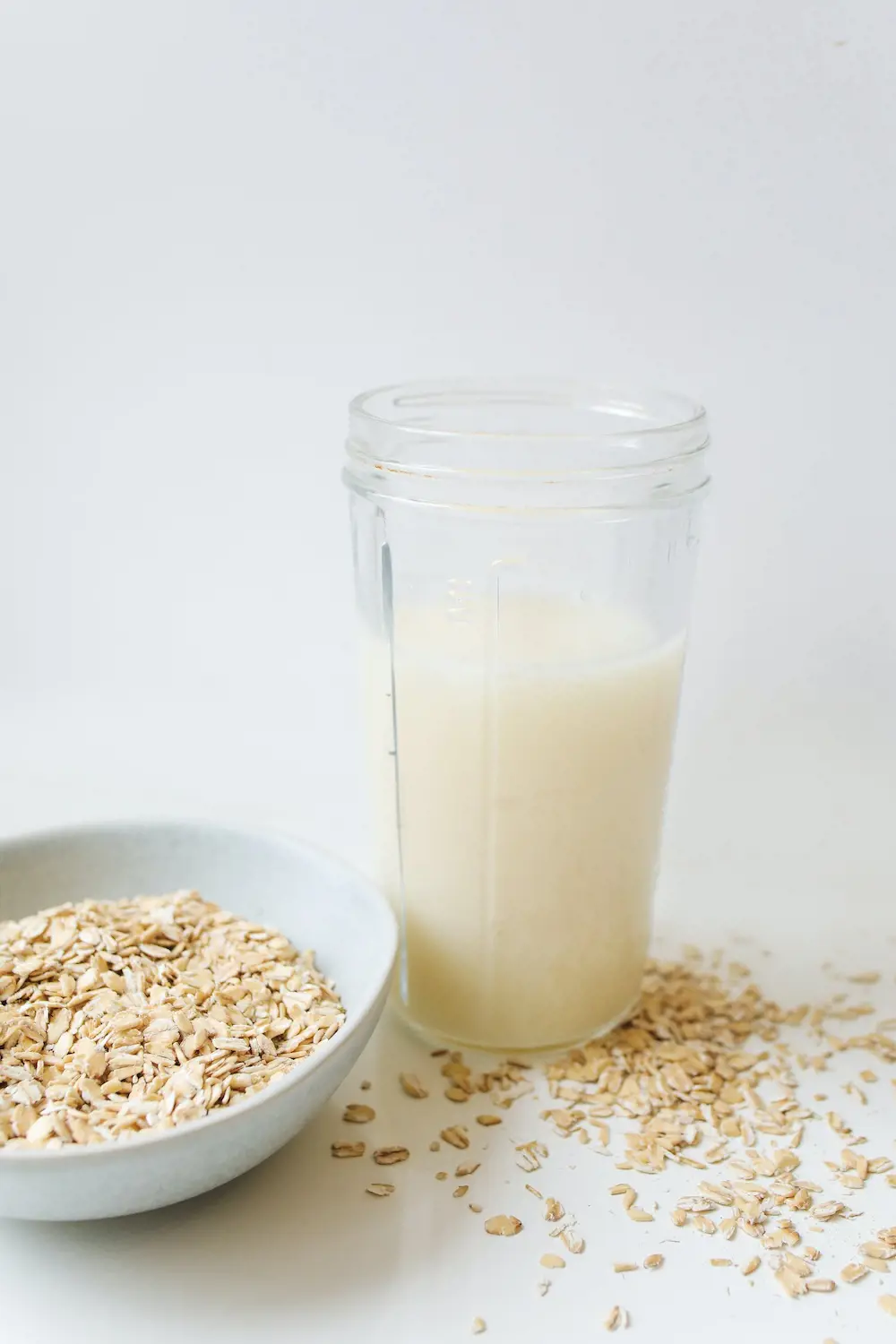
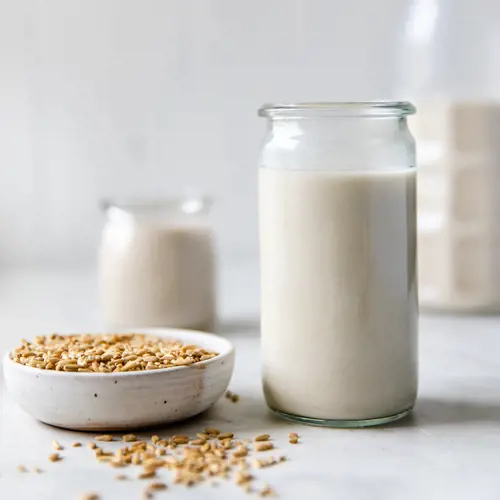
Oat milk, derived from whole oats, offers a velvety, creamy texture with a slightly sweet and neutral taste. The oats impart a subtle sweetness, akin to the comforting taste of oatmeal which allows it to be a canvas that enables a myriad of culinary applications. This neutrality makes oat milk a chameleon in the world of plant-based beverages, that can be used effortlessly in coffee, cereals, and cooking.
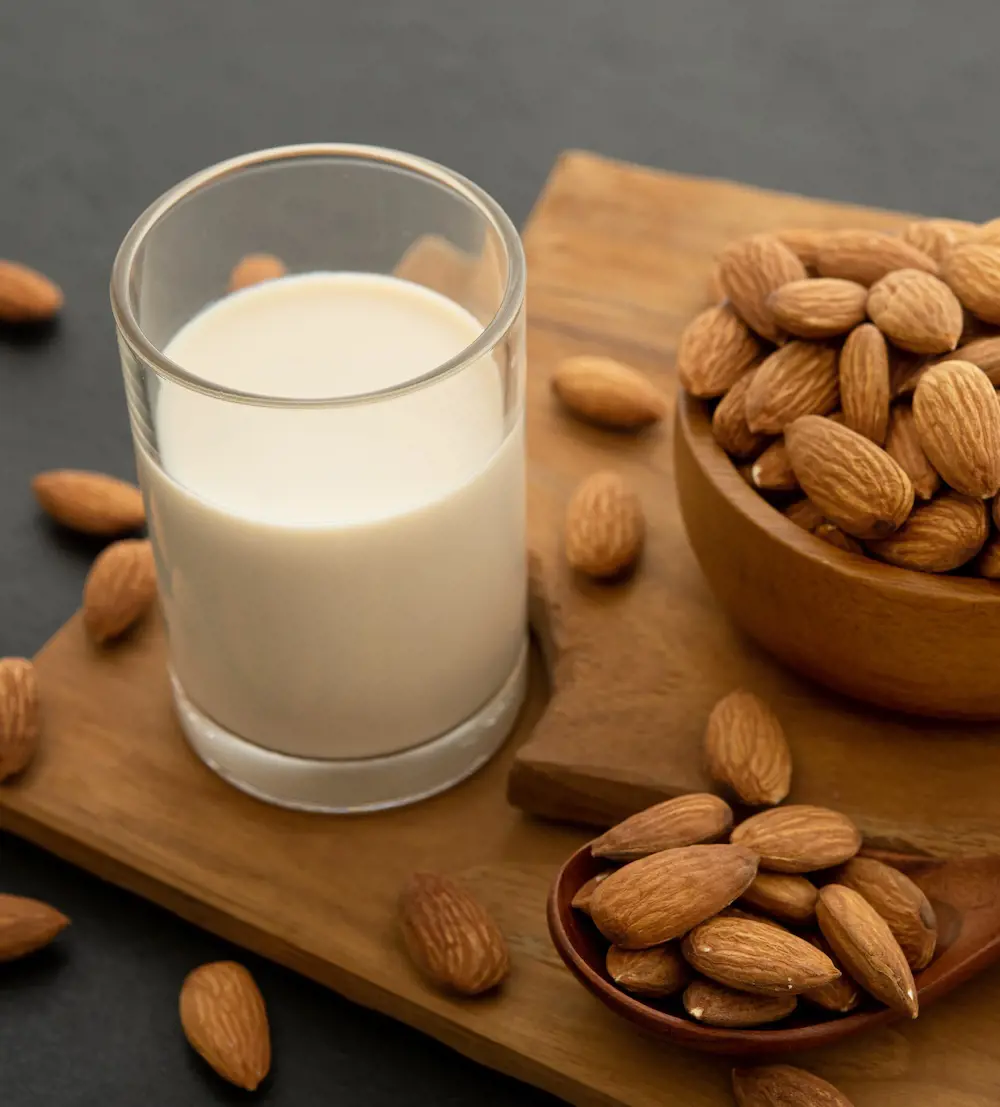
In contrast, almond milk has a nuttier note along with other flavors. The essence of almonds provides a nuanced, elegant touch that is unique to this drink. The texture is lighter compared to the lushness of oat milk, offering a refreshing alternative. Almond milk's nutty profile adds a subtle complexity, making it an ideal companion for those who appreciate a delicate almond undertone in their beverages.
Nutritional Content
The nutritional content is yet another metric that determines consumer preference. It's important to check the nutrition label on the specific brand and variety of milk you're using, as different products may have slightly different nutritional profiles.
Oat Milk Nutrition
instagram
The nutritional content of 1 cup (240 ml) of oat milk can vary slightly depending on the brand and any additional fortifications. However, here's a general overview of the nutritional values you might find in a cup of plain, unsweetened oat milk:
Calories: Around 120 calories
Total Fat: Approximately 5 grams
Saturated Fat: About 0.5 grams
Unsaturated Fat: About 4 grams
Carbohydrates: Around 16-20 grams
Dietary Fiber: Approximately 2-4 grams
Sugars: Generally around 7-12 grams (This can vary based on whether the oat milk is sweetened or unsweetened.)
Protein: Approximately 2-4 grams
Vitamins and Minerals: Calcium, vitamin D, vitamin B12, and others.
Almond Milk Nutrition
instagram
The nutritional profile for 1 cup of almond milk can be summarized as:
Calories: Approximately 30-40 calories
Protein: Typically 1 gram
Fat: Usually around 2.5 grams
Saturated Fat: Minimal (usually 0 grams)
Unsaturated Fats: Primarily monounsaturated and polyunsaturated fats
Carbohydrates: Around 1 gram
Dietary Fiber: Varies, but it's generally low (1 gram or less)
Sugars: Minimal to no added sugars in unsweetened versions
Vitamins and Minerals: Vitamin D, Vitamin E, and calcium
Allergen Considerations
instagram
Oat milk stands out as a haven for individuals with nut allergies. It is derived from whole oats, a grain that is typically not associated with nut allergens. As a result, oat milk provides a safe and inclusive option for those who must navigate the often-challenging landscape of nut-free alternatives. Its allergen-friendly nature opens up possibilities for a broader spectrum of consumers to enjoy creamy, plant-based milk without compromising on safety.
On the other hand, almond milk is produced from ground almonds, making it a nut-based beverage. This nut content poses a potential risk for individuals with nut allergies, limiting its accessibility for those seeking a safe alternative. While almond milk boasts a unique flavor and nutritional profile, individuals with nut sensitivities may need to exercise caution and opt for alternatives that align with their allergen restrictions.
Environmental Impact
instagram
Oat milk and almond milk are both sustainable-friendly as compared to cow's milk. However, almond milk stands out because it require more natural resources as compared to oat milk. When it comes to environmental sustainability, oat milk often has a lower ecological footprint. Oats require less water to grow compared to almonds, which are water-intensive crops.
Additionally, almond cultivation has faced criticism for contributing to water scarcity issues in certain regions. Almond milk also often edges out on greenhouse gas emissions. Oat milk, derived from a more water-efficient source, aligns better with eco-conscious consumers seeking environmentally friendly options.
Versatility
instagram
As a result of the richness and creaminess of oat milk, it lends itself exceptionally well to a myriad of uses. Its velvety texture makes it a favored choice for coffee aficionados, enhancing the frothiness in lattes and cappuccinos. Oat milk seamlessly integrates into smoothies, adding a luxurious thickness and subtly sweet undertones. Its versatile use is also the result of its neutral flavor which allows it to adapt to both sweet and savory dishes.
Almond milk, in turn, has a delicate nutty essence, that brings a subtler touch to the versatility spectrum. Its lighter consistency makes it an ideal companion for baking endeavors, where it can replace traditional dairy milk in recipes without compromising texture or taste. Almond milk's ability to complement flavors without overpowering them allows it to shine in a range of desserts, from puddings to ice creams.
Health Benefits
instagram
Seeking a plant-based protein punch? Almond milk takes the crown, packing 1 gram of protein per ounce compared to oat milk's 0.5 grams. This protein power can help curb hunger, build muscle, and keep you feeling fuller for longer. But when it comes to fiber, oat milk leaps ahead, boasting 2 grams per ounce, a significant advantage over almond milk's negligible amount. This dietary fiber aids digestion, keeps you feeling full, and even nourishes your gut microbiome.
If calorie counting is your game, almond milk is the lighter contender, clocking in at higher calories per ounce compared to oat milk's calories. However, remember that calories aren't the sole metric of health. Opt for the milk that aligns with your overall dietary needs and goals.
Uses of Oat Milk and Almond Milk
Plant-based milk is often used as an alternative to dairy because of dietary restrictions and efforts towards sustainability. Even though the use of milk remains the same, there are instances where one is used more often than others.
Oat milk is generally used in:
Coffee and Tea
Soups and Sauces
Mashed Potatoes
Pancake and Waffle Batter
Ice Cream
Overnight Oats
instagram
Desserts
Almond milk is generally used in:
Cereal and Oatmeal
Smoothies
Baking
instagram
Homemade Yogurt
Cocktails
Protein Shakes
Dips
Which Is The Best For You?
instagram
In the ongoing debate between oat milk and almond milk, the ideal choice ultimately depends on individual preferences, dietary restrictions, and environmental considerations. Oat milk, with its creamy texture, neutral taste, and allergen-friendly profile, caters to a broad audience. On the other hand, almond milk's nuttier flavor and lower calorie content may appeal to those seeking a lighter alternative.
As the plant-based beverage market continues to evolve, consumers are empowered to make choices that align with their taste preferences, health goals, and environmental values.
Whether sipping it in a latte or using it in a recipe, the journey of choosing between oat milk and almond milk is an exploration of flavors and values that contribute to a more conscious and sustainable lifestyle.