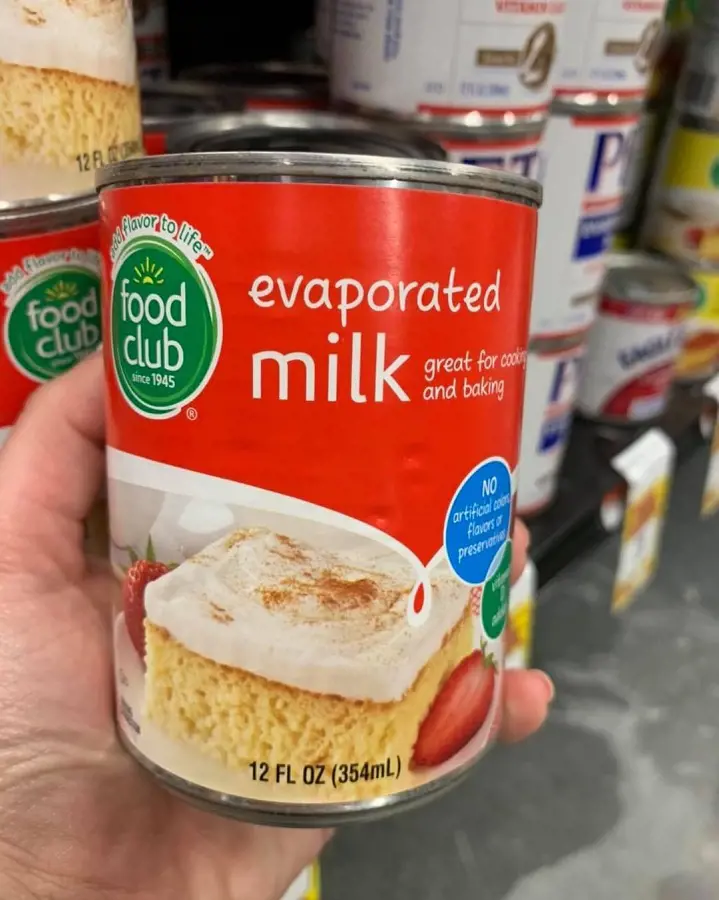
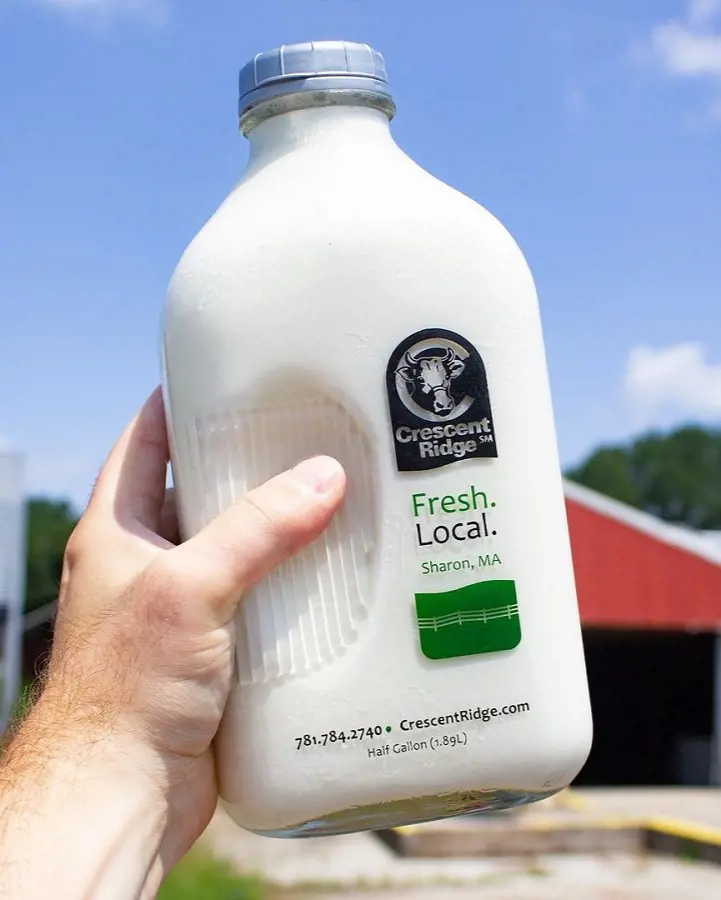
Despite the name having the word “milk” in it, evaporated milk is very different from regular milk. Regular milk comes directly from cows. It is fresh and unprocessed. When regular milk is heated at a high temperature to remove 60% of the water content, you get evaporated milk.
Unfortunately, not everyone can tolerate evaporated milk. Fortunately, you can substitute it with these 12 evaporated milk substitutes while cooking.
1. Regular Milk
instagram
Perhaps the best substitute for evaporated milk is the one you already have in your fridge. If a recipe calls for evaporated milk, you can easily make one at home with regular milk. If the recipe calls for one cup of evaporated milk, use ⅔ more or 1⅔ regular milk.
Place the regular milk in a saucepan, bring it to a boil, and gently reduce it until you have the desired amount. Allow the milk to cool before cooking with it.
Experts claim this method is better than buying evaporated milk because it contains less saturated fat and total fat content, which are major risk factors for cardiovascular disease.
2. Heavy Cream
instagram
Heavy cream, also known as heavy whipping cream, is milk fat that collects on top of fresh milk that has not been homogenized. Homogenized milk is regular milk subjected to high pressure without adding or removing anything from the milk.
It has higher calories and fat content than evaporated milk, and therefore makes recipes richer. If you are substituting evaporated milk for heavy cream, use the same amount of cream as you would evaporated milk. If you're out of heavy cream as well, we have heavy cream alternatives for you.
3. Powdered Milk
instagram
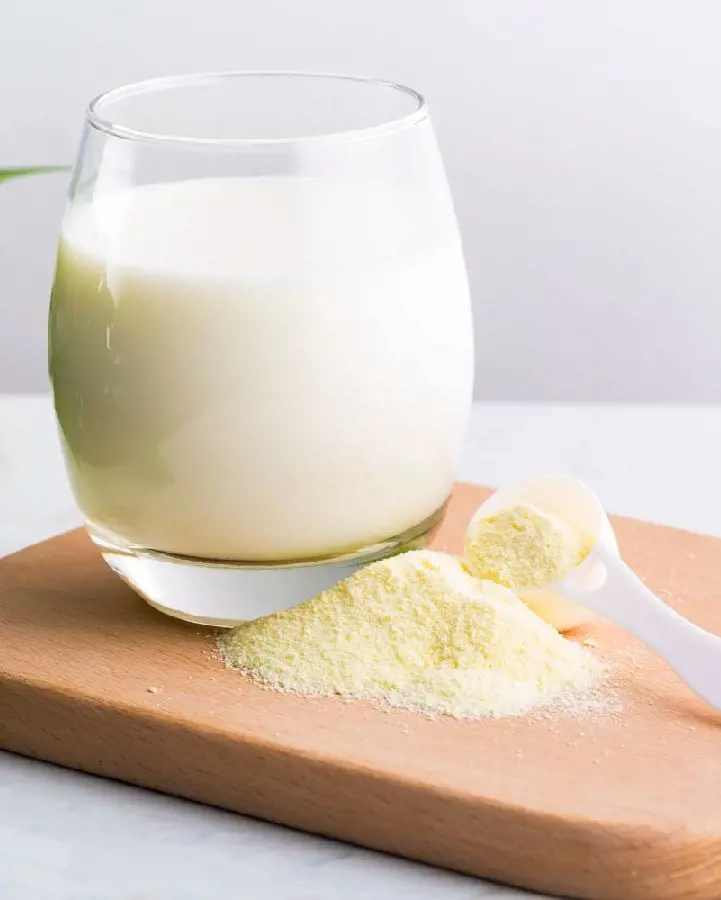
Like evaporated milk, powdered milk has been processed to extend the shelf life. Regular milk is boiled under reduced pressure at low temperatures for much-concentrated milk. The resulting milk solids are then sprayed in a fine mist into hot air to remove all the moisture for dehydrated, powdered milk.
If a recipe calls for evaporated milk, You can rehydrate the powdered milk by adding water. Add only 60% of the water required to create thicker, richer milk, and use a 1:1 ratio to replace the evaporated milk. Powdered milk is not the best substitute for evaporated milk, but something is better than nothing.
4. Half and Half
instagram
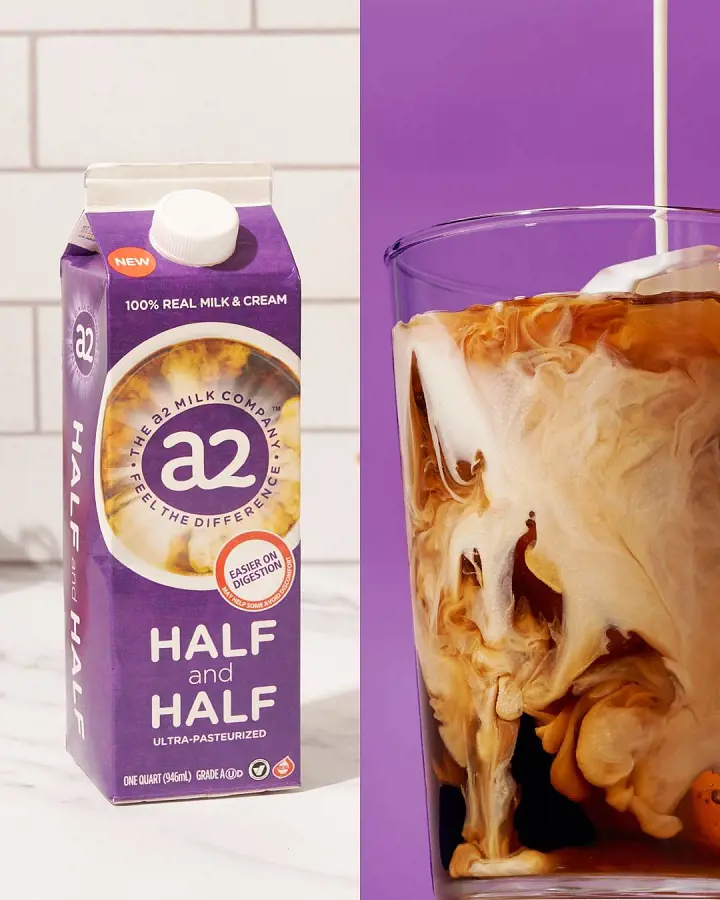
Half and half refers to a mixture of equal parts whole milk and cream. When whole milk and cream are blended, it has a slightly thicker consistency than evaporated milk. The caramelized flavor of the evaporated milk would be missing, but the creamy texture makes this an excellent substitute.
Half and half are lower in carbs and higher in fat in comparison to evaporated milk. Half and half is often used in coffee and recipes to substitute cream or evaporated milk. In most recipes, one cup of evaporated milk will be replaced by an equal amount of half and half.
5. Soy Milk
instagram
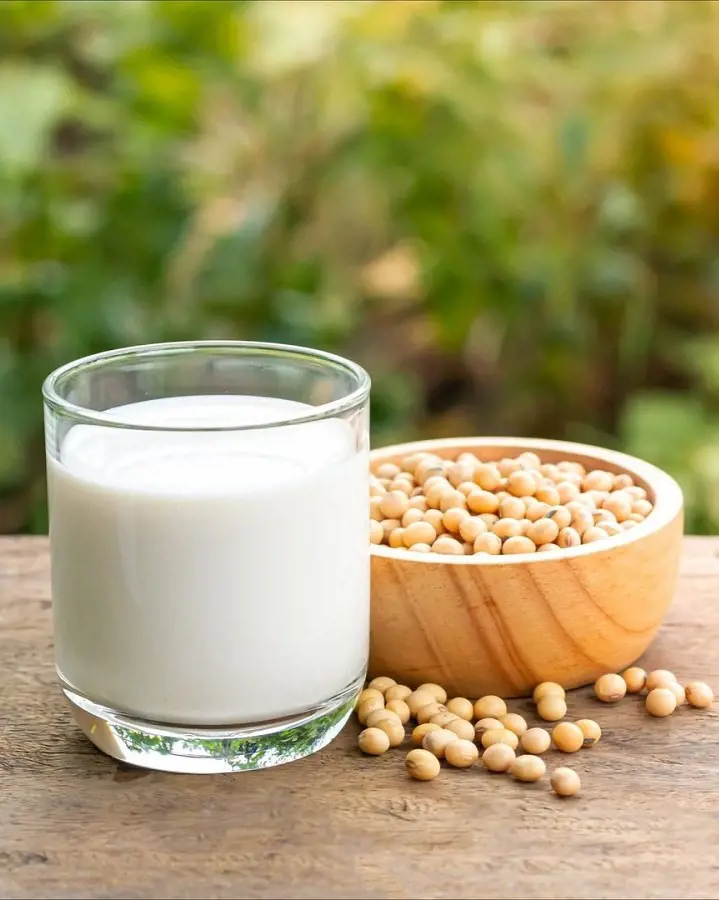
Soy milk is made with soya beans and milk. Dried soybeans are soaked overnight, ground in water, and filtered out for a liquid by-product that resembles dairy milk. It does not have a strong flavor and has a similar nutritional profile to regular milk.
To replace evaporated milk with soy milk, the latter needs to be heated to remove 60% of the water content. So, if your recipe calls for 1.5 cups of evaporated milk, simmer 4 cups of soy milk until it reduces to the desired amount.
You will not be able to replicate the taste of evaporated milk, but it hardly makes a difference in most recipes. You can use this soy milk substitute in sweet and savory dishes alike.
6. Oat Milk
instagram
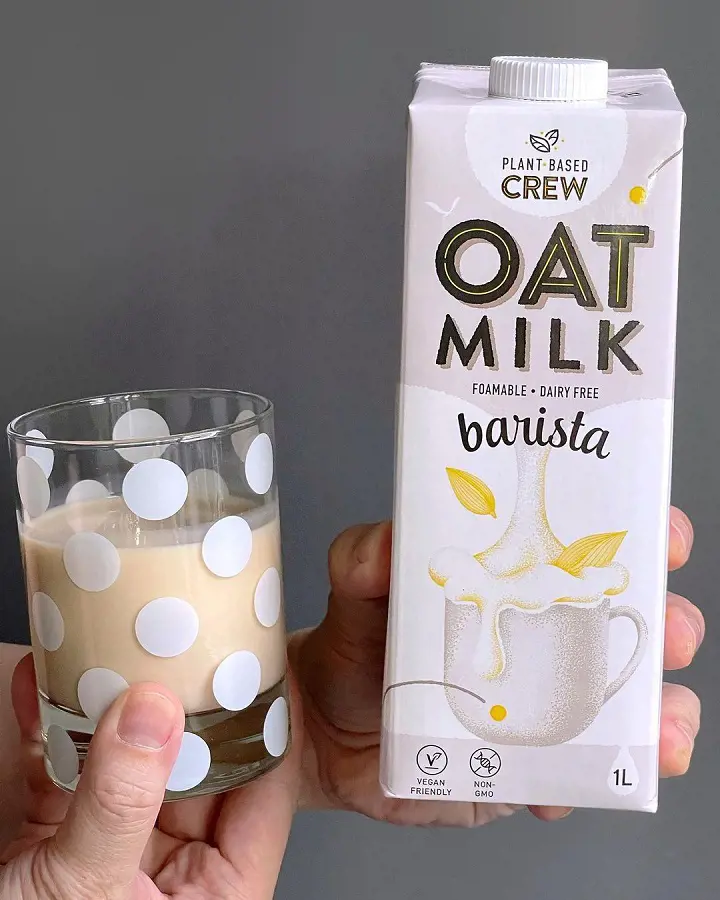
Oat milk is made by blending overnight-soaked rolled oats and water. The mixture is then strained with a cheesecloth to filter the pulp, and the liquid you are left with is the milk. Most of the fiber and nutrients are in the leftover pulp. However, the liquid or milk does contain the nutrients in oats.
But despite the creamy texture, it will likely be thinner than other alternatives. If you want to replace oat milk with evaporated milk, simmer and reduce by half, and thicken or sweeten with corn starch if needed.
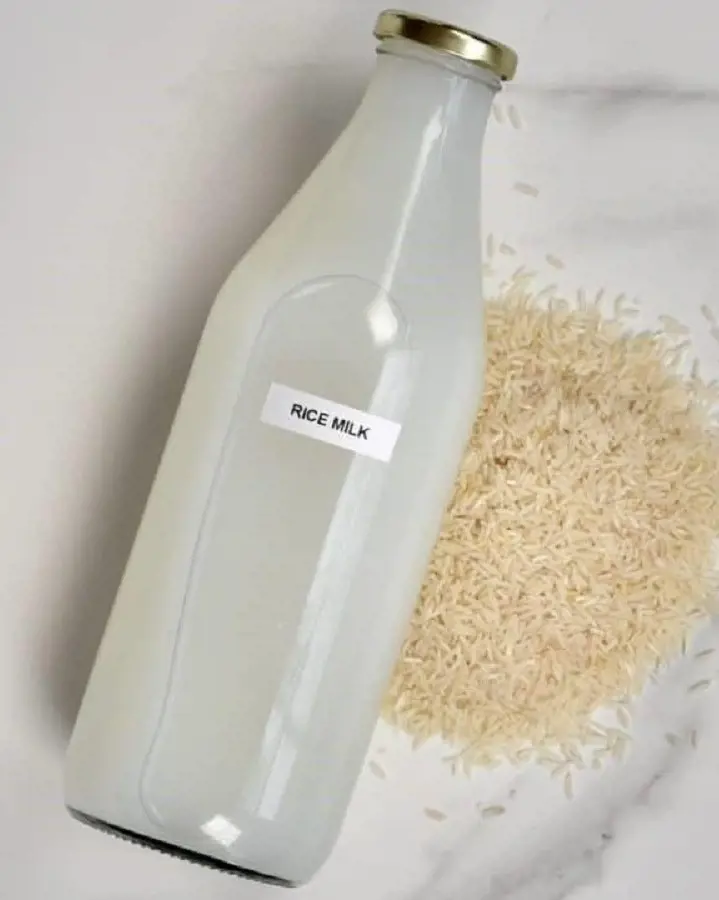
Rice milk is often used as an alternative to dairy milk, and because it does not come from cows, you might find it in the non-dairy section in supermarkets. Rice milk is made by soaking rice and grinding it with water. The mixture is passed through a cheesecloth to filter the pulp for the liquid, also known as rice milk.
Like most non-dairy milk, rice milk has to be reduced by 60% to remove the water content to replace evaporated milk. It might not be as thick as evaporated milk, so adding cornstarch or another thickening ingredient might help. Rice milk has a naturally sweet taste, making it ideal for desserts and baking.
8. Coconut Milk
instagram
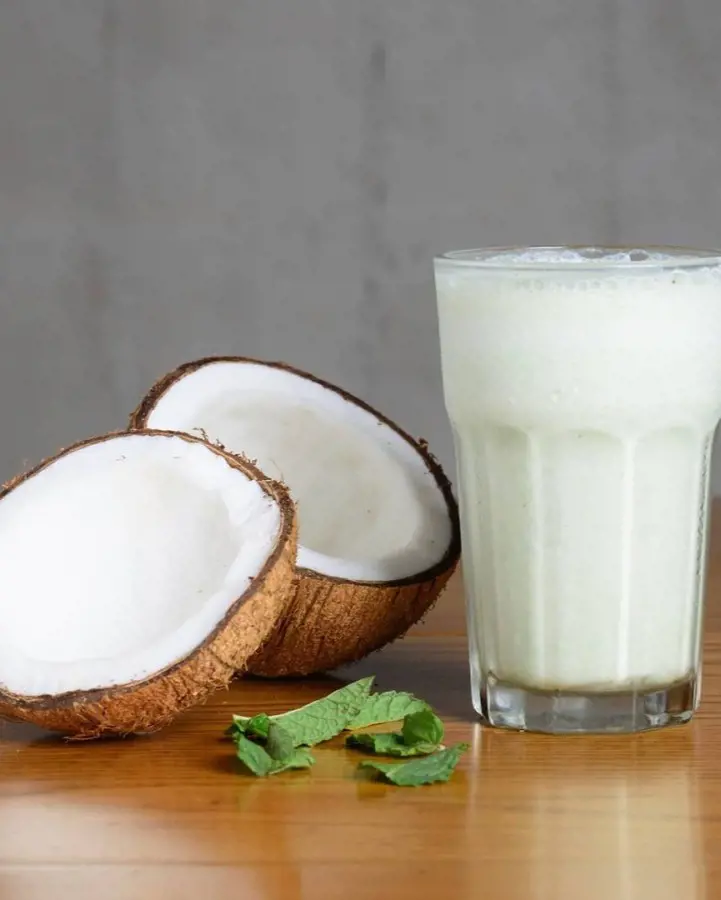
Coconut milk is basically shredded coconut flesh that is pureed with water and strained to create a creamy, shock-white liquid, also known as coconut milk. It is mildly sweet and slightly nutty and is often used to flavor and add richness to soups, curries, and much more.
Unlike other non-dairy milk, coconut milk is higher in fat and calories. However, it is rich in iron, potassium, magnesium, manganese, and zinc.
Coconut milk is thick and does not need to be reduced on the stove when replacing evaporated milk. It also does not require any thickening agent. Use the same amount of coconut milk in the recipe as you would evaporate milk.
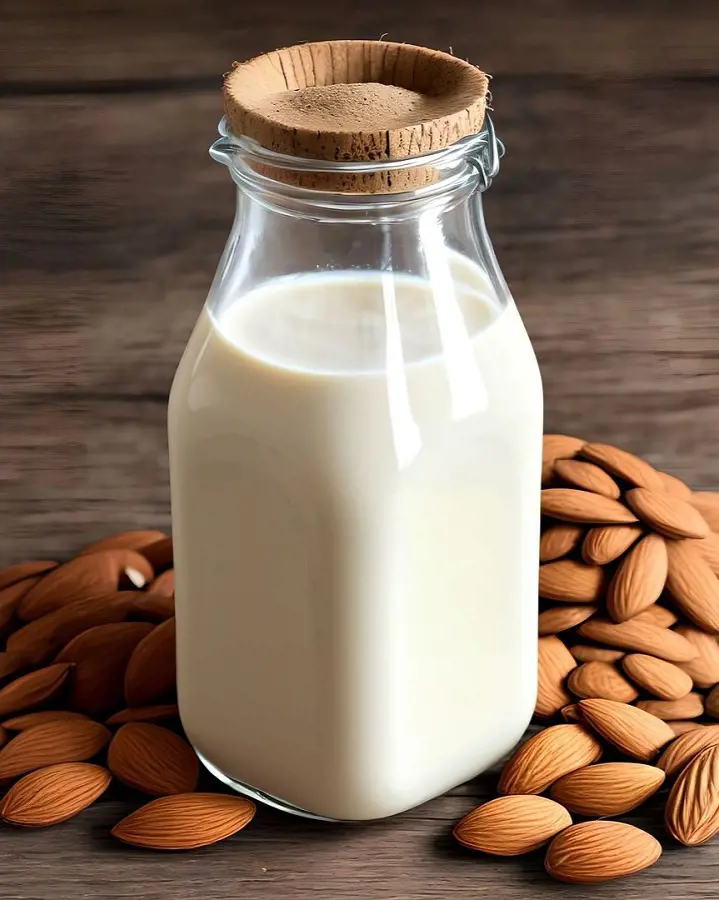
9. Almond Milk
instagram
Like most non-dairy milk, almond milk is made by grinding overnight-soaked almonds in water and filtered to create a milk-like drink. They are low in calories and protein, making them ideal for when you are looking to decrease your calorie intake.
When replacing evaporated milk, almond milk has to be heated to reduce the water content, but the texture will still be thinner. It is sweet with a hint of nutty almond taste, which could affect recipes, but it can still be used in sweet and savory recipes.
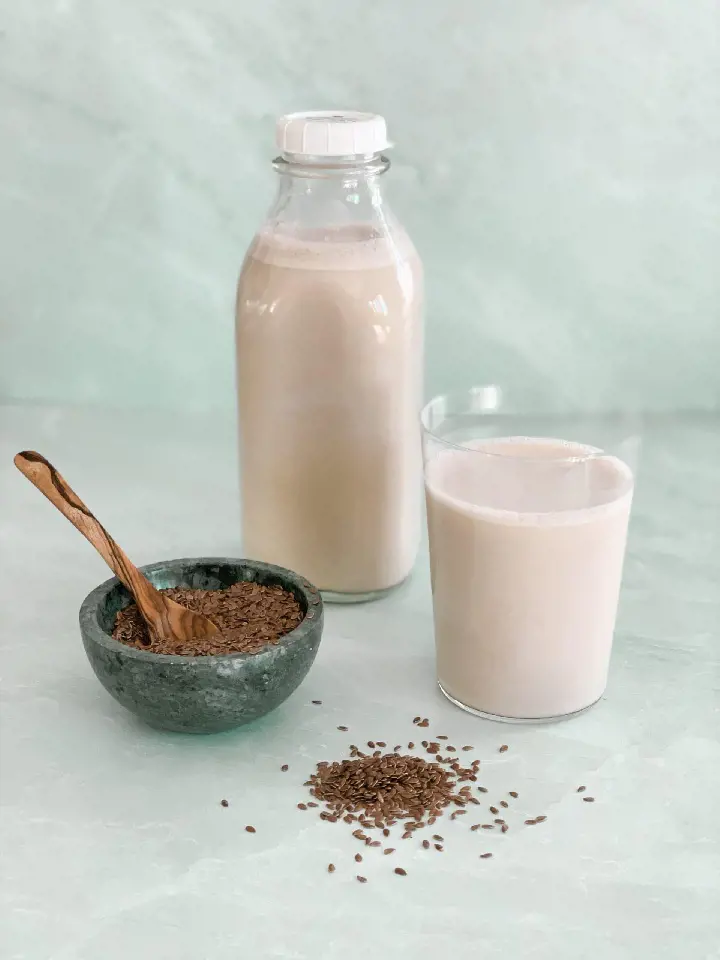
10. Flax Milk
instagram
Flax milk is made by blending whole flax seeds or flaxseed meal with water and filtered. It does not contain any cholesterol or saturated fat and is a great source of omega-3 fatty acids, which can lower blood pressure and cholesterol.
Flaxseed milk is creamy, mild, and slightly nutty, but not as much as other plant-based milk, like almond or cashew. Its flavor profile is closest to regular milk compared to other non-dairy milk.
To replace evaporated milk, flaxseed milk should be heated to reduce water and thickened or sweetened further to achieve the same flavor and texture.
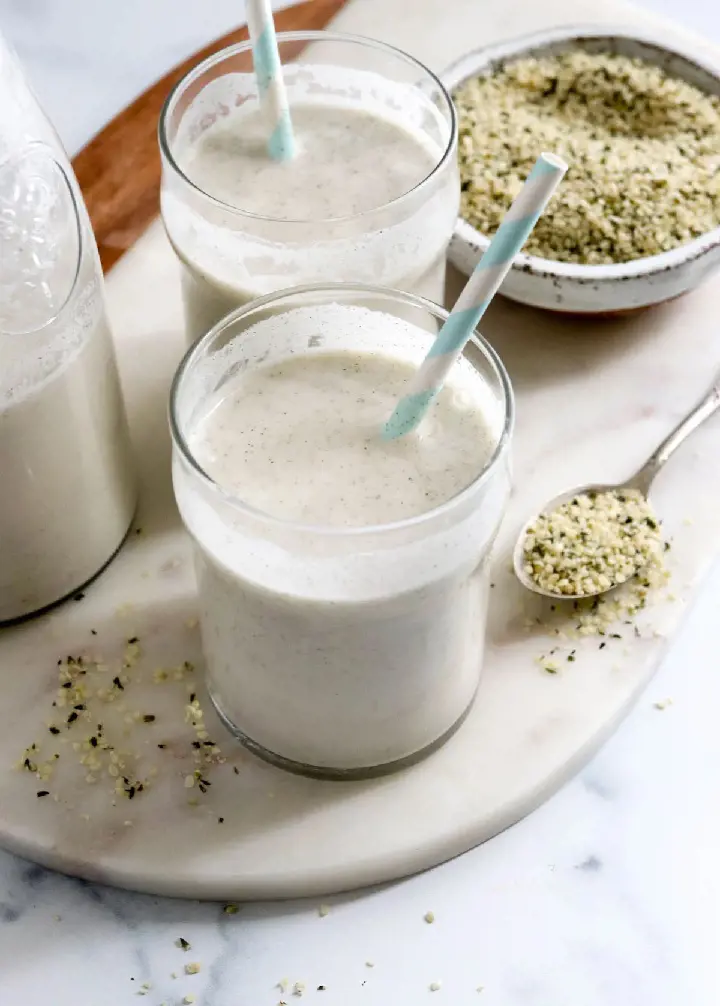
11. Hemp Milk
instagram
Hemp is a variety of cannabis, and its milk is made by blending the seeds of the hemp plant with water. Although it is a variety of cannabis, hemp milk does not cause mind-altering effects like marijuana as it contains trace amounts of cannabinoid concentrations.
In fact, it contains many essential nutrients that provide several health benefits. It contains healthy fats, protein, vitamins, and minerals, all of which serve important purposes.
Hemp milk has an earthy, nutty flavor and a thinner consistency than other alternatives. It can be heated and reduced to be used in place of evaporated milk but needs to be thickened with cornstarch or other thickening ingredients.
12. Quinoa Milk
instagram
Many might not be aware of quinoa milk because it is relatively new in the market. It is made by soaking or cooking quinoa and blending with water. The mixture is filtered to remove the pulp and get the milk liquid.
Quinoa milk is packed with healthy nutrients, making it a great choice for anyone who wants to fuel their body and stay healthy.
It has a creamy texture and a slightly nutty flavor, much like rice milk. It might or might not need thickening agents, depending on the consistency. If you are making this at home, blend quinoa with less water so that it is thick, like evaporated milk.