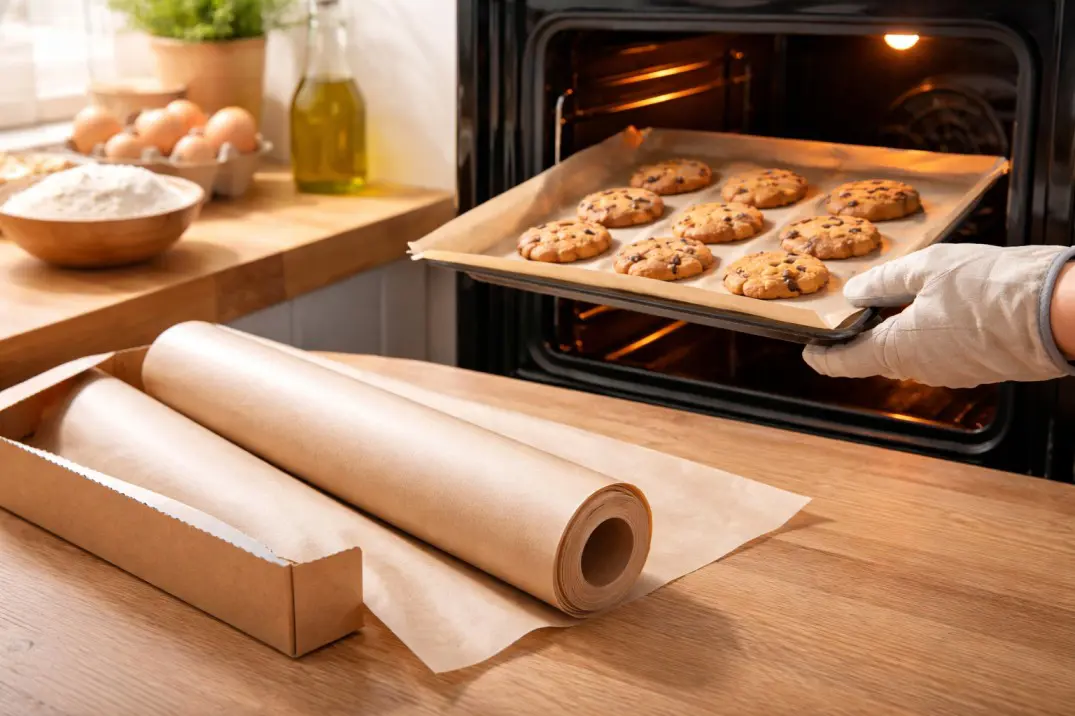
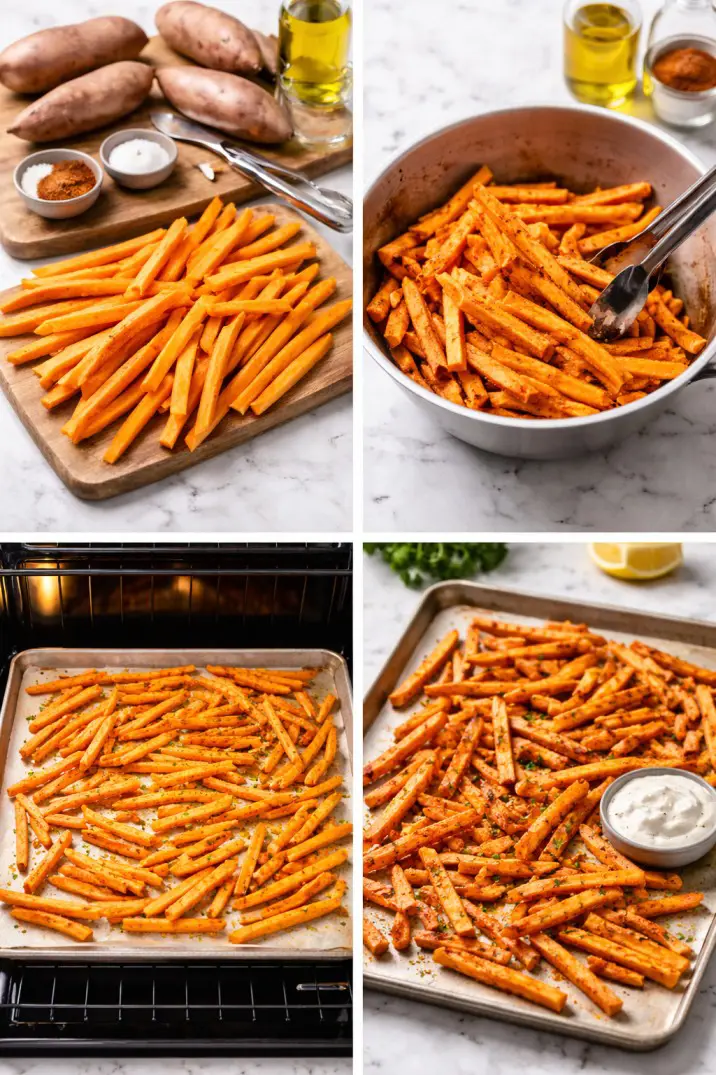
Parchment paper is a widely used kitchen essential known for its non-stick properties and heat resistance. It plays a significant role in baking and roasting by promoting even cooking while simplifying cleanup.
However, understanding its proper use in the oven is essential to ensure both safety and optimal results. Using parchment paper correctly involves recognizing its temperature limitations, avoiding direct heat exposure, and following manufacturer guidelines.
When handled appropriately, it becomes one of the most reliable tools for home cooks and professional bakers alike.
Oven Safety and Temperature Guidelines
Parchment paper is specifically designed to withstand oven heat, making it safe for most standard baking applications. However, it is not completely heatproof. Most brands are rated safe for temperatures between 420°F and 450°F (215°C to 230°C).
Before using parchment paper, always check the packaging for the manufacturer’s recommended maximum temperature. Exceeding this limit can cause the paper to darken excessively, become brittle, or in rare cases, ignite if exposed to direct flame.
When used within proper temperature ranges, parchment paper performs safely and effectively, preventing sticking without posing a fire hazard.
What Happens at High Temperature?
At standard baking temperatures (325°F–400°F), parchment paper may gradually turn light to dark brown. This discoloration is normal and does not indicate danger.
However, when exposed to temperatures above its rated limit, parchment paper may:
-
Curl at the edges
-
Become brittle
-
Produce light smoke
-
Develop burn spots
Although it is treated to be flame-resistant, it can still burn if it touches an oven’s heating element or is exposed to direct flames. For this reason, parchment paper should always lie flat against the baking tray and remain weighed down by food.
Avoid Using Parchment Paper Under the Broiler
Broiler settings generate intense, direct heat that can exceed 500°F very quickly. Because parchment paper is only heat-resistant up to approximately 450°F, it is not suitable for broiling.
Using parchment paper under a broiler increases the risk of burning or ignition. For broiling, it is safer to use:
Avoid placing any paper product under direct broiler heat.
Best Uses of Parchment Paper in the Oven
When used properly, parchment paper enhances cooking performance in several ways.
1. Baking Cookies and Pastries
It creates a non-stick surface, allowing baked goods to release easily without additional grease. It also helps promote even browning.
2. Roasting Vegetables
Lining a baking sheet with parchment prevents vegetables from sticking and makes cleanup significantly easier.
3. Lining Cake Pans
Parchment ensures cakes release smoothly, preserving their structure and preventing breakage.
4. Cooking En Papillote
This method involves wrapping fish, chicken, or vegetables in parchment to seal in moisture and flavor while baking.
5. Reheating Baked Goods
It helps prevent sticking and over-drying when reheating pastries or breads in the oven.
Parchment Paper vs. Wax Paper
It is important not to confuse parchment paper with wax paper.
When exposed to oven heat, wax paper can melt, smoke, and potentially ruin food. Always confirm you are using parchment paper before placing it in the oven.
Safety Tips for Proper Use
To ensure safe oven use, follow these best practices:
-
Stay within the recommended temperature range
-
Avoid direct contact with heating elements
-
Do not use under broiler settings
-
Trim excess paper hanging over tray edges
-
Ensure the paper is secured beneath food
Loose parchment paper can shift due to oven airflow. Keeping it properly positioned reduces risk and ensures even cooking.
Can Parchment Paper Catch Fire?
While parchment paper is treated to be flame-resistant, it is still a paper product and can catch fire under extreme conditions. Fire risks typically occur when:
-
The paper exceeds its temperature limit
-
It comes into direct contact with flames
-
It touches exposed heating elements
Under normal baking conditions, parchment paper does not ignite. When used responsibly and within recommended limits, it remains a safe and reliable kitchen tool.
Reusing Parchment Paper
Parchment paper can often be reused, especially for baking items like cookies or pastries that do not leave heavy residue.
You may reuse it if:
Discard parchment paper once it shows significant burn marks, excessive grease buildup, or structural weakening.
Alternatives to Parchment Paper
If parchment paper is unavailable, several alternatives may be used:
Silicone mats are reusable and environmentally friendly, making them a popular long-term option.
Final Thoughts
Parchment paper is oven-safe and highly effective when used within recommended temperature guidelines. Its non-stick properties, convenience, and versatility make it a valuable tool in both home and professional kitchens.
By keeping temperatures below 450°F, avoiding broiler settings, and ensuring proper placement inside the oven, parchment paper can be used safely and efficiently. With proper handling, it simplifies cooking while delivering consistent, high-quality results.