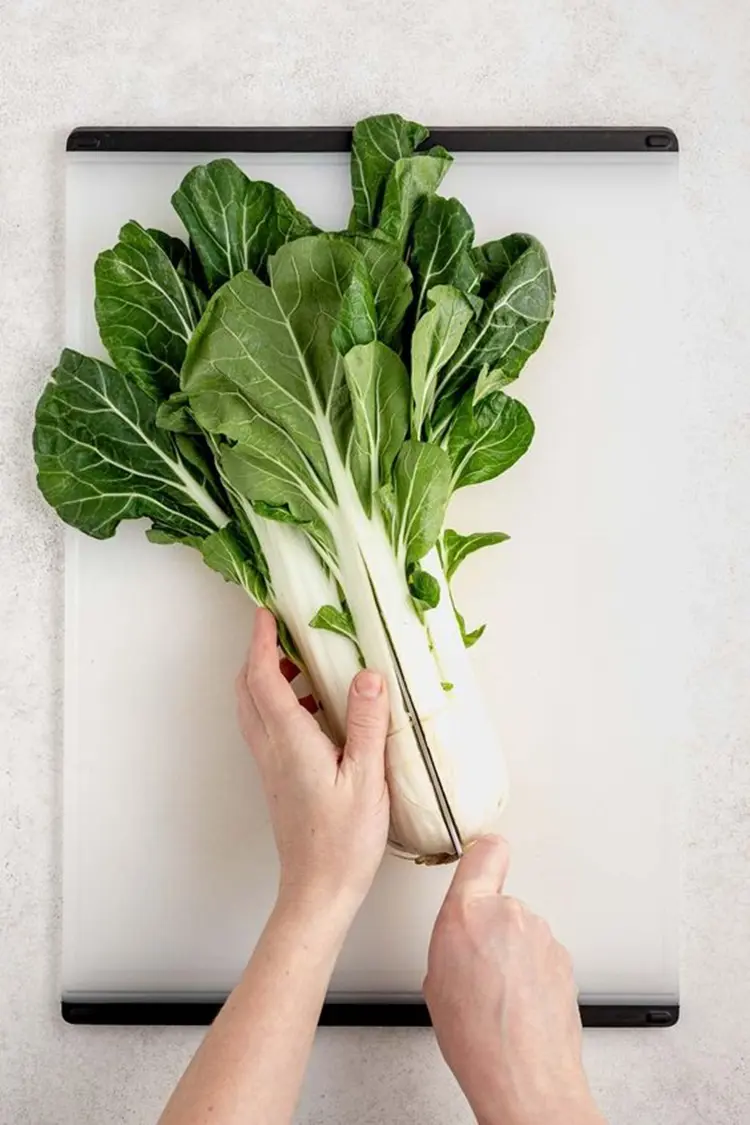
How you cut cabbage can significantly impact the texture and enjoyment of dishes like Coleslaw. The cutting technique affects the vegetable's mouthfeel and the amount of chewing required.
Learning how to cut cabbage properly can elevate your culinary creations, whether you're preparing cabbage steaks, soup, or a crisp slaw. This guide will demonstrate the best methods to prep a fresh head of cabbage from the store, ensuring you achieve the ideal texture for various recipes.
Types Of Cabbage
Whenever you are in your local grocery store and head to the produce section, you are likely to find on display a few types of cabbages. Each is unique and can be used for culinary purposes differently.
So let's head forward with some of the most common varieties.
1. Green Cabbage
This no doubt is the most recognizable variety. Green cabbage forms dense, round heads with crisp, pale leaves. Because of its versatility, it is very popular in many kitchens.
When raw, it is great for classic coleslaw, with a crunchy satisfying bite. When cooked, it adds depth to soups and sautés, tending to get tender while retaining some texture.
2. Red Cabbage
instagram
Visually striking, red cabbage is like green in form but with a bright purple-red color. The color does not just pop on your plate but also increases the intensiveness of some of the nutrients that this vegetable contains.
Red cabbage is great to use in slaws and grain bowls for flavor and color. It's great when roasted, too, as it brings out the natural sweetness inside the leaves.
3. Napa Cabbage
Also called Chinese cabbage, this variety of cabbage has an elongated shape. Its leaves have firm, crunchy white ribs and lacy, ruffled pale green edges. Flavour-wise, the leaves are milder and sweeter than other cabbages.
Napa cabbage is amazingly versatile and great raw in salads, but it's also wonderful in various cooked dishes, from stir-fries to sautés.
4. Savoy Cabbage
Although its shape might evoke the image of green cabbage, Savoy cabbage is uniquely marked with its deeply crinkled, loosely packed leaves. Originating from the French Alps, this variety of cabbage has a delicate texture compared to other cabbages and is also sweeter.
Its tender leaves make it an excellent stand-in for Napa cabbage in most recipes. Whether raw or cooked, Savoy cabbage is delectable and adds class to several dishes. like
How To Wash Cabbage
Cabbage should be well washed in the process of preparing for food. Here is a simple guide to ensuring that your cabbage is clean and ready for use:
1. Inspect the Cabbage
instagram
Carefully inspect the cabbage. Pull off and discard any outer leaves, brown or bruised, and wilted ones since they have served their purpose of protecting the inner leaves as the vegetable was growing and being transported.
2. Rinse the Exterior
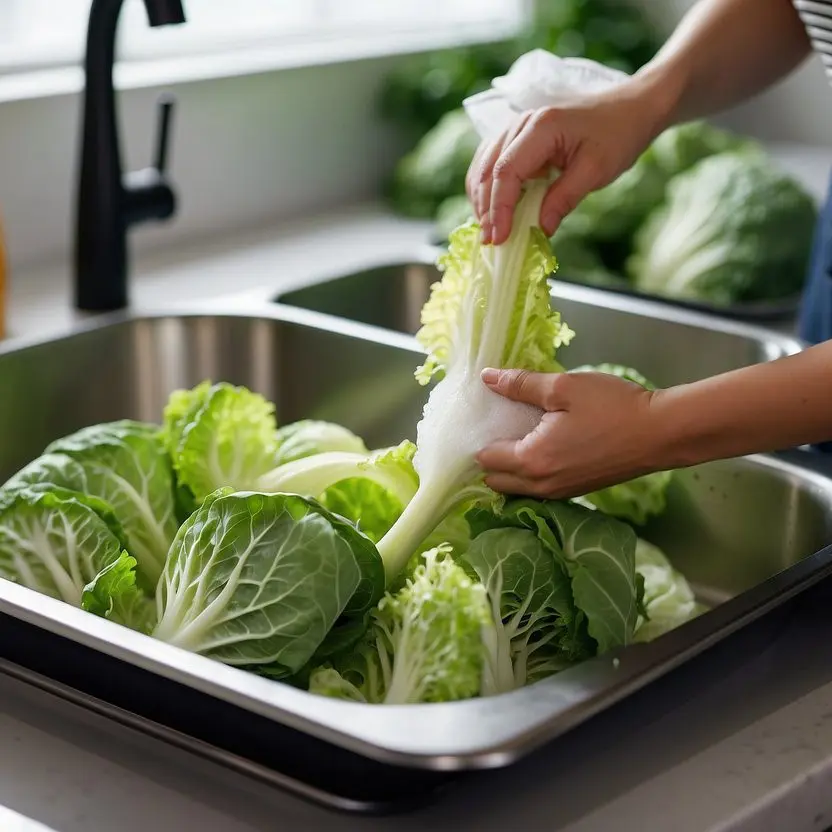
Cabbage grows in a compact form, where the outer leaves tend to protect the inner ones. Due to this, it is quite often enough just to wash the outer part well. Take the whole head of cabbage under cold running water and turn so all sides get rinsed.
3. Scrub Gently (Optional)
If there is some stubborn-looking dirt or debris apparent to stay on the cabbage head, carefully scrub the surface of the head using a clean vegetable brush or hands, without bruising the leaves.
4. Dry the Cabbage
Shake off excess water after washing, and then pat dry using a clean kitchen towel or towels.
5. Extra Cleaning (If Needed)
If you're hung up on cleanliness or are planning on using the cabbage raw, you can take an extra step right after cutting. Immediately after slicing or chopping the cabbage, you can briefly rinse the cut pieces under cold water in a colander.
This isn't normally called for, though, since the tight structure of the cabbage keeps any impurities from affecting the interior.
How Do You Cut Cabbage Into Wedges
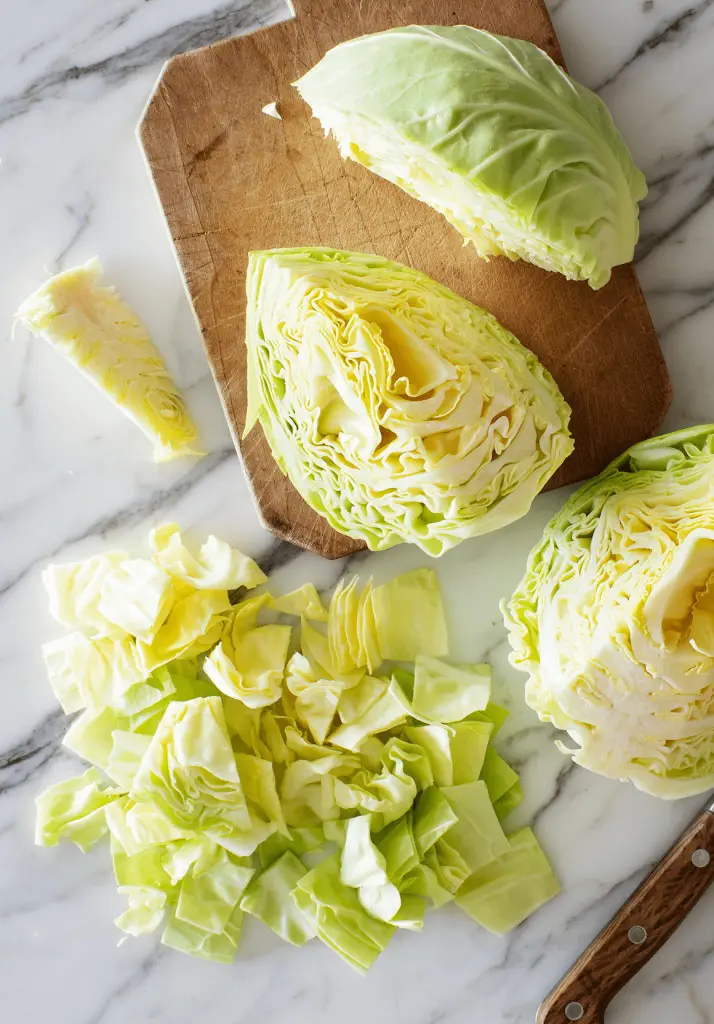
Cabbage can be cut into wedges both as an end and a starting point toward other forms, which include shreds or squares. This is done as a way of managing the big and at times unmanageable head of cabbage and dividing it into manageable pieces.
Here's how to do it:
1. Prepare the Cabbage
First remove any of the hard outer leaves, ones that look wilted or have begun to turn color. These leaves are a barrier for the inner leaves but are tough to eat. Rinse the cabbage under cool running water and then dry it thoroughly with either paper towels or a clean kitchen towel.
2. Locate the Core
Find out where the core or stem is from the head of the cabbage. All of the leaves come together there and attach.
3. Make the First Cut
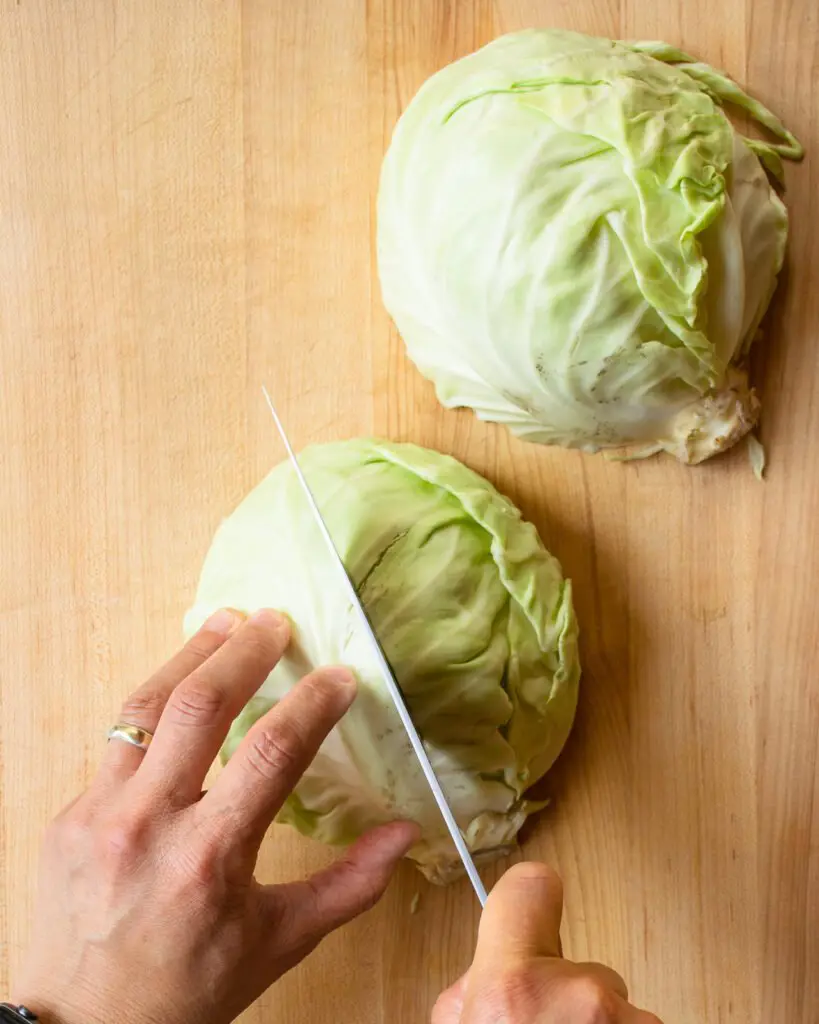
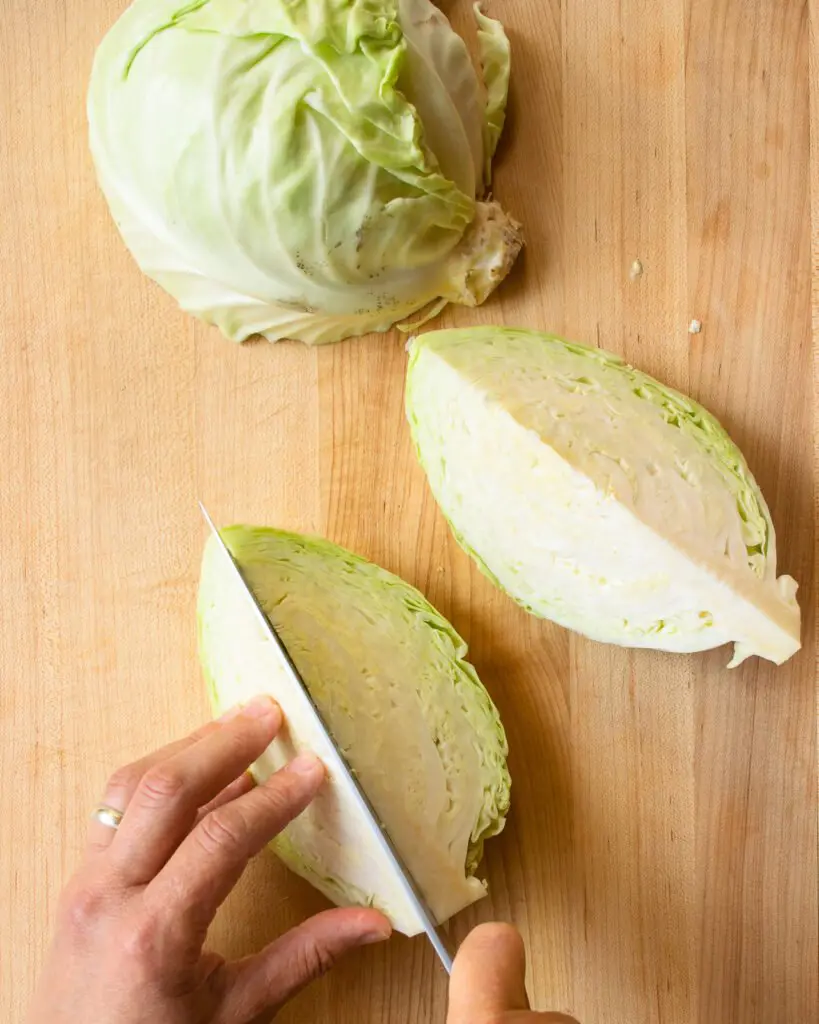
Using a sharp chef's knife, carefully cut the cabbage in half lengthwise through the core. A sharp knife is an important aspect of clean cuts and safety.
instagram
4. Make Quarters
Take each half and cut again lengthwise through the core to make four wedges.
instagram
5. Wedge Size Adjustment (Optional)
If your final product is wedges, continue to slice the quarters through the core for the desired thickness. For sauté or roast methods, 1 to 1½-inch thick wedges are an ideal size that provides good texture and cooking time.
Additional Tips:
When you're cutting wedges, just leave the core in. It helps hold leaves together during cooking.
These are great wedges for if you plan to shred or further chop the cabbage, since it may make the job quite a bit easier.
Pay extra attention to any sharp knives and make sure your cutting surface is stable for safety.
How To Slice Cabbage For Coleslaw
Shredding cabbage is a fundamental skill in many cuisines, allowing you to create everything from crisp coleslaws to tender stir-fries. The process begins with a whole head of cabbage and ends with finely cut strips ready for your favorite recipes.
By following these steps, you'll master the art of shredding cabbage efficiently and safely.
1. Place the Wedge:
To start cutting, lay one wedge of cabbage cut-side down on your cutting board. This position provides stability and makes it easier to manage your knife as you slice. The flat surface exposed by the cut side prevents the wedge from rolling, ensuring your fingers will be safe in the attempt to cut.
2. Remove the core:
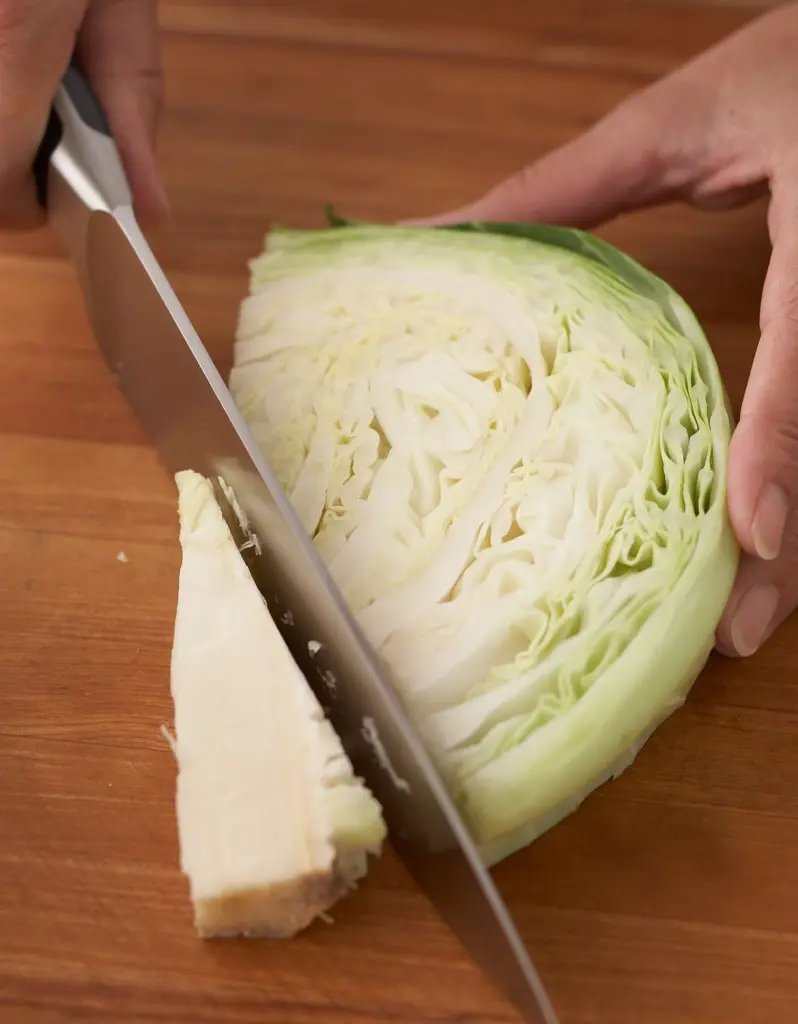
Find the dense, white core at the base of the wedge. Using your chef's knife, cut on a bias through it to divide this tough part from the leafy section. Most recipes find this core too fibrous, so this is helping texture the end product of most. Set the cores aside for stocks or compost if needed.
instagram
3. Shred the cabbage:
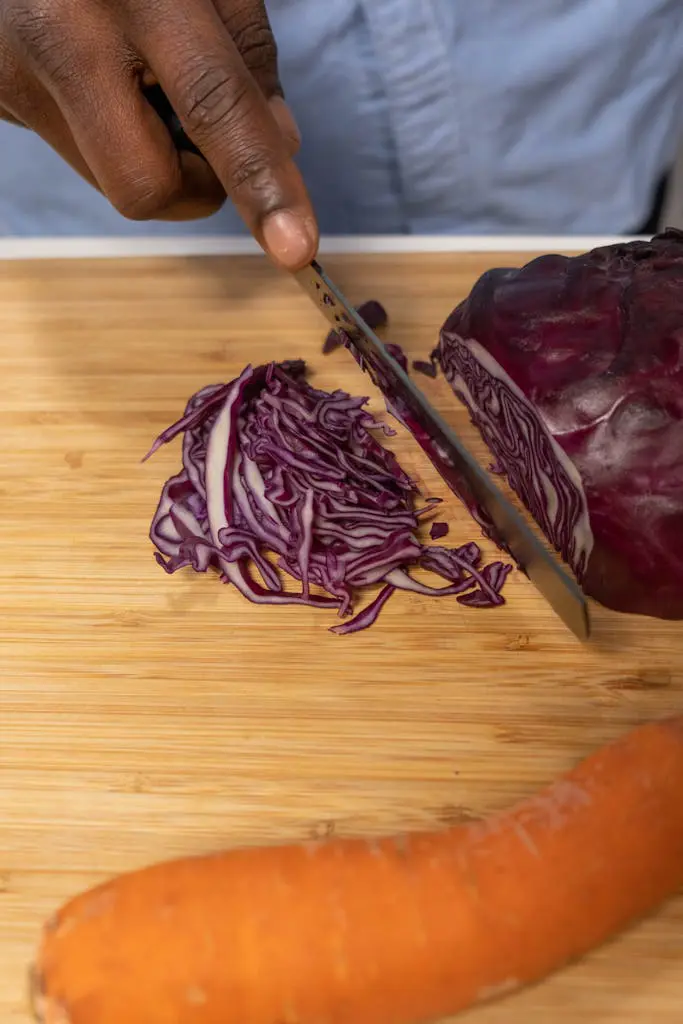
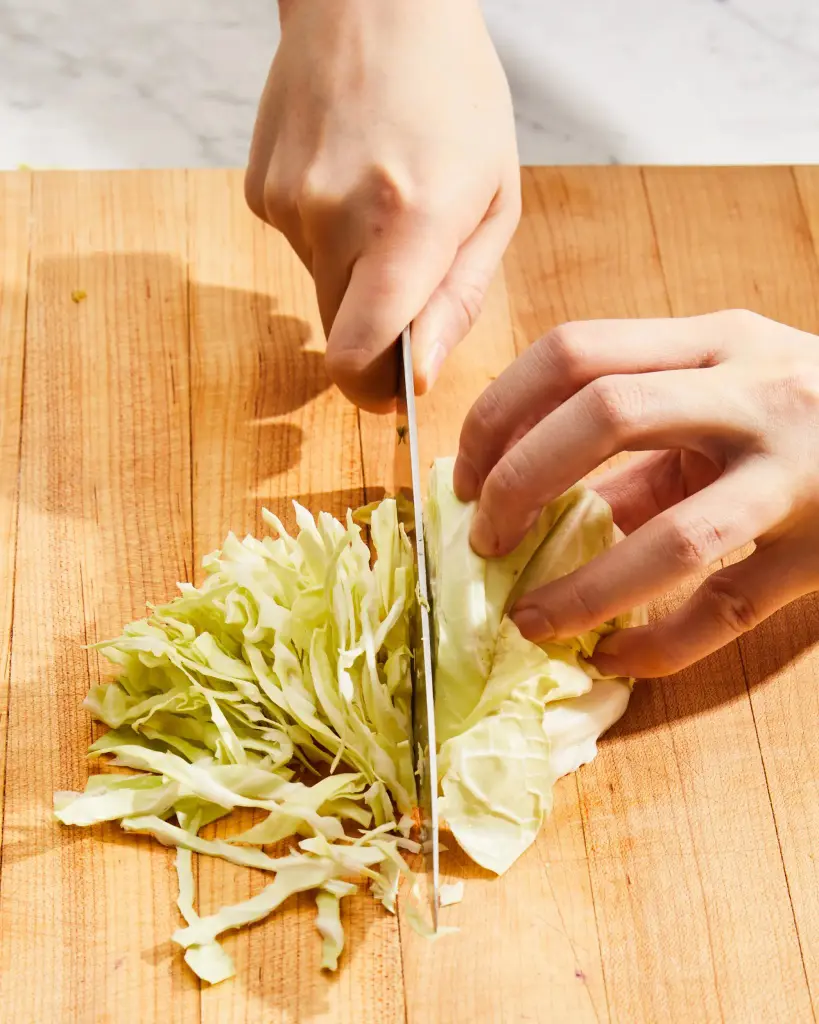
It's time to create those tender shreds with the core removed. Hold your chef's knife in a somewhat inclined position and begin to cut the cabbage in crosswise motions, starting from the wedge tip.
Aim for cuts that are thin and of consistent thickness-slices about 1/8 inch thick are ideal for most recipes. Continue down the wedge with a lively rhythm of cuts, watching your finger placement with attention to safety.
instagram
4. Do the same with the following:
Once you have shredded one wedge, continue with the next. Repeat positioning, removing the core, and shredding for each wedge until all your cabbage has been dealt with.
If you have quite a lot, it may be more convenient to shred in batches to avoid crowding on your cutting board.
How To Shred Cabbage: 3 Ways
Starting with cabbage wedges, you have three effective methods for achieving perfectly shredded cabbage. Each method has different advantages and hence can be chosen based on your kitchen equipment and personal preference.
1. Using a Knife:
instagram
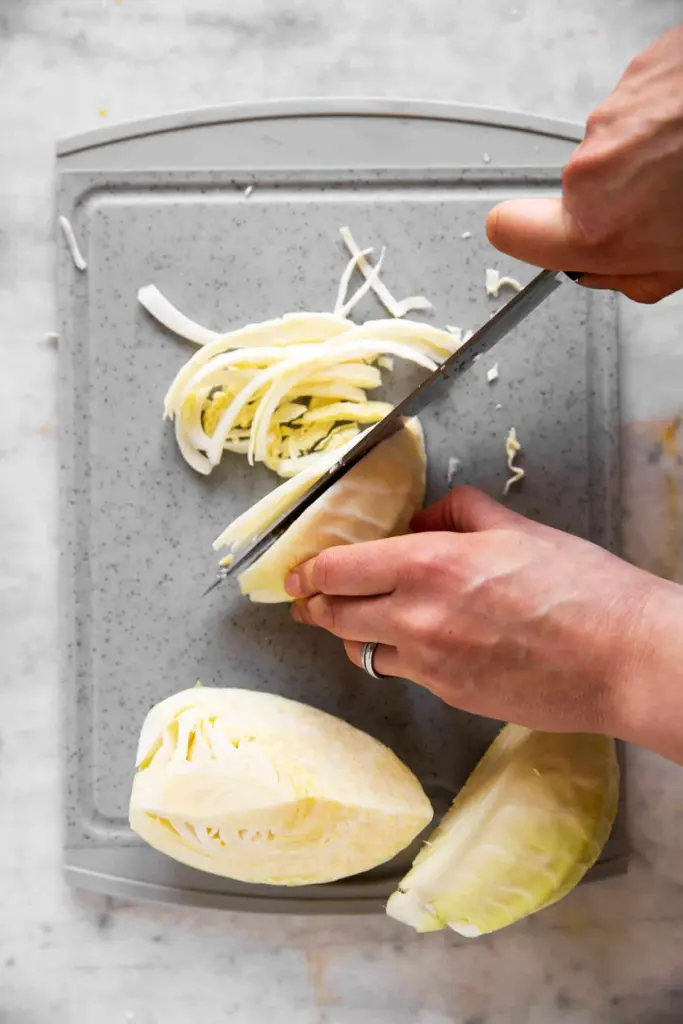
This is the traditional technique that gives great control and requires no special equipment. Start with your cabbage wedges placed firmly on the cutting board. For longer shreds, face the upright edge of the peel, from tip to base, toward you and slice thinly along this edge.
If you wish shorter shreds, then face the lying edge toward you and slice across. Keep the thicknesses of your cuts consistent with each other because you want your pieces to cook at an even pace, resulting in a generally pleasing texture in your finished product.
This way, it is a bit adjustable as one can adjust the thickness of your shred easily.
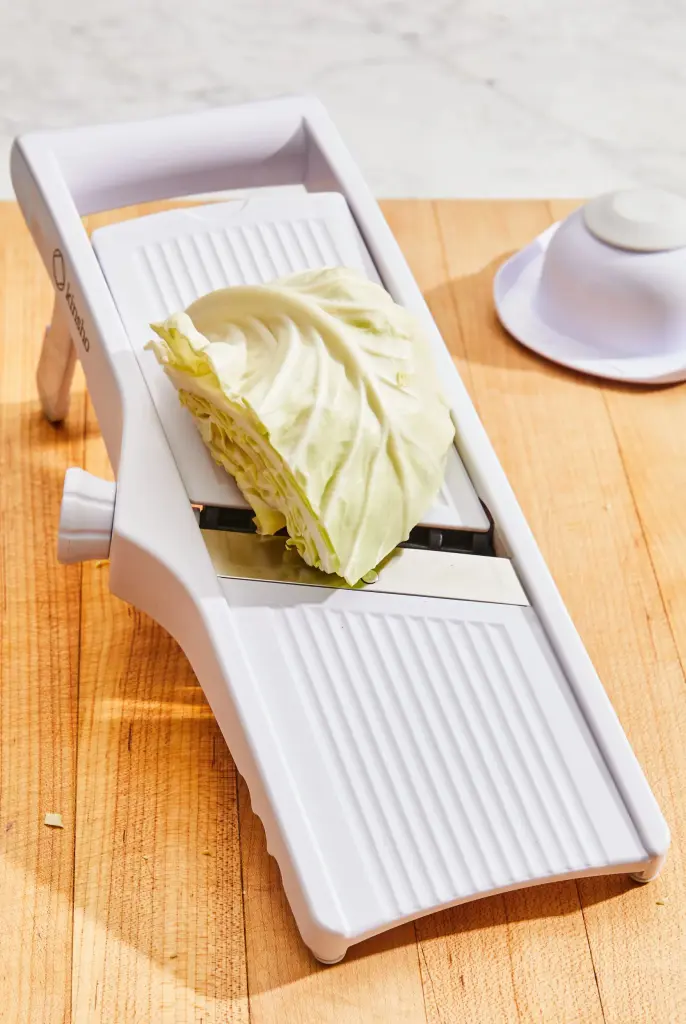
2. Using a mandolin:
instagram
A mandolin provides uniformly thin, even cuts and is useful for those fine shreds quickly. Begin by selecting the blade setting at the thickness you want. Hold the cabbage wedge by its core end firmly and with its cut edge facing down towards the mandolin blade.
Gently slide the wedge down on the blade. After the first several passes, the mandolin will create perfect even shreds. It's important to utilize the safety guard on your mandolin to protect your fingers, at this point, especially as the wedge shrinks in size.
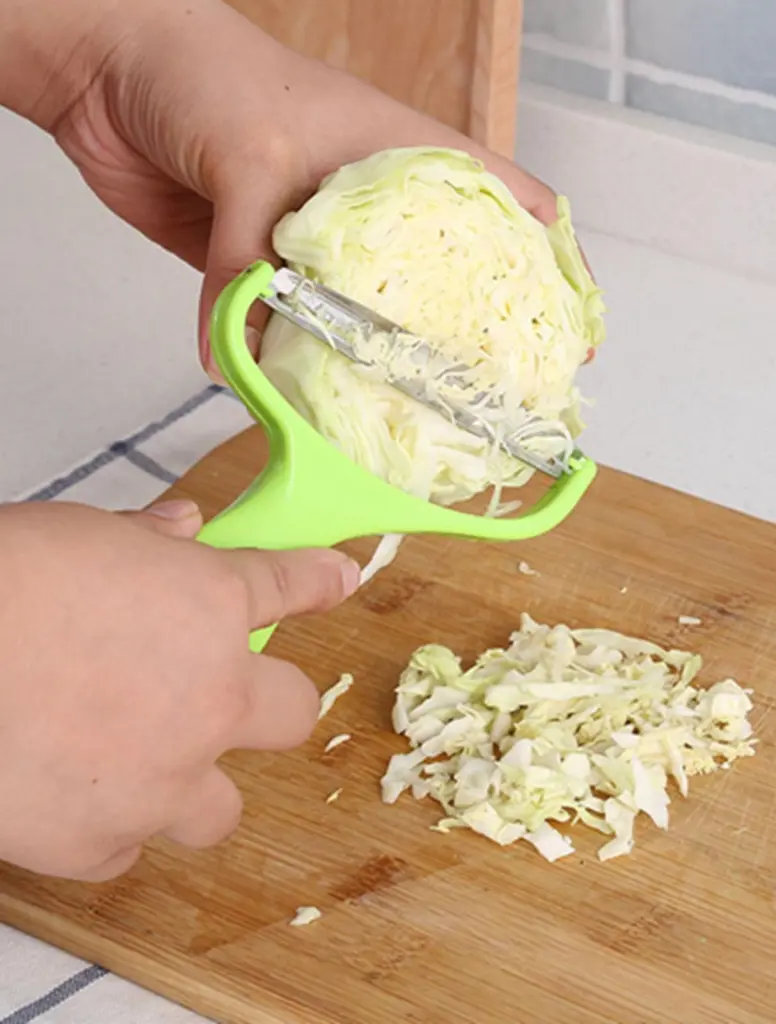
3. With a vegetable peeler:
instagram
This way is especially useful for subtle, ribbon-like contours and is much safer than using a sharp knife. Holding the wedge of cabbage in one hand and with the cut edge (where you removed the core) facing upwards, use your vegetable peeler in your other hand, starting at the coreless cut edge and "peeling" long strips of cabbage.
This will work best on inside layers within the wedge of cabbage. This will be slightly slower, but it makes a very elegant, thin shred for raw salads or as a garnish.
How Do You Store Cut Cabbage
Cut cabbage is best used fresh because it will eventually oxidize and brown. If you can't, there are ways to prevent browning. Wrap tightly in plastic wrap or put in an airtight container before refrigerating.
For added protection against discoloration, you can toss the cut cabbage with a bit of lemon juice before storing it. But even with such precautions, cut cabbage is best used within three days for the best freshness and quality.
How long does cabbage last?
Cabbage is somewhat more sensitive to storage conditions as a whole, because of being cut. A head of cabbage will survive in the refrigerator fairly a couple of weeks, for instance, it is taken care of properly in the crisper drawer.
To extend the shelf life of cabbage, store the whole cabbage in the refrigerator by loosely wrapping it first in plastic. Cut or diced cabbage, on the other hand, has a very small lifespan. Cut-up cabbage is best used within 2-3 days, at most, under refrigeration.
Recipes With Cabbage
instagram
Red Cabbage Slaw: A crunchy salad made with thinly cut red cabbage, often combined with carrots and a tangy dressing. It adds both color and nutrition while being extremely tasty for any meal.
Roasted Cabbage: A roasted cabbage prepared by seasoning wedges to roast until caramelized. This method will cook the vegetable to bring out the intrinsic sweetness and make it tender at the same time.
Healthy Coleslaw: This is a lighter variety of coleslaw, made using a mixture of green cabbage and carrots, dressed with yogurt instead of mayonnaise. A fresh and healthy way to get your serving of coleslaw.
Tomato and Cabbage Soup: A warm, comforting soup that combines shredded cabbage with tomatoes, vegetables, and sometimes ground meat. It should be just what a cold day needs when it awakens and delightfully warms the body, packing much nutrition.
Stuffed Cabbage Rolls: It's one of those dishes that exist across many cuisines and consists of fillings of ground meat, rice, and spices rolled into cabbage leaves and cooked to tenderness in a savory sauce. This is a recipe that requires much effort but returns an equally satisfying and delicious meal.