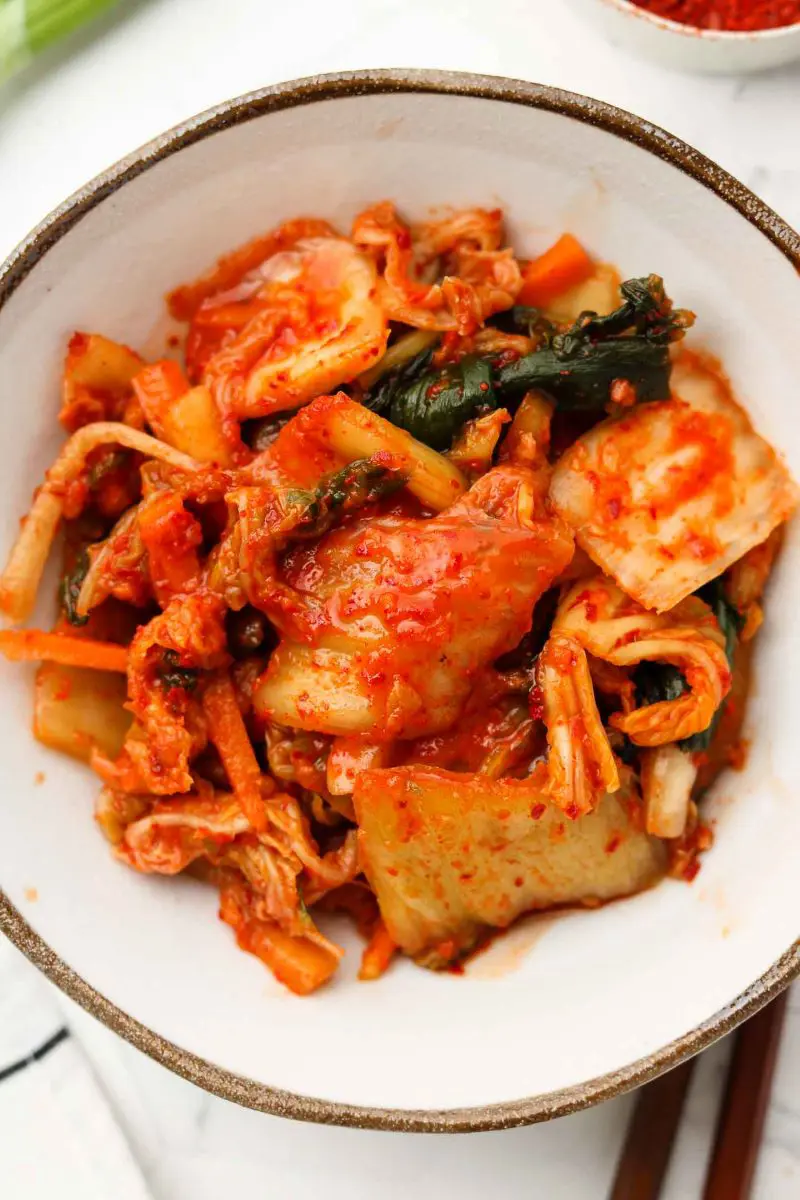
With the surge in K-pop, Korean food has also found a footing in the Western world. We have all heard about kimchi. The seasoned veggie with mostly bright red color, indeed looks yummy, right? This dish must have made you drool.
If you have never tried kimchi before, it is obvious to have curiosity about what it actually is, how it is made, what it tastes like, etc. Whatever your searches are regarding the kimchi, we've included all of them here. Scroll up the article to learn everything about kimchi.
What Is Kimchi?
Kimchi is widely consumed as a side dish or banchan in Korea. The side dish holds a traditional value among koreans. It is prepared by fermenting vegetables. The fermentation process scatters the starch and sugar which helps in preserving the kimchi for a longer time.
This is a staple food that literally pairs well with any other Korean side dishes. The initiation of making kimchi started 1500 years ago. The primary reason behind this is to prevent the veggies from becoming wastage and retain them for future use.
What Is Kimchi Made Of?
instagram
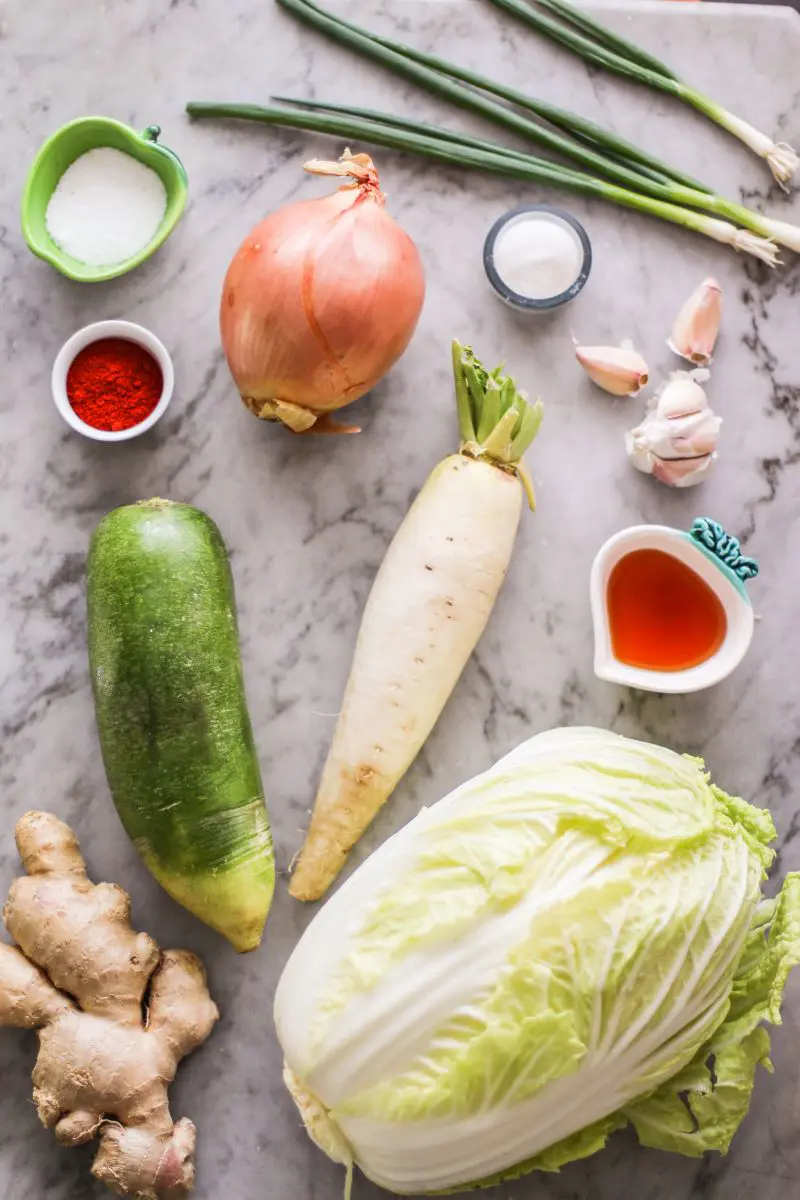
Kimchi is made from a combination of veggies along with various seasonings. The main ingredient is Napa cabbage which is mixed with red chillies, salt, garlic, ginger, fish sauce, and some sesame seeds for garnishing.
The inclusion of the main vegetable may vary depending on people's liking. The primary vegetables could be napa cabbage, green onion, reddish, cucumber, etc.
Additionally, the selection of seasonings also varies from person to person. Since there is not a single way to make kimchi ready, the whole process can be modified, especially the ingredients.
What Are The Variations Of Kimchi?
Kimchi has a lot of variety. It is because people started making kimchi to preserve the veggies and prevent wastage. Whenever there is a season for veggies like cabbage, cucumber, reddish, green onions, and mustard leaf, people use those veggies for preservation. That's how several variations of kimchi were invented.
Some of the popular variations of kimchi are:
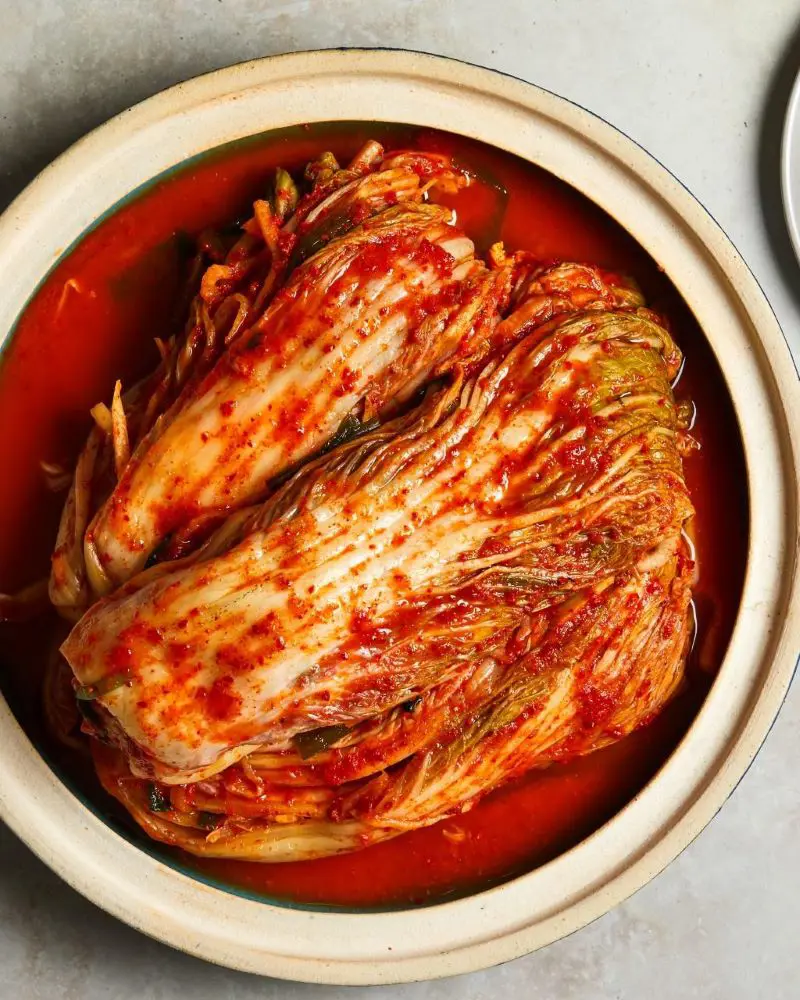
Napa cabbage kimchi
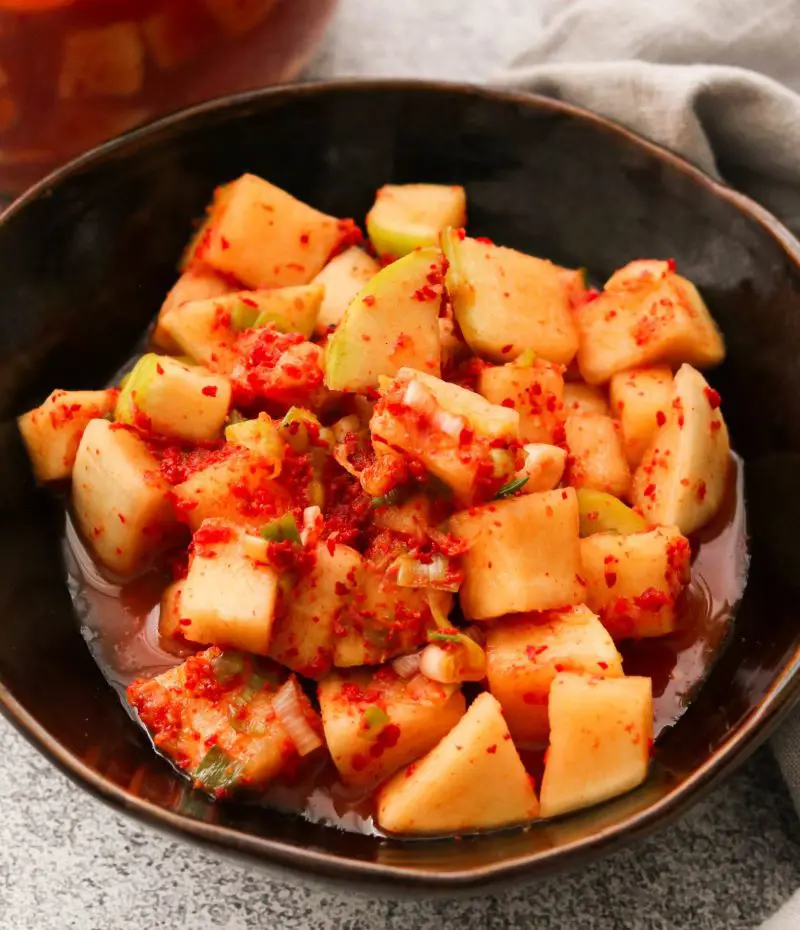
Cubed radish kimchi
White kimchi
Green onion kimchi
Cucumber kimchi
Red water kimchi
Radish water kimchi
Mustard leaf kimchi
Wrapped kimchi
These various kimchi offer different and unique flavors, which give the cultural vibes of Korea.
What Does Kimchi Taste Like?
instagram
This traditional Korean side dish is made with the use of various seasonings. The seasonings include red chilies, salt, black pepper, fish sauce, and many more. These seasonings give flavors based on their nature. Here, kimchi primarily has a spicy, a bit tangy, and sour flavor.
The spiciness comes from red chilies, and earthy green raw veggies release a tangy flavor. Whereas the whole fermentation process brings out a slightly sour flavor to the kimchi.
Besides the flavor, kimchi has a crunchy and chewy texture. Since the kimchi is not cooked in the gas rather it goes through fermentation or the dissolving of ingredients with seasonings. This process makes the veggies crunchy and slightly chewy retaining their original green and raw texture.
Kimchi might be the best side dish for you if you like enjoying spicy and sour taste based food.
Is Kimchi Supposed To Be Spicy?
Since the kimchi looks slightly red due to added seasonings. People think that it must be too spicy just by looking at its appearance. Your thinking is correct to some extent because the famous Korean banchan is usually spicy.
However, you don't need to fear in case you don't like spicy foods because this side dish can also be prepared without making it spicy.
How much spicy you want your kimchi to be completely depends on your choice. If you like it to be mildly spicy, use red chilies according to that. Whereas, add the chillies in a larger amount if you prefer the kimchi to be super spicy. You can adjust the amount of spicy based on your choice.
How To Eat Kimchi?
instagram
You know what's best about kimchi? It's that you can eat it with any side dishes like rice, tofu fry, roasted meat, and so on. There is no hard-and-fast rule for this. Let's explore some side dishes to serve with kimchi:
Kimbap
Kimbap is one of the popular side dishes in Korea. But these days it has been everyone's favorite in the western part. This dish is made from fillings. The fillings for kimbap are prepared from steamed rice and kimchi.
You can use your kimchi to add as a part of the stuffings for kimbap along with other dishes like maki rolls and sushi rolls.
Grilled or roasted meats
The sour, tangy, and spicy kimchi has been a great choice to serve with grilled or roasted meats. The distinct flavor of kimchi cut through the meaty richness. You will enjoy the blend of flavors. Also, it helps to digest the meat quickly due to its fiber and probiotics content.
Noodles
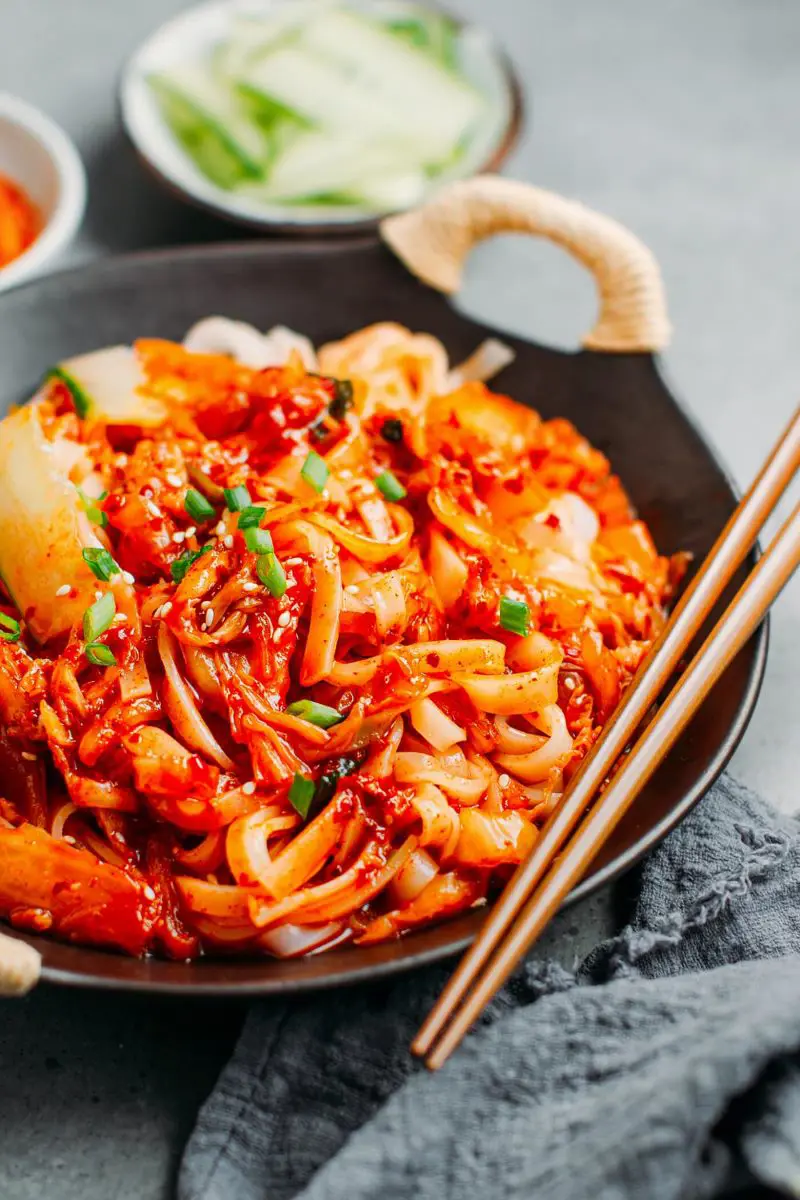
These days noodles have become a top choice for everyone to enjoy during lunch. Sometimes noodles alone may not taste that good. What you can do is add kimchi to it. The savory flavor of kimchi alleviates the softness and warmth of noodles.
Soups
Not everyone may like the boring flavor of soup. To make it interesting, you can add some fermented kimchi. This introduces more flavors like spicy, salty, sour, and tangy. Adjust the seasonings based on your taste. This way you can bring life to your dull soup.
Rice
Rice is a comfort food for many. The reason is its instant readiness and no extra hours of preparation to make it. Steamed rice goes well with flavorful kimchi. This satisfies your hunger in a second and keeps full for a longer time.
Is Kimchi Healthy?
From its outer appearance kimchi may not look like that of a healthy side dish. But to your surprise, it is actually very healthy. The reason is green raw veggies used to make it.
Vegetables like cabbage, green onions, cucumber, and so on are very excellent sources of essential nutrients. Vitamins, minerals, and antioxidants are found in those fresh veggies. All these nutritional contents work as promoters of your health.
Let's know some of the health benefits that you can experience from the use of kimchi:
Helps with digestion
The green veggies used in kimchi contain a good amount of fiber and probiotics. These two essential contents help to smooth out the digestion process and also minimize the risk of gastric. This happens when probiotics fight with harmful microbes and clear out the acidic levels.
Supports immune health
Kimchi has antioxidant properties. This helps to protect and strengthen the cells in the body. It also removes or deactivates the harmful free radicals. As a result, this helps to boost our immune health. Additionally, the vitamin C component in kimchi further contributes to supporting immune health.
Protects your heart
It is good to include kimchi as a part of your daily diet. This helps to avoid the risk of heart-related diseases.
Green vegetables like cucumber and cabbage have important nutrients including antioxidants, fiber, and vitamins. They are very useful to protect your heart which is possible by balancing the blood pressure and controlling the sugar levels in the blood.
Helps with weight loss
Weight gain is slowly becoming an issue these days. Now, if you happen to be one of those people looking to lose weight and are in real need of some kind of contributor to the process, include kimchi in your diet. Let me tell you what it does.
Kimchi is made from green raw veggies which are low in calories and filled with essential nutrients. This helps to provide you with energy without making you feel bloated. Since the calorie count is low, even if you eat an extra portion this won't any fat to your body.
Healthy skin and hair
The antioxidants filled kimchi have been said to help your skin and hair healthy. What it does is simply fight against harmful bacteria and provide strength to the cells. This helps to make your skin look more clear and healthy.
Additionally, the enough amount of nutrients in the kimchi helps to supply a certain percentage of daily nutritional value to your body. This further contributes to promoting skin and hair health.
Kimchi Recipes
You have come to the right page if you're a first-timer looking for ways to make kimchi. Whatever inspired you for this, whether it's a K-drama or just want to utilize raw veggies, look for the below kimchi recipes:
Napa cabbage kimchi
instagram
Nappa cabbage kimchi is one of the most prepared kimchi in Korea. This kimchi is prepared during its seasonal time when it grows in plenty. It can be made by using ingredients like fresh napa cabbage, salt, red chili flakes, garlic, fish sauce, and sugar.
Cut the cleaned cabbage and soak them in salted water for about 30 minutes. Throw that water, add all the ingredients, and mix well. The cabbage needs to be seasoned well.
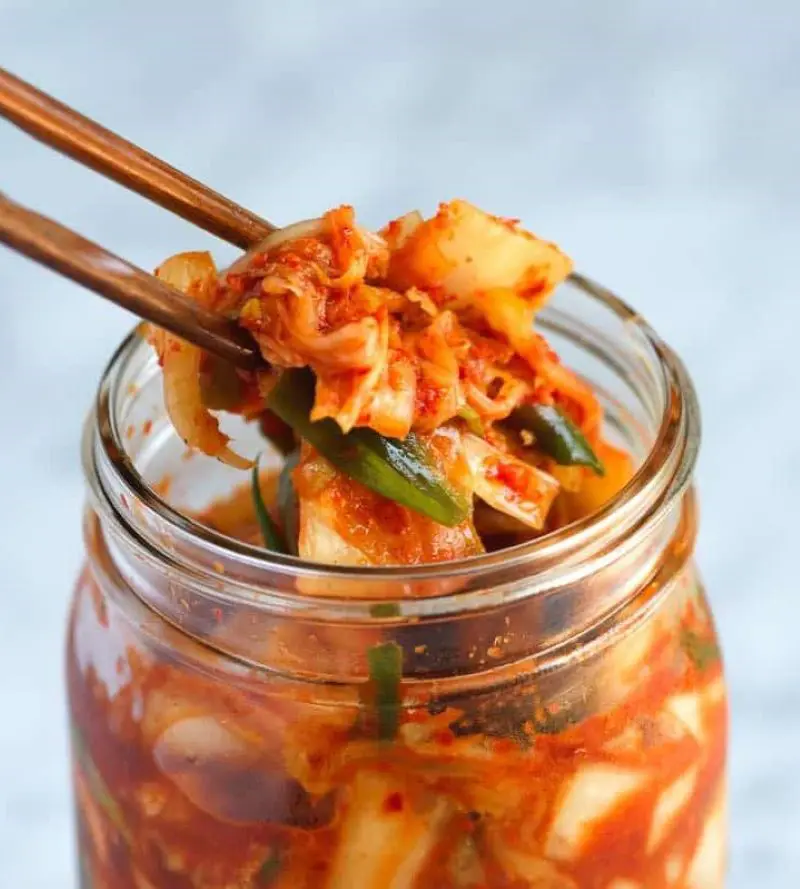
Now, put the seasoned cabbage in a sealable plastic bag or airtight container and keep it in the fridge. The whole fermentation process takes around 2-3 weeks in the refrigerator.
Green onion kimchi
Green onion kimchi is also called Pa-kimchi in Korea. This is made from a whole green onion without chopping its white parts. Gather ingredients like garlic, salt, fish sauce, sugar, sweet rice flour, and Korean hot pepper flakes to prepare this kimchi. Prepare the mixture in a bowl and turn it into a thick paste.
In a large pot, clean the green onions and soak them in the salted water for about 30 minutes. Throw the water, add the mixture, and blend well using your hand. Transfer the seasoned onion to an airtight container and place it in the fridge for fermentation. This takes usually 2 weeks to be ready.
Cubed radish kimchi
instagram
This kimchi mainly includes fresh radishes along with some seasonings. It is often severe with other Korean dishes including cabbage kimchi. Just collect ingredients like Korean radish, salt, sugar, fish sauce, Korean hot pepper flakes, chopped green onions, minced garlic, and minced ginger.
Peel the radish and clean it with water. Then, dry it out with a paper towel. Using a sharp knife cut the radish into cubes of choice and add salt and sugar in a bowl along with cubed radish. Mix well and let them sit for 30 minutes. Drain the radish and place it in a bowl.
Just after draining, add all the gathered ingredients to that bowl and mix well using your hand. Transfer the seasoned radish to an airtight container and place in the fridge. It can be eaten right away. Or you can leave it to ferment for a few days outside the fridge.
Cucumber kimchi
This kimchi has a Korean name, Oi Kimchi. This is usually made during the summer season. The making process is easy.
Wash and chop the cucumber. Add salt, and sugar and mix well. Allow the mixture to sit for 30 minutes. Drain the cucumber and pour into a bowl. Mix the seasonings (salt, carrots, garlic chives, Korean chili flakes, fish sauce, ginger, and garlic) in a small bowl and turn it into a thick paste.
Now, add all the seasonings and ingredients, and mix well until the chopped cucumbers are seasoned well. Fill an airtight container with seasoned cucumber and leave it at room temperature for 6-8 hours. Then you can transfer it to the fridge.
FAQ
Does kimchi have a fishy taste?
You may experience a slightly fishy taste in kimchi. This happens because of the use of fish sauce in it. Not all kimchi are made with fish sauce. But in the majority, you can find a fishy taste.
Does kimchi taste like pickles?
Kimchi doesn't taste exactly like pickles. It has a spicy, tangy and slightly sour taste. However, first timer may relate the flavor of kimchi with pickles. Once you start eating more frequently, you can tell kimchi doesn't taste like pickles. Both side dishes have their own distinct flavors.
What does kimchi look like?
Kimchi looks slightly red with all the seasonings all over it. The red is there due to the use of red chili flakes or powder. This makes the kimchi look like it's too spicy. However, there are some kimchi that are white. This happens if you skip the use of red chili powder in it.
Does kimchi taste like sauerkraut?
Kimchi tastes like sauerkraut to a certain level. Because sauerkraut goes through the fermentation process. This process brings a mild sour and salty flavor similar to that of kimchi. The remaining flavors of kimchi are beyond the match of sauerkraut.