There are endless options available in the dairy aisle, and two that have bewildered people are heavy cream vs heavy whipping cream. Both of them have similar names, appearances, and labels and are always placed next to each other on store shelves, which confuses even a professional cook.
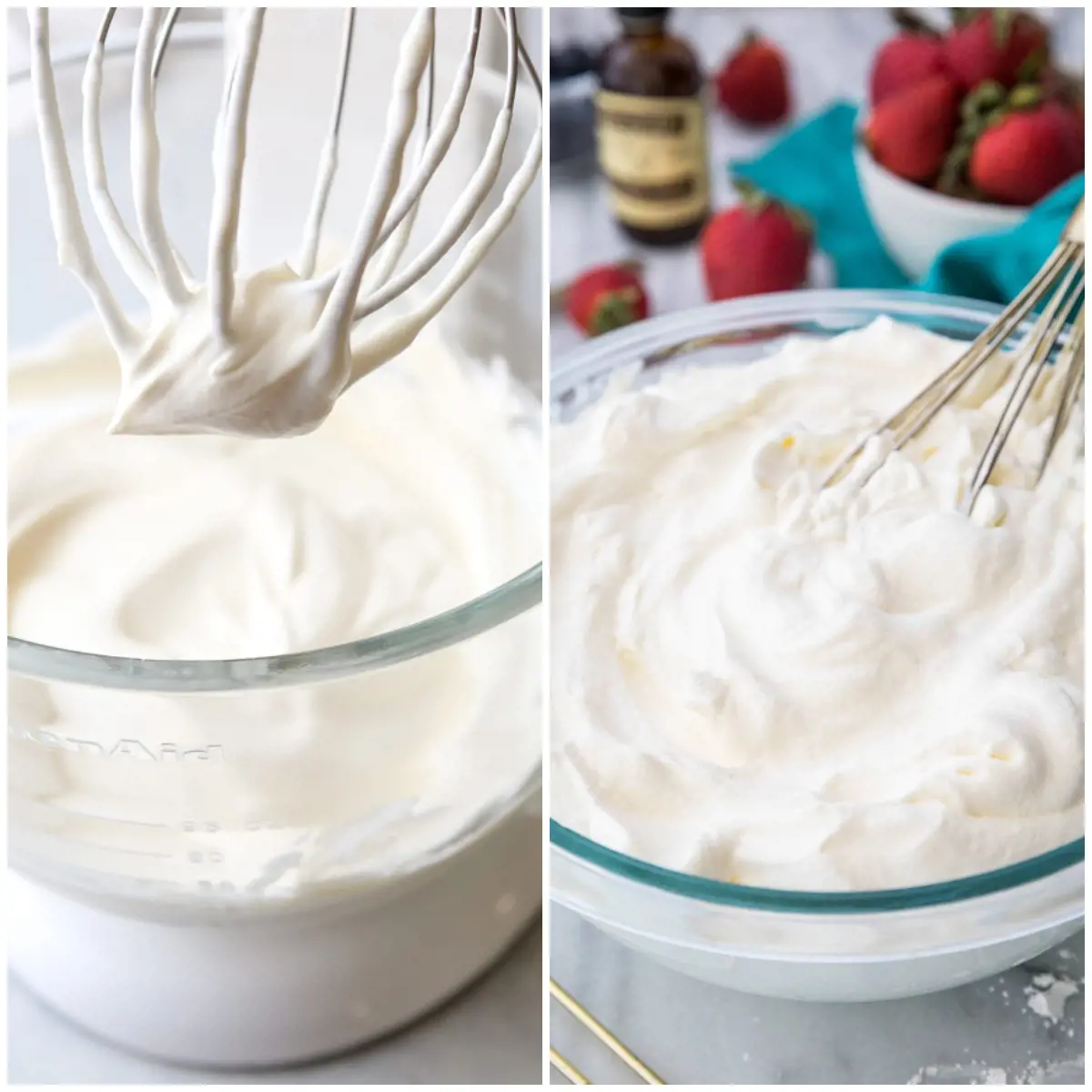
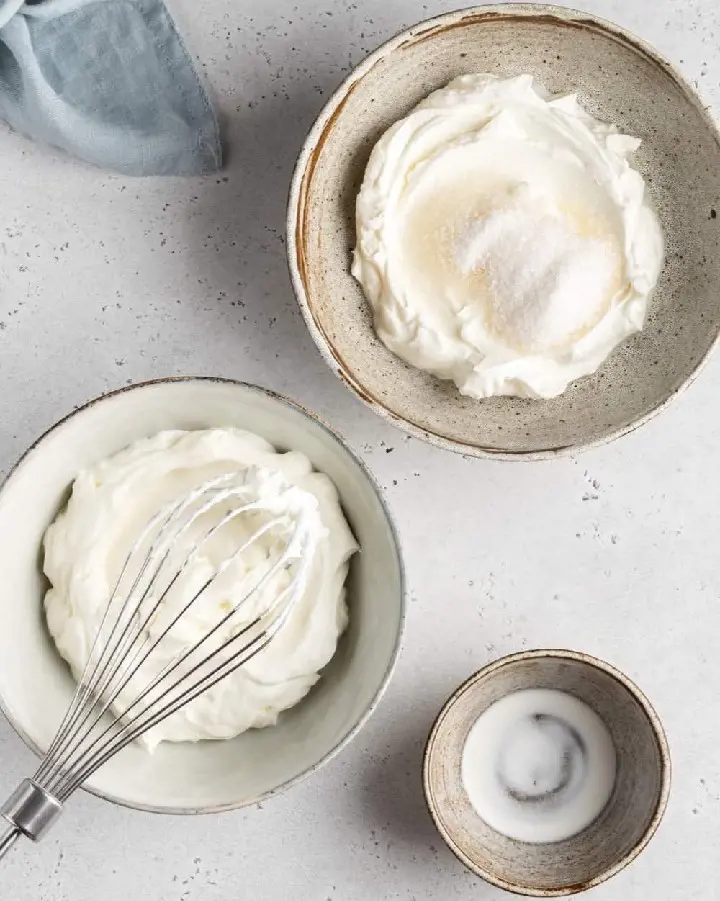
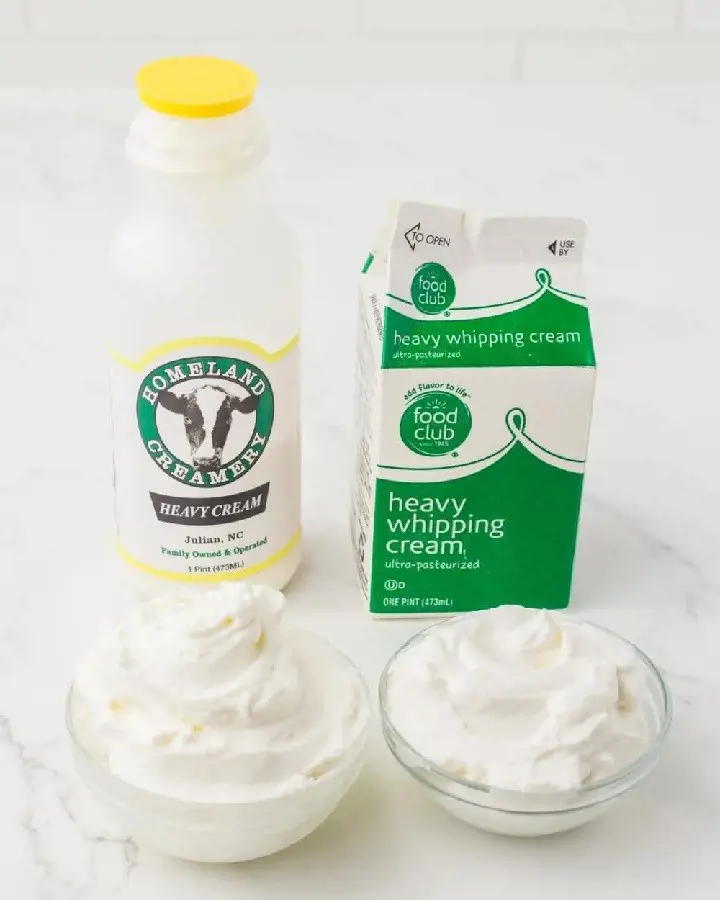
Both of them can also be used interchangeably to make whipped cream. Heavy cream results in a sturdier whipped cream that holds its shape longer. Meanwhile, the whipping cream from heavy whipping cream is lighter and softer.
Despite their many similarities, heavy cream and heavy whipping cream are different. Here are ten key differences that you should know about.
Fat Content
instagram
Both heavy cream and heavy whipping cream begin with whole milk. The main difference is the fat content is because of standardization.
Heavy cream contains at least 36% milk fat, often exceeding 40% in some brands. This is because whole milk is centrifuged for fat-rich cream and skim milk. Manufacturers then add back some skim milk or remove some of the fat until the separated cream reaches a minimum of 36% milk fat. This process ensures consistent quality and fat content across batches.
For heavy whipping cream, some manufacturers may standardize down slightly, keeping the fat content between 30% and 36%, or may not standardize at all, resulting in heavy whipping cream with naturally fluctuating fat content within this range. The 5% difference might seem insignificant, but it impacts texture and functionality.
Texture
instagram
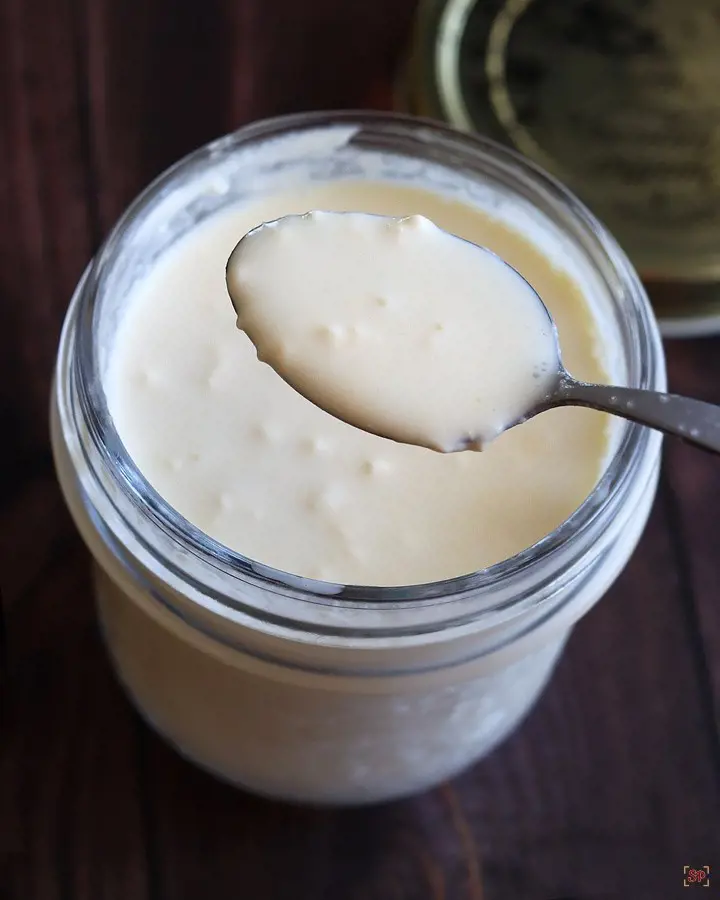
Heavy cream is thick, dense, rich, and slightly reminiscent of a thick honey. The higher fat content traps air and creates a thicker, smoother consistency. When you taste it, it feels rich and luxurious and coats your tongue, leaving a satisfyingly creamy linger.
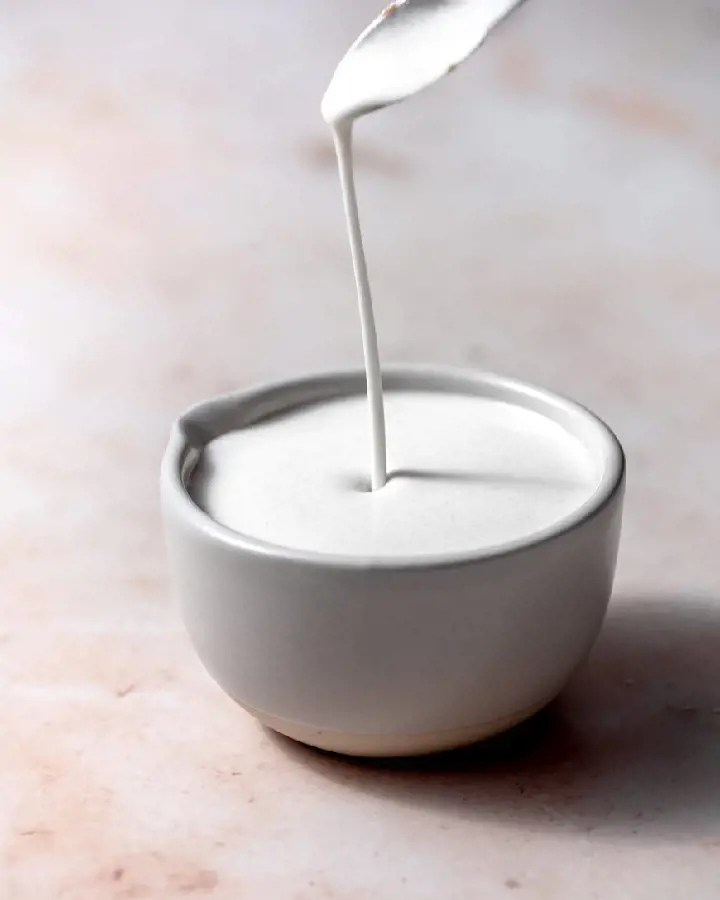
As for heavy whipping cream, it is lighter and airier compared to heavy cream. The slightly lower fat content (30-36%) creates a slightly less viscous texture, allowing more air incorporation. It is less decadent than heavy cream, offering a more delicate and airy sensation.
Whipping Ability
instagram
The difference in fat content between heavy cream and heavy whipping cream leads to distinct whipping abilities.
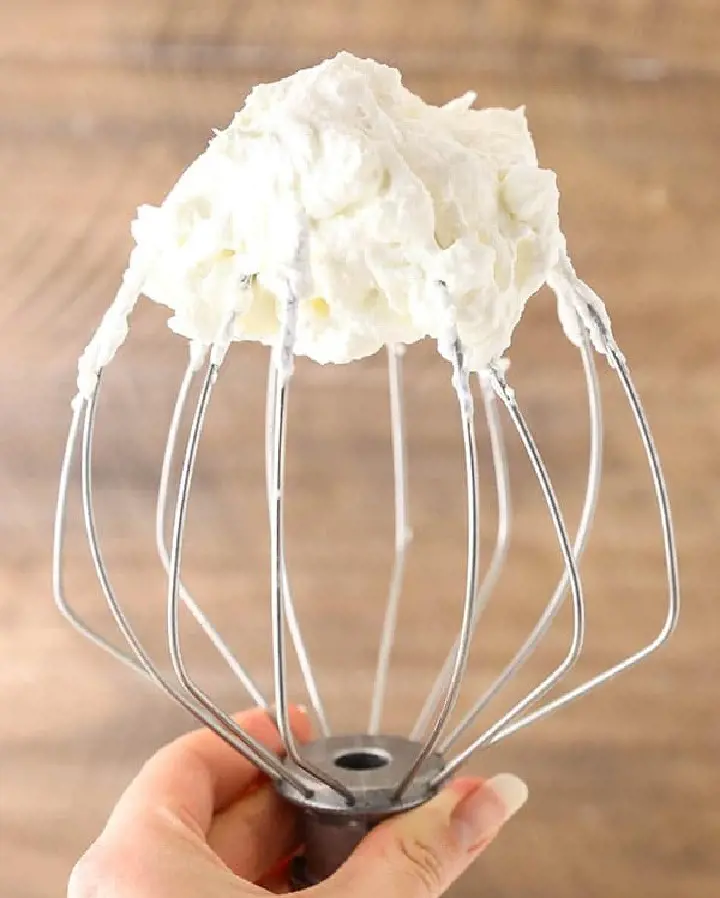
Heavy cream excels at whipping because of its higher fat content. The fat stabilizes and traps air bubbles, resulting in stiff, firm peaks that hold their shape beautifully. Think dollops that proudly adorn cakes and pastries. The higher fat content also contributes to faster whipping. Less effort is needed to achieve the desired consistency.
Heavy whipping cream is also whippable but produces softer, less stable peaks because of lower fat content. The slightly lower fat content means fewer "stabilizers," resulting in airier but less defined peaks. It may take slightly longer to whip heavy whipping cream to the desired consistency due to the decreased stabilizing effect of the fat.
Culinary Applications
instagram
Both heavy cream and heavy whipping cream add richness and creaminess to dishes, but their subtle differences make them better suited for distinct culinary applications. Heavy cream can be used in sweet and savory dishes because of its rich and thick texture. You can enrich a creamy tomato sauce, create a smooth, decadent base for quiches, or add creaminess to carbonara. You can also use it to top cakes and pastries and enhance mousses and frostings.
On the other hand, heavy whipping cream can only be used in desserts. It provides a lighter, airier texture in mousses and parfaits and adds richness without overwhelming delicate flavors in fruit-based desserts. You can also create fluffy, soft peak whipping cream to top cakes.
Flavor
instagram
Heavy cream has a richer, deeper dairy flavor that coats the tongue and leaves a satisfyingly creamy linger. As for heavy whipping cream, it has a milder dairy flavor. It is lighter on the palate and tastes closer to whole milk with a hint of sweetness. However, unless you are an expert, you might not be able to discern the nuanced flavor differences between the two in a blind taste test.
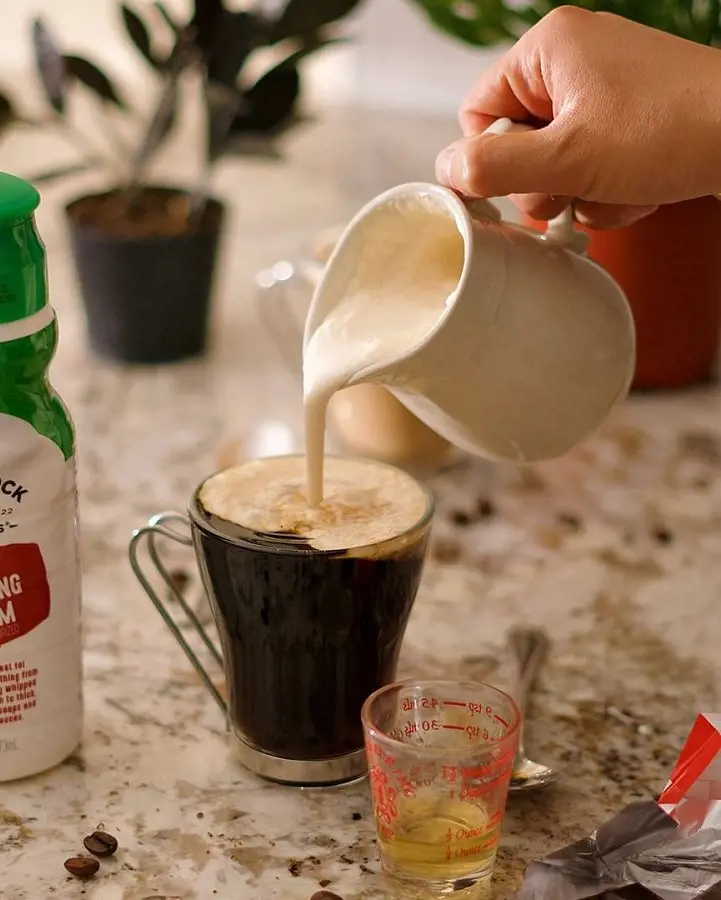
However, the flavor differences become more apparent in some situations, like using the creams as a coffee creamer. Heavy cream adds a bolder, more decadent touch to coffee, while heavy whipping cream makes the coffee lighter and creamier. Also, depending on the quality and type of milk used (e.g., grass-fed cows) and sweeteners like a touch of sugar or stabilizers, there might be subtle differences in the flavor of both.
Nutritional Profile
instagram
Heavy cream and heavy whipping cream have almost the same nutritional composition except for their fat content, which also affects the calorie content.
One tablespoon (15 mL) of heavy cream has:
Calories: 51
Fat: 5.4 grams
Protein: 0.4 grams
Carbs: 0.4 grams
Sugars: 0.4 grams
The same amount of whipping cream (15 mL) has:
Calories: 44
Fat: 4.6 grams
Protein: 0.3 grams
Carbs: 0.4 grams
Sugars: 0.4 grams
Additionally, both creams contain fat-soluble vitamins such as vitamins A and E, which are essential for the body, but they are also high in saturated fat. These are unhealthy fats that have been linked to an increased risk of cardiovascular disease. Therefore, consider consuming them in moderation.
Substitutability
instagram
As mentioned before, heavy cream can be used in savory and sweet dishes, but if you don’t have any, these are some substitutes you can use. For savory dishes, you can use equal parts whole milk and melted butter, evaporated milk, equal parts sour cream and milk, or cornstarch thickener. For sweet dishes, you can use full-fat coconut cream, cashew cream, 3/4 cup soy milk with 1/4 cup olive oil, silken tofu with milk, or whipped silken tofu.
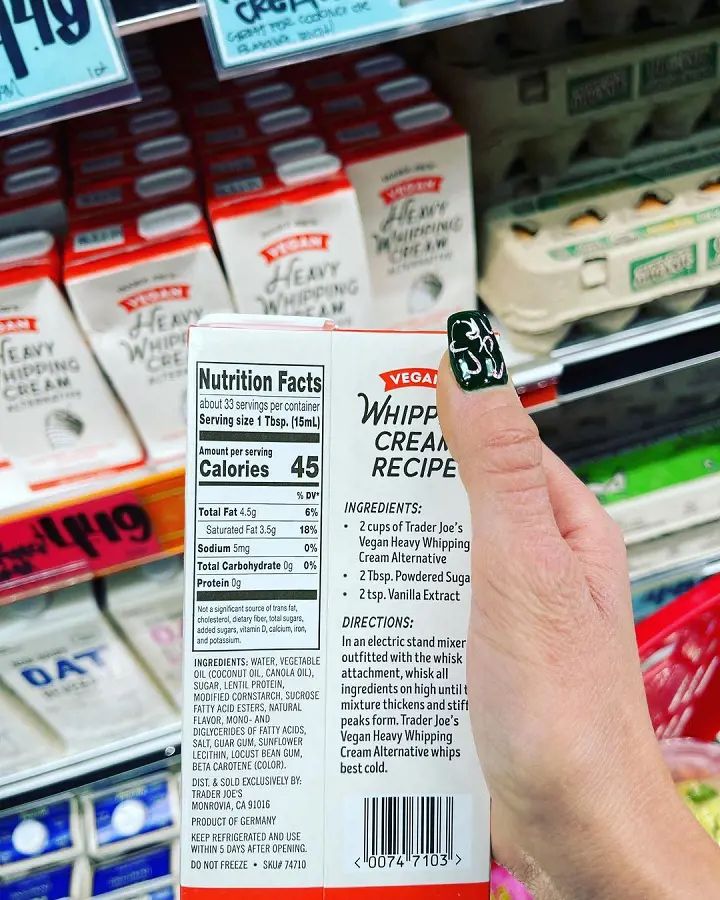
For heavy whipping cream, you can use coconut cream, cashew cream, aquafaba, whipped tofu, or fruit purees for sweet dishes, and for savory dishes, use Greek yogurt, avocado, or hummus.
Shelf Life
instagram
Heavy cream and heavy whipping cream only lasts up to 7 to 10 days when opened, but unopened heavy cream lasts 30 days in the refrigerator, while heavy whipping cream lasts up to 21 days in the refrigerator. Do note that both must be properly stored in a cold refrigerator (below 40°F), as exposing them to warmer temperatures speeds up bacterial growth and spoilage.
Most of us usually look at the expiration date to understand if they are spoiled, but they are not always the best indicator. Both of them should not have signs of rancid smell, discoloration (yellowing, clumping), or changes in texture (thinning, curdling) if they are usable. They should have a clean, creamy taste and should not be sour or bitter.
Availability and Price
instagram
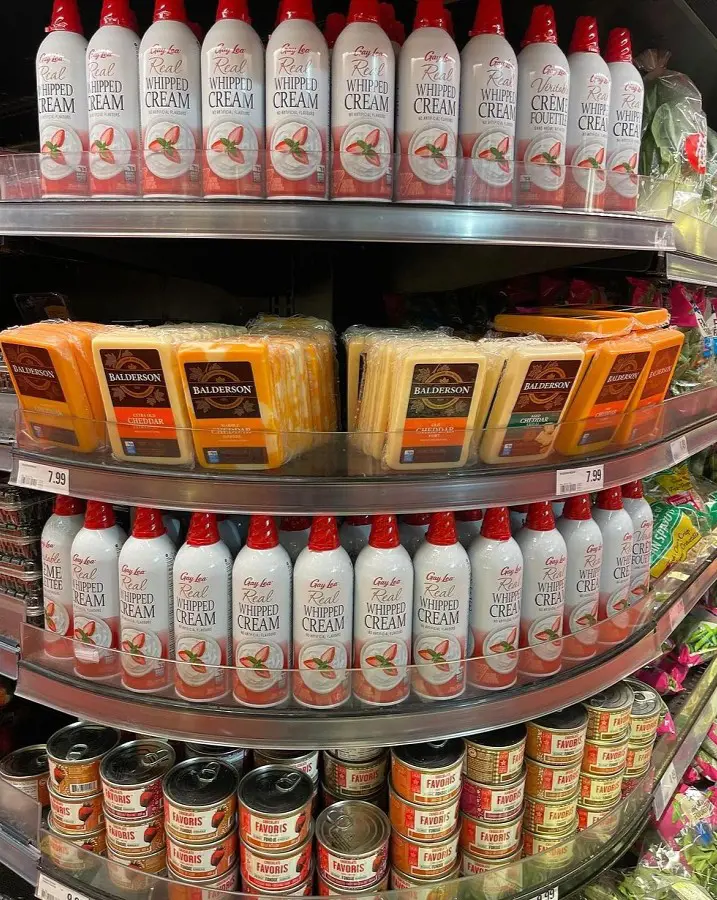
Heavy cream is generally more widely available in most grocery stores in the dairy section near milk and other cream products. Meanwhile, heavy whipping cream may be less readily available or only offered in specific brands. They are sometimes found near heavy cream, dairy sections, or specialty baking shelves.
In terms of price, heavy cream is slightly cheaper than heavy whipping cream per unit volume, but it can vary depending on brand, fat content (heavy creams can be more expensive if they have a higher fat content), and store promotions. Heavy whipping cream is more expensive due to its perceived specialization for desserts and whipped toppings.
Which one should you choose?
instagram
Choosing between heavy cream and heavy whipping cream ultimately depends on your needs and recipe requirements.
You should choose heavy cream when you want something that works well in sweet and savory dishes, for thickening sauces, adding richness to sauces, and creating thicker, firmer whipped cream. Heavy cream is also better if you want something more affordable. Do not opt for heavy cream if you are making lighter and airier desserts.
Heavy whipping cream is better if you are creating soft, airier whipped cream for desserts and toppings, want a mildly sweet flavor and less overpowering than heavy cream, and only need it for whipping and not thickening. Do not choose this if you want something more affordable or stiff whipped peaks to top desserts.