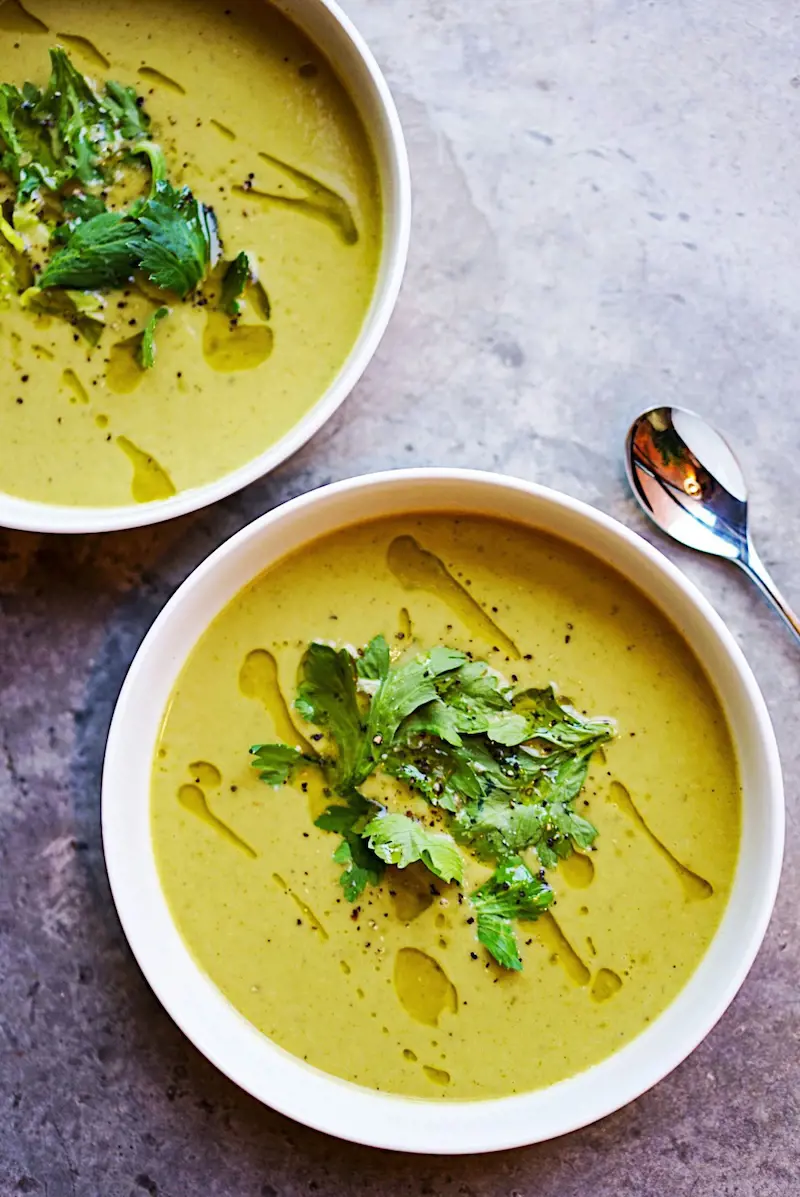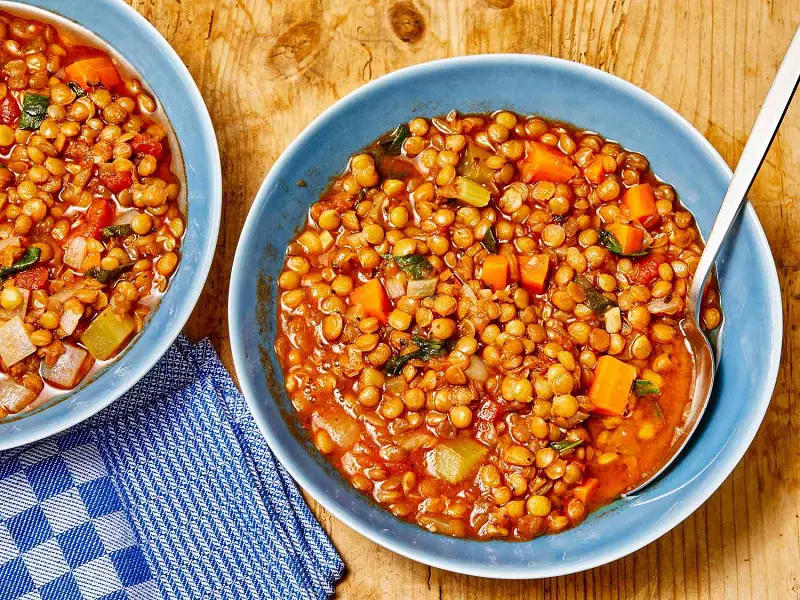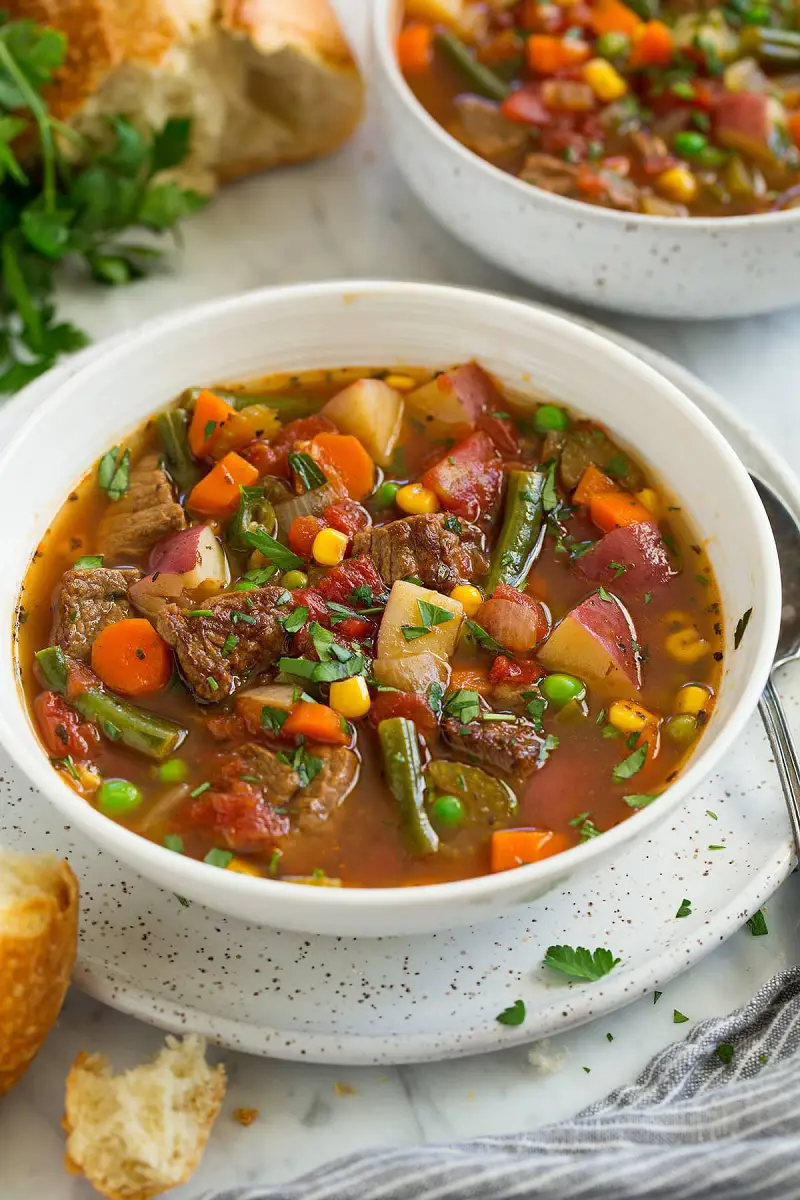
Vegetable beef soup is a beloved dish that offers a perfect blend of rich, savory flavors and wholesome nutrition. Its history reflects a tradition of resourcefulness and comfort, while its variations showcase the diverse culinary traditions of different cultures.
In this article, we will delve into the history of vegetable beef soup, its nutritional benefits, variations from around the world, and a detailed recipe to make your own delicious pot of this hearty soup.
Introduction
Vegetable beef soup is a timeless classic that combines the rich, savory flavors of tender beef with a colorful medley of fresh vegetables. This comforting and nutritious dish has been a staple in many households for generations, providing warmth and nourishment, especially during the colder months.
Its versatility and the variety of ingredients that can be used make it a favorite among home cooks and chefs alike. Whether enjoyed as a simple weeknight meal or a hearty dish to warm up a cold day, vegetable beef soup remains a timeless favorite.
Enjoy the process of making and savoring this nourishing dish, and let it bring warmth and comfort to your table.
Recipe: Classic Vegetable Beef Soup
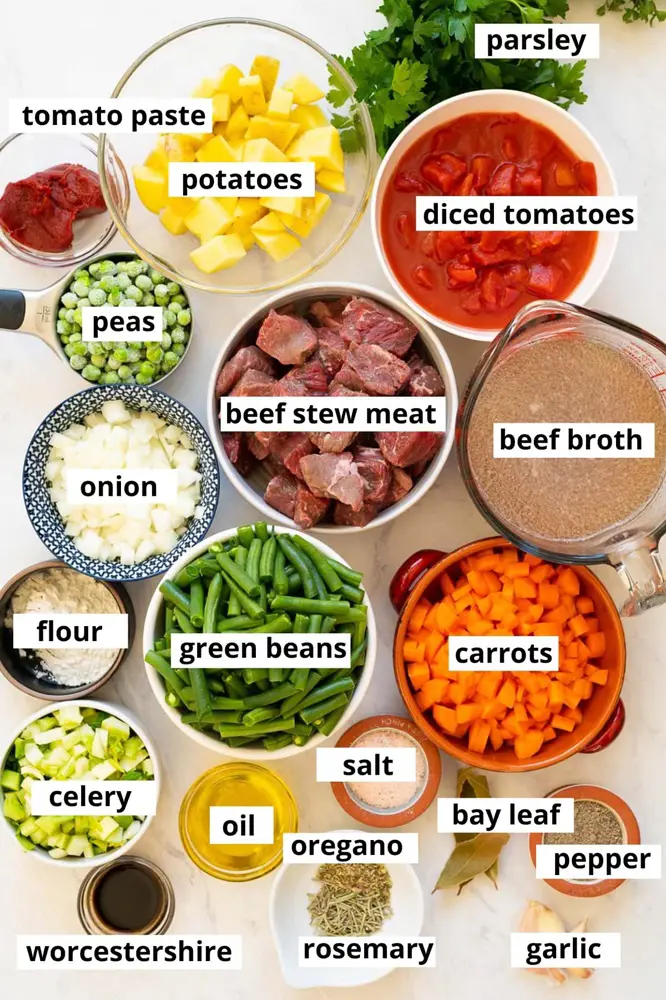
Now that we’ve explored the history, nutritional benefits, and variations of vegetable beef soup, let’s dive into a detailed recipe for making a classic version at home. This recipe is versatile and can be adjusted based on your preferences and the ingredients you have on hand.
Ingredients
- 1 pound beef stew meat, cut into bite-sized pieces
- 2 tablespoons olive oil
- 1 large onion, diced
- 3 cloves garlic, minced
- 4 cups beef broth
- 2 cups water
- 3 large carrots, sliced
- 3 celery stalks, sliced
- 4 medium potatoes, diced
- 1 can (14.5 ounces) diced tomatoes
- 1 cup green beans, trimmed and cut into 1-inch pieces
- 1 cup frozen peas
- 1 cup corn kernels (fresh, frozen, or canned)
- 1 teaspoon dried thyme
- 1 teaspoon dried oregano
- 1 bay leaf
- Salt and pepper to taste
- Fresh parsley, chopped (for garnish)
Instructions
-
Brown the Beef: In a large pot or Dutch oven, heat the olive oil over medium-high heat. Add the beef stew meat and brown it on all sides. This should take about 5-7 minutes. Remove the beef from the pot and set it aside.
-
Saute the Aromatics: In the same pot, add the diced onion and cook until it becomes translucent, about 5 minutes. Add the minced garlic and cook for another minute, until fragrant.
-
Add Broth and Water: Pour in the beef broth and water, scraping up any browned bits from the bottom of the pot. This deglazing step adds depth to the soup's flavor.
-
Add Vegetables and Seasonings: Return the browned beef to the pot. Add the carrots, celery, potatoes, diced tomatoes (with their juice), green beans, dried thyme, dried oregano, and bay leaf. Stir to combine.
-
Simmer: Bring the soup to a boil, then reduce the heat to low and let it simmer for about 1 to 1.5 hours, or until the beef is tender and the vegetables are cooked through.
-
Add Final Ingredients: In the last 10 minutes of cooking, add the frozen peas and corn kernels. Season the soup with salt and pepper to taste.
-
Serve: Remove the bay leaf before serving. Ladle the soup into bowls and garnish with freshly chopped parsley.
Tips for Making the Best Vegetable Beef Soup
-
Use Quality Ingredients: Opt for fresh, high-quality vegetables and beef for the best flavor. Grass-fed beef can provide a richer taste and more nutrients.
-
Cut Ingredients Uniformly: Cutting the vegetables and beef into similar-sized pieces ensures even cooking and a better eating experience.
-
Sear the Meat: Browning the beef before adding it to the soup develops a deeper, more complex flavor.
-
Don’t Overcook the Vegetables: Add delicate vegetables like peas and corn towards the end of the cooking process to prevent them from becoming mushy.
-
Adjust Seasonings: Taste the soup as it cooks and adjust the seasonings as needed. Adding a splash of vinegar or a squeeze of lemon juice at the end can brighten the flavors.
-
Make it Ahead: Vegetable beef soup often tastes better the next day as the flavors have more time to meld. It also freezes well, making it a convenient meal for busy days.
Variations from Around the World
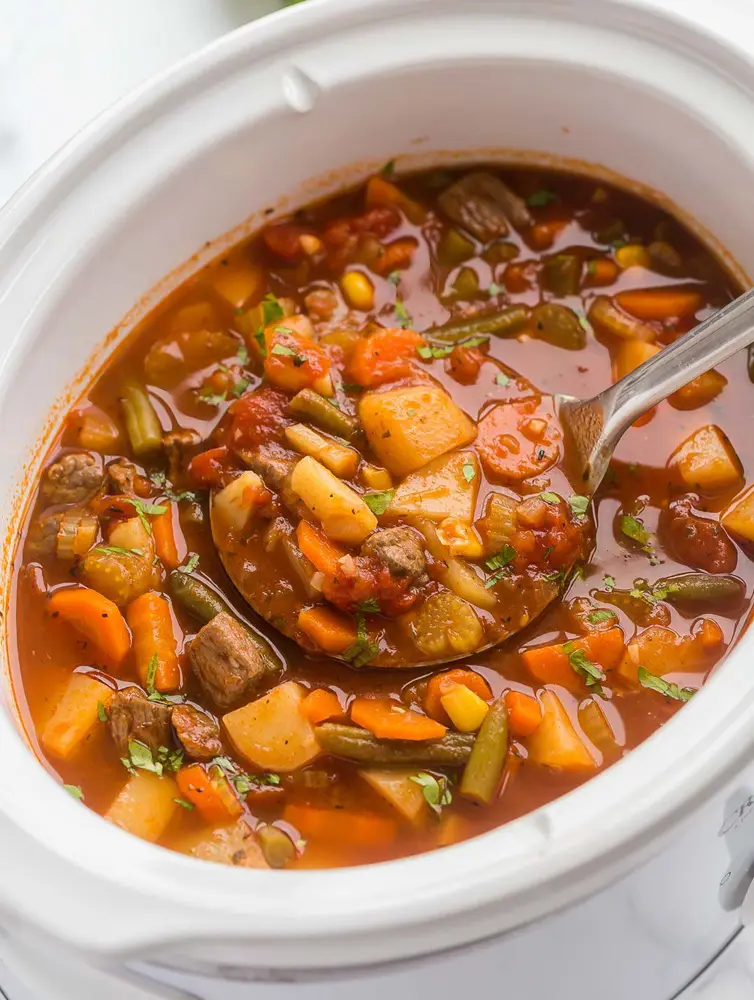
Vegetable beef soup is a versatile dish that can be found in various forms around the world. Each culture adds its unique twist, incorporating local ingredients and flavors. Here are a few notable variations:
-
Borscht (Eastern Europe): This vibrant soup is made with beef, beets, cabbage, potatoes, and other vegetables. It is often served with a dollop of sour cream and fresh dill, giving it a distinctive tangy flavor.
-
Caldo de Res (Mexico): A traditional Mexican beef soup made with large chunks of beef, bone marrow, corn on the cob, zucchini, chayote, carrots, and potatoes. It is typically seasoned with cilantro and lime, adding a fresh and zesty note.
-
Cocido (Spain): A Spanish stew that combines beef, pork, chorizo, and a variety of vegetables such as chickpeas, cabbage, carrots, and potatoes. The broth is usually served as a first course, followed by the meat and vegetables.
-
Italian Wedding Soup (Italy): This soup features meatballs made from beef and pork, along with vegetables like spinach, carrots, and celery. Small pasta such as acini di pepe or orzo is also added, making it a hearty and comforting dish.
-
Beef and Barley Soup (Scotland): A Scottish favorite, this soup combines beef with barley, root vegetables, and sometimes leeks. The barley adds a chewy texture and nutty flavor, making it a satisfying meal.
History of Vegetable Beef Soup
The origins of vegetable beef soup can be traced back to ancient civilizations, where people would combine available ingredients into a single pot to create a nourishing meal. The concept of soup itself dates back to the invention of the pot, as boiling was one of the first methods of cooking.
Early soups were often simple, consisting of water, grains, and whatever vegetables or meats were available. In medieval Europe, soups and stews became more common as the practice of cooking in cauldrons over open fires spread.
Beef was a common ingredient, especially in regions where cattle were raised, and it provided a rich flavor and hearty texture to the soups. Vegetables, both cultivated and foraged, were added to stretch the meal and provide additional nutrients.
In the United States, vegetable beef soup gained popularity in the 19th and 20th centuries as a wholesome and economical meal. It was often made using leftover roast beef, combined with root vegetables and legumes.
During the Great Depression and World War II, the soup became a symbol of resourcefulness and frugality, as families made the most of limited ingredients to create nourishing meals.
Nutritional Benefits
Vegetable beef soup is not only delicious but also packed with nutrients. The combination of beef and vegetables provides a balanced meal that is high in protein, vitamins, minerals, and fiber. Here are some of the key nutritional benefits of this hearty soup:
-
Protein: Beef is an excellent source of high-quality protein, which is essential for building and repairing tissues, producing enzymes and hormones, and supporting overall growth and development.
-
Vitamins and Minerals: Vegetables such as carrots, potatoes, tomatoes, and leafy greens are rich in vitamins A, C, and K, as well as minerals like potassium, calcium, and magnesium. These nutrients support immune function, bone health, and cardiovascular health.
-
Fiber: Many of the vegetables used in vegetable beef soup are high in dietary fiber, which aids in digestion, helps maintain healthy blood sugar levels, and reduces the risk of chronic diseases like heart disease and diabetes.
-
Low in Fat and Calories: When made with lean cuts of beef and a variety of vegetables, vegetable beef soup is relatively low in fat and calories, making it a healthy choice for those looking to maintain or lose weight.
-
Antioxidants: Vegetables are rich in antioxidants, which help protect the body from oxidative stress and inflammation, reducing the risk of chronic diseases and promoting overall health.