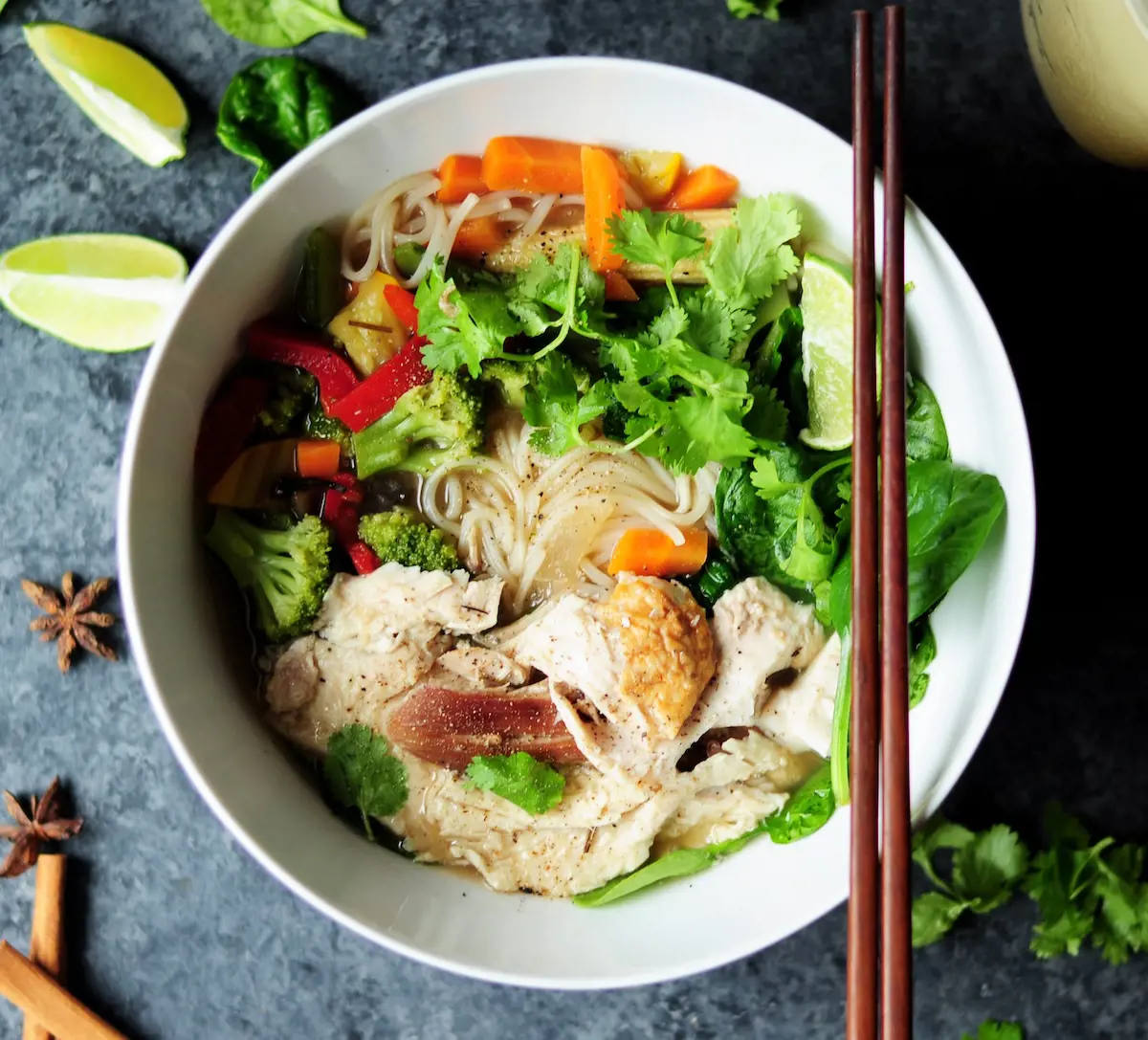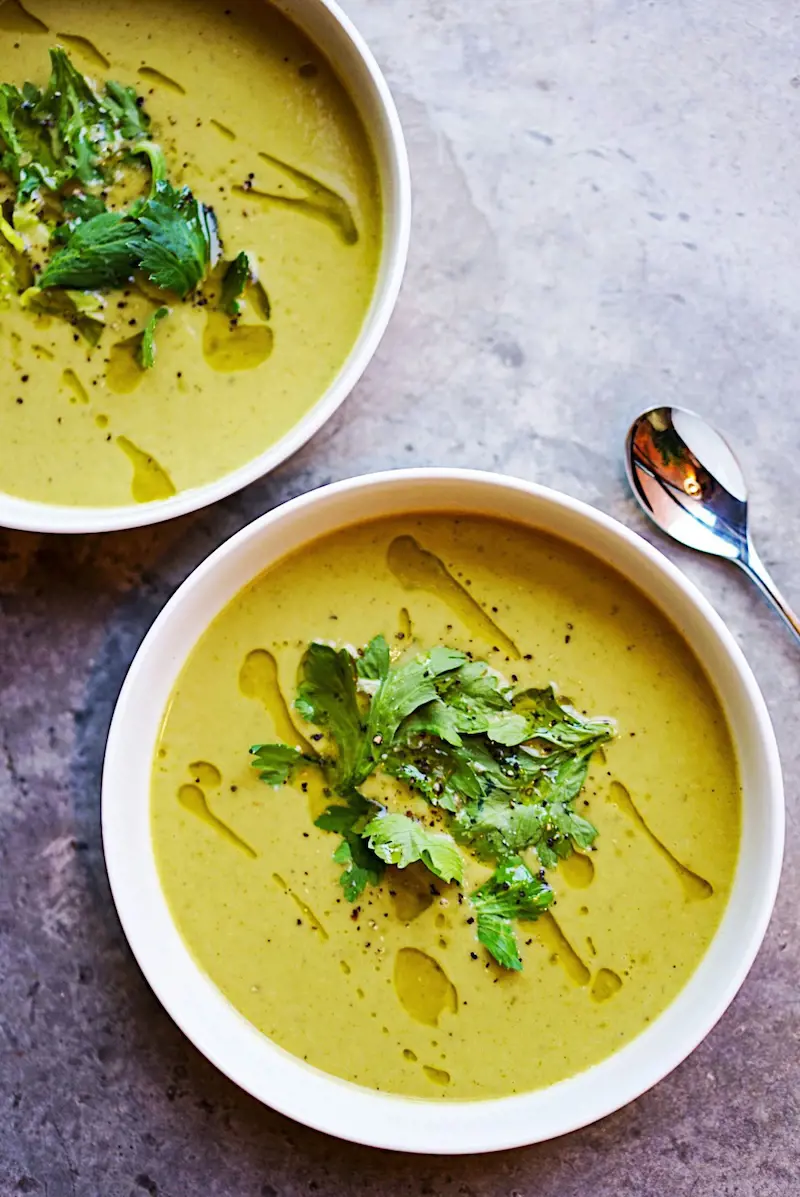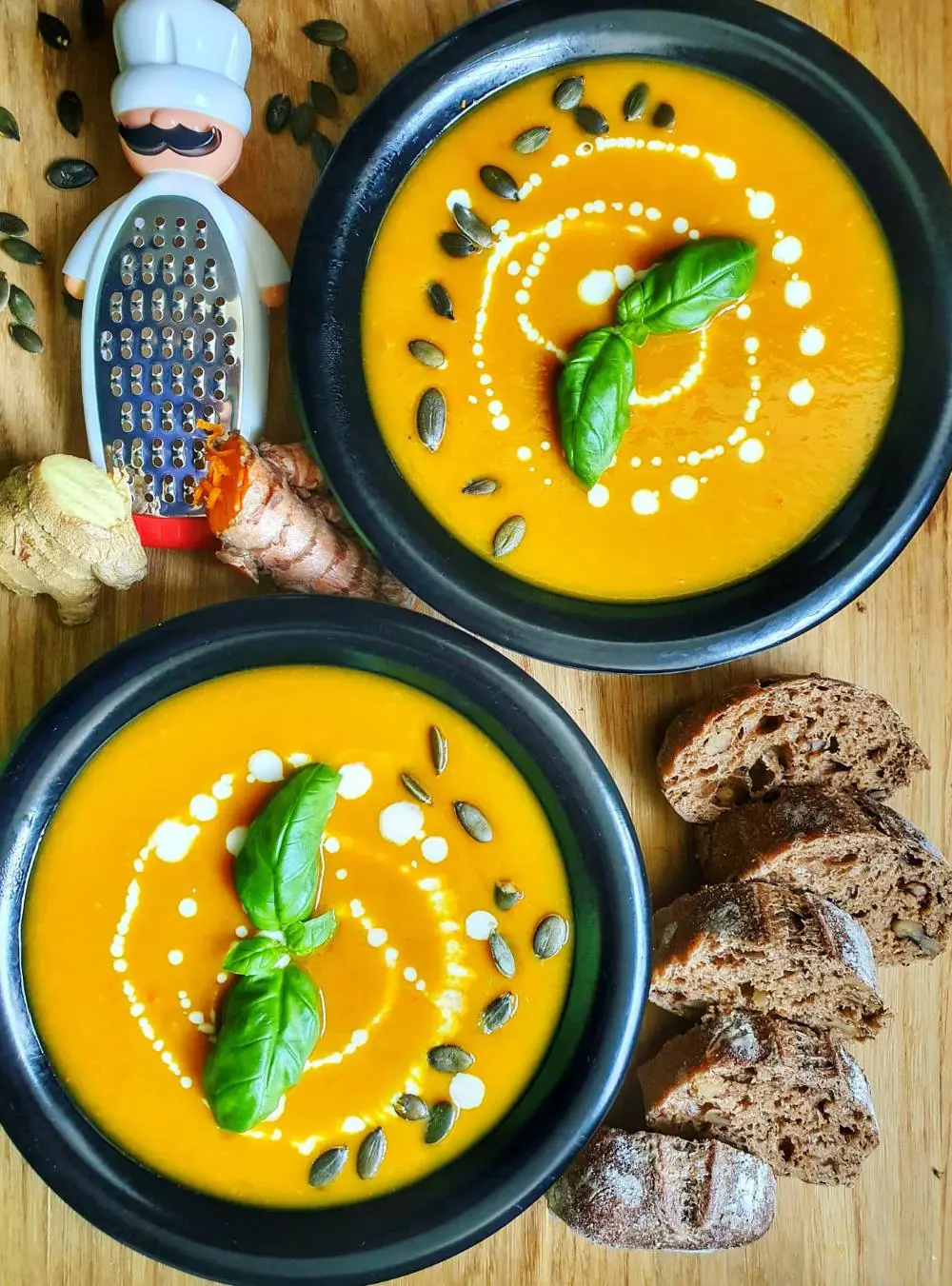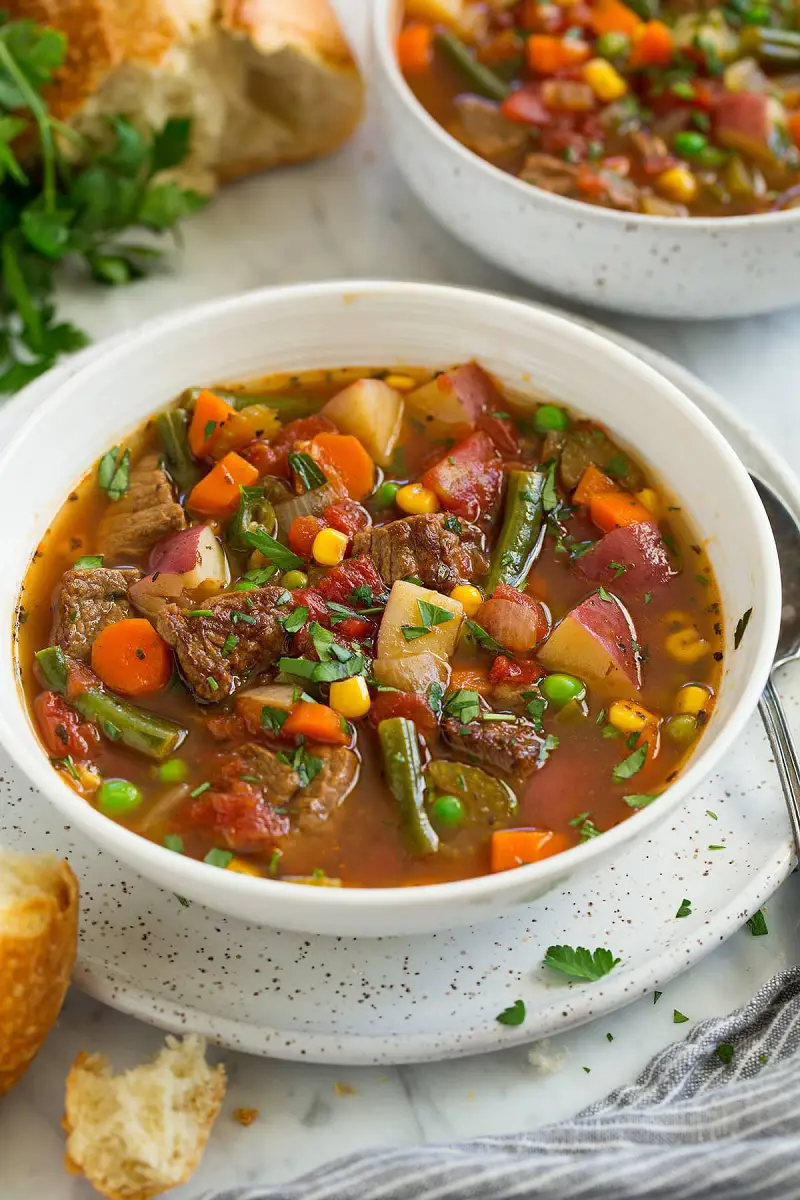
Lentil soup is a timeless, comforting dish known for its hearty, nourishing qualities. This versatile soup can be found in various cultures worldwide, each with its unique spin.
Whether you prefer traditional recipes or modern twists, lentil soup is sure to warm your soul and satisfy your taste buds. So, next time you're looking for a hearty, nourishing meal, consider making a pot of lentil soup and experience the comfort and joy it brings.
In this article, we will explore the health benefits of lentils, traditional recipes from around the globe, modern twists on this classic dish, and the cultural significance of lentil soup.
Lentil Soup Preparation Technique
Making lentil soup is a simple and rewarding process that can be customized to suit various tastes and dietary preferences. Below is a step-by-step guide to preparing a delicious pot of lentil soup, including tips for selecting ingredients, layering flavors, and achieving the perfect consistency.
Ingredients
To prepare a basic lentil soup, you will need the following ingredients:
- 1 cup of lentils (red, green, or brown)
- 1 tablespoon olive oil
- 1 onion, finely chopped
- 2 cloves garlic, minced
- 2 carrots, diced
- 2 celery stalks, diced
- 1 teaspoon ground cumin
- 1 teaspoon ground coriander
- 1/2 teaspoon turmeric
- 1/2 teaspoon smoked paprika (optional)
- 1 can (14.5 ounces) diced tomatoes
- 6 cups vegetable or chicken stock
- Salt and pepper to taste
- Fresh herbs (parsley, cilantro, or dill) for garnish
- Lemon juice or vinegar for finishing
Instructions
-
Prepare the Lentils
- Start by rinsing the lentils under cold water to remove any dirt or debris. This step is crucial for ensuring a clean and pure soup.
-
Sauté the Aromatics
- Heat the olive oil in a large pot over medium heat. Add the chopped onion and cook until it becomes translucent about 5-7 minutes. Stir in the minced garlic and cook for an additional minute, until fragrant.
-
Add the Vegetables
- Add the diced carrots and celery to the pot. Cook for another 5-7 minutes, stirring occasionally, until the vegetables begin to soften.
-
Layer the Flavors
- Sprinkle in the ground cumin, coriander, turmeric, and smoked paprika (if using). Stir to coat the vegetables in the spices and cook for 1-2 minutes to toast the spices and enhance their flavors.
-
Incorporate the Lentils and Tomatoes
- Add the rinsed lentils and the can of diced tomatoes (with their juices) to the pot. Stir to combine all the ingredients.
-
Add the Stock
- Pour in the vegetable or chicken stock. Stir well and bring the mixture to a boil.
-
Simmer the Soup
- Once the soup reaches a boil, reduce the heat to low and let it simmer. Cover the pot and cook for 25-30 minutes, or until the lentils are tender. Stir occasionally to prevent sticking and ensure even cooking.
-
Season to Taste
- Taste the soup and season with salt and pepper as needed. Adjust the seasoning to your preference.
-
Finish with Fresh Herbs and Acids
- Just before serving, add a splash of lemon juice or vinegar to brighten the flavors. Garnish with chopped fresh herbs like parsley, cilantro, or dill.
-
Serve and Enjoy
- Ladle the hot lentil soup into bowls and serve with your favorite accompaniments, such as crusty bread, pita, or a side salad.
Tips for Perfect Lentil Soup
-
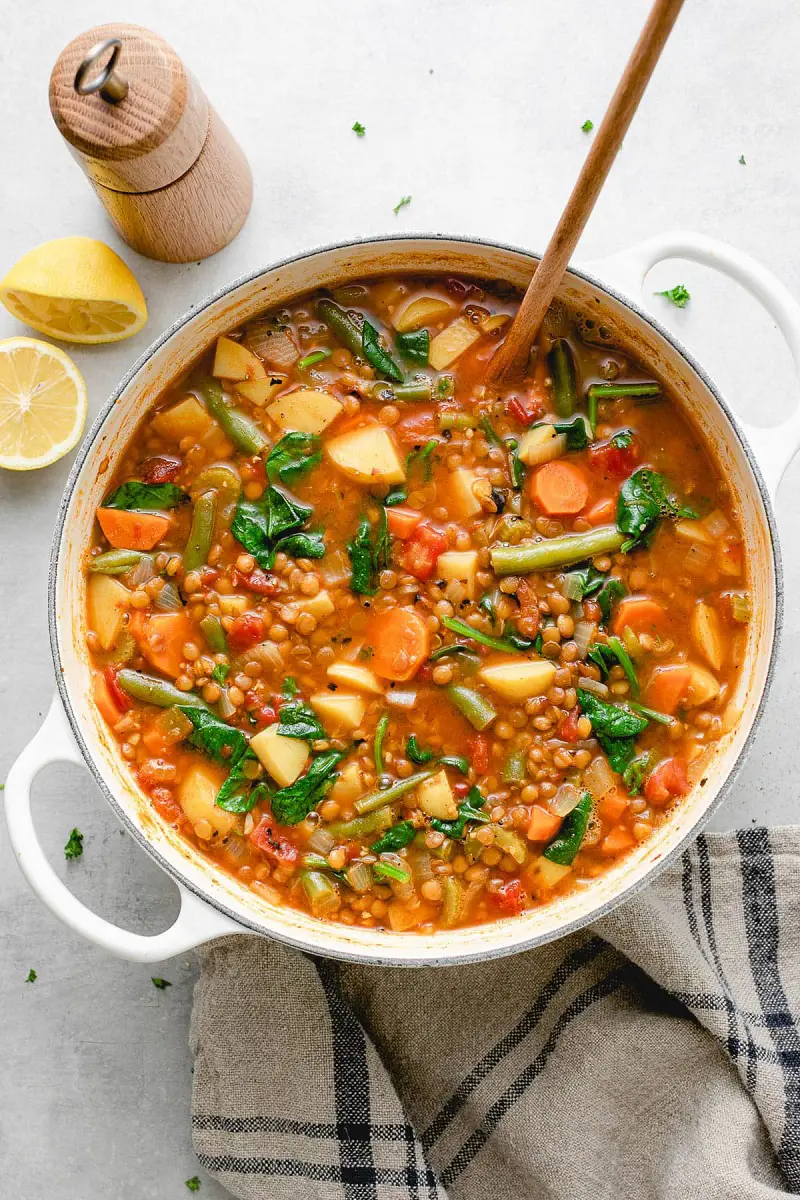
Selecting Lentils: Red and yellow lentils cook quickly and break down easily, making them perfect for creamy soups. Green and brown lentils retain their shape better and are ideal for chunkier soups. Choose the type of lentil based on the desired texture of your soup.
-
Rinsing Lentils: Always rinse lentils thoroughly before cooking to remove any debris and reduce bitterness.
-
Building Flavor: Sautéing the aromatics and toasting the spices before adding the liquids builds a rich and complex flavor base for the soup.
-
Stock Quality: Use good-quality stock, whether homemade or store-bought, as it significantly impacts the overall flavor of the soup.
-
Consistent Cooking: Stir the soup occasionally while it simmers to prevent lentils from sticking to the bottom of the pot and ensure even cooking.
-
Adjusting Thickness: If the soup is too thick, add a bit more stock or water to reach your desired consistency. If it’s too thin, let it simmer uncovered for a few more minutes to reduce and thicken.
-
Fresh Herbs and Acids: Adding fresh herbs and a splash of acid (lemon juice or vinegar) at the end of cooking enhances the flavors and adds a refreshing contrast to the rich, hearty soup.
-
Leftovers and Storage: Lentil soup often tastes even better the next day as the flavors meld. Store leftovers in an airtight container in the refrigerator for up to 5 days or freeze for up to 3 months.
Traditional Lentil Soup Recipes from Around the World
Lentil soup is a beloved dish in many cultures, each with its unique ingredients and preparation methods. Here are some traditional lentil soup recipes from various parts of the world:
-
Middle Eastern Lentil Soup (Shorbat Adas): This classic soup is popular in countries like Lebanon, Jordan, and Syria. It typically includes red lentils, onions, garlic, cumin, coriander, and sometimes a squeeze of lemon juice. It is often garnished with fresh cilantro and served with warm pita bread.
-
Indian Dal: In India, lentils are commonly used to make dal, a staple dish in Indian cuisine. Dal can be made with various types of lentils, such as red lentils (masoor dal), yellow lentils (moong dal), or split chickpeas (chana dal). The lentils are cooked with turmeric, cumin, mustard seeds, and other spices, and often finished with a tadka (tempering) of fried onions, garlic, and tomatoes.
-
Italian Lentil Soup (Zuppa di Lenticchie): Italian lentil soup is hearty and flavorful, often made with green or brown lentils, carrots, celery, onions, tomatoes, and Italian herbs like rosemary and thyme. It is sometimes enriched with pancetta or Italian sausage and served with a drizzle of olive oil and grated Parmesan cheese.
-
French Lentil Soup (Soupe aux Lentilles): In France, lentil soup is typically made with green or Puy lentils, known for their firm texture and nutty flavor. The soup often includes onions, carrots, celery, garlic, and sometimes lardons (bacon). It is flavored with thyme, bay leaves, and a splash of red wine.
-
Ethiopian Lentil Stew (Kik Alicha): In Ethiopian cuisine, lentils are often used to make kik alicha, a mild and creamy stew made with yellow split peas or lentils. The dish is flavored with turmeric, ginger, and garlic and is traditionally served with injera, a sourdough flatbread.
Modern Twists on Lentil Soup
While traditional recipes are always delightful, modern twists on lentil soup can bring new flavors and excitement to this classic dish. Here are some contemporary variations:
-
Spicy Thai Coconut Lentil Soup: This version combines red lentils with the rich, creamy flavors of coconut milk and the bold, spicy notes of Thai red curry paste. The soup is often finished with fresh lime juice, cilantro, and a sprinkle of chopped peanuts for added texture.
-
Smoky Lentil and Vegetable Soup: Adding smoked paprika and fire-roasted tomatoes to a basic lentil and vegetable soup can impart a deep, smoky flavor. This version often includes ingredients like bell peppers, zucchini, and kale for added nutrition and color.
-
Lentil and Sweet Potato Soup: Sweet potatoes add a natural sweetness and creamy texture to lentil soup. This variation often includes warming spices like cinnamon, cumin, and coriander, making it perfect for cold weather.
-
Lentil and Quinoa Soup: Combining lentils with quinoa increases the protein content and adds a delightful texture to the soup. This version is often made with a mix of vegetables like carrots, celery, and spinach, and flavored with garlic, thyme, and bay leaves.
-
Lentil and Kale Detox Soup: This healthy twist on lentil soup includes nutrient-dense ingredients like kale, carrots, celery, and garlic. It is often flavored with ginger and turmeric, which have anti-inflammatory properties, making it an excellent choice for a detoxifying meal.
Cultural Significance of Lentil Soup
Lentil soup holds cultural significance in many parts of the world, often symbolizing prosperity, nourishment, and comfort. Here are some cultural insights:
-
New Year's Tradition in Italy: In Italy, lentils are traditionally eaten on New Year's Eve as a symbol of good luck and prosperity. The coin-shaped lentils are believed to represent money, and eating them is thought to bring wealth in the coming year.
-
Middle Eastern Hospitality: In Middle Eastern cultures, serving lentil soup is a sign of hospitality and warmth. It is often served to guests as a welcoming dish, showcasing the host's generosity and care.
-
Ethiopian Celebrations: In Ethiopia, lentils are a staple food, and dishes like kik alicha are commonly served during religious and cultural celebrations. Lentil dishes are often enjoyed during fasting periods, as they are a key source of protein in a vegetarian diet.
-
Indian Festivals and Rituals: In India, lentils are integral to many traditional dishes served during festivals and religious rituals. Dal is a common offering in temples and is also shared during communal meals, symbolizing unity and nourishment.
-
Lenten Season in Christianity: During Lent, many Christians abstain from meat and other indulgences. Lentil soup, being both nourishing and meat-free, is a popular choice for meals during this period of reflection and penance.
Lentil Soup for All Seasons
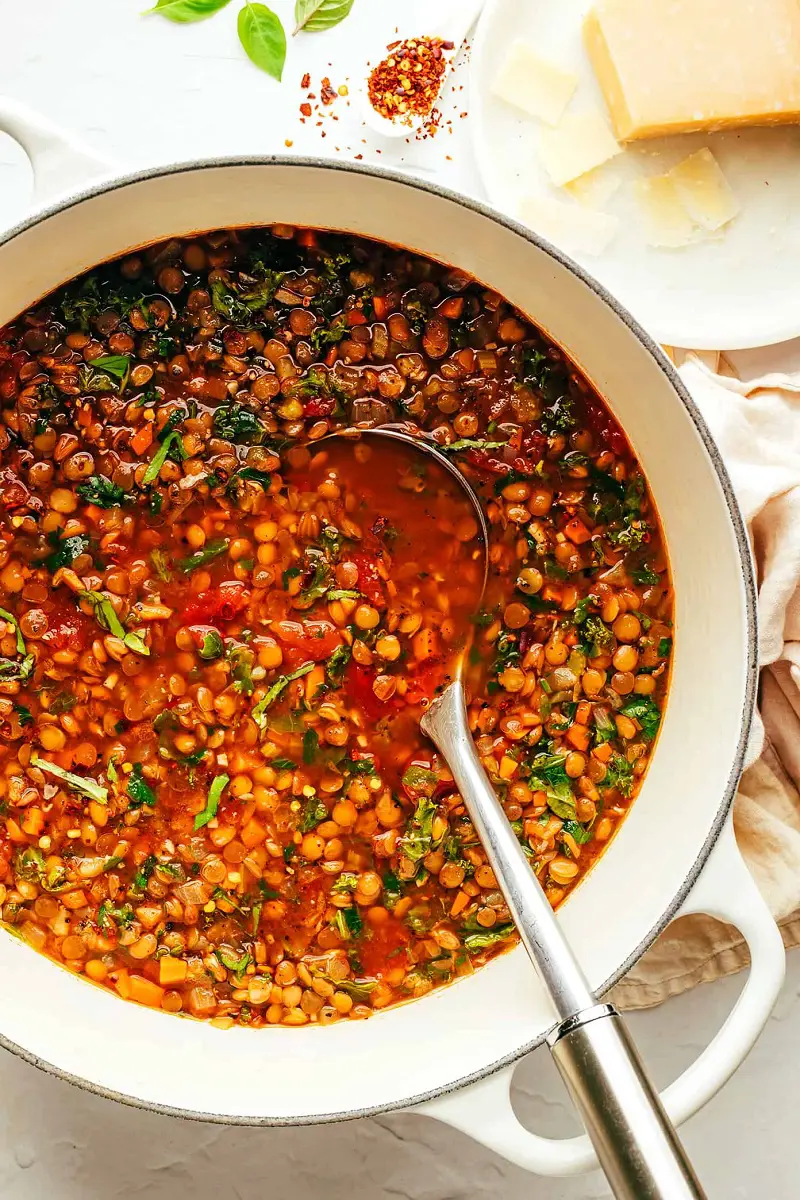
While lentil soup is often associated with cold weather, it can be enjoyed year-round with a few seasonal adjustments:
-
Spring: Use fresh, tender greens like spinach or Swiss chard, and add herbs like mint or dill for a light, refreshing soup.
-
Summer: Opt for a chilled lentil soup by cooking the lentils with vegetables and spices, then pureeing and chilling the soup. Serve it with a dollop of yogurt and a sprinkle of fresh herbs.
-
Autumn: Incorporate seasonal vegetables like squash, sweet potatoes, and carrots. Warm spices like cinnamon and nutmeg can enhance the autumnal flavors.
-
Winter: Stick to hearty ingredients like root vegetables, kale, and beans. A touch of smoked paprika or cayenne pepper can add warmth and depth to the soup.
Health Benefits of Lentils
Lentils are a powerhouse of nutrition, making them a staple in many diets worldwide. Here are some of the key health benefits of lentils:
-
Rich in Nutrients: Lentils are an excellent source of essential nutrients, including protein, fiber, iron, and folate. A single cup of cooked lentils provides about 18 grams of protein and 16 grams of fiber, making them an excellent option for vegetarians and those looking to increase their protein intake without meat.
-
Heart Health: The fiber, folic acid, and potassium in lentils all contribute to heart health. Fiber helps reduce blood cholesterol levels, while potassium helps lower blood pressure. Folate is known to reduce homocysteine levels, a risk factor for heart disease.
-
Weight Management: Lentils are low in calories and high in fiber, which can help you feel full and satisfied, making them an excellent food for weight management. The protein and fiber in lentils slow down digestion, which helps regulate blood sugar levels and keeps hunger at bay.
-
Digestive Health: The high fiber content in lentils aids in digestion and helps prevent constipation. Lentils also contain prebiotics, which feed the beneficial bacteria in your gut, promoting a healthy digestive system.
-
Blood Sugar Control: Lentils have a low glycemic index, meaning they cause a slower rise in blood sugar levels. This makes them an excellent choice for people with diabetes or those looking to maintain steady energy levels throughout the day.
-
Bone Health: Lentils are rich in minerals like iron, magnesium, and phosphorus, which are essential for maintaining strong and healthy bones.
Sustainable and Budget-Friendly
Lentil soup is not only nutritious and delicious but also sustainable and budget-friendly:
-
Eco-Friendly: Lentils have a low environmental footprint compared to animal-based proteins. They require less water and produce fewer greenhouse gases, making them an eco-friendly choice.
-
Affordable: Lentils are inexpensive and widely available, making them accessible to people of all economic backgrounds. A bag of lentils can go a long way, providing multiple meals at a low cost.
-
Minimizing Food Waste: Lentil soup is an excellent way to use up leftover vegetables and herbs, reducing food waste. It can also be easily adapted to include seasonal and locally sourced ingredients.
-
Long Shelf Life: Dried lentils have a long shelf life and can be stored in your pantry for months, making them a convenient staple to have on hand.
By following these steps and tips, you can create a delicious and nutritious lentil soup that will warm your soul and impress your family and friends. Enjoy experimenting with different lentil varieties, spices, and vegetables to make this versatile dish of your own.