Sesame oil is commonly used in Asian cooking, especially Chinese, Korean, and Japanese cuisine. It has a distinct nutty taste and aroma and instantly adds an addictive umami flavor to any dish.
While it is a popular ingredient in Asian cuisines, it is uncommon in other cuisines. Not everyone may have a bottle of sesame oil in their pantry, and that’s not the worrying part. In such cases, recipes that call for sesame oil might need alternatives.
1. Peanut Oil
instagram
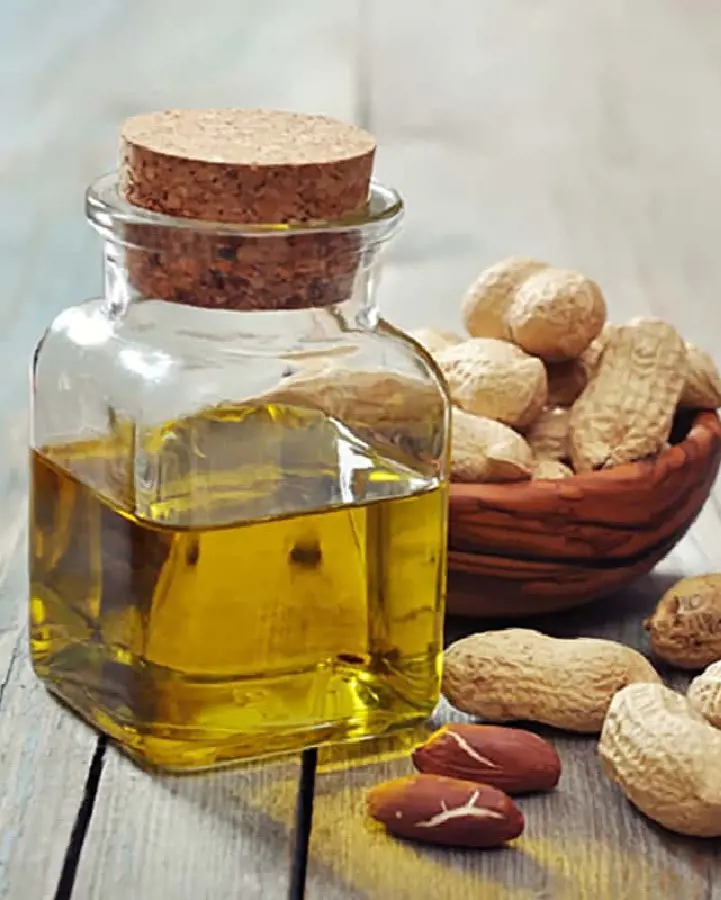
People allergic to sesame can substitute sesame oil with peanut oil, made from peanuts. It is aromatic and has a strong nutty flavor, which enhances any dish when incorporated into recipes.
Peanut oil has a high smoke point and is best for frying in a very hot wok. It is perfect for stir-fries and dishes that require sautéing and deep-frying. Nutritionally, this nutty oil variation contains vitamin E and is high in monounsaturated and polyunsaturated fats, which have heart-healthy benefits.
2. Sunflower Oil
instagram
Sunflower oil has a neutral and subtle flavor with a slightly nutty undertone. Therefore, it might not be the perfect replacement for sesame oil, especially if you are looking to mimic its distinct taste.
However, sunflower oil still gets the job done when you need fat in your cooking. It is often used in dressings, steak marinades, baking, or other savory recipes that require cooking. Like sesame oil, it has a high smoke point, ideal for sautéing, stir-frying, and deep-frying.
3. Grapeseed Oil
instagram
Grapeseed oil comes from grape seeds and does not have any of the floral or nutty taste you find in many other oils.
Despite the lack of taste, it is still used in recipes because the clean flavor lets the taste of whatever you're cooking with it shine through. It is a great flavor enhancer for recipes, vinaigrettes, and salad dressings.
You can use it to replace sesame oil in other dishes like stir-fries and marinades, but the distinct sesame oil aroma and taste will be missing. For best results, use grapeseed oil in a 1:1 ratio to sesame oil.
4. Canola Oil
instagram
Canola oil is a kitchen staple in many households. The mild and neutral flavor makes it versatile enough to include in cooking, frying, and even baking. This oil will not overpower the other flavors and is a perfect substitute for sesame oil in recipes that do not require a strong umami taste. And since it is widely used, you can find it easily at any grocery store.
Canola oil is said to be healthy due to its heart-healthy benefits, but there are growing concerns about its high erucic acid content.
5. Perilla Oil
instagram
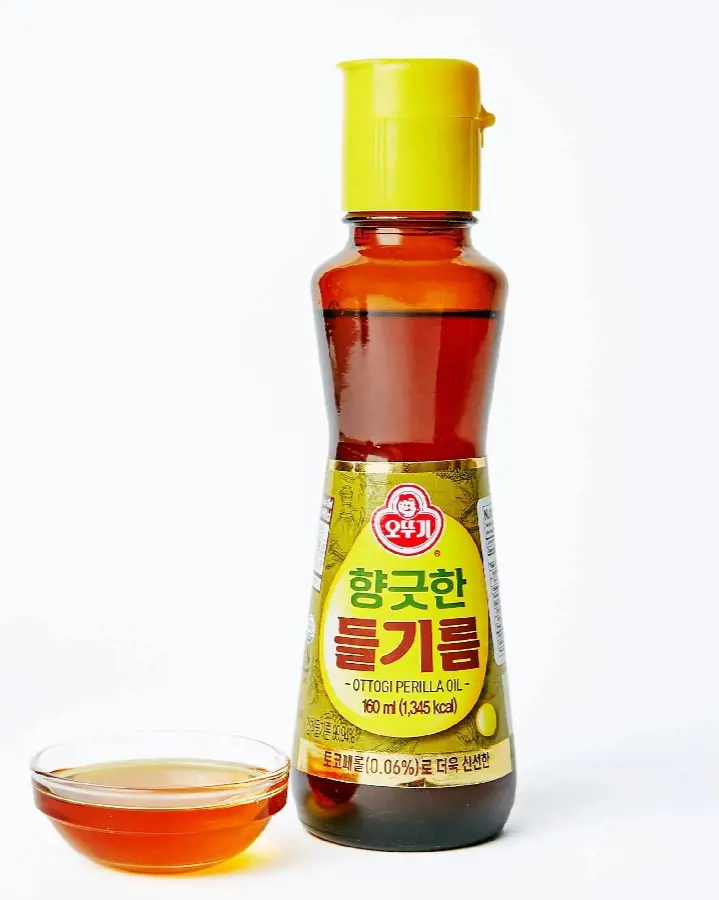
Extracted from perilla seeds, perilla oil is perhaps the best substitute if you are looking to replicate the flavor of toasted sesame oil. It has a nutty and earthy flavor, with a licorice and anise finish.
Texturally, it has a rich velvety smooth feeling, and coats the tongue. It is commonly used in Korean cooking. Do not use high heat with this oil as it will impart a bitter taste. This oil is best as a flavor enhancer in salad dressings, soups, dips and light stir fry recipes.
6. Olive Oil
instagram
Olive oil needs no introduction, for it is the most popular cooking oil out of all the oils. They do not have the nutty flavor of sesame oil but still works, especially if you are looking for sesame oil substitute for fried rice.
Apart from getting the job done, olive oil has similar health benefits to sesame oil. It is a good source of vitamins A and K, calcium, and magnesium. These vitamins and minerals are essential for the skin and bones.
When substituting sesame oil, opt for light olive as they have a milder and neutral flavor than regular olive oil.
7. Avocado Oil
instagram
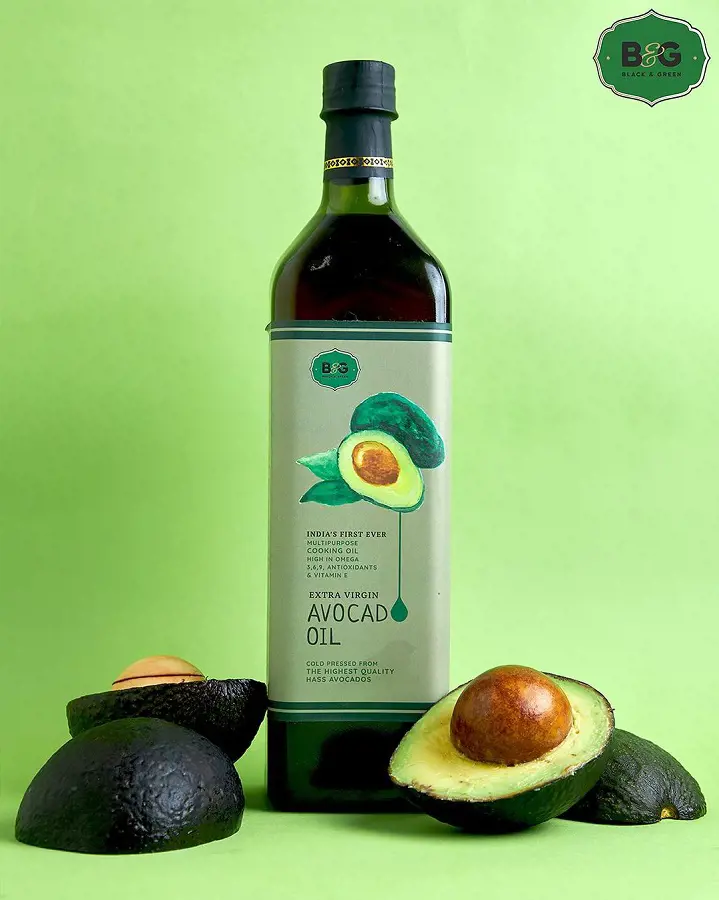
Avocado oil has a mild buttery flavor that falls between nutty and grassy and does not taste like avocados. Speaking of flavor, it lacks the umaminess of sesame oil but adds a creaminess to any recipe.
Like most cooking oil, it has a high smoke point, which is useful for cooking, frying, and enhancing the flavors of many dishes like grilled chicken and homemade mayonnaise. It is especially rich in lutein, an antioxidant that is essential for eye health.
8. Coconut Oil
instagram
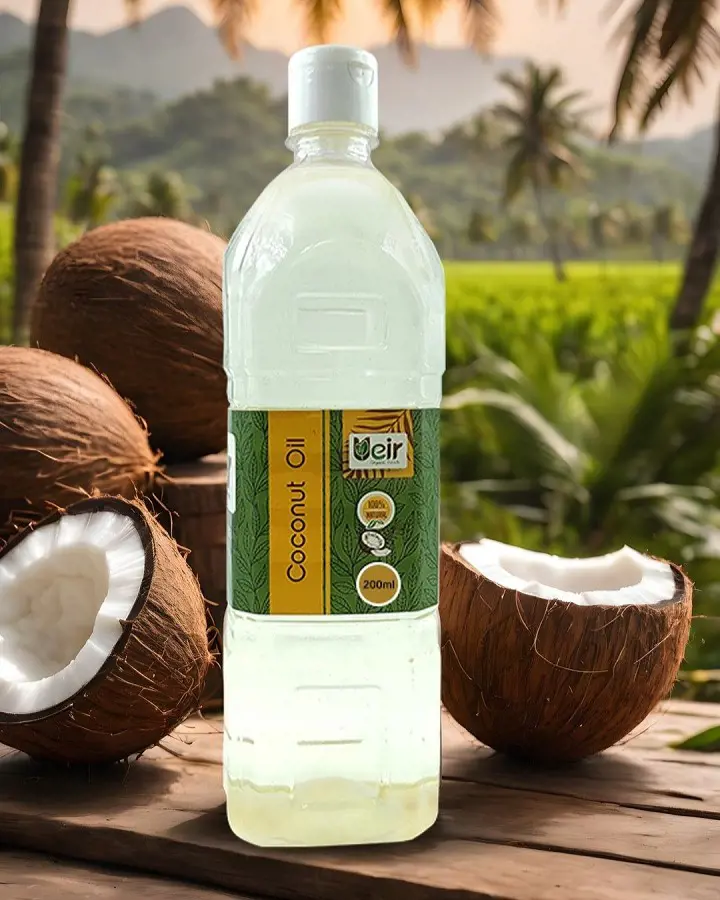
For recipes that do not require the distinct umami flavor of sesame oil, coconut oil will do the trick. Contrary to popular belief, coconut oil does not taste like coconuts and has a mild, nutty flavor that works well in many dishes.
Unlike other oils, It has a low smoke point and cannot be used for frying. It also contains saturated fat that can increase cholesterol levels. Therefore, it should be consumed in moderation. But in general, it is a great flavor enhancer.
9. Walnut Oil
instagram
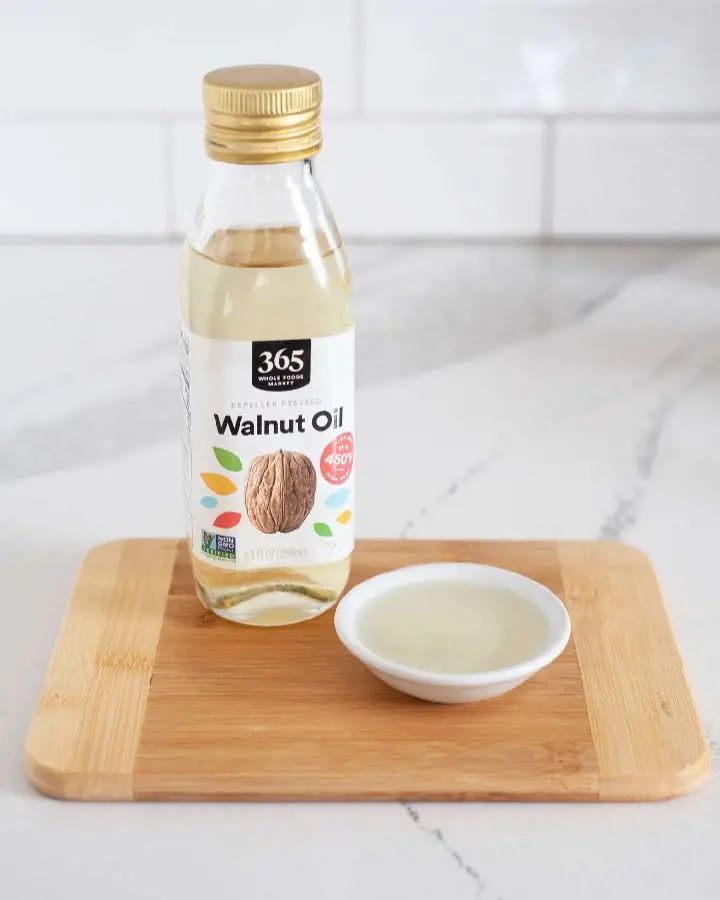
There are no points for guessing where walnut oil comes from. Walnut oil has a sweet and nutty flavor. It works well in dishes that do not require frying or cooking in high heat because it has a low smoke point. It becomes slightly acidic and bitter when heated too much.
It is also healthier than most oils because of its high omega-3 fatty acids, which decrease inflammation and protect against heart disease. It is worth noting that walnut oil is pricey, so you might want to use some other oil to substitute sesame oil.
10. Flaxseed Oil
instagram
If you are on the hunt for a substitute for sesame oil in teriyaki sauce, your search ends with flaxseed oil. Flaxseed oil and sesame oil have similar taste and flavor. The former has a mild, nutty aroma reminiscent of sesame seeds.
However, this ingredient has a low smoke point, making it unsuitable for cooking and frying. Hence, this works best as a seasoning for salads, sauces, and other dishes. Flaxseed oil goes bad easily, so you might want to conduct a taste test before using it in recipes to replace sesame oil.
11. Almond Oil
instagram
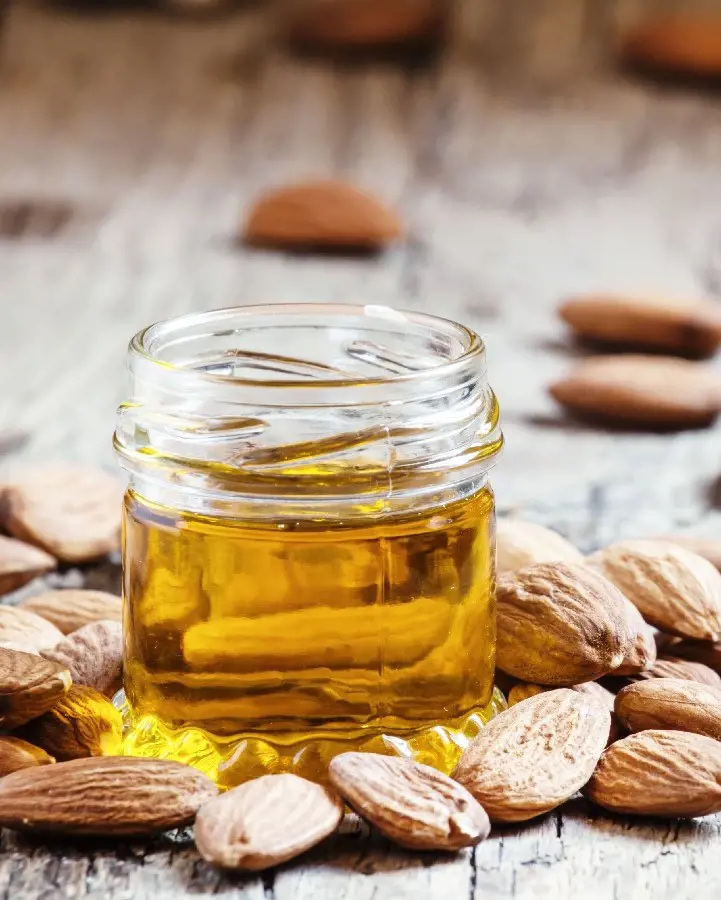
Just like sesame oil, almond oil also has a distinct nutty taste, which works well as a flavor enhancer. You can get a refined and unrefined version.
Unrefined almond oil does not have a high smoking point and should not be used as cooking oil. It is more of a finishing oil that can be blended in salads, fish, vegetables, and some soups and broths.
But you can use a refined version for cooking.
12. Hazelnut Oil
instagram
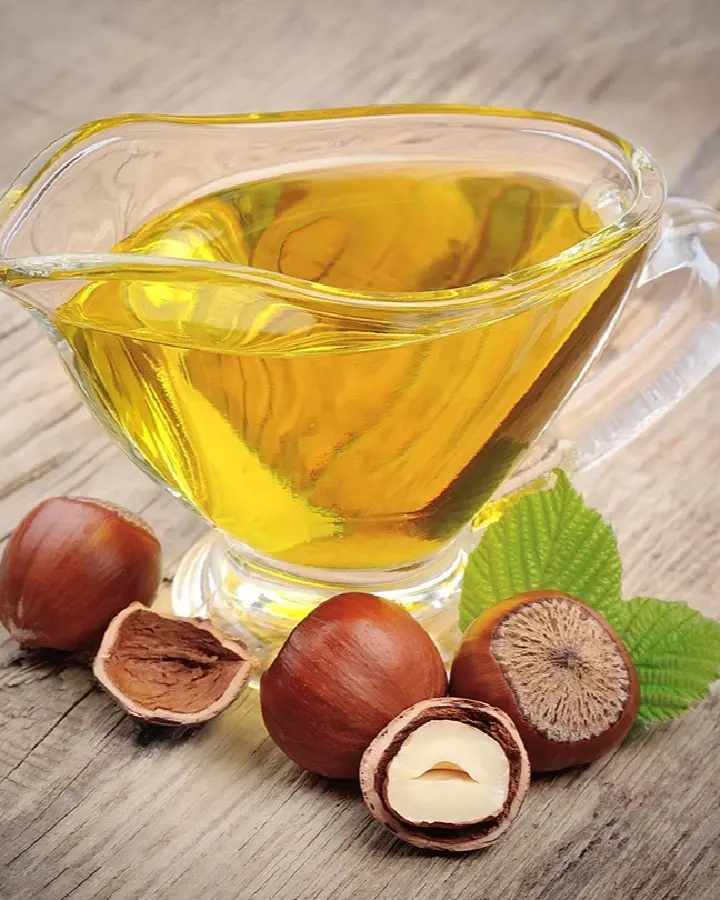
Another nutty decadent oil variety is hazelnut oil. It is super versatile and can substitute sesame oil, provided you are not looking for a distinct umami flavor.
You can add it to brownies or any other baking recipes that require vegetable oil. You can also toss them with your vegetables for delicious and crispy roasted vegetables. You can even enjoy it as a dip for bread.
13. Rice Bran Oil
instagram
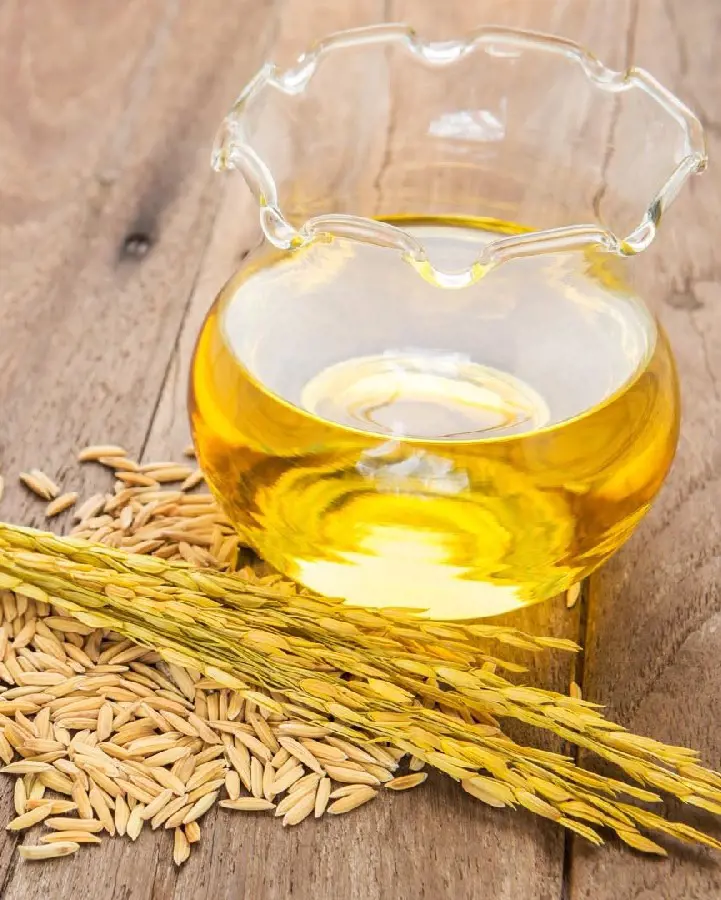
Rice bran is the coating that is a by-product of polishing white rice. It contains oil, which is refined for rice bran oil. It has a high smoke point, higher than peanut, canola, grapeseed, and extra virgin olive oil.
This makes the oil ideal for deep-frying and stir-frying. It can also be used in salad dressing because of its earthy flavor. It is commonly found in highly processed foods because it can prolong shelf life and has emulsifying properties.
14. Tahini
instagram
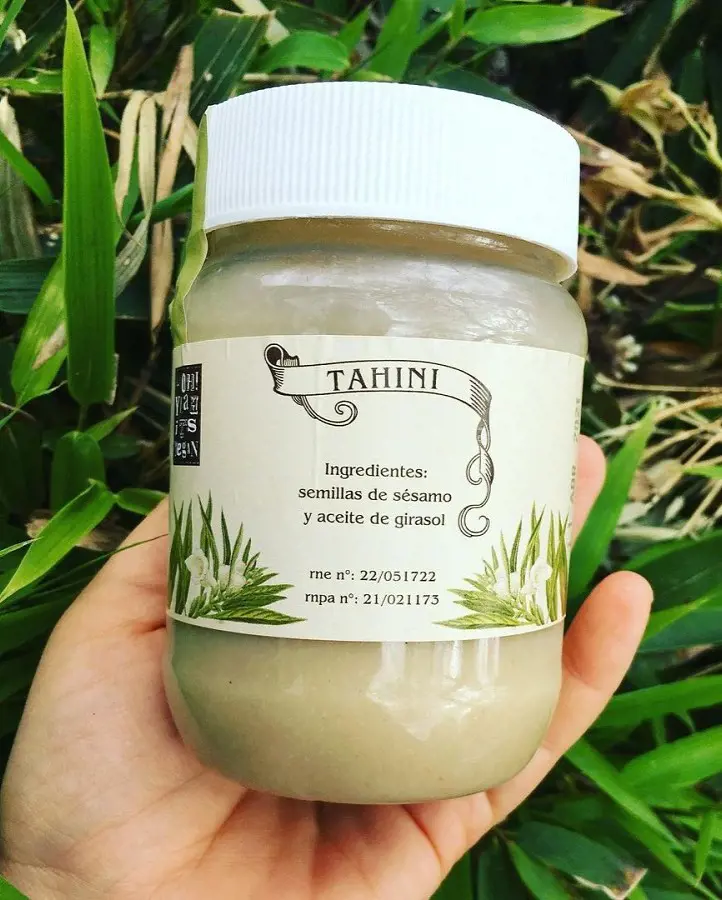
Tahini is a staple in Middle Eastern cuisine. It is a ground sesame butter or paste with an earthy and savory taste.
This sesame paste is a perfect substitute for sesame oil if you are not allergic to sesame seeds. It has a thicker consistency, which can be easily diluted with neutral-flavored vegetable oils.
You cannot cook with it as you can with other oils, but you can incorporate it in many dishes like toast, chicken salad, smoothies, dips, and sauces.
15. Clarified Butter
instagram
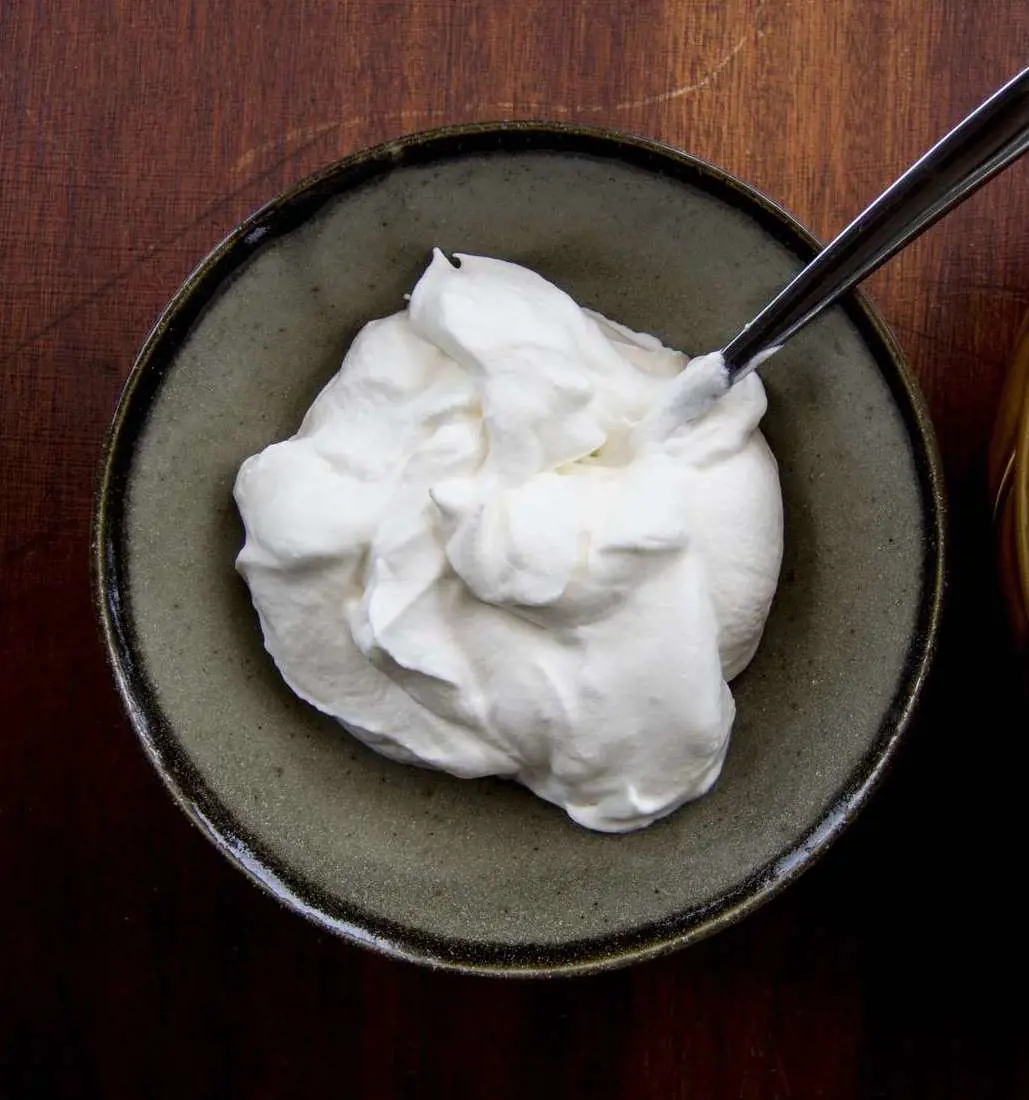
Clarified butter is an unusual substitute for sesame oil, but if you are looking for something fatty and not the distinct flavor fo sesame oil, then clarified butter works well.
Clarified butter is butter from which all milk solids have been removed. It is pure butter fat that has an intense buttery flavor. It is also salty and best used as a flavor enhancer in sautéed fish, vegetable stir fry, and hollandaise sauce.