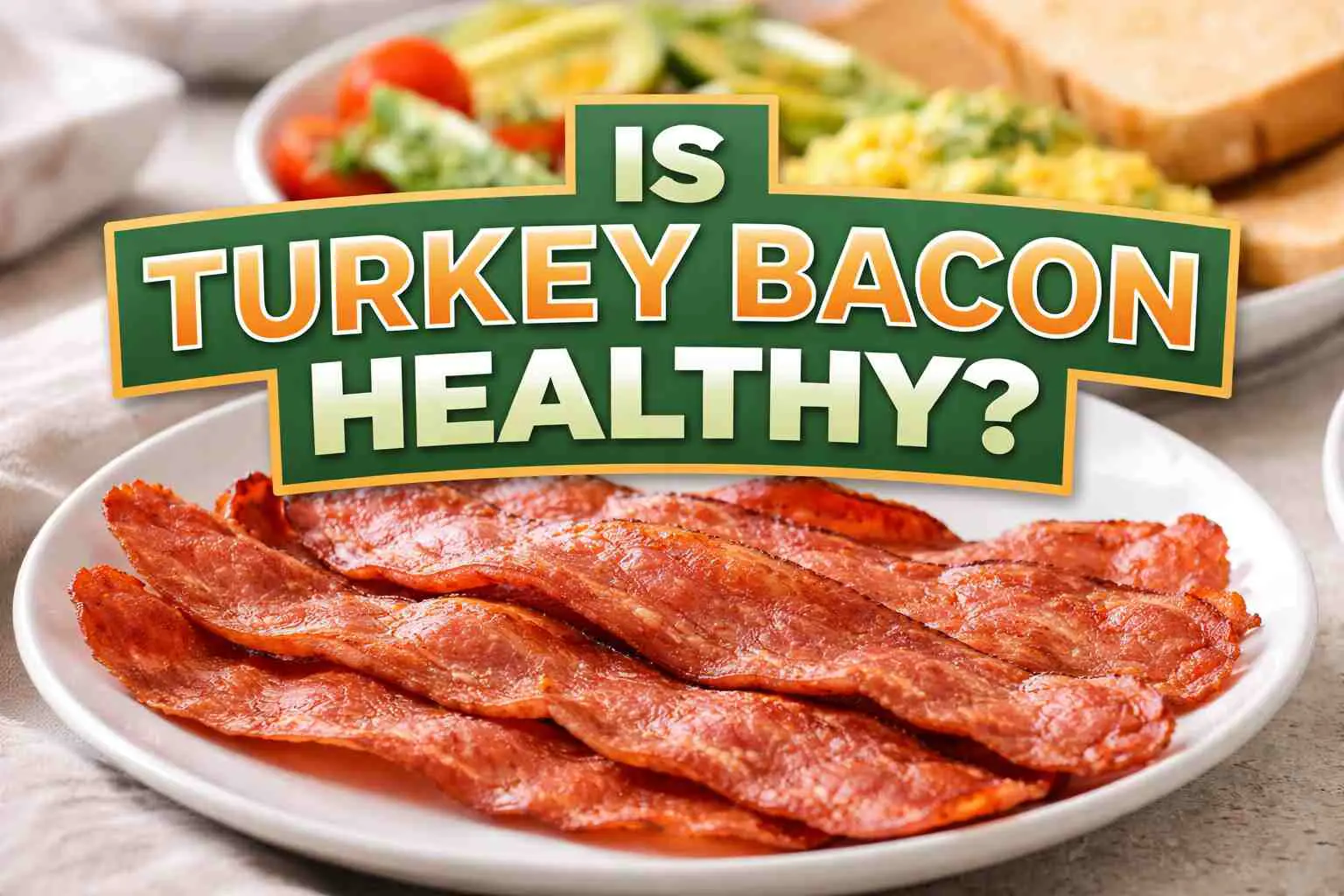
Turkey bacon is often seen as a healthier alternative to traditional pork bacon. It’s lower in fat and calories, making it appealing for those trying to eat lighter.
However, just because it’s “turkey” doesn’t automatically mean it’s completely healthy. Turkey bacon is still a processed meat, often containing high sodium and preservatives. Understanding its nutrition, benefits, and drawbacks can help you decide if it fits into your diet. In this guide, we’ll break down the facts so you can make an informed choice.
Nutrition Facts of Turkey Bacon
Understanding the nutrition of turkey bacon is essential to determine if it is a healthy choice. Here’s a typical breakdown for one slice (about 14 grams) of turkey bacon:
Compared to regular pork bacon, turkey bacon generally has less fat, fewer calories, and slightly less cholesterol. However, it is often higher in sodium, which is something to watch if you are monitoring blood pressure or heart health.
Health Benefits of Turkey Bacon
1. Lower in Fat and Calories
Turkey bacon usually has fewer calories and less fat than traditional bacon, making it a reasonable choice for weight-conscious individuals. This makes it a popular substitute for those who want the bacon flavor without consuming excessive saturated fat.
2. Protein Source
Turkey bacon provides a moderate amount of protein, which is essential for muscle repair and overall health. While it doesn’t provide as much protein as other lean meats like chicken breast or turkey breast, it’s still a better option than traditional bacon in terms of protein-to-fat ratio.
3. Fewer Saturated Fats
Saturated fats can contribute to heart disease if consumed excessively. Turkey bacon generally contains less saturated fat than pork bacon, which may benefit cardiovascular health when eaten in moderation.
Potential Risks and Drawbacks
1. High Sodium Content
Even though turkey bacon is leaner than pork bacon, it often contains high amounts of sodium due to processing and added preservatives. Excessive sodium can increase blood pressure and may contribute to heart problems over time.
2. Processed Meat Concerns
Turkey bacon is still a processed meat product. Regular consumption of processed meats has been linked to health risks such as heart disease, diabetes, and certain types of cancer. Moderation is key.
3. Added Ingredients
Some turkey bacon brands include sugar, flavorings, and preservatives like sodium nitrite. These additives can reduce its health benefits compared to unprocessed lean meats. Always check labels for healthier options with fewer additives.
Turkey Bacon vs. Pork Bacon
When comparing turkey bacon to traditional pork bacon, there are a few key differences to keep in mind. Turkey bacon is generally lower in calories and fat, with about 30–35 calories and 2–3 grams of fat per slice, compared to pork bacon, which usually has 42–50 calories and 3.5–4 grams of fat per slice. Turkey bacon also tends to have slightly less saturated fat, making it a somewhat better option for heart-conscious individuals.
However, turkey bacon often contains more sodium than pork bacon, ranging from 150–250 mg per slice, while pork bacon usually has 120–200 mg. Protein content is fairly similar between the two, with turkey bacon providing 2–3 grams per slice and pork bacon around 3 grams. Ultimately, the choice depends on whether your priority is lower fat and calories or lower sodium intake.
Tips for Choosing Healthier Turkey Bacon
1. Check the Sodium Content
Look for brands with reduced sodium or under 200 mg per slice.
2. Choose Nitrate/Nitrite-Free Options
Nitrates and nitrites are preservatives linked to health risks. Some brands now offer nitrate-free turkey bacon.
3. Watch Serving Size
Even healthier alternatives should be eaten in moderation. Two to three slices occasionally are reasonable for most diets.
4. Pair With Nutrient-Rich Foods
Serve turkey bacon with whole grains, vegetables, or eggs to make your meal more balanced.
Conclusion
So, is turkey bacon healthy? The answer depends on context. Compared to pork bacon, turkey bacon offers lower calories and less fat, making it a somewhat healthier choice for those watching weight or fat intake. However, it is still a processed meat with high sodium content and potential additives that can affect long-term health.
If you enjoy turkey bacon, it’s best to consume it in moderation and pair it with nutrient-dense foods. For those with high blood pressure or heart conditions, checking labels and limiting intake is crucial. Overall, turkey bacon can be a part of a balanced diet, but it should not replace whole, unprocessed protein sources like chicken, fish, beans, and nuts.