Crab legs are a delicious seafood delicacy known for their sweet, tender meat and rich flavor. Whether you’re enjoying them at a seafood restaurant or preparing them at home, knowing how to eat crab legs properly makes the experience much more enjoyable.
Many people feel intimidated by the hard shells and specialized tools, but cracking crab legs is actually simple once you learn a few basic techniques. This guide will walk you through everything you need to know - from preparation to cracking and dipping, so you can savor every bite with confidence.
Types of Crab Legs You Might Encounter
Before learning how to eat crab legs, it helps to know which type you’re eating. The most common varieties include:
King Crab Legs
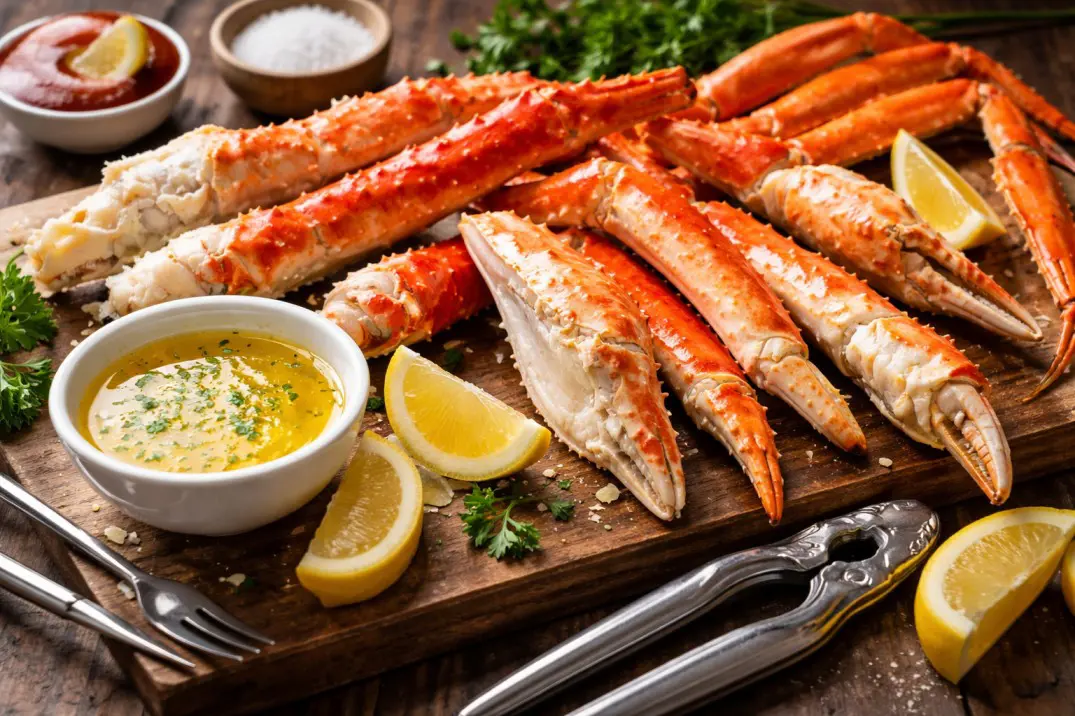
Often from Alaskan king crab, these legs are large, thick, and packed with sweet, firm meat. They are easier to crack because of their size.
Snow Crab Legs
From Chionoecetes opilio, snow crab legs are thinner and slightly more delicate. The meat is tender and mildly sweet.
Dungeness Crab
Dungeness crab legs are shorter but flavorful. They are often served whole, so you may also need to crack the body for additional meat.
Knowing the type helps you adjust your cracking method and expectations.
What You Need Before Eating Crab Legs
To make the process smooth and mess-free, gather the following tools:
-
Crab cracker or seafood nutcracker
-
Seafood fork or small pick
-
Kitchen scissors
-
Small bowl for shells
-
Napkins or paper towels
-
Melted butter and lemon wedges
Some restaurants provide all the necessary tools, but if you’re at home, having these ready will make the process much easier.
How to Prepare Crab Legs
Most crab legs sold in stores are already cooked and flash-frozen. You only need to reheat them before eating.
Steaming
Place crab legs in a steamer basket over boiling water for 5–7 minutes. This method preserves moisture and flavor.
Boiling
Add crab legs to salted boiling water for 4–6 minutes. Avoid overcooking, as it can make the meat rubbery.
Baking
Wrap crab legs in foil and bake at 375°F (190°C) for about 10–12 minutes.
Once heated, serve immediately with melted butter and lemon.
Step-by-Step: How to Eat Crab Legs
1. Separate the Legs
If the cluster is intact, gently twist each leg at the joint to separate it from the body.
2. Crack the Shell
Use a crab cracker to gently crack the shell along the thickest part. Apply steady pressure without crushing the meat inside.
3. Use Kitchen Scissors (Optional but Helpful)
For larger legs like king crab, cut lengthwise along the shell with kitchen scissors. This makes it easier to remove the meat in one piece.
4. Pull Out the Meat
Use your fingers or a seafood fork to slide the meat out carefully. Try to keep it intact for better presentation and dipping.
5. Crack the Claws
Claws have thick shells. Use the cracker to break them open, then use a fork to extract the meat.
6. Dip and Enjoy
Dip the crab meat in melted butter, squeeze fresh lemon juice on top, and enjoy the sweet, rich flavor.
Tips for Getting the Most Meat
-
Crack gently to avoid breaking the meat into small pieces.
-
Roll the leg slightly after cracking to loosen the meat inside.
-
Don’t forget the joints—there’s often delicious meat hidden there.
-
For snow crab, you can sometimes break the shell open with your hands.
Practice makes perfect, and after a few legs, the process becomes second nature.
Best Dipping Sauces for Crab Legs
While melted butter is classic, you can elevate your crab experience with different sauces:
-
Garlic butter
-
Lemon herb butter
-
Spicy Cajun butter
-
Cocktail sauce
-
Aioli
The natural sweetness of crab pairs beautifully with both rich and tangy flavors.
How to Eat Crab Legs at a Restaurant
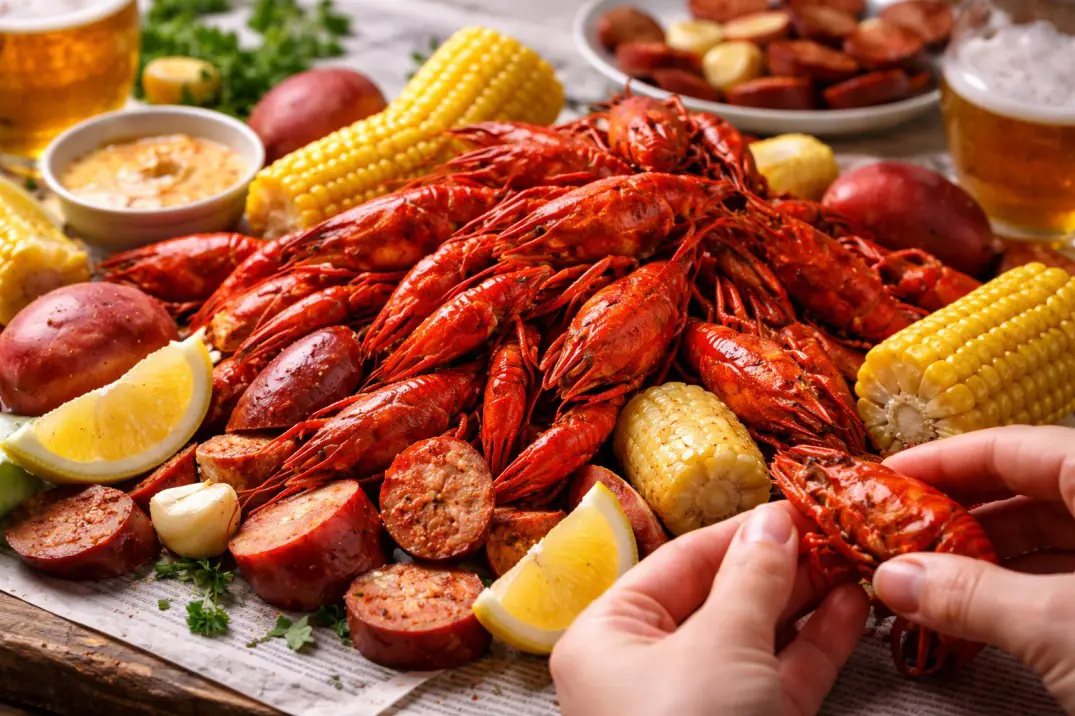
Dining out for crab legs can feel messy, but it’s part of the fun. Restaurants often provide bibs and wet wipes. Take your time, use the tools provided, and don’t rush. Seafood boils, in particular, are meant to be hands-on and interactive.
It’s perfectly acceptable to use your hands—just be mindful of splashing butter or shell pieces.
Common Mistakes to Avoid
-
Overcooking: This makes crab meat tough and dry.
-
Using too much force: Crushing the shell too hard can damage the meat.
-
Skipping the joints: You might miss flavorful pieces.
-
Not warming properly: Cold crab meat loses its buttery texture.
Keeping these in mind ensures a more enjoyable meal.
Serving Ideas and Pairings
Crab legs are often served with:
-
Corn on the cob
-
Roasted potatoes
-
Coleslaw
-
Garlic bread
-
Steamed vegetables
For beverages, white wine like Chardonnay or Sauvignon Blanc pairs wonderfully with crab. Sparkling water with lemon is also refreshing and light.
Final Thoughts
Learning how to eat crab legs may seem complicated at first, but with the right tools and simple techniques, it becomes an enjoyable and satisfying experience. Whether you’re savoring large king crab legs or delicate snow crab clusters, the key is patience and gentle cracking.
The sweet, tender meat is worth the effort, and once you master the process, cracking crab legs can even become part of the fun. Gather your tools, melt some butter, and enjoy every flavorful bite of this seafood favorite.