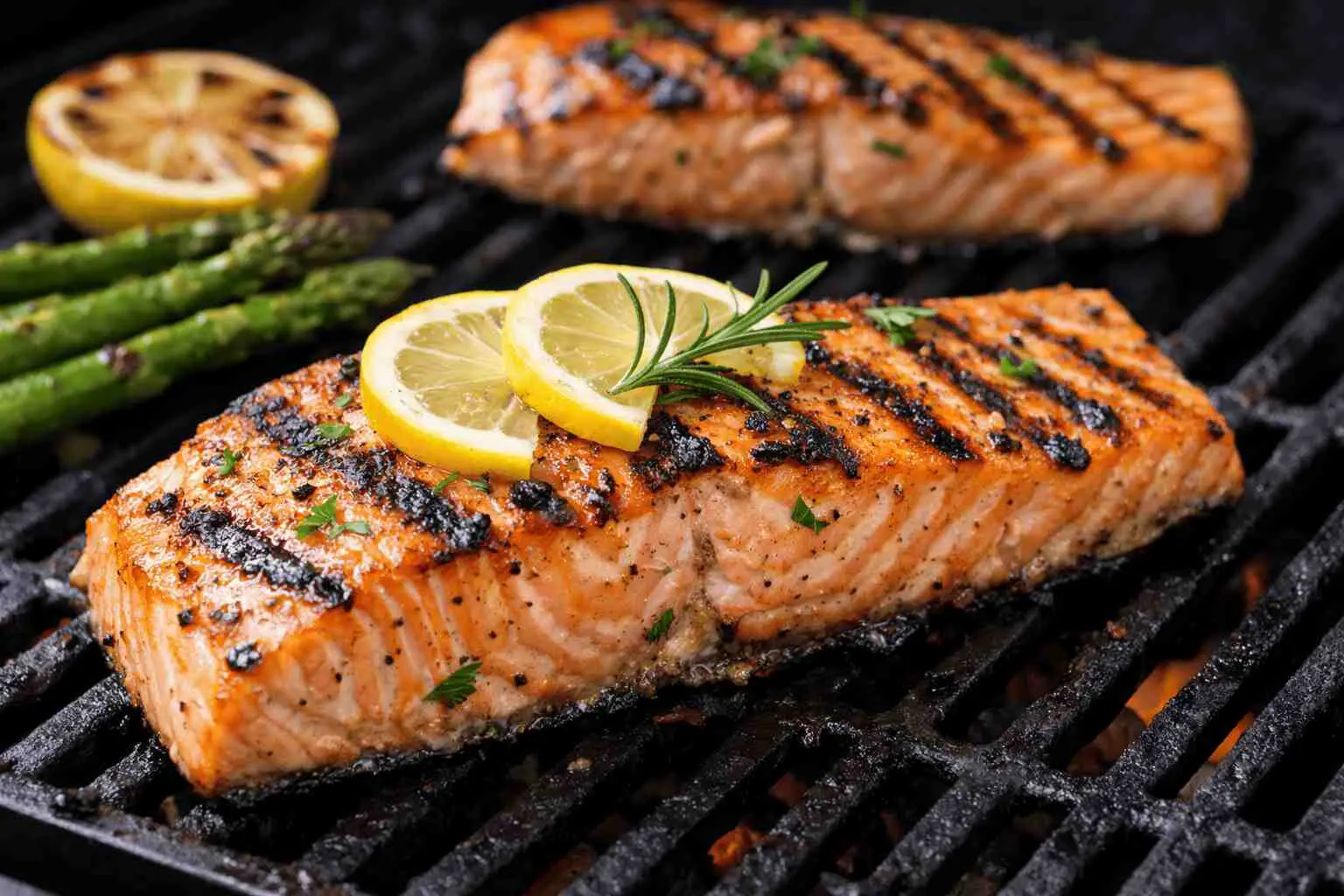
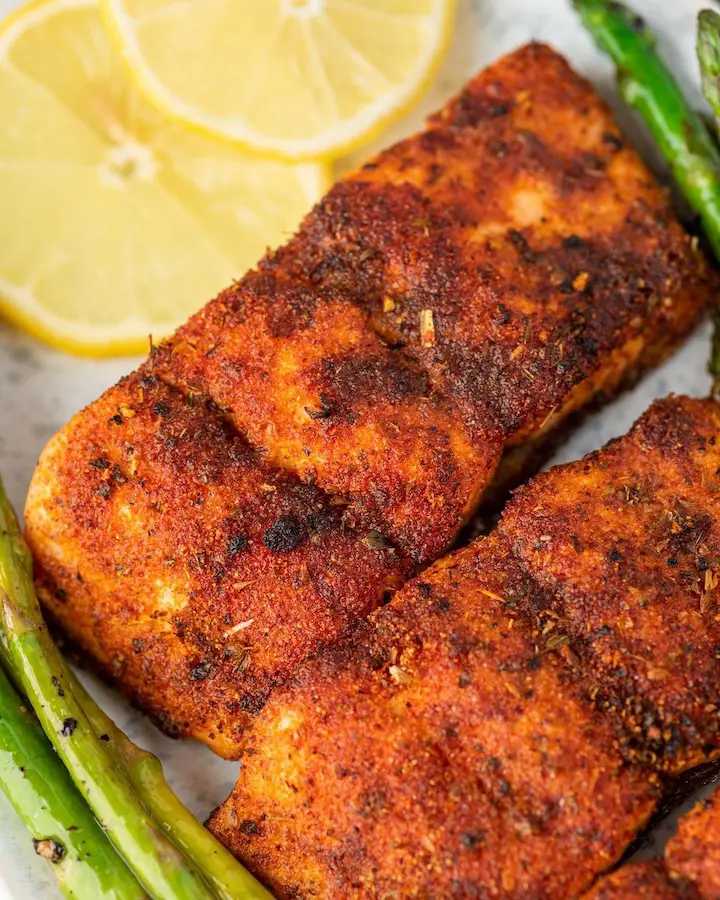
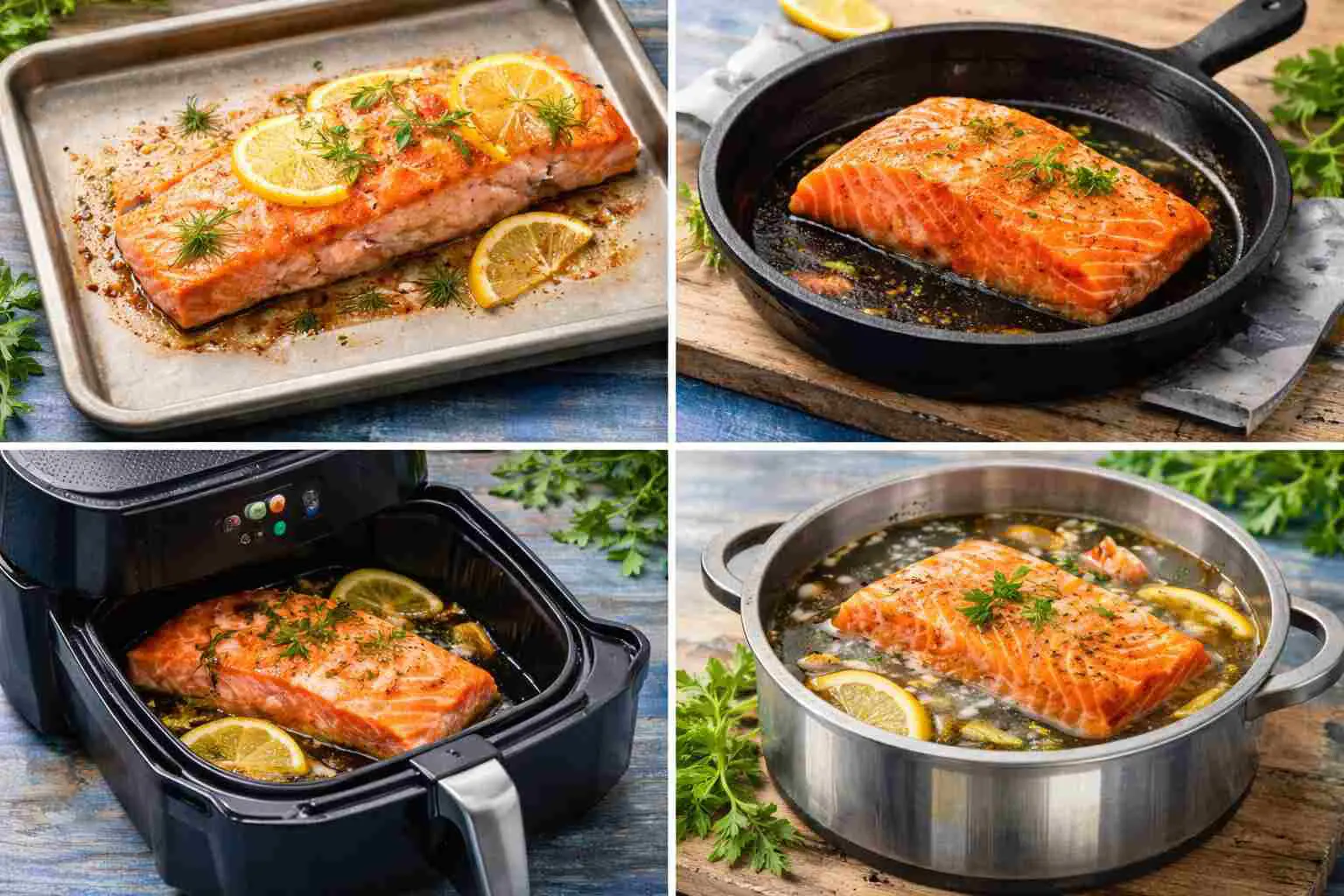
Grilling salmon is an easy way to enjoy this healthy, flavorful fish with incredible taste. The smoky char enhances its natural richness while keeping it tender and moist.
Many people worry about salmon sticking to the grill or drying out, but with the right techniques, grilling salmon is surprisingly easy. From choosing the best cut to mastering grill temperature, this guide will walk you through everything you need to know to grill salmon perfectly every time.
Why Grilled Salmon Is So Popular
Salmon is not only delicious but also packed with nutrients like omega-3 fatty acids, protein, and essential vitamins. Grilling allows excess fat to drip away while locking in flavor, making it a healthy and satisfying cooking method. Plus, grilled salmon pairs beautifully with fresh salads, vegetables, rice, or grilled potatoes.
Choosing the Best Salmon for Grilling
Fresh vs Frozen Salmon
Both fresh and frozen salmon work well for grilling. If using frozen salmon, thaw it completely in the refrigerator and pat it dry before grilling.
Best Cuts for Grilling
-
Salmon fillets: Easy to cook and serve, ideal for beginners
-
Salmon steaks: Thicker and sturdier, less likely to fall apart
-
Skin-on salmon: Highly recommended as the skin protects the fish and prevents sticking
Look for salmon with firm flesh, a fresh smell, and vibrant color.
How to Prepare Salmon for the Grill
Proper preparation makes all the difference when grilling salmon.
Step 1: Clean and Dry
Rinse the salmon briefly under cold water and pat it dry with paper towels. Removing excess moisture helps achieve better grill marks.
Step 2: Season or Marinate
You can keep it simple or add bold flavors.
Simple seasoning:
-
Olive oil
-
Salt
-
Black pepper
-
Lemon juice
Quick marinade ideas:
-
Garlic, soy sauce, honey, and lemon
-
Olive oil, herbs, and minced garlic
-
Dijon mustard, maple syrup, and pepper
Marinate for 15–30 minutes. Avoid marinating too long, as salmon absorbs flavors quickly.
How to Grill Salmon: Step-by-Step
Step 1: Choose the Right Salmon
Start with high-quality salmon, as good ingredients make a big difference in grilling results. Skin-on salmon fillets are best for grilling because the skin acts as a natural barrier between the fish and the grill, helping prevent sticking and overcooking. Look for salmon with firm flesh, a fresh smell, and a bright pink or orange color.
If you’re using frozen salmon, thaw it completely in the refrigerator before grilling. Never grill salmon straight from frozen, as it will cook unevenly and release excess moisture.
Step 2: Prepare the Salmon Properly
Rinse the salmon briefly under cold water to remove any residue, then pat it completely dry with paper towels. Drying the fish is essential because moisture can cause the salmon to steam instead of grill.
Check for pin bones by gently running your fingers over the surface. If you find any, remove them using clean tweezers. This step ensures a better eating experience.
Step 3: Season or Marinate the Salmon
Lightly brush the salmon with olive oil on all sides. Oil helps the seasoning stick and prevents the fish from sticking to the grill.
Season simply with salt and black pepper, or enhance the flavor with lemon juice, garlic, herbs, or spices. If you prefer a marinade, let the salmon marinate for 15 to 30 minutes only. Salmon absorbs flavors quickly, and marinating too long can make the texture mushy.
Step 4: Preheat and Prepare the Grill
Preheat your grill to medium-high heat (around 375–400°F / 190–205°C). A properly heated grill is crucial for good grill marks and even cooking.
While the grill heats, clean the grates thoroughly using a grill brush. Once clean, lightly oil the grates using a folded paper towel dipped in oil and held with tongs. This step greatly reduces sticking.
Step 5: Place the Salmon on the Grill
Once the grill is hot, place the salmon skin-side down directly onto the grill grates. Laying the fish away from you helps prevent oil splashes.
Close the grill lid immediately to trap heat and cook the salmon evenly. Do not move the salmon once it’s placed on the grill—letting it cook undisturbed helps it release naturally from the grates.
Step 6: Grill the First Side
Grill the salmon skin-side down for 4 to 6 minutes, depending on thickness. During this time, the flesh will start turning opaque from the bottom upward.
Avoid pressing the salmon with a spatula, as this squeezes out moisture and can dry out the fish. Let the grill do the work.
Step 7: Flip the Salmon Carefully
Once the salmon releases easily from the grill, gently slide a wide spatula underneath and flip it carefully. If the salmon sticks, give it another 30–60 seconds and try again.
Grill the second side for 3 to 5 minutes. This side usually cooks faster, so keep a close eye to avoid overcooking.
Step 8: Check for Doneness
Salmon is done when it flakes easily with a fork and looks opaque throughout. For accuracy, you can use a meat thermometer—the internal temperature should reach 145°F (63°C) at the thickest part.
If you prefer slightly juicier salmon, you can remove it from the grill just before it reaches full temperature, as it will continue cooking slightly after removal.
Step 9: Rest and Serve
Remove the salmon from the grill and let it rest for 2 to 3 minutes. Resting allows the juices to redistribute, making the salmon more tender and flavorful.
Serve immediately with lemon wedges, fresh herbs, or your favorite side dishes like grilled vegetables, rice, or salad.
How Long to Grill Salmon
-
1-inch thick fillet: 8–10 minutes total
-
Thicker cuts: 10–14 minutes
-
Salmon steaks: 10–12 minutes
A good rule is about 8 minutes per inch of thickness. Salmon is done when it flakes easily with a fork and reaches an internal temperature of 145°F (63°C).
Grilling Salmon in Foil (Optional Method)
If you’re worried about sticking or want extra moisture, grilling salmon in foil is a great option.
-
Place salmon on foil
-
Add butter, lemon slices, and herbs
-
Seal loosely and grill for 12–15 minutes
This method creates tender, juicy salmon with minimal cleanup.
Best Side Dishes for Grilled Salmon
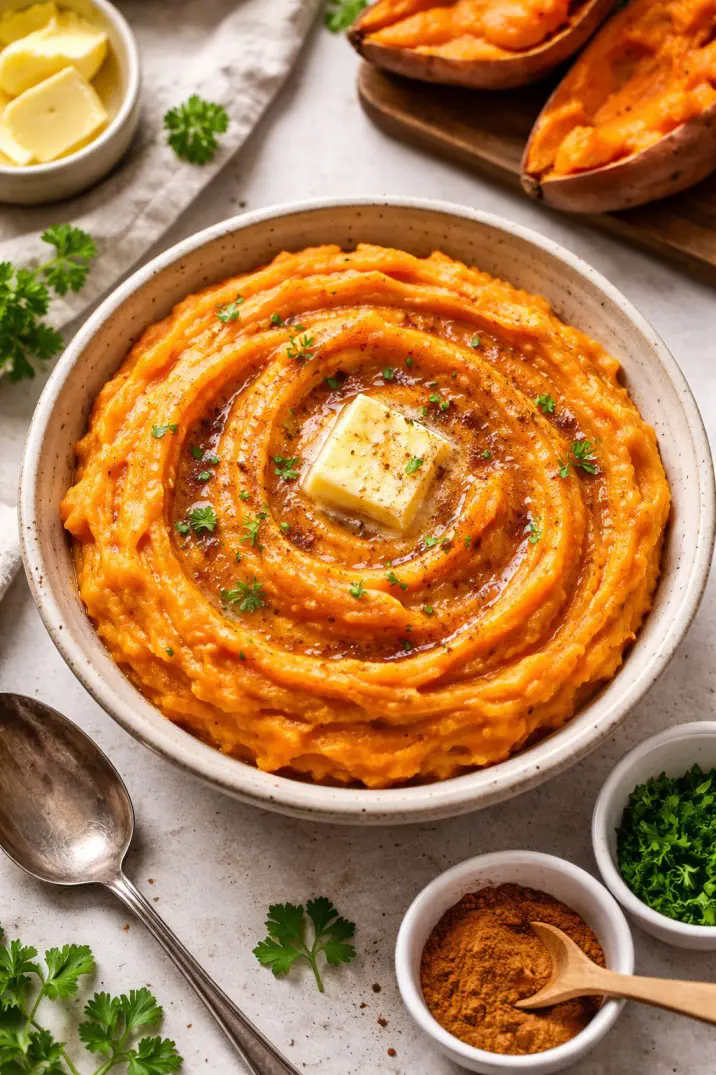
Grilled salmon pairs well with:
Conclusion
Learning how to grill salmon properly opens the door to quick, healthy, and delicious meals. With the right preparation, grill temperature, and timing, you can achieve perfectly flaky, juicy salmon with beautiful grill marks every time. Whether you keep it simple with salt and lemon or experiment with bold marinades, grilled salmon is a versatile dish that never disappoints.
Once you master these techniques, grilling salmon will become one of your go-to cooking skills for any season.