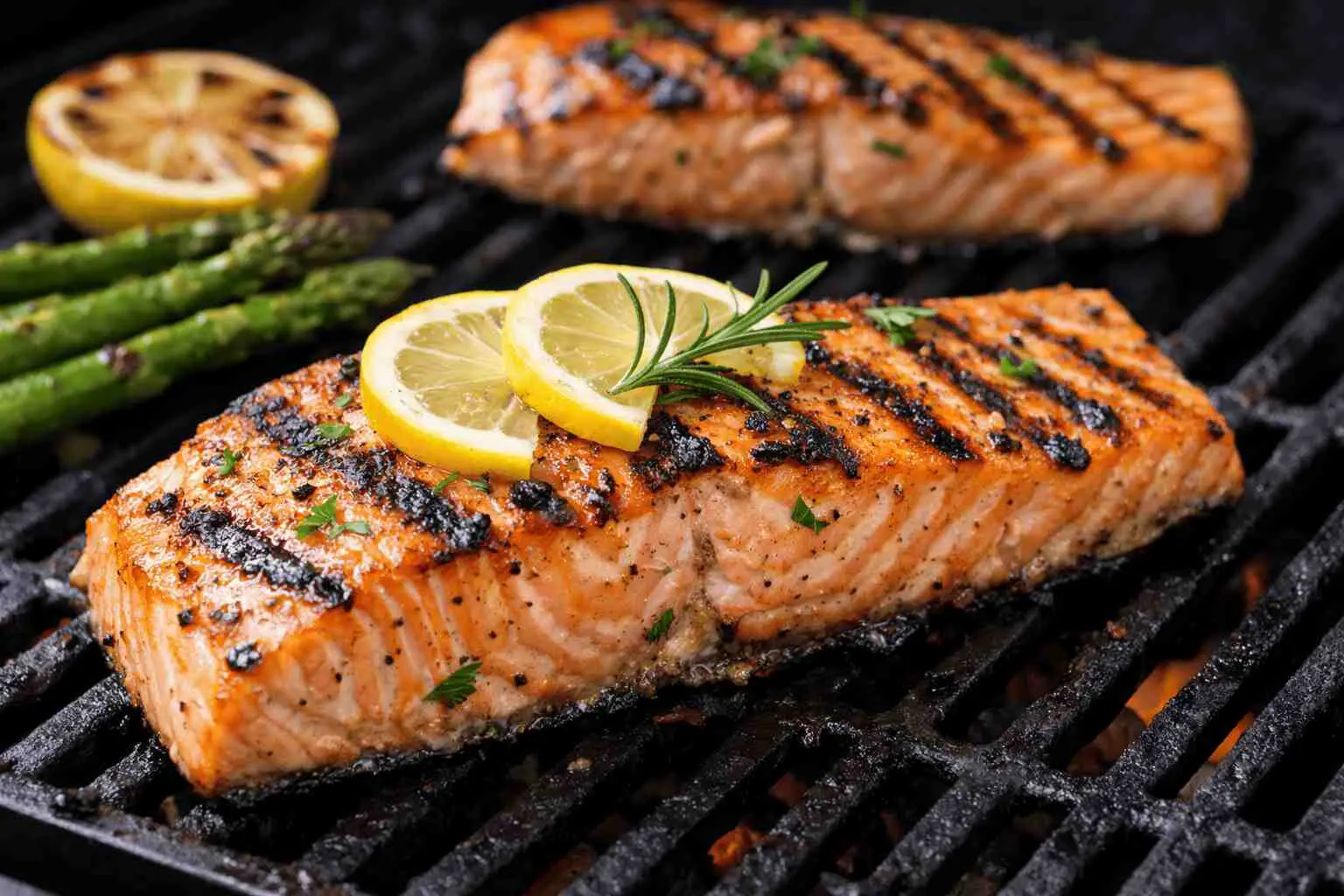
Cooking frozen salmon is easier than you might think. Whether you forgot to thaw it overnight or just want a quick meal, frozen salmon can be cooked safely and deliciously.
From baking to pan-searing, this guide covers all the methods you need to enjoy tender, flaky salmon straight from the freezer.
Frozen salmon retains its flavor and nutrients, making it a convenient and healthy option for busy weeknights. With the right technique, you can have perfectly cooked salmon in less than 30 minutes.
Why Cooking Frozen Salmon Is Safe
Many people worry about cooking fish directly from frozen, but salmon can be safely cooked without thawing. The key is ensuring it reaches an internal temperature of 145°F (63°C). This ensures any harmful bacteria are destroyed while keeping the salmon juicy and flavorful.
Cooking from frozen also has benefits:
-
Saves time and eliminates the need for overnight thawing.
-
Preserves texture and moisture.
-
Makes portion control easier since you can cook only what you need.
Methods to Cook Frozen Salmon
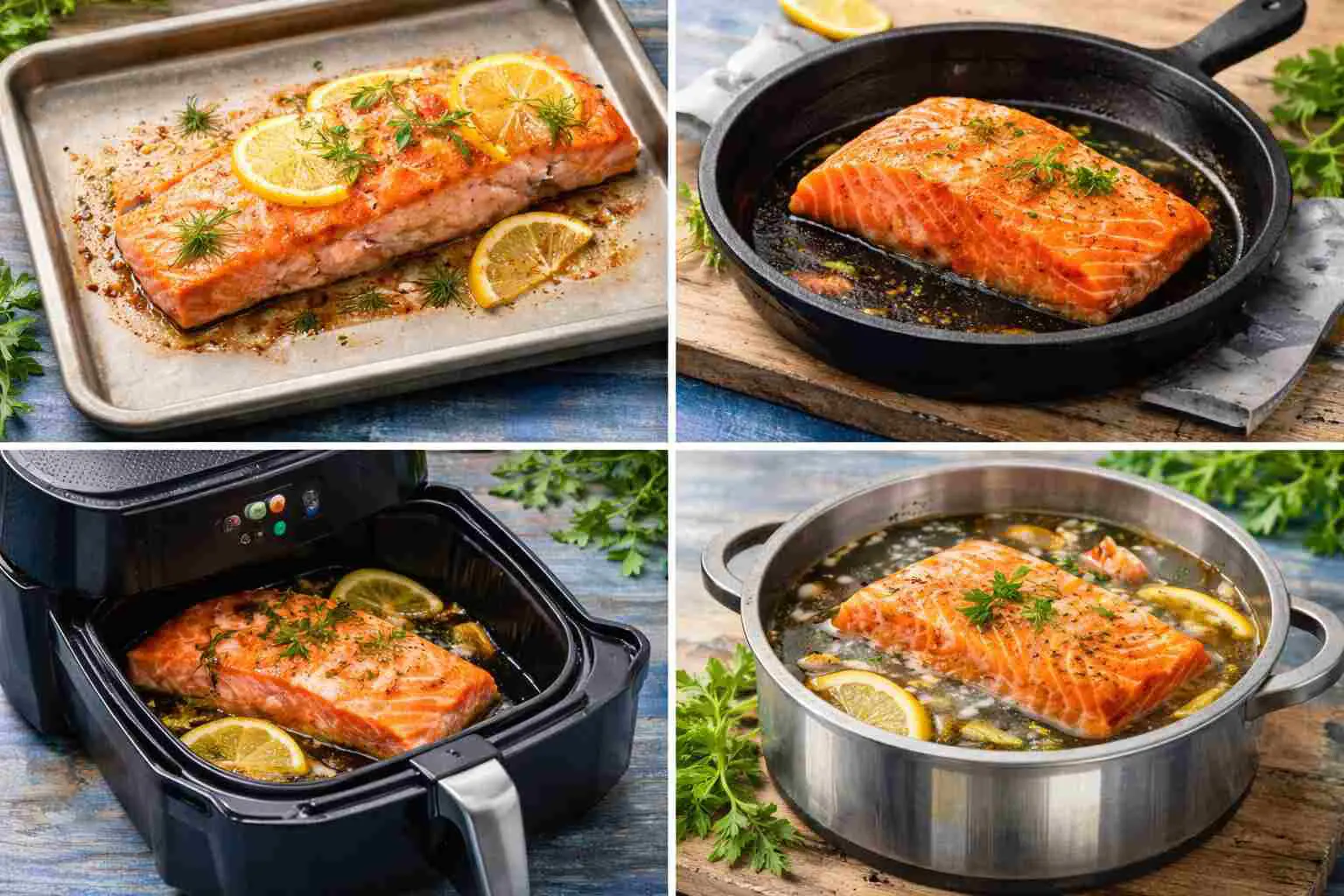
There are several ways to cook frozen salmon, depending on your kitchen tools and time. Here are the most effective methods:
1. Baking Frozen Salmon
Baking is one of the simplest methods and works well if you want minimal effort.
Step-by-Step:
-
Preheat the oven to 425°F (220°C).
-
Line a baking sheet with parchment paper or lightly grease it.
-
Place the frozen salmon fillets on the sheet, skin-side down.
-
Brush the fillets with olive oil and season with salt, pepper, lemon juice, or your favorite herbs.
-
Cover loosely with foil to prevent drying out.
-
Bake for 15–20 minutes, then check for doneness. Salmon should flake easily with a fork.
Tip: If you want a golden top, uncover for the last 5 minutes of baking.
2. Pan-Searing Frozen Salmon
Pan-searing adds a crispy exterior while keeping the inside tender. It works best for fillets around 1 inch thick.
Step-by-Step:
-
Heat 1–2 tablespoons of olive oil in a non-stick skillet over medium heat.
-
Place the frozen salmon fillets skin-side down.
-
Cover the pan and cook for 5–7 minutes.
-
Flip carefully and cook for another 5–7 minutes.
-
Check if the thickest part reaches 145°F (63°C).
Tip: Add a splash of water or broth and cover to steam the salmon, ensuring it cooks evenly without burning.
3. Air Frying Frozen Salmon
Air fryers are perfect for cooking frozen salmon quickly while keeping it moist.
Step-by-Step:
-
Preheat the air fryer to 390°F (200°C).
-
Lightly brush the salmon fillets with olive oil and season as desired.
-
Place the fillets in the air fryer basket in a single layer.
-
Cook for 12–15 minutes, depending on thickness.
-
Check for doneness and let rest for 2–3 minutes before serving.
Tip: Add lemon slices on top for extra flavor and moisture.
4. Poaching Frozen Salmon
Poaching is a gentle method that keeps salmon very tender.
Step-by-Step:
-
Fill a skillet with water or broth and bring to a gentle simmer.
-
Add aromatics like lemon slices, garlic, or herbs.
-
Place the frozen salmon in the simmering liquid.
-
Cover and cook for 10–15 minutes.
-
Check the internal temperature to ensure it reaches 145°F (63°C).
Tip: Poaching is excellent for flaky salads or adding cooked salmon to pasta dishes.
Tips for Perfect Frozen Salmon
-
Do not overcook: Salmon cooks quickly, and overcooking makes it dry.
-
Season well: Even frozen, season the fillets before cooking for the best flavor.
-
Use a thermometer: Ensure the salmon reaches 145°F (63°C) in the thickest part.
-
Serve immediately: Salmon tastes best fresh out of the oven, pan, or air fryer.
Delicious Serving Ideas
Once your frozen salmon is cooked, you can serve it in a variety of ways:
-
With steamed vegetables and rice for a healthy dinner.
-
Flaked over a fresh salad for a light lunch.
-
Topped with a creamy dill or garlic sauce for extra flavor.
-
Added to pasta or grain bowls with a squeeze of lemon.
Conclusion
Cooking frozen salmon is quick, safe, and convenient. Whether you bake, pan-sear, air fry, or poach, frozen salmon can be just as delicious as fresh. With the right seasoning and cooking method, you can enjoy tender, flaky salmon any night of the week.
Frozen salmon proves that you don’t need to plan ahead to have a nutritious and satisfying meal. Next time you find yourself staring at a bag of frozen fillets, use one of these methods, and you’ll have a flavorful dinner in under 30 minutes.