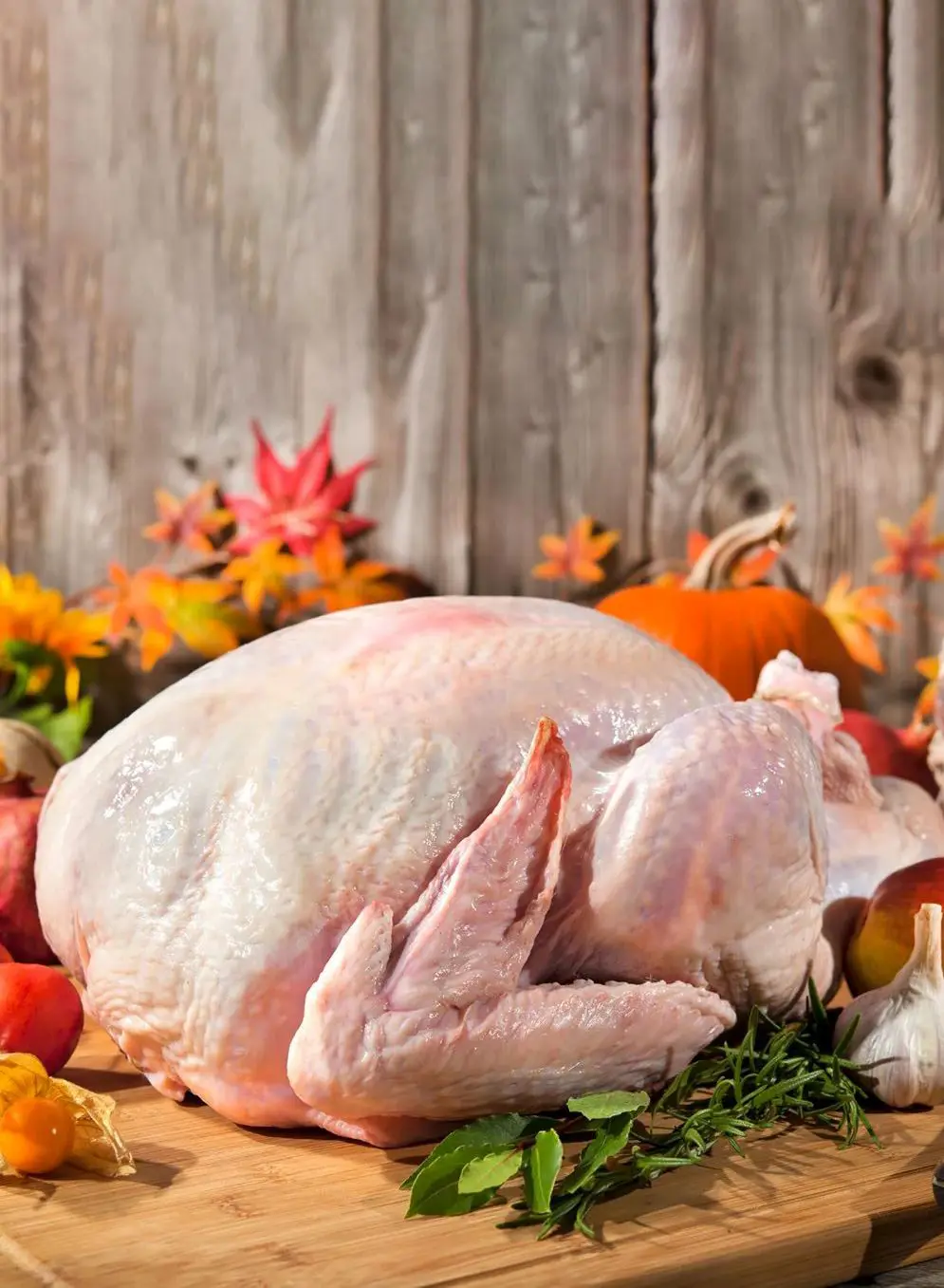
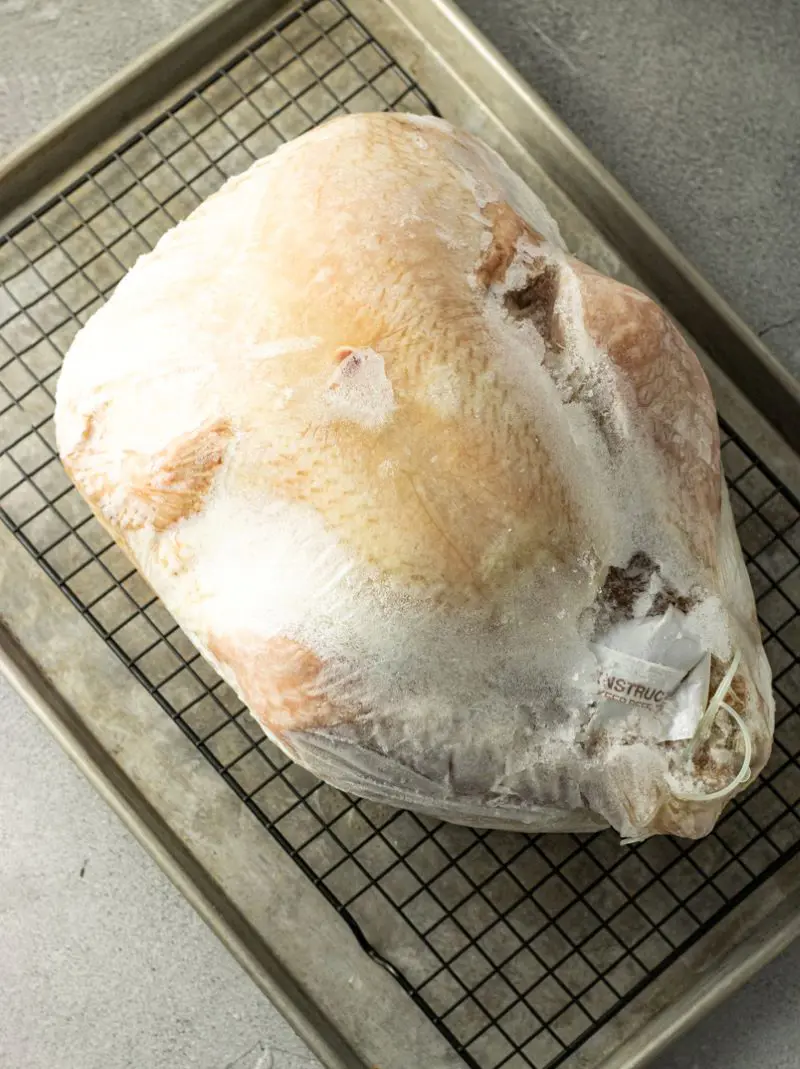
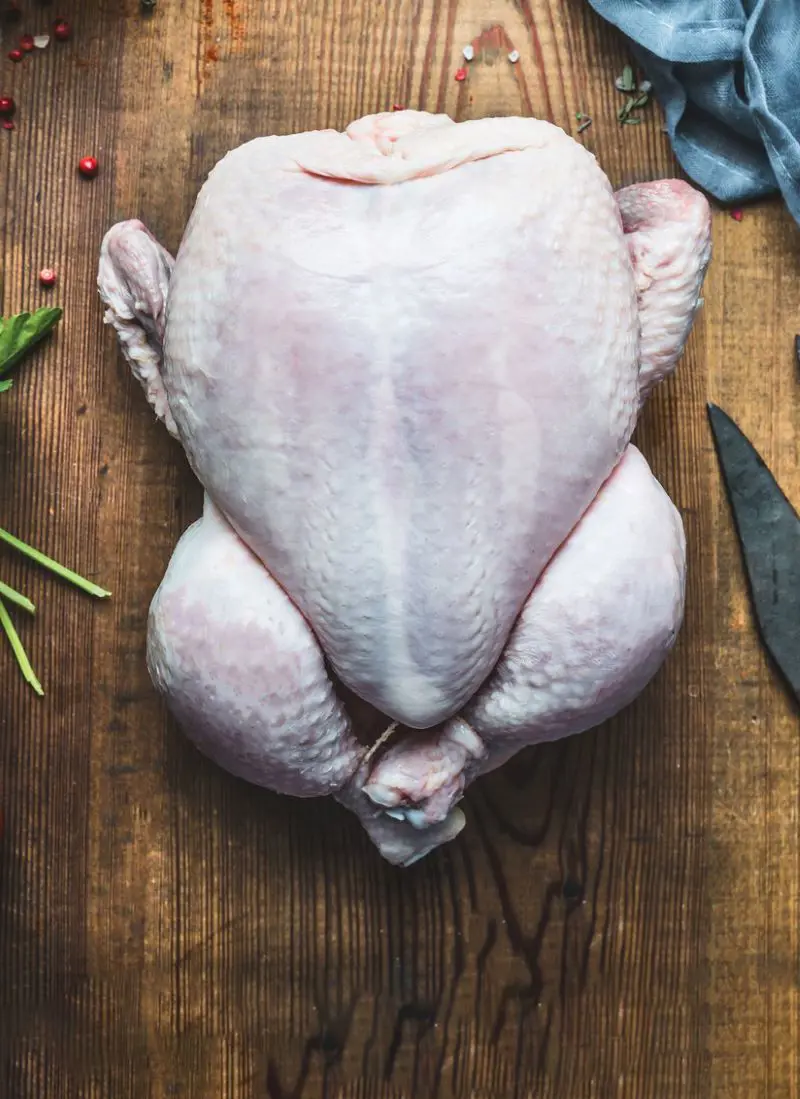
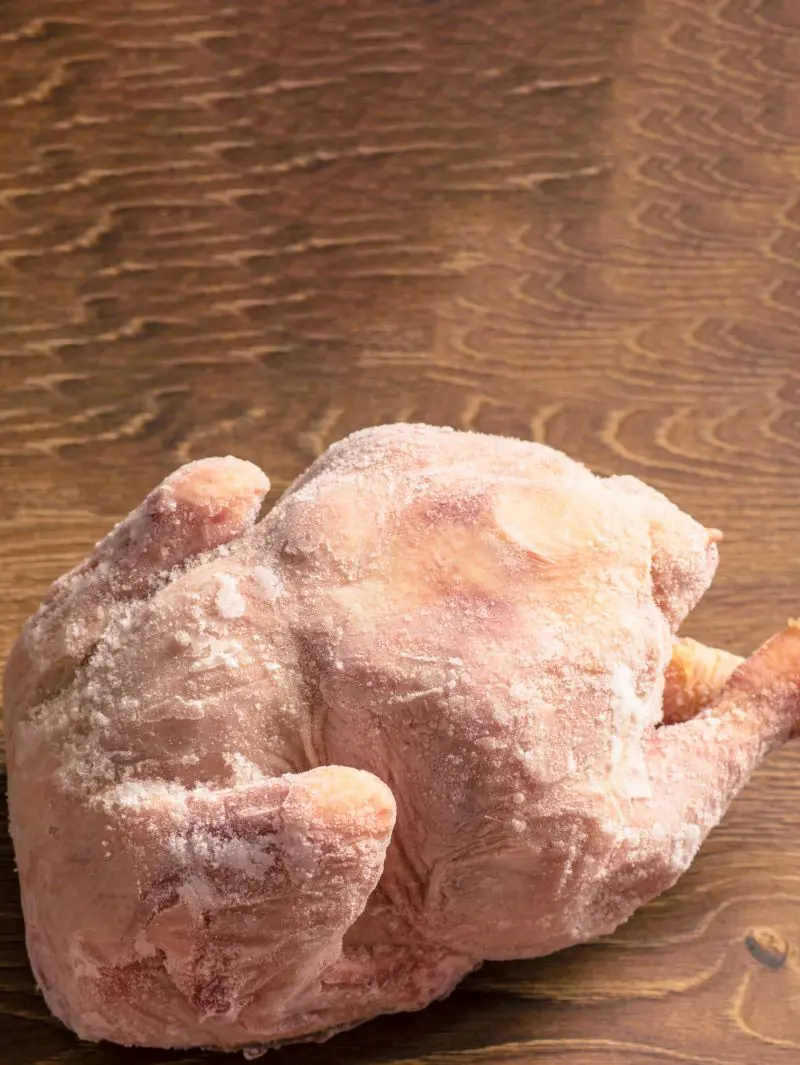
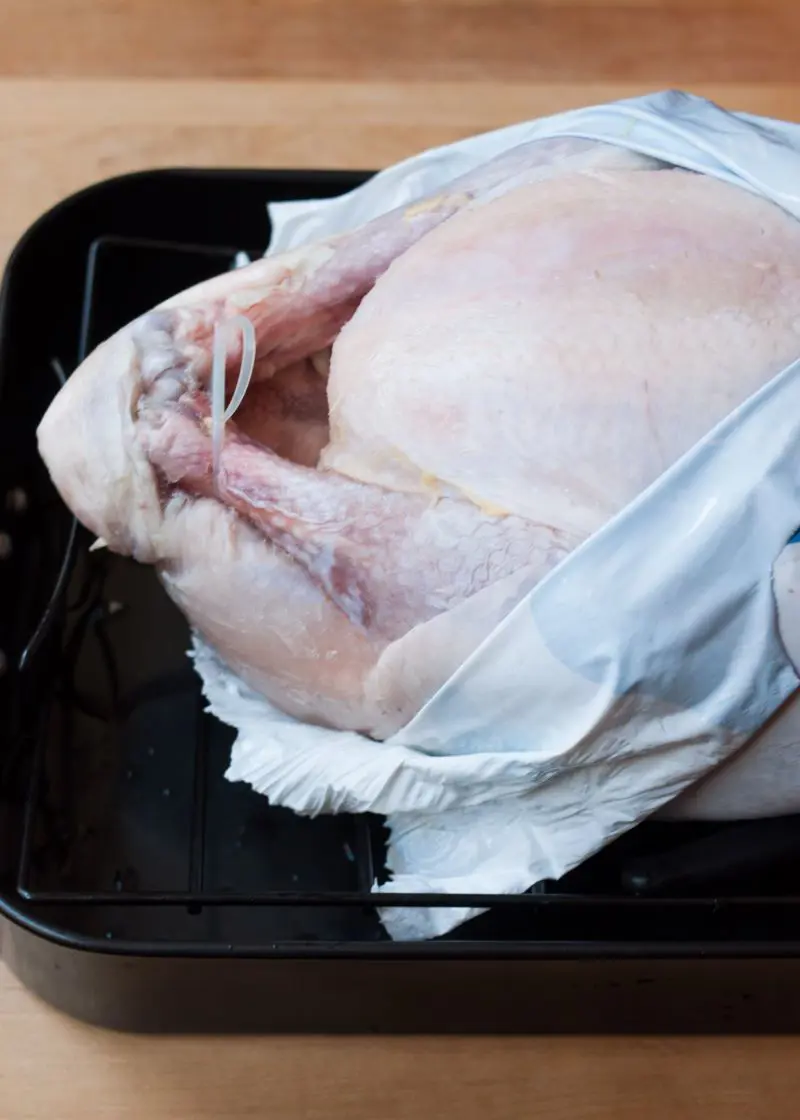
A beautiful, golden-brown turkey on the middle of the table completes the Thanksgiving celebration. In the United States, turkey is a traditional centerpiece for Thanksgiving dinner as well as various holidays along with Christmas.
Whether you need to roast, deep fry, or smoke your turkey a vital step that every home cook should address before the holidays is defrosting. A frozen turkey is secure, but as soon as it starts to thaw, any bacteria present earlier than freezing can start to grow again. Therefore, the use of proper defrosting techniques is crucial for meal safety.
How To Defrost The Turkey: 3 Ways
You can apply different strategies to thaw your turkey, depending on how much time you have got. Whether you select the fridge, cold water, or microwave method, each approach has its very own advantages. Here’s a manual of three effective techniques for defrosting your frozen turkey.
1. Refrigerator Thawing
Using the refrigerator to thaw your turkey is the safest and simplest method, and it is also encouraged by way of the USDA. This is because you have the maximum control over the temperature with this method. This allows your turkey to unfreeze at a regular, safe temperature.
However, persistence is key, as this method takes some time: about one day for every 4 to 5 pounds of turkey.
Plan Ahead: Defrosting within the refrigerator takes time. Allow 24 hours for each four to five pounds of turkey. Take example, a sixteen-pound turkey needs about 4 days to thaw. Plan your defrosting time hence, so if you have a sixteen-pound turkey, start thawing it a minimum of four days in advance then you propose to prepare it.
Check Your Refrigerator Temperature: Make certain your refrigerator is prepared to 40°F (4°C) or beneath. This temperature permits preserving the turkey as it defrosts.
Prepare the Turkey: Keep the turkey in its actual packaging to save its juices from leaking and contaminating other additives in your fridge.
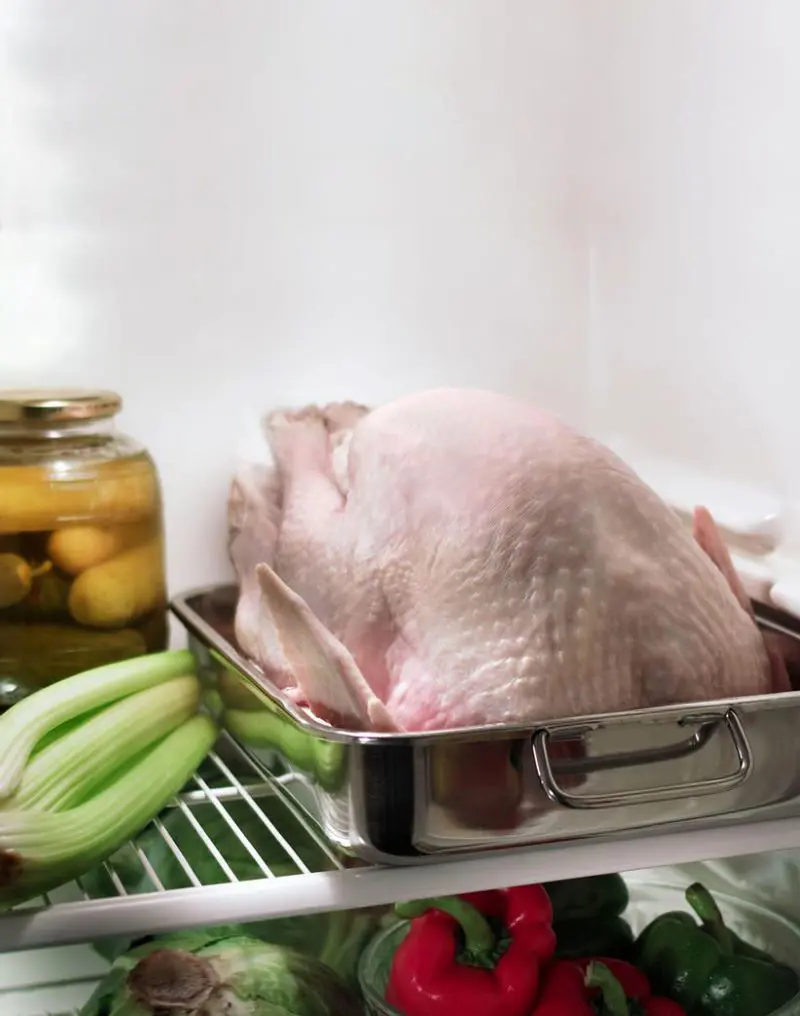
Use a Shallow Pan: Place the turkey in a shallow pan at the lowest of your fridge. This prevents cross-contamination and helps your fridge keep clean.
Store at the Bottom Shelf: Put the pan with the turkey on the bottom shelf. This prevents any drips from contaminating other elements.
Check for Thawing: After the allocated thawing time, test to see if the turkey is fully thawed. You can gently press the turkey to see if it feels easy throughout. If it’s nevertheless a bit firm in some spots, deliver it extra time.
Handle the Neck and Giblets: If you propose to use the neck and giblets preserve them inside the fridge in their packaging till you’re prepared to cook.
Enjoy: Once thawed, the turkey can stay refrigerated for up to two days before cooking.
instagram
2. Cold Water Thawing
Don't have sufficient room or access to a refrigerator? Don't fear, you simply want cold water to thaw your turkey. This is particularly beneficial if you're quick on time and want to get your turkey ready quicker than conventional strategies allow, without compromising its quality or safety.
Initial Prepping: You have to leave the turkey in its authentic packaging. This will help protect it from bacteria and prevent water from getting inside, which can make the turkey soggy.
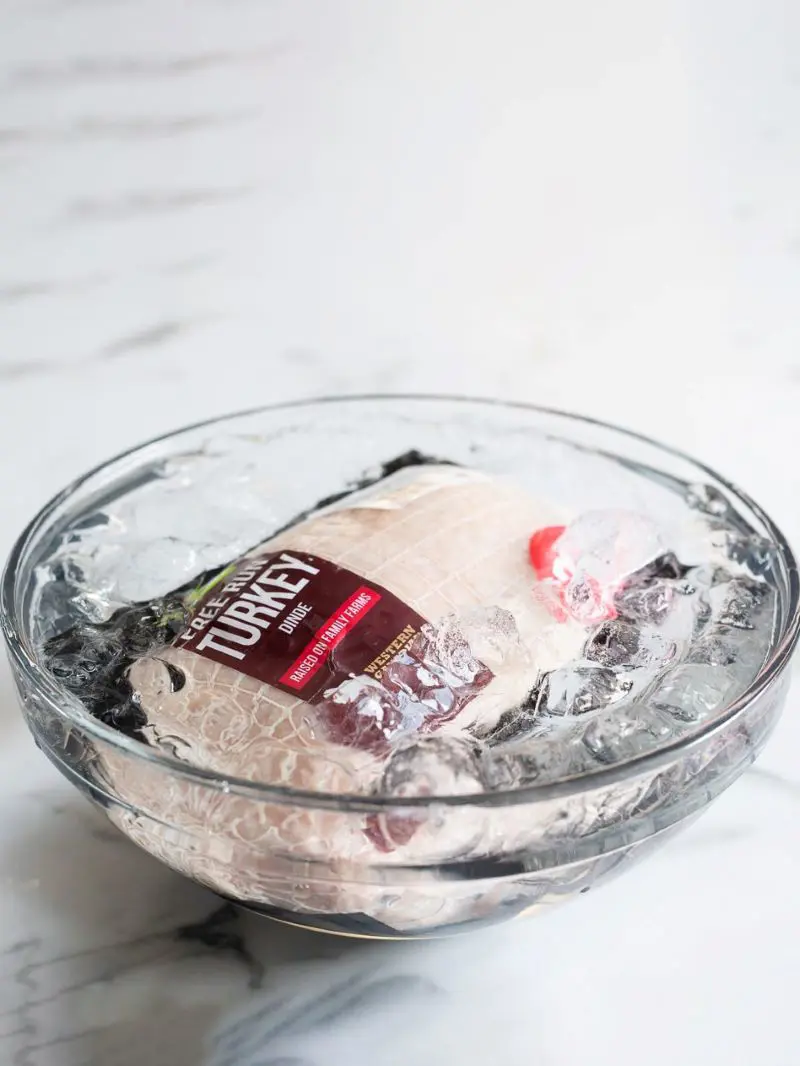
Fill the Sink: Fill a sink or huge container with cold water. The container or sink needs to be clean. Ensure the water is cold, not lukewarm. Warm or also hot water could bring the outer layers of the turkey to a risky temperature, potentially leading to bacterial growth.
Submerge the Turkey: Carefully place the turkey in the cold water. Make certain it's completely submerged. If the turkey floats, you could need to weigh it down with a heavy plate or pan to keep it fully underwater.
Monitor and Change Water: Every half-hour, empty the water and update it with fresh water. This will maintain consistently cold surroundings, which continues the turkey at a secure temperature.
Calculate Thawing Time: Allow 30 minutes of thawing time according to a pound/lb of turkey. For instance, a 16-pound turkey will take approximately 8 hours to thaw by this approach. Plan your timing cautiously, as you’ll need to begin the thawing system early enough to have the turkey equipped when you want it.
Cook Immediately: Once the turkey is fully thawed cook it without delay to prevent foodborne infection.
instagram
3. Microwave Thawing
Before you commit to defrosting the chook within the microwave, you must take a look at the owner's manual. This will help you decide the size of the turkey that will fit your microwave, the power level to use while thawing, and the minutes per pound.
Typically, a 12 to 14-pound turkey is the maximum size that microwaves can accommodate.
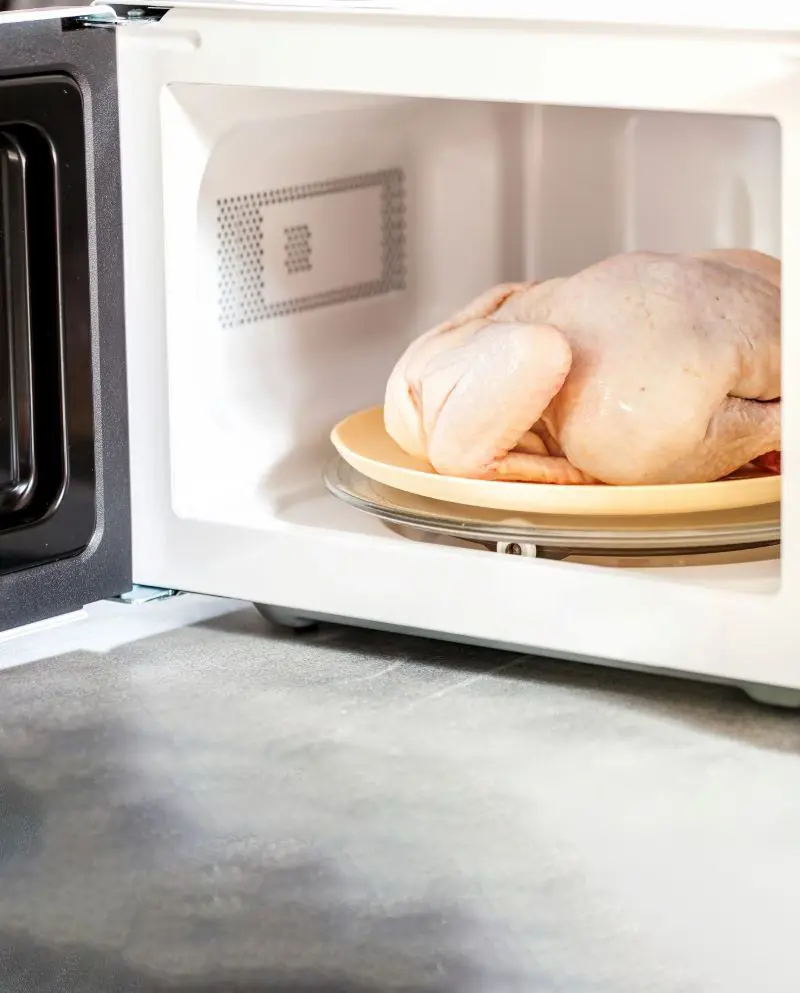
Remove Outer Wrapping: Take the turkey out of its packaging. Now position the turkey on a microwave-secure dish or plate. This dish will capture any juices that may leak out during the thawing process, keeping your microwave clean and deterring a mess.
Use Defrost Function: Most microwaves have a defrost feature that allows you to enter the load of the meals you’re thawing. If your microwave has this selection, input the turkey’s weight and let the microwave routinely set the time and energy stage. If not, you can manually set the microwave to approximately 30% power and permit more or less 6 mins per pound for thawing.
Rotate and Flip: During defrosting, rotate the turkey several times and turn it over to ensure even thawing. You may also want to stop the microwave every little while to turn the turkey.
Prevent Overcooking: If the turkey starts to cook in preference to simply defrosting, let it relax for a couple of minutes.
Protect Tips: You can cowl the tips of the wings and drumsticks with aluminum foil. This will shield them from the microwaves.
Finish: Once the turkey is fully thawed, prepare it right away! Do not leave it out at room temperature or refrigerate it for a long time after thawing as this can lead to microorganism growth.
instagram
What Is The Best Way To Defrost Turkey
The optimal method to defrost a turkey is in the fridge; This approach is secure and maintains the turkey at a constant, cold temperature, which prohibits microorganisms from developing.
It takes about 24 hours for each 4-5 lb of turkey, so it's exceptional to plot beforehand. While it calls for time, it ensures the turkey defrosts lightly and remains fresh.
Using cold water is faster, taking approximately 30 minutes per pound. However, you ought to change the water every 30 minutes to hold it cold and save bacterial growth. This approach is extensive and can be problematic to manage.
Microwave defrosting is the quickest method but can cause choppy thawing. Parts of the turkey would possibly begin cooking at the same time as others remain frozen. This can also have an effect on the turkey's texture and taste. If you operate the microwave, cook the turkey straight away after defrosting to avoid any meal-safety issues.
How Long Does The Turkey Take To Defrost
instagram
The time it takes to defrost a turkey depends at the method you operate and the size of the turkey. In the refrigerator, a turkey can take about 24 hrs per five pound/lb. Take example, a 10-pound turkey would take around 48 hours.
Using the cold water method, a turkey can defrost in approximately 30 minutes in keeping with pound. So, a ten-pound turkey could take about five hours. Defrosting inside the microwave is the fastest approach, taking about 6 minutes according to pound. A 10-pound/lb turkey might be geared up in about 60 mins/an hour.
Factors that could have an impact on thawing time consist of the size of the turkey, the initial temperature of the turkey, and the temperature of the refrigerator or water. A massive turkey will take longer to defrost, at the same time as a turkey that is frozen strong will take longer than one that is somewhat unfreezed.
Why Is Defrosting The Turkey Important
instagram
Properly defrosting turkey is critical for food protection and cooking great. Here are the key reasons why it subjects:
Even Cooking: Defrosting the turkey allows the heat to penetrate the bird meat calmly for the duration of cooking. If you prepare dinner with a frozen turkey the outside can end up overcooked while the inside may stay frozen. This choppy cooking can result in the parts of the turkey being undercooked.
Safe Cooking: Proper defrosting guarantees that the turkey cooks to a secure inner temperature. Cooking from frozen will increase the risk that the bird's insides might not reach the safe temperature to kill harmful microorganisms, that could cause foodborne illnesses.
Improved Flavor and Texture: A thawed turkey roast more uniformly; resulting in higher taste and texture. When the turkey is defrosted properly, it absorbs the seasonings and marinades more efficaciously.
Reduced Cooking Time: Cooking a defrosted turkey takes less time than cooking one from frozen. This enables you to avoid extended cooking instances, that may lead to a drier turkey and more energy usage.
Better Browning: A thawed turkey browns more frivolously. When the turkey is well-defrosted, the skin crisps up nicely, giving you that proper golden-brown color and crispy texture.
Easier Handling: A defrosted turkey is less complicated to address and prepare. You can stuff, season, and truss it more effortlessly while it’s thawed, which helps make certain that it cooks evenly and keeps its shape.
How Not To Thaw A Turkey
instagram
Here are a few thawing strategies you ought to keep away from:
Thawing a frozen turkey on the counter, inside the garage or on the back porch isn’t secure due to the fact that those places can grow to be too warm. When the turkey remains in these warm situations microbes can grow fast, inviting foodborne infection.
Using a brown paper grocery bag or a plastic rubbish bag for thawing isn’t a great concept due to the fact those baggage aren’t designed for food safety. They may not defend the turkey properly or keep it at the right temperature.
Thawing a turkey in the dishwasher, whether you use water or not, is likewise not endorsed. Dishwashers don’t provide even heating, which can cause the turkey to thaw inconsistently and may not hold it at a safe temperature.
For secure thawing, keep on with the refrigerator, cold water, or microwave methods, which hold the turkey to the right temperature and assist prevent pathogens from developing.
Can You Cook Frozen Turkey
instagram
It's Thanksgiving morning and your turkey continues to be icy, no need to panic! It is perfectly secure to prepare a turkey from the frozen state. Just recollect, it will take longer time to prepare. A solidly frozen chicken will take 50 percent longer in minimal to cook dinner in comparison to a thawed one.
If the poultry is only partially froze, it will take a bit longer to cook. To check the doneness, use your food thermometer. When the bird measures 165˚F in the innermost part of the wings, innermost part of the thigh and the thickest part of the breast, your feast is ready to dive in.
Is It Okay To Refreeze Turkey That Has Been Defrosted
Refreezing turkey that has been defrosted may be secure below certain conditions, but it relies upon how the turkey was thawed. If the turkey was defrosted inside the refrigerator and has been kept at a safe temperature (below 40˚F) in the course of the method, it's normally okay to refreeze it.
However, if the turkey was thawed using different methods, such as cold water or the microwave, it should not be refrozen until it has been cooked first. Refreezing defrosted turkey can have an effect on its texture and flavor, as ice crystals can harm the meat’s cells, leading to a loss of quality.
To ensure the best results, try to cook the turkey after thawing and freeze it if needed.