Tom Yum soup is a quintessential dish in Thai cuisine, renowned for its vibrant flavors and aromatic qualities. This hot and sour soup has captured the hearts of food enthusiasts worldwide, making it one of the most beloved dishes from Thailand.
In this article, we delve into the origins, cultural significance, global variations, modern recipes, and health benefits of Tom Yum soup.
Recipe
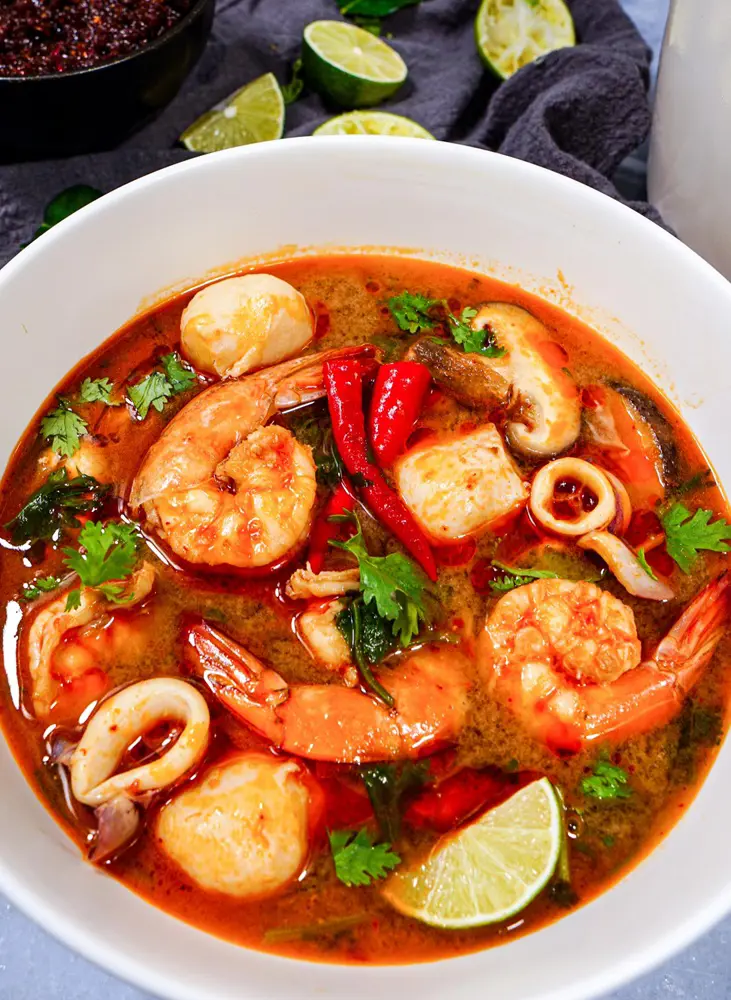
While traditional Tom Yum soup recipes have stood the test of time, modern variations have emerged to cater to contemporary tastes and dietary preferences. Here's a modern take on Tom Yum soup:
Ingredients:
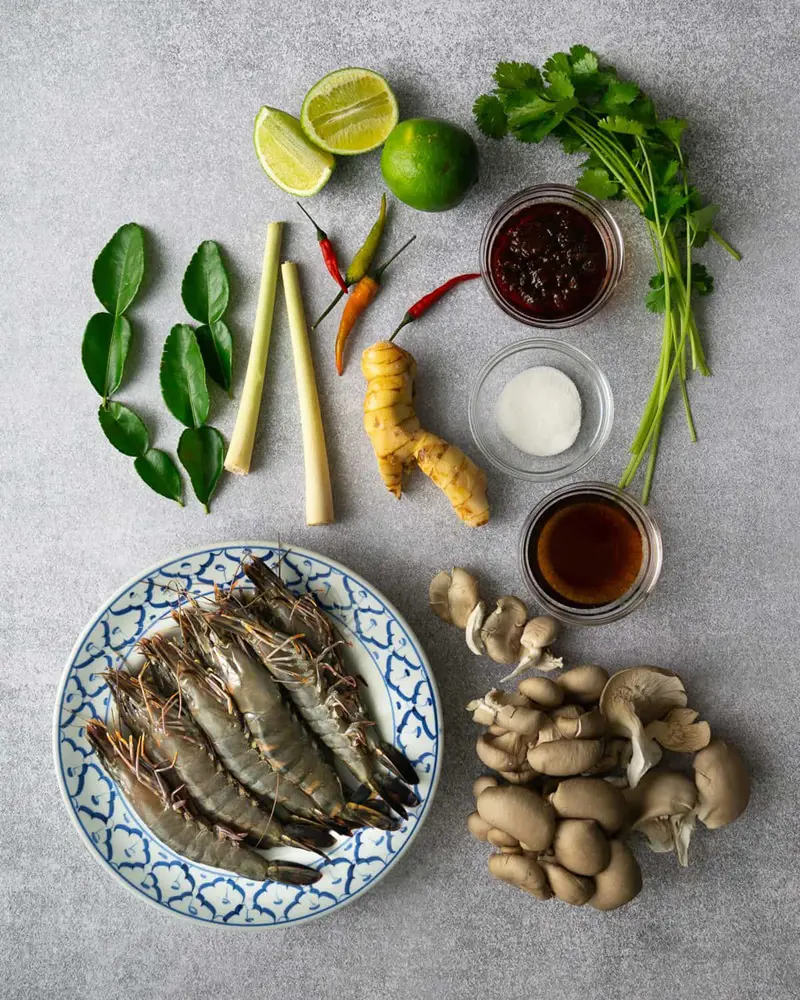
- 1 liter of chicken or vegetable broth
- 200 grams of shrimp, cleaned and deveined
- 2 stalks of lemongrass, cut into 1-inch pieces and bruised
- 3-4 kaffir lime leaves, torn into pieces
- 1 thumb-sized piece of galangal, sliced
- 2-3 bird's eye chilies, crushed
- 200 grams of mushrooms, sliced
- 2 tomatoes, quartered
- 1 small onion, sliced
- 1-2 tablespoons of fish sauce (or soy sauce for a vegetarian version)
- 1-2 tablespoons of lime juice
- 1 teaspoon of sugar
- Fresh cilantro leaves for garnish
Instructions:
-
Prepare the Broth: In a large pot, bring the chicken or vegetable broth to a boil. Add the lemongrass, kaffir lime leaves, galangal, and bird's eye chilies. Let it simmer for about 5-10 minutes to infuse the flavors.
-
Add Vegetables and Shrimp: Add the mushrooms, tomatoes, and onions to the pot. Allow them to cook until they soften, which should take around 5 minutes. Then, add the shrimp and cook until they turn pink and opaque.
-
Season the Soup: Stir in the fish sauce (or soy sauce), lime juice, and sugar. Adjust the seasoning to taste, ensuring a balance of sour, spicy, and savory flavors.
-
Serve: Ladle the soup into bowls, garnish with fresh cilantro leaves, and serve hot. Enjoy the modern take on this traditional Thai delicacy.
Variations Around the Globe
Tom Yum soup has transcended borders, gaining popularity in various parts of the world. As it has traveled, it has adapted to local tastes and ingredients, resulting in unique variations. Here are some notable regional adaptations:
1. Tom Yum Goong (Thailand)
The classic version, Tom Yum Goong, features shrimp as the primary protein. It is known for its clear broth, aromatic herbs, and a perfect balance of sour, spicy, and savory flavors. This version remains closest to the original recipe, retaining its traditional charm.
2. Tom Yum Talay (Thailand)
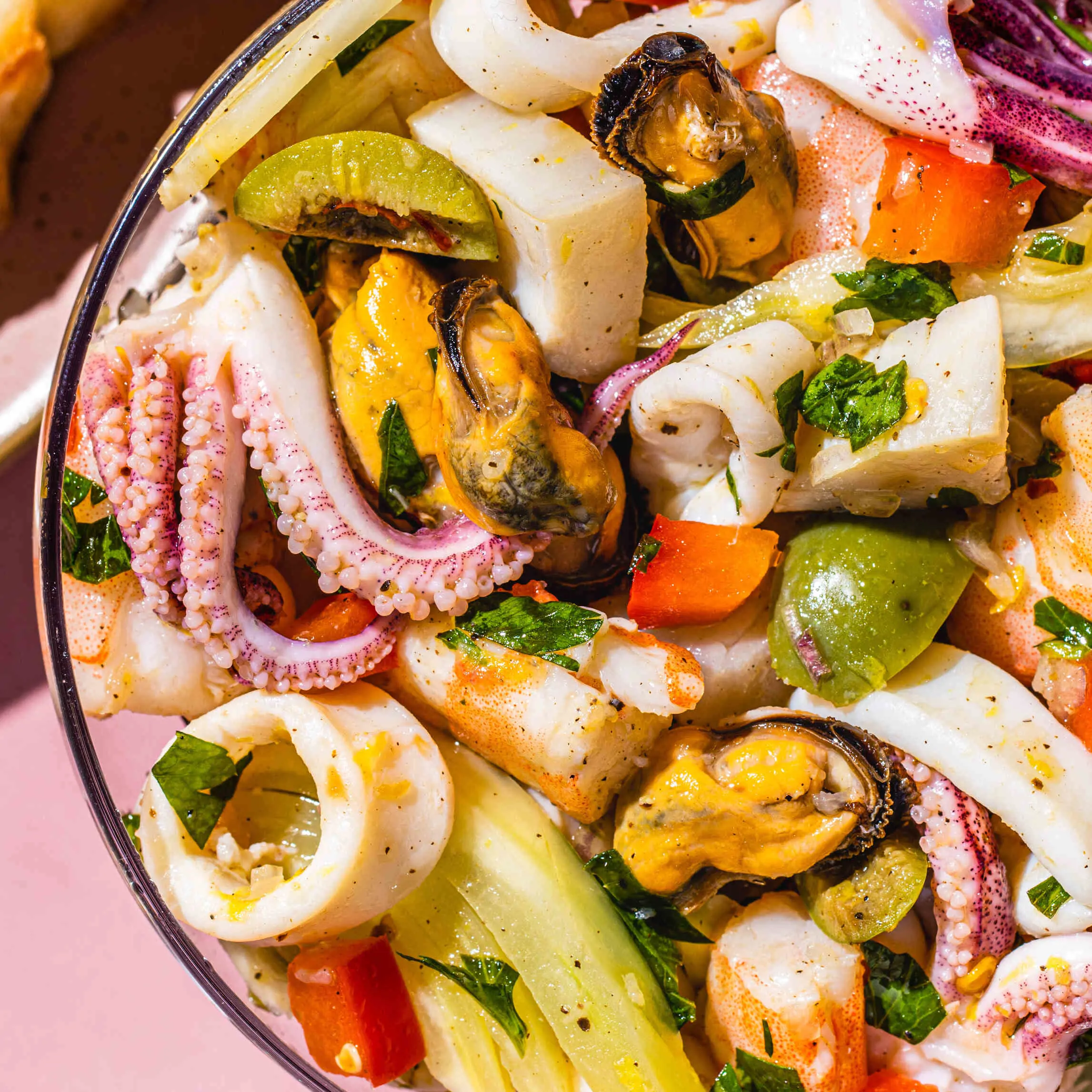
This seafood variant, Tom Yum Talay, incorporates a medley of seafood such as fish, squid, and mussels. It is a popular choice along coastal regions of Thailand, where fresh seafood is readily available. The diverse seafood adds layers of flavor and texture to the soup.
3. Tom Yum Gai (Thailand)
Tom Yum Gai substitutes shrimp with chicken, making it a versatile option for those who prefer poultry. The preparation and ingredients remain largely the same, with the chicken imparting a different richness to the broth.
4. Tom Yum Kungfu (China)
In China, Tom Yum soup has been adapted to suit local palates by incorporating a variety of vegetables, tofu, and sometimes noodles. This version often features a thicker, more robust broth, reflecting the Chinese preference for hearty soups.
5. Tom Yum Ramen (Japan)
Japan's love for ramen has led to the creation of Tom Yum Ramen, a fusion dish that combines the flavors of Tom Yum with traditional ramen noodles. This hybrid dish features the distinctive tanginess and spiciness of Tom Yum, paired with the comforting texture of ramen.
6. Tom Yum with Coconut Milk (Western Countries)
In many Western countries, Tom Yum soup has been modified to include coconut milk, creating a creamier and richer version. This adaptation, known as Tom Kha, mellows the soup's acidity and heat, making it more accessible to those unaccustomed to intense spiciness.
Pairing Suggestions
To complement and enhance these distinctive tastes, consider pairing the soup with the following:
-
Riesling: An off-dry Riesling, with its slight sweetness, pairs wonderfully with the spicy and sour profile of Tom Yum Soup. The natural acidity and fruity notes of the wine balance the heat and citrusy elements of the soup, creating a harmonious experience.
-
Thai Iced Tea: This classic Thai beverage, with its rich, creamy texture and sweet, spiced flavors, provides a soothing contrast to the spicy and acidic nature of Tom Yum Soup. The milk in the tea helps to cool down the palate, while the sweetness complements the soup's complex flavors.
-
Grüner Veltliner: This Austrian white wine, known for its peppery notes and refreshing acidity, matches well with the aromatic and herbal qualities of Tom Yum Soup. The wine's crispness and hints of green apple and citrus enhance the soup's zesty components.
-
Sauvignon Blanc: A Sauvignon Blanc, especially from New Zealand, offers a zesty, herbaceous profile that complements the lemongrass and kaffir lime leaves in Tom Yum Soup. Its high acidity and tropical fruit flavors create a refreshing balance.
-
Coconut Rice: A side of coconut rice provides a mild, creamy counterpoint to the robust flavors of the soup. The subtle sweetness and rich texture of the rice can temper the heat and allow the intricate flavors of the soup to shine.
-
Singha Beer: This Thai beer, with its crisp, clean finish, pairs perfectly with the spicy and sour notes of Tom Yum Soup. Its light, slightly hoppy flavor can cleanse the palate between bites, making each spoonful of soup as enjoyable as the last.
These pairings, with their complementary and contrasting flavors, ensure a well-rounded dining experience that highlights the vibrant essence of Tom Yum Soup.

Health Benefits
Tom Yum soup is a culinary delight and offers several health benefits. Its ingredients are rich in nutrients and possess medicinal properties that contribute to overall well-being. Here are some health benefits associated with Tom Yum soup:
1. Boosts Immunity
The herbs and spices used in Tom Yum soup, such as lemongrass, galangal, and kaffir lime leaves, are known for their immune-boosting properties. They contain antioxidants and anti-inflammatory compounds that help strengthen the immune system and protect against infections.
2. Aids Digestion
Galangal, a key ingredient in Tom Yum soup, has been traditionally used to aid digestion and alleviate gastrointestinal discomfort. It helps stimulate the digestive system, reduces bloating, and relieves indigestion.
3. Promotes Weight Loss
Tom Yum soup is low in calories and fat, making it an excellent choice for those looking to maintain or lose weight. The broth-based nature of the soup, combined with its rich flavors, helps create a feeling of fullness without adding excessive calories.
4. Anti-Inflammatory Properties
The chilies used in Tom Yum soup contain capsaicin, a compound known for its anti-inflammatory properties. Regular consumption of capsaicin-rich foods may help reduce inflammation and alleviate symptoms of chronic inflammatory conditions.
5. Rich in Nutrients
Tom Yum soup is packed with essential nutrients, including vitamins A and C, potassium, and zinc. These nutrients play vital roles in maintaining overall health, supporting immune function, and promoting healthy skin and vision.
Tom Yum soup is a culinary masterpiece that encapsulates the essence of Thai cuisine. Its rich history, cultural significance, and global popularity underscore its timeless appeal.
Origin and History
Tom Yum soup traces its origins back to Thailand, where it has been a staple dish for centuries. The name "Tom Yum" derives from two Thai words: "Tom," which refers to the boiling process, and "Yum," which signifies a spicy and sour salad.
The combination of these terms perfectly encapsulates the essence of the soup, which is both hot and tangy. The roots of Tom Yum can be traced to the central region of Thailand, particularly around the Chao Phraya River, where freshwater shrimp were abundant.
Over time, the dish evolved to incorporate various ingredients, reflecting the diverse culinary practices across different regions of Thailand.
Whether enjoyed in its traditional form or as a modern variation, Tom Yum soup continues to delight taste buds and offer numerous health benefits. By exploring its origins, cultural influences, regional adaptations, modern recipes, and health advantages, we gain a deeper appreciation for this beloved Thai dish.
So, the next time you savor a bowl of Tom Yum soup, remember the intricate blend of flavors and traditions that make it a true gastronomic treasure.