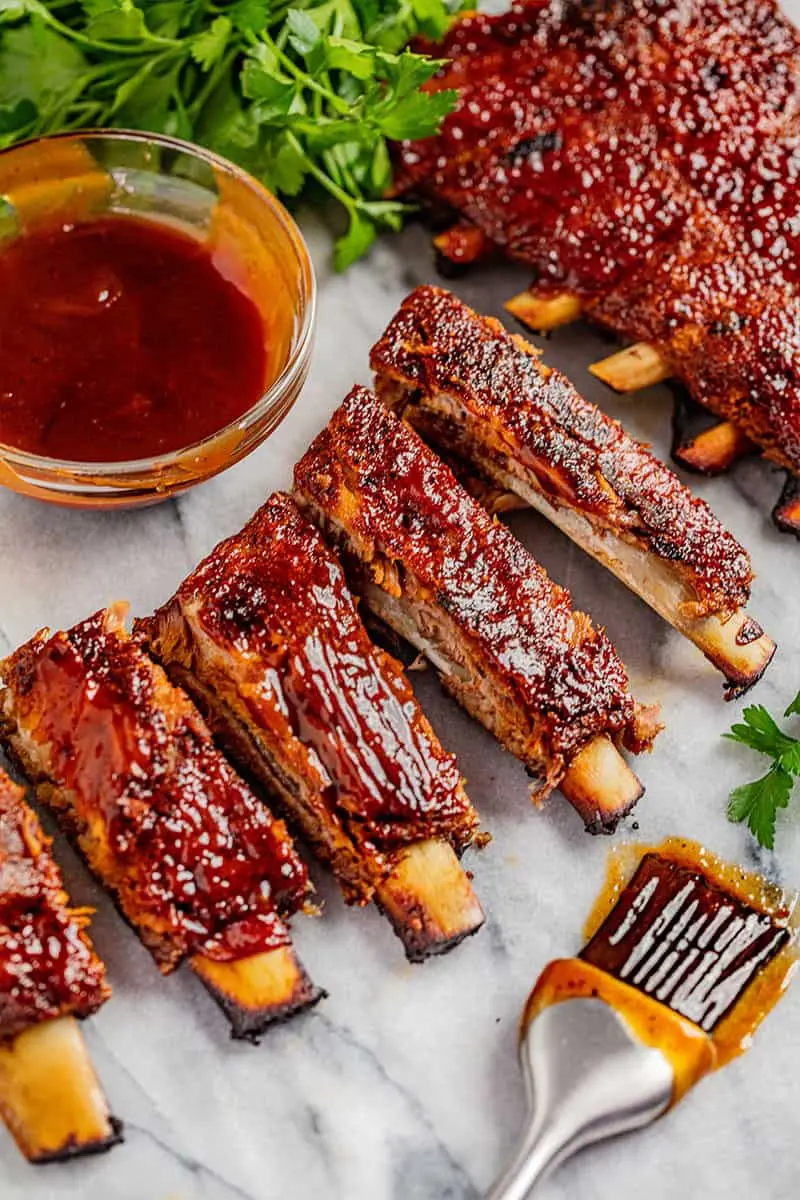
Oven pork ribs with barbecue sauce are a delectable treat that brings the joy of barbecue indoors. While ribs are often associated with outdoor grilling, baking them in the oven can yield equally delicious results, with the added convenience of indoor cooking.
Pork ribs are a culinary delight that brings together rich flavors, tender meat, and a satisfying eating experience.
This article explores the process of preparing mouth-watering oven pork ribs with barbecue sauce, offering a comprehensive guide from selecting the right cut of meat to serving the final dish.
The Art of Choosing the Perfect Ribs
Types of Pork Ribs
There are several types of pork ribs to consider, each offering unique characteristics:
- Baby Back Ribs: Also known as loin ribs, these are smaller and more tender, taken from the upper part of the pig's rib cage. They cook relatively quickly and have a mild flavor.
- Spare Ribs: Larger and meatier, these ribs come from the belly side of the rib cage. They have more fat, which makes them flavorful and succulent.
- St. Louis Style Ribs: These are spare ribs that have been trimmed of the cartilage and sternum, resulting in a more uniform shape and easier handling.
Selecting Fresh Ribs
When choosing ribs, freshness is paramount. Look for ribs that have a pinkish-red color with some marbling of fat. Avoid ribs that appear grayish or have an off smell, as these are signs of aging or poor quality.
Preparing the Ribs
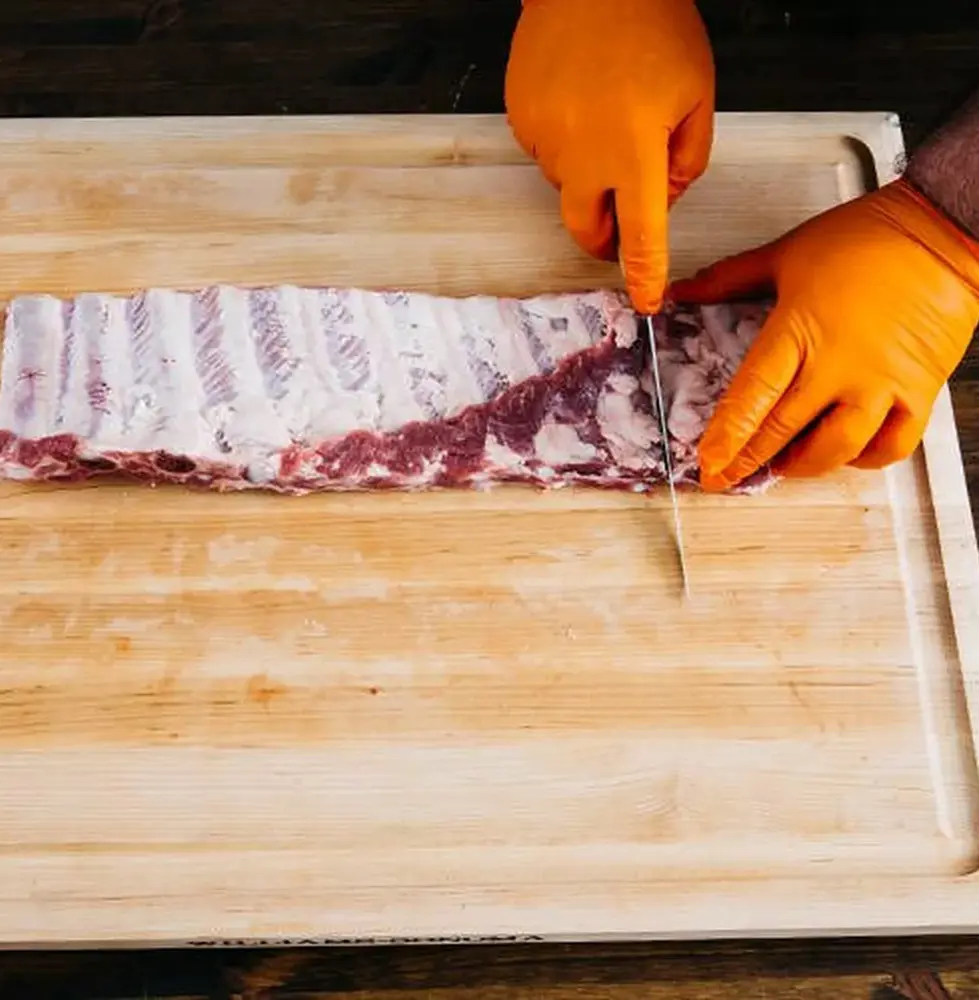
Removing the Membrane
To ensure your ribs are tender and flavorful, it’s essential to remove the membrane on the underside of the ribs. This thin layer can become tough when cooked and can hinder the absorption of flavors. Here’s how to remove it:
- Locate the Membrane: Flip the ribs so the bone side is facing up.
- Lift the Edge: Use a knife to gently lift the edge of the membrane.
- Peel the Membrane: Grip the membrane with a paper towel and slowly peel it off the ribs.
Seasoning the Ribs
Seasoning is crucial to developing the rich flavor of pork ribs. A good rub can make all the difference. Here’s a basic but flavorful rub recipe:
-
Ingredients:
- 2 tablespoons brown sugar
- 1 tablespoon paprika
- 1 tablespoon garlic powder
- 1 tablespoon onion powder
- 1 tablespoon salt
- 1 teaspoon black pepper
- 1 teaspoon cayenne pepper (optional for heat)
- 1 teaspoon mustard powder
-
Method:
- Mix all the ingredients in a bowl.
- Pat the ribs dry with paper towels.
- Generously apply the rub to both sides of the ribs, massaging it into the meat.
- Let the ribs sit for at least an hour, or preferably overnight in the refrigerator, to absorb the flavors.
The Baking Process
Preparing the Oven
Preheat your oven to 300°F (150°C). Low and slow is the key to tender, flavorful ribs.
Baking the Ribs
- Wrap in Foil: Place the seasoned ribs on a large piece of aluminum foil, meat side up. Wrap the ribs tightly in the foil to create a sealed packet. This method helps to steam the ribs, making them tender.
- Bake: Place the wrapped ribs on a baking sheet and bake in the preheated oven for 2.5 to 3 hours. The low heat will slowly break down the connective tissues, making the meat tender and juicy.
Checking for Doneness
Ribs are done when the meat is tender and pulls away from the bones easily. You can use a meat thermometer to ensure the internal temperature reaches about 190°F (88°C).
Creating the Perfect Barbecue Sauce
Ingredients for Barbecue Sauce
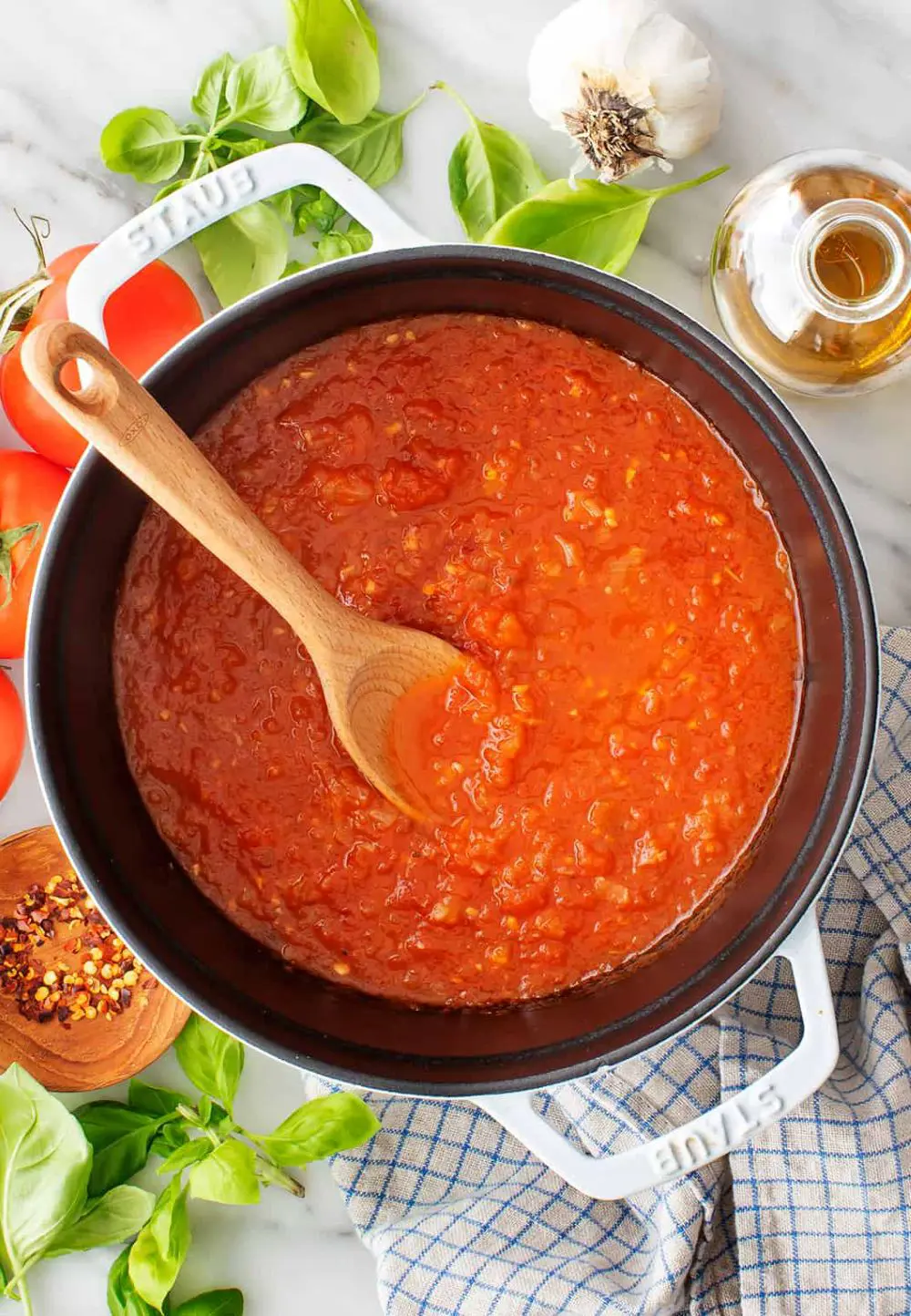
A good barbecue sauce is a blend of sweet, tangy, and smoky flavors. Here’s a basic recipe:
- 1 cup ketchup
- 1/2 cup apple cider vinegar
- 1/2 cup brown sugar
- 1/4 cup honey
- 1 tablespoon Worcestershire sauce
- 1 tablespoon lemon juice
- 1 tablespoon Dijon mustard
- 1 teaspoon smoked paprika
- 1 teaspoon garlic powder
- 1 teaspoon onion powder
- Salt and pepper to taste
Step-by-Step Instructions:
-
Combine Ingredients: In a medium saucepan, add 1 cup of ketchup, 1/2 cup of apple cider vinegar, and 1/2 cup of brown sugar. These form the base of your sauce, providing the perfect blend of sweet and tangy.
-
Add Sweeteners: Stir in 1/4 cup of honey. Honey adds a natural sweetness and helps thicken the sauce.
-
Incorporate Seasonings: Add 1 tablespoon of Worcestershire sauce and 1 tablespoon of lemon juice. These ingredients enhance the depth of flavor with their savory and acidic notes.
-
Mix in Mustard and Spices: Add 1 tablespoon of Dijon mustard for a subtle kick and creaminess. Then, stir in 1 teaspoon each of smoked paprika, garlic powder, and onion powder. These spices contribute to the smoky, aromatic profile essential for barbecue sauce.
-
Season to Taste: Add salt and pepper to taste. Start with 1/2 teaspoon each and adjust as needed.
-
Simmer: Place the saucepan over medium heat. Bring the mixture to a simmer, stirring occasionally to ensure all ingredients are well combined.
-
Reduce: Once simmering, reduce the heat to low and let the sauce cook for about 20 minutes. This allows it to thicken and the flavors to meld together.
-
Adjust Consistency and Seasoning: If the sauce is too thick, you can add a bit of water to reach your desired consistency. Taste and adjust the seasoning as needed.
-
Cool and Store: Remove the sauce from the heat and let it cool. Store in an airtight container in the refrigerator if not using immediately.
Finishing the Ribs
Applying the Barbecue Sauce
Once the ribs are tender, it’s time to apply the barbecue sauce:
- Unwrap the Ribs: Carefully remove the ribs from the foil and place them on a baking sheet lined with foil or parchment paper.
- Brush with Sauce: Generously brush the ribs with the prepared barbecue sauce on both sides.
- Broil for Caramelization: Place the ribs under the broiler for 3-5 minutes, watching closely to prevent burning. This step will caramelize the sauce and add a delightful sticky texture.
Serving Suggestions
Cutting the Ribs
To serve the ribs:
- Rest: Let the ribs rest for a few minutes after removing them from the oven to allow the juices to redistribute.
- Slice: Use a sharp knife to cut between the bones, creating individual ribs.
Accompaniments
Ribs are versatile and pair well with a variety of side dishes. Consider these options:
- Coleslaw: The crisp, tangy nature of coleslaw complements the rich flavor of the ribs.
- Cornbread: Sweet and savory cornbread is a classic pairing with barbecue.
- Baked Beans: Smoky, sweet baked beans are a hearty side that balances the meal.
- Potato Salad: Creamy potato salad offers a cool contrast to the warm, spicy ribs.
Beverage Pairings
Complement your meal with beverages that enhance the flavor of the ribs:
- Beer: A cold, crisp beer, such as a lager or pale ale, can cut through the richness of the ribs.
- Red Wine: A bold red wine like Zinfandel or Shiraz pairs well with the deep flavors of barbecue.
- Iced Tea: Sweet or unsweetened iced tea is a refreshing non-alcoholic option.
Tips for Perfect Ribs Every Time
Patience is Key
Cooking ribs requires time and patience. Rushing the process will result in tougher meat. Plan ahead and allow the ribs to cook slowly for the best results.
Experiment with Flavors
Feel free to experiment with different rubs and barbecue sauces. Adding spices like cumin, coriander, or chili powder can create unique flavor profiles. Similarly, adding ingredients like bourbon, soy sauce, or fruit preserves to your barbecue sauce can elevate the taste.
Use Quality Meat
The quality of the meat significantly impacts the final dish. Opt for high-quality pork ribs from a reputable butcher or supplier.
Control the Temperature
Maintaining a consistent oven temperature is crucial. Avoid opening the oven frequently, as this can cause temperature fluctuations that may affect the cooking process.
Avoiding Common Issues
Dry Ribs
If your ribs turn out dry, it’s likely due to overcooking or insufficient moisture. Wrapping the ribs in foil and cooking at a low temperature helps retain moisture. Additionally, you can spritz the ribs with a mixture of apple juice and water during cooking to keep them moist.
Tough Ribs
Tough ribs are usually the result of undercooking. Ensure the ribs are cooked until the meat is tender and the internal temperature reaches about 190°F (88°C). If necessary, continue cooking until the desired tenderness is achieved.
Burnt Barbecue Sauce
Barbecue sauce contains sugars that can burn easily under high heat. When broiling the ribs to caramelize the sauce, keep a close eye on them to prevent burning. Lower the broiler rack if needed to control the heat.
Exploring Regional Barbecue Styles
Memphis Style
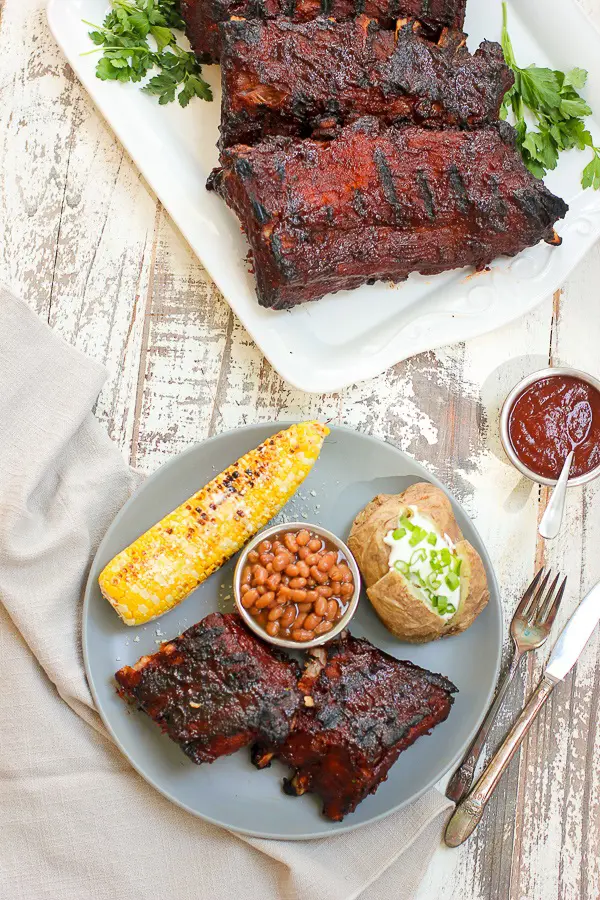
Memphis-style ribs are known for their dry rub, which includes a blend of spices like paprika, garlic powder, and black pepper. They are often served with a tangy, tomato-based barbecue sauce on the side.
Kansas City Style
Kansas City-style ribs are characterized by a thick, sweet, and tangy sauce made with molasses or brown sugar. The ribs are typically slow-cooked and then coated with the sauce before serving.
Texas Style
Texas-style ribs often feature a simple rub of salt and pepper, letting the meat’s natural flavor shine through. The barbecue sauce is usually served on the side and is more savory than sweet, often with a tomato and vinegar base.
Carolina Style
Carolina-style ribs are distinguished by their vinegar-based sauce, which can be either mustard or tomato-based. The tangy sauce penetrates the meat, offering a unique flavor profile that differs from the sweeter styles.
Happy cooking, and enjoy your mouth-watering oven pork ribs with barbecue sauce.
Final Thoughts
In conclusion, oven pork ribs with barbecue sauce offer a convenient and delicious way to enjoy the flavors of barbecue all year round. By selecting the right type of ribs, preparing them correctly, and mastering a flavorful barbecue sauce, you can create a dish that rivals outdoor grilling.
Whether you prefer the tenderness of baby back ribs or the rich flavor of spare ribs, this guide provides all the tips and techniques you need for perfect results.
Pair your ribs with classic sides and beverages to complete the meal, and don't be afraid to experiment with different rubs and sauces to make the dish your own. Happy cooking!