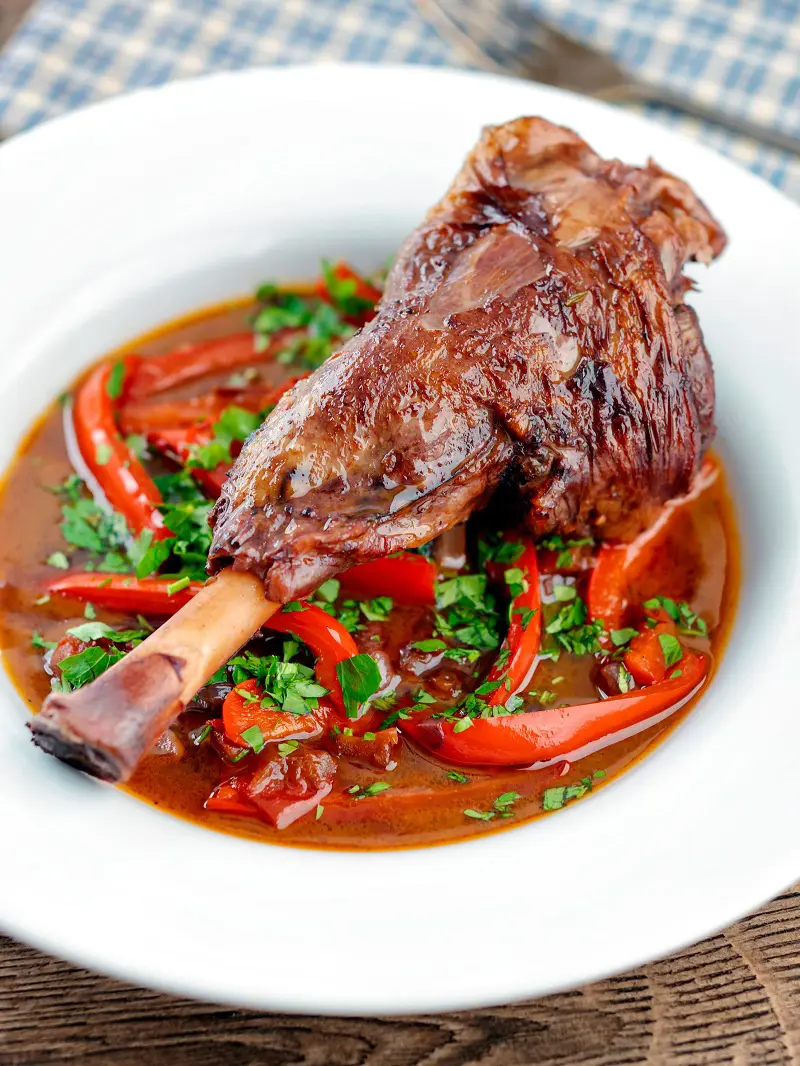
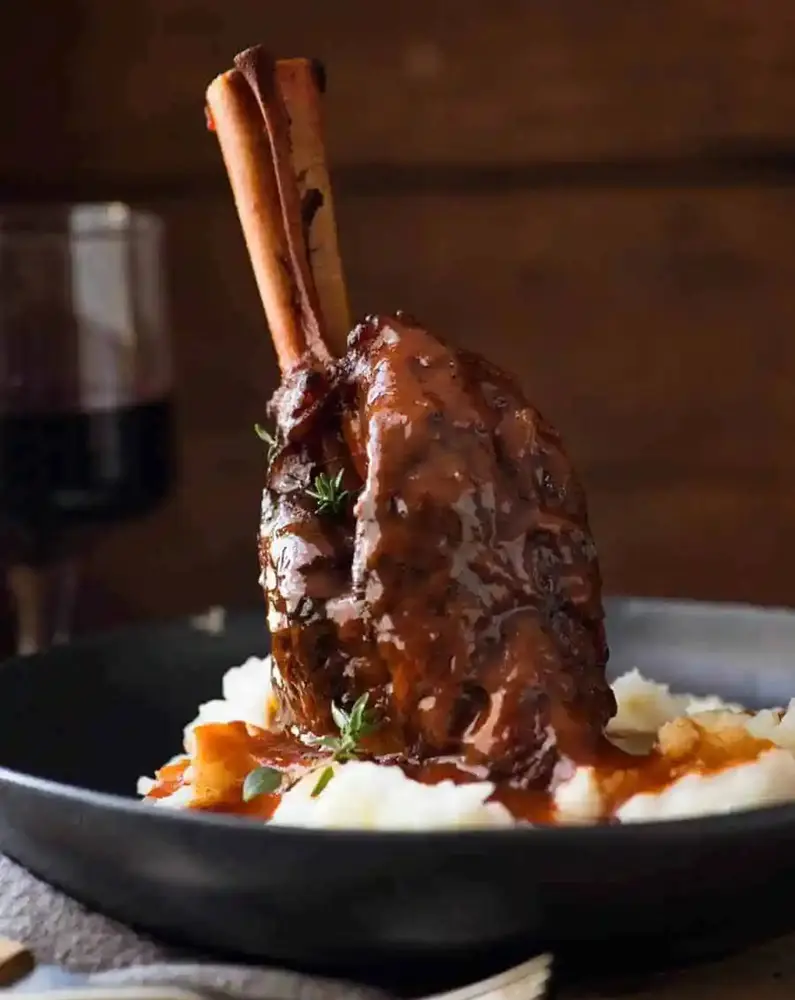
Slow-cooked lamb shanks in red wine sauce is a dish that combines rich, hearty flavors with tender, melt-in-your-mouth meat. This classic recipe, cherished in many cuisines around the world, transforms a simple cut of lamb into an exquisite gourmet experience.
The magic of slow cooking allows the meat to absorb the deep, complex flavors of red wine and aromatic herbs, resulting in a dish that is both luxurious and comforting. This article will guide you through the history, preparation, and perfect pairing suggestions for this culinary masterpiece.
Choosing the Right Ingredients
The quality of ingredients is paramount in making the perfect slow-cooked lamb shanks in red wine sauce. Here’s what you need to consider:
- Lamb Shanks: Fresh, high-quality lamb shanks are essential. Look for shanks with a good amount of meat and a bit of marbling. This will ensure the meat remains juicy and tender after hours of slow cooking.
- Red Wine: Choose a full-bodied red wine, such as Cabernet Sauvignon, Merlot, or Shiraz. The wine should be good enough to drink, as the quality of the wine significantly impacts the flavor of the sauce.
- Herbs and Spices: Traditional recipes call for a bouquet garni, which is a bundle of herbs like thyme, rosemary, and bay leaves. Garlic and onions are also essential for building the base flavors.
- Vegetables: Carrots, celery, and tomatoes add sweetness and depth to the sauce. They also help to thicken the sauce as they break down during the slow cooking process.
- Stock: Use a high-quality beef or lamb stock to complement the flavors of the meat and wine.
Ingredients:
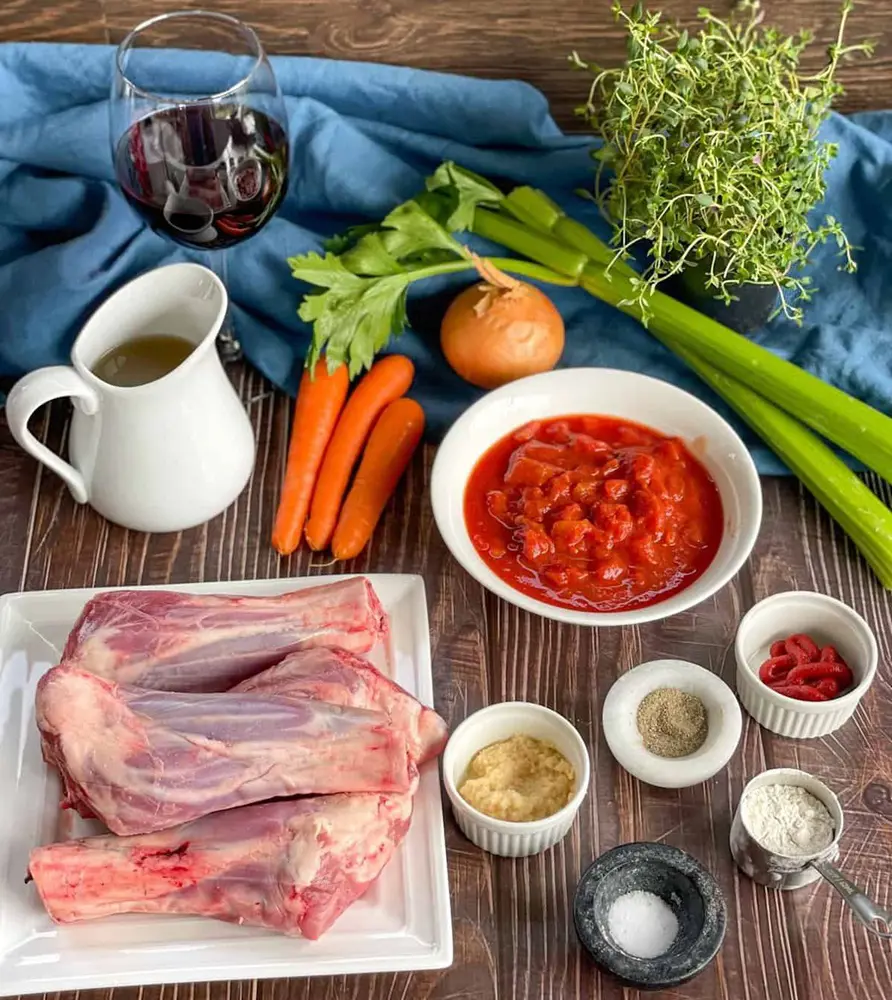
- 4 lamb shanks
- 2 cups red wine (Cabernet Sauvignon or similar)
- 2 cups beef or lamb stock
- 1 large onion, chopped
- 2 carrots, chopped
- 2 celery stalks, chopped
- 4 cloves garlic, minced
- 1 can (14.5 oz) diced tomatoes
- 2 tablespoons tomato paste
- 2 tablespoons olive oil
- 1 bouquet garni (thyme, rosemary, bay leaves)
- Salt and pepper to taste
Instructions:
-
Searing the Lamb Shanks:
- Season the lamb shanks generously with salt and pepper.
- In a large skillet or Dutch oven, heat the olive oil over medium-high heat.
- Sear the lamb shanks on all sides until they develop a golden-brown crust. This step is crucial for adding depth of flavor to the dish. Once seared, remove the shanks and set them aside.
-
Sauteing the Vegetables:
- In the same skillet, add the onions, carrots, and celery. Sauté until the vegetables are softened and beginning to caramelize, about 8-10 minutes.
- Add the garlic and tomato paste, and cook for another 2 minutes, stirring frequently.
-
Deglazing the Pan:
- Pour in the red wine to deglaze the pan, scraping up any browned bits from the bottom. Let the wine simmer for about 5 minutes to reduce slightly.
-
Building the Sauce:
- Add the diced tomatoes, beef or lamb stock, and the bouquet garni. Stir to combine.
-
Slow Cooking:
- Return the lamb shanks to the pot, ensuring they are submerged in the liquid. Bring the mixture to a gentle boil, then reduce the heat to low.
- Cover the pot and let it simmer gently for 3 to 4 hours, or until the lamb shanks are tender and falling off the bone. Alternatively, you can transfer the mixture to a slow cooker and cook on low for 6-8 hours.
-
Finishing the Sauce:
- Once the lamb shanks are tender, carefully remove them from the pot and set aside.
- Discard the bouquet garni. If the sauce is too thin, increase the heat and let it simmer uncovered until it reaches the desired consistency.
- Taste and adjust seasoning with salt and pepper as needed.
-
Serving:
- Serve the lamb shanks with a generous ladle of red wine sauce over the top. Pair with mashed potatoes, polenta, or a crusty baguette to soak up the delicious sauce.
Perfect Pairings
The robust flavors of slow-cooked lamb shanks in red wine sauce pair beautifully with a variety of side dishes and beverages. Here are some suggestions to elevate your dining experience:
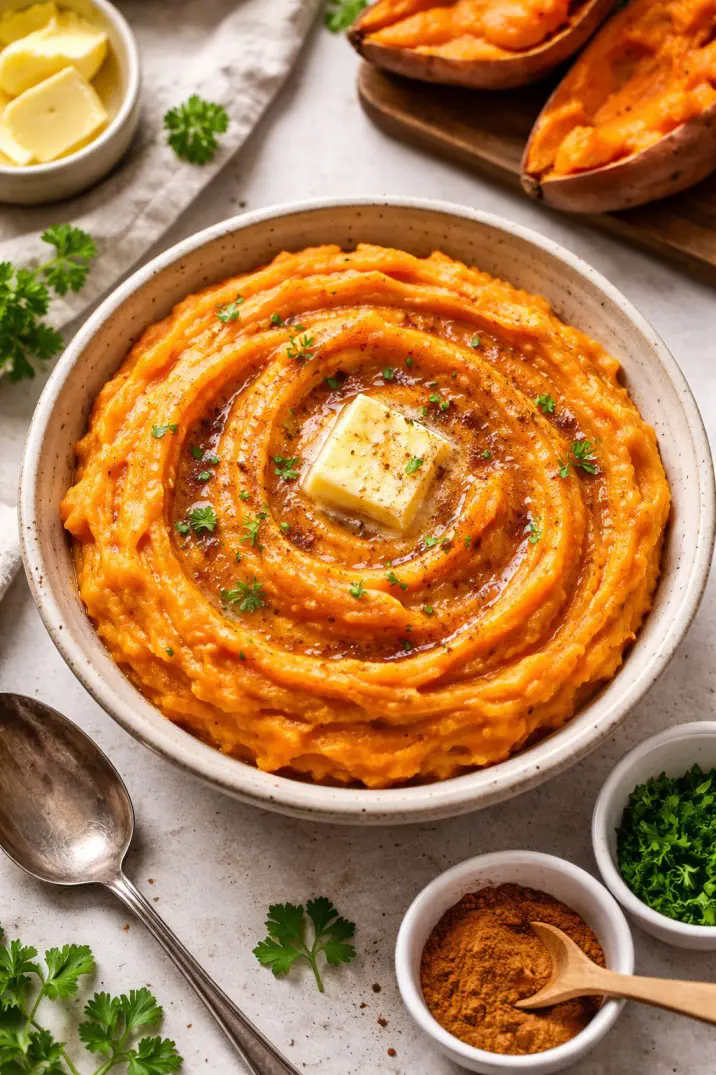
- Mashed Potatoes: Creamy mashed potatoes are a classic accompaniment. The smooth texture and mild flavor complement the rich, savory lamb and sauce.
- Polenta: Soft, buttery polenta provides a wonderful contrast to the hearty lamb shanks. It also soaks up the sauce beautifully.
- Roasted Vegetables: A medley of roasted root vegetables, such as parsnips, carrots, and potatoes, adds a sweet, caramelized flavor that pairs well with the savory lamb.
- Green Beans Almondine: Lightly sautéed green beans with almonds add a crisp, fresh element to balance the richness of the lamb shanks.
- Red Wine: Serve the same type of red wine used in the recipe, or a similar full-bodied red, to enhance the flavors of the dish. Cabernet Sauvignon, Merlot, or Shiraz are excellent choices.
Tips and Tricks
Achieving perfection with slow-cooked lamb shanks in red wine sauce requires attention to detail and a few expert tips:
- Browning the Meat: Don’t skip the step of searing the lamb shanks. This not only locks in the juices but also adds a depth of flavor that is essential for the dish.
- Quality Ingredients: Use the best quality ingredients you can find. Fresh herbs, good wine, and high-quality stock make a significant difference in the final dish.
- Low and Slow Cooking: Patience is key. Slow cooking at a low temperature ensures the meat becomes tender without drying out.
- Adjusting Consistency: If the sauce is too thin, remove the lid during the last hour of cooking to allow it to reduce. Conversely, if it's too thick, add a bit more stock or wine.
- Resting Time: Let the lamb shanks rest for a few minutes after cooking. This helps the juices redistribute throughout the meat, making it even more succulent.
Variations and Dietary Adaptations
While the traditional braised lamb shanks recipe is a classic, there are several variations and adaptations you can consider to suit different dietary preferences and tastes:
1. Gluten-Free Adaptation:
- Ingredients: Ensure all the ingredients, including the stock and tomato paste, are certified gluten-free. Many stocks and condiments can contain gluten, so it's essential to check the labels carefully.
- Flour Substitution: If the recipe calls for flour to thicken the sauce, use a gluten-free alternative like cornstarch or a gluten-free flour blend.
2. Dairy-Free Adaptation:
- Naturally Dairy-Free: This recipe is naturally dairy-free, making it suitable for those with lactose intolerance or dairy allergies.
- Label Check: Always double-check ingredient labels to ensure no hidden dairy ingredients, especially in processed stocks or sauces.
3. Vegetarian Version:
- Meat Substitution: Substitute the lamb with hearty vegetables like large portobello mushrooms or eggplants, which have a meaty texture and can absorb the braising flavors well.
- Stock: Use vegetable stock instead of meat stock to maintain the rich, savory flavor.
- Wine: A robust red wine can add depth and complexity to the vegetarian braise, similar to the traditional meat version.
4. Spicy Variation:
- Chili Flakes: Add a few red chili flakes to the braising liquid to introduce a subtle, spicy kick.
- Hot Sauce: For a more pronounced heat, incorporate a splash of your favorite hot sauce into the sauce.
5. Herb Variations:
- Experiment with Herbs: While rosemary and thyme are classic choices, you can create unique flavor profiles by experimenting with different herbs.
- Sage: Adds an earthy, slightly peppery flavor that complements the richness of the lamb.
- Oregano: Introduces a robust, slightly bitter taste that pairs well with tomato-based sauces.
- Mint: Fresh mint can add a refreshing contrast to the rich, savory flavors, especially when used as a garnish.
6. Additional Flavor Enhancements:
- Citrus Zest: Adding the zest of a lemon or orange to the braising liquid can brighten the flavors and add a fresh, aromatic note.
- Sweet Elements: A touch of honey or brown sugar can balance the acidity of the tomatoes and the bitterness of the wine, creating a more complex flavor profile.
Historical Background
The history of lamb shanks dates back centuries, with roots in various culinary traditions across the globe. Lamb has been a staple in Mediterranean and Middle Eastern cuisines for thousands of years. In ancient times, every part of the lamb was utilized, with slow cooking methods being favored to tenderize tougher cuts.
The practice of braising meat in wine can be traced back to Roman times when it was common to use wine and vinegar to tenderize and flavor meat.
In France, this method evolved into a beloved culinary tradition known as "braising." The French technique involves searing the meat first to develop a rich crust, then slow-cooking it in a liquid, usually wine, with vegetables and herbs.
This method not only tenderizes the meat but also infuses it with a depth of flavor that is hard to achieve through other cooking techniques. Slow-cooked lamb shanks in red wine sauce epitomize this tradition, combining rustic charm with gourmet sophistication.
Final Thoughts
Slow-cooked lamb shanks in red wine sauce is a dish that embodies the essence of comfort food while also delivering gourmet-quality flavors. The process of slow cooking allows the lamb to absorb the deep, rich flavors of the wine and herbs, resulting in an exquisite meal that is sure to impress.
Whether you’re preparing it for a special occasion or a cozy family dinner, this recipe is a testament to the magic that happens when simple ingredients are transformed through patience and love. Enjoy the culinary journey and savor every delicious bite.