Sushi is the first thing that comes to mind when we think of Japanese cuisine. Many of us do not associate Japanese cuisine with its desserts. But Japan has a wide variety of desserts, from classic sweets like Wagashi to Western-influenced desserts like cream puffs.
The Japanese were making sweet treats long before they knew what sugar was. They used traditional ingredients like mochi, sweet red bean paste, nuts, plants, etc. After they were introduced to sugar and Western desserts, they created a variety of desserts. Here, we have rounded up 22 of the absolute must-try.
1. Mochi
Mochi is the quintessential dessert of Japan. You can find a mochi dessert in every corner of Japan. Mochi is a rice cake made from glutinous rice called mochigome.
It tastes like rice but has a distinctive soft, sticky, and chewy texture. There are endless flavors of mochi and some popular ones include sakura mochi.
Sakura mochi is a pink-colored rice cake filled with sweet red bean paste and wrapped in a salty, edible pickled cherry leaf. They are enjoyed during Hinamatsuri (Japanese Girls' Day) to celebrate the blooming of the cherry blossom trees in Spring.
2. Mochi Ice Cream
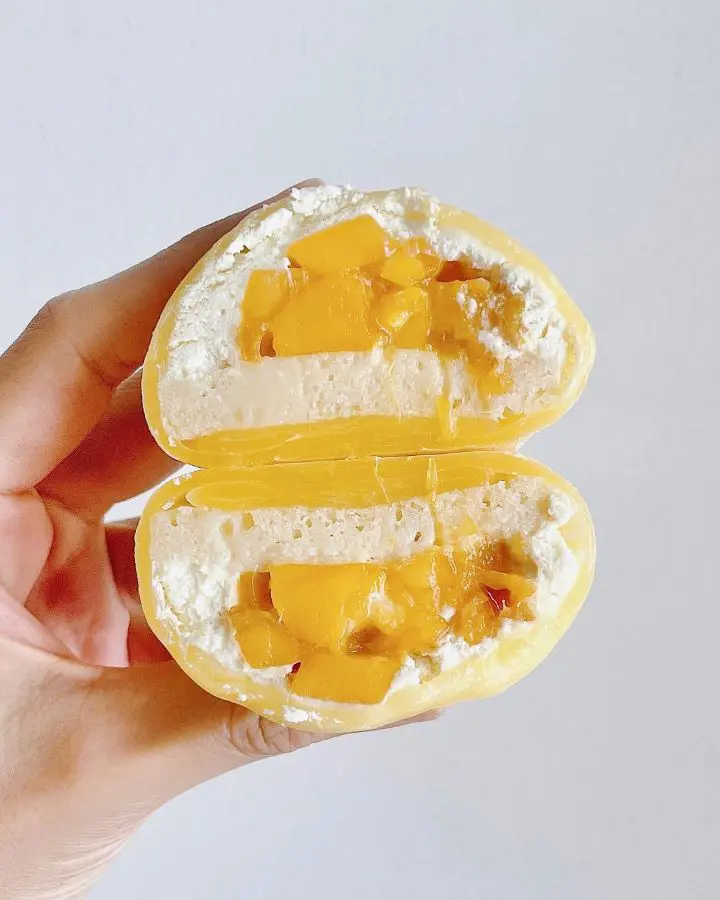
Mochi also has an ice cream version. The rice cake is filled with ice cream of all kinds of traditional flavors like vanilla, chocolate, and strawberry or more adventurous ones like matcha green tea, black sesame, Kona coffee, or even plum wine.
Mochi ice cream is a well-loved dessert because you get the best of two worlds: chewy, soft, sweet mochi dough and creamy, refreshing ice cream. The flavor and textural combination create a unique and satisfying experience.
3. Black Sesame Cookies
Black sesames are a staple in Japanese cooking. They are used in savory dishes like onigiri (rice balls), soba noodles (noodles made of buckwheat flour), and udon noodles (thick wheat flour) noodles.
They are also used in sweet desserts like mochi, ice cream, cakes, muffins, and cookies. Black sesame cookies are buttery and crisp. They have a unique, savory, and nutty flavor from the black sesame seeds. You can enjoy them with your morning coffee or afternoon tea.
4. Dorayaki
instagram
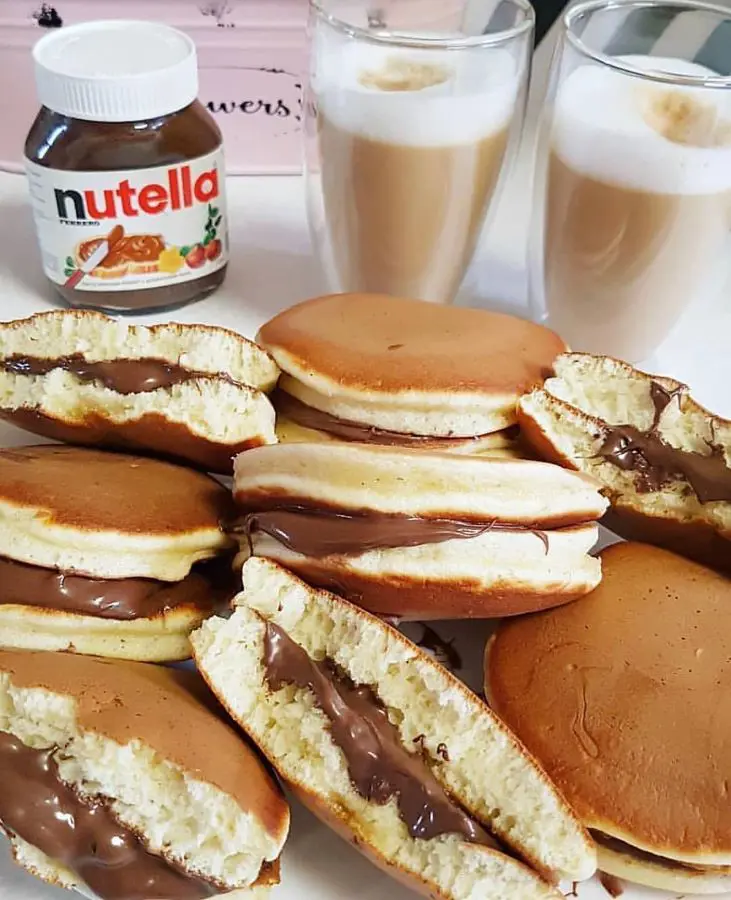
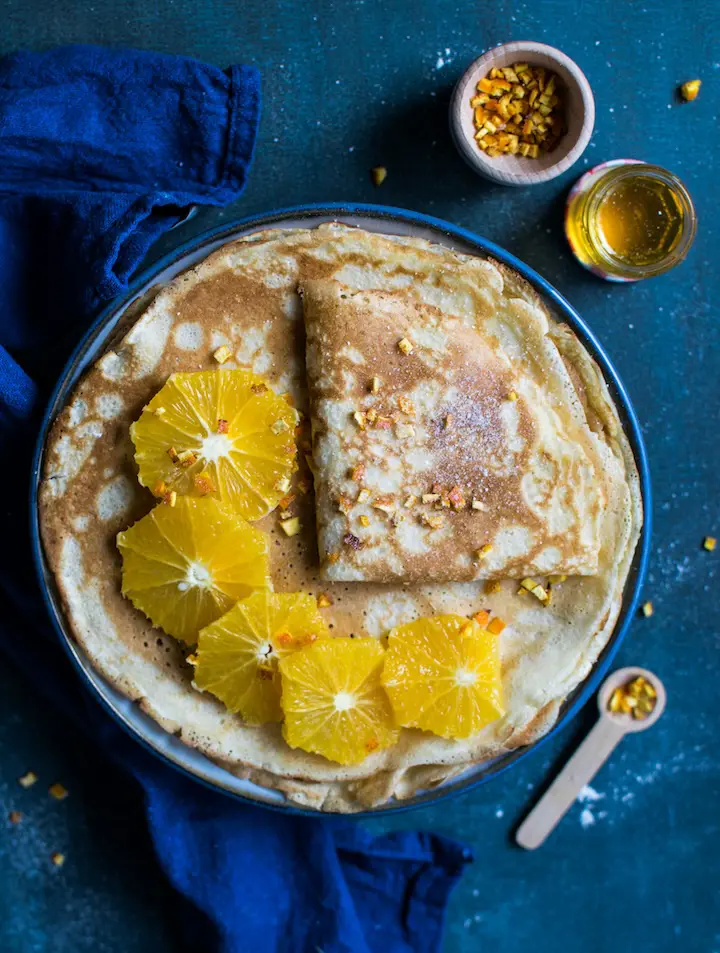
Dorayakis are popular desserts in Japan. Many Japanese bakeries and confectioneries sell these sweet treats. It features two small, round pancakes sandwiched by a sweet-meets-savory anko or red bean paste.
However, other fillings like custard, chocolate, whipped cream, or fruit are becoming increasingly popular. You can eat them hot or cold.
Although dorayaki are pancakes, they are slightly different from regular pancakes. They are traditionally made with honey and mirin. They are also evenly browned and smooth, unlike splotchy regular pancakes.
5. Taiyaki
Taiyaki, which translates to “baked seabream,” is a fish-shaped cake waffle traditionally filled with sweet red bean filling.
However, modern variations offer different fillings like custard, chocolate, cheese, sweet potato, and more. They are a classic street vendor snack in Japan and are very popular at street fairs and festivals.
These cake waffles are cooked using a fish-shaped iron mold resembling the tai or red sea bream, which the Japanese believe brings good luck and fortune.
6. Anmitsu
Anmitsu is a traditional jelly dessert. This jelly is called agar or kanten and is made from red algae.
Kanten is flavorless and eaten with other ingredients and toppings like sweet red bean paste, diced seasonal fruits, shiratama dango (a type of mochi), and kuromitsu, or dark brown sugar syrup.
Modern variations include ice cream, typically vanilla or green tea flavored. These ingredients are arranged in a bowl and served cold. They are a refreshing treat on summer days.
7. Kakigori
Another cooling and refreshing dessert from Japan is kakigori. Kakigori is a shaved ice dessert topped with syrups and toppings. The shaved ice is made using an ice machine or hand-cranked tool. Pure ice made from mineral water goes through the machine for clean, smooth, shaved ice.
The shaved ice is then flavored with sweet syrup. Regular options include strawberry, melon, and matcha green tea. The dessert is also topped with delicious fresh fruits. The most popular fresh fruits for kakigori are mango, kiwi, cherry, and peaches.
8. Yokan
instagram
Yokan is a block-shaped jelly-like dessert with a unique texture and flavor. This sweet treat is made from red bean paste, agar, and sugar and has a distinctive soft, jiggly texture and sweet azuki bean flavor. Yokan is commonly consumed with green tea in Japan.
There are three different types of yokan. Neri yokan is stiffer as it uses more agar. Mizu yokan is softer and uses less agar and more water. Mushi yokan is steamed and solidified using flour or kudzu powder.
9. Manju
Manju is a steamed or baked bun with a sweet red bean filling. The bun is made of flour, buckwheat, or rice powder, resulting in a doughy exterior. There are many types of manju, depending on the shapes, sizes, and regions it is being made.
However, there are two main types: steamed and baked manju. Steamed manju is often confused with mochi, but the two are different. Mochi is made from sticky glutinous rice and has a less crisp exterior than manju. They also taste very different.
10. Japanese Jiggly Cheesecake
Japanese jiggly cheesecake is one dessert where Japanese baking shines. It is a Japanese twist on the classic New York-style cheesecake. It has a distinct texture. Unlike regular dense cheesecakes, Japanese jiggly cheesecakes have a light, airy, and cloud-like texture.
This texture is achieved by incorporating egg whites beaten to stiff peaks, which are then folded gently into the final batter. The cake is baked using a special baking technique known as a water bath. This creates a gentle steaming effect.
11. Matcha Ice Cream
Match or green tea-flavored ice cream is a popular dessert in Japan. The key ingredient in this ice cream is matcha powder made by grinding green tea leaves. The powder gives the ice cream a beautiful, vibrant green color, ranging from a light jade to a deeper emerald.
Matcha ice cream tastes nothing like any other ice cream. It has a subtle sweetness with earthy, slightly bitter notes of matcha. The earthy, bitter notes of the match have garnered fans and haters alike.
12. Melon Pan
instagram
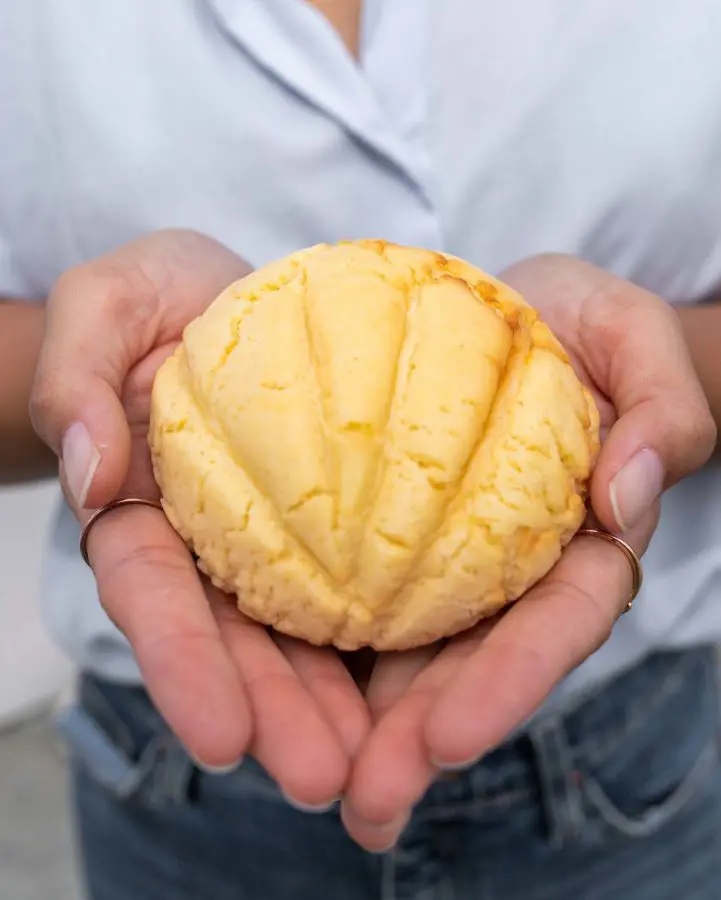
Melon Pan, or melon bread, is a sweet bread covered in a thin layer of crisp biscuit crust with a crisscross pattern on top, which puffs up during baking and creates a "melon rind" effect.
Most people think it is made with melon because of the name, but it is not. The name came about because melon pan resembled an oriental melon.
Melon Pan is mildly sweet with a hint of buttery richness from the cookie crust. They are eaten as it or with fillings like chocolate chips, custard cream, and red bean paste.
13. Castella
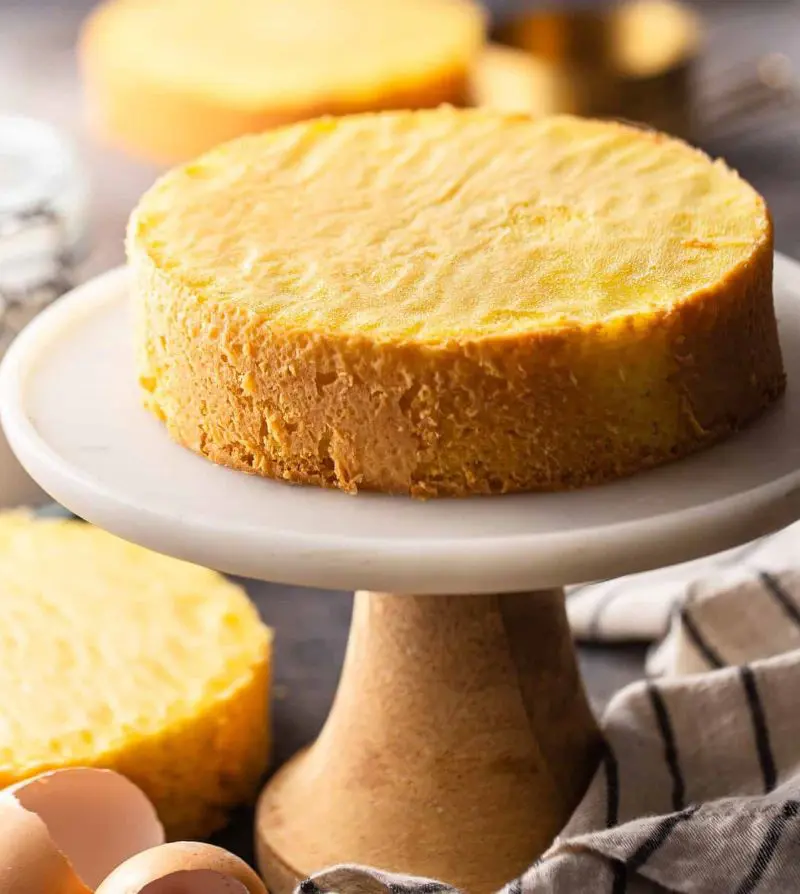
Castella is a soft sponge cake brought to Japan by Portuguese missionaries. Japanese bakers adapted it to create the light and fluffy version that is popular today.
It is unbelievably bouncy and moist because of their special technique. Bakers wrap the cake in food wrap when it is still warm and place it in the fridge for a few hours or overnight.
This result is a super moist cake. It is traditionally enjoyed plain, but today, it is common to find many variations, such as chocolate, green matcha tea, brown sugar, or honey. It is a popular souvenir to give to friends or relatives.
14. Higashi
Higashis are traditional, pressed dry sweets made from sugar, rice flour, and starch. Unlike other Japanese puddings and desserts, higashi has low moisture content. This allows for a longer shelf life and a unique texture.
These sweets come in flavors like sesame seeds, matcha, or red bean paste. The texture can range from slightly crumbly to firm, depending on the region it is from. They are consumed with green tea during tea ceremonies because they cut through the bitterness of the tea.
15. Monaka
Monaka is a traditional Japanese dessert featuring crisp mochi wafers filled with an azuki bean jam filling. The wafers are pressed thin and baked until crisp and golden brown. They are neutral in flavor and come in various shapes, colors, and sizes.
You can find monaka with ice cream, whipped cream, cream cheese, or chestnut paste fillings. These sweet treats are enjoyed with green tea and come in unique variations like prosperity monaka, shaped like golden coins and seasoned with brown sugar for prosperity.
16. Zenzai
instagram
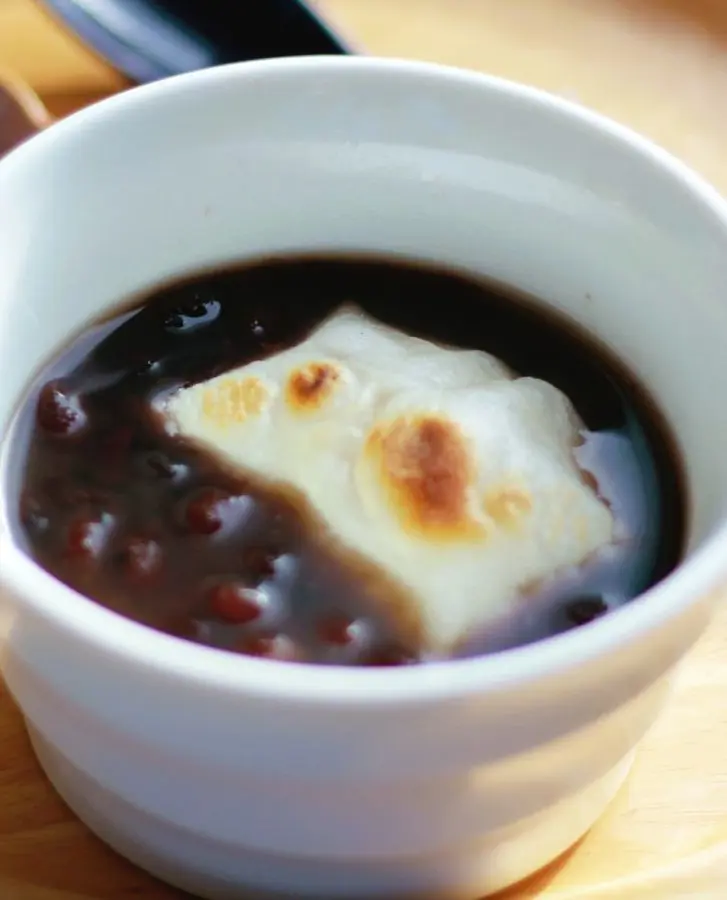
A dessert soup might be rare to many, but not the Japanese. They have one called Zenzai.
Zenzai is a traditional Japanese dessert soup made with sweet red bean paste. The soup is slightly sweet, with a gentle fragrance from the red beans. It is served with mochi or shiratama dango inside the soup.
The soup broth is made with red bean paste, water, and sometimes a touch of sugar or kombu (kelp) for extra flavor. It is typically served warm during the colder months or can be enjoyed chilled in the summer for a refreshing treat.
17. Yatusuhasi
Yatusuhasi is a type of mochi made from glutinous rice, sugar, and cinnamon. It is a special creation of Kyoto and sold mainly as souvenir sweets.
This sweet treat is named after Kengyo Yatsuhashi, a famous koto musician, which is why it is shaped like koto, the Japanese Harp.
Yatusuhasi has a chewy texture with a distinctive and warm cinnamon spice flavor. There are many varieties of yatusuhasi, like the yaki yatsuhashi. It is baked and has a crispy cookie-like texture with a cinnamon flavor.
18. Okoshi
Okoshi is equivalent to the Rice Krispies of America. It is made with expanded rice, created by roasting rice grains until they pop.
The roasted rice is mixed with sugar, butter, or corn syrup and pressed into molds or trays. They are left to cool and harden and cut into bite-sized pieces. They come in plain versions or with additional ingredients, like nuts or dried fruits, to add further textural interest and flavor profiles.
They were traditionally sold by street vendors around the Buddhist temples of Asakusa. Today, they are mass-produced by factories in an array of unusual flavor and color combinations.
19. Shu Cream
instagram
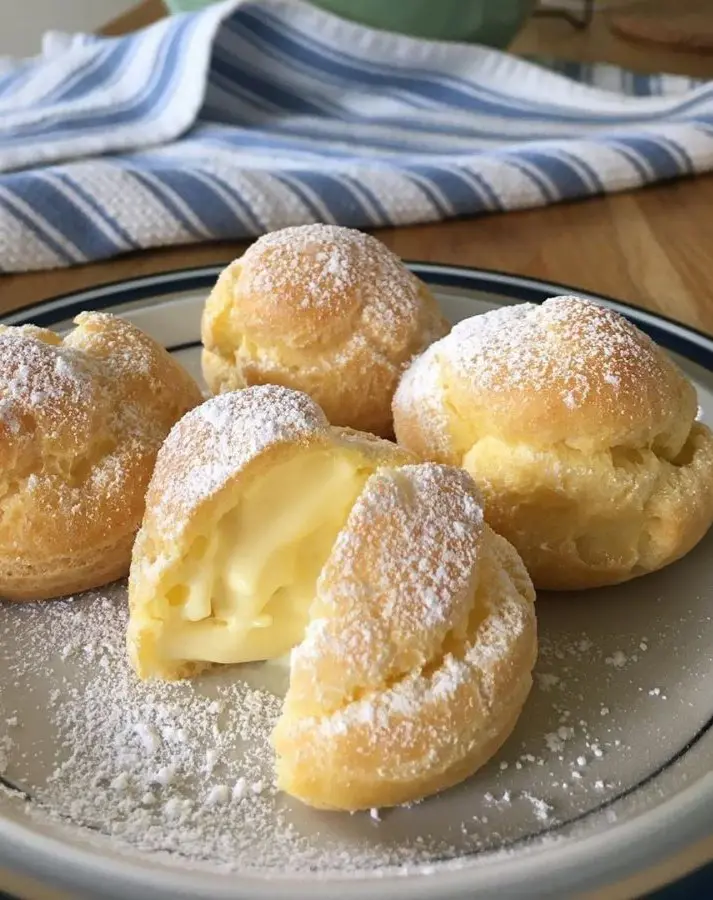
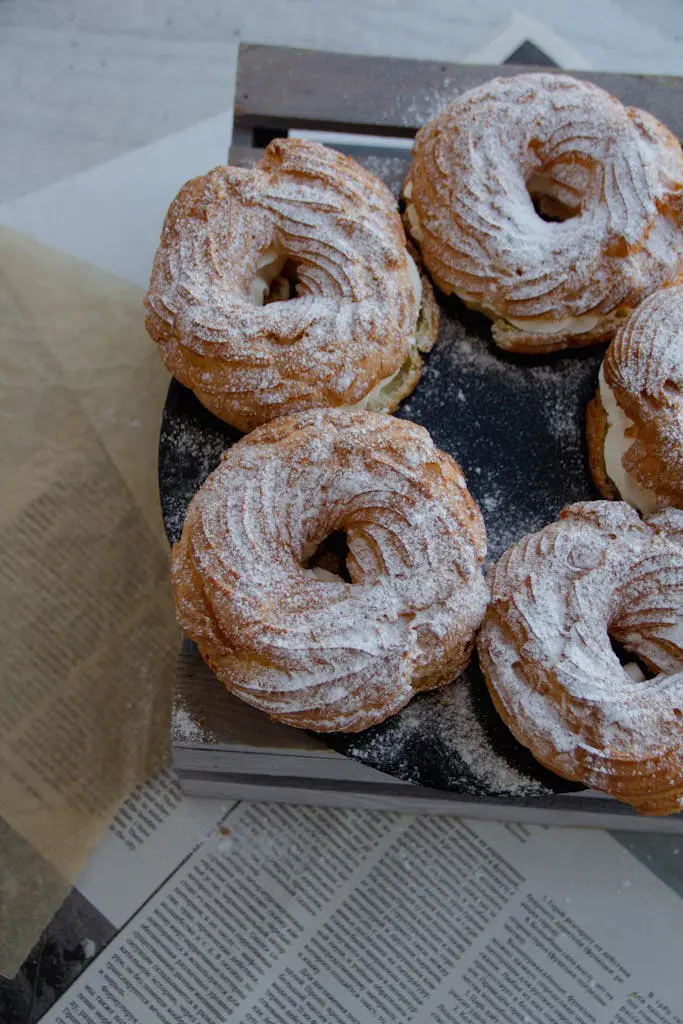
Japanese shu cream, also known as a cream puff, features a light, airy puff pastry with a smooth and creamy custard filling. The Japanese were inspired by the famous French "choux cream." They changed some of the ingredients to make the choux cream and came up with a softer and chewier pastry.
This Japanese pastry is available in more flavors and shapes than the French version. The classic French choux pastry is filled with a simple custard filling, while the Japanese shu cream is available in flavors such as matcha, green tea, coffee, chocolate, strawberry, and blueberry.
20. Kuri Kinton
Kuri Kinton, which translates to chestnut golden mash, is a Japanese sweet treat made of sweet.
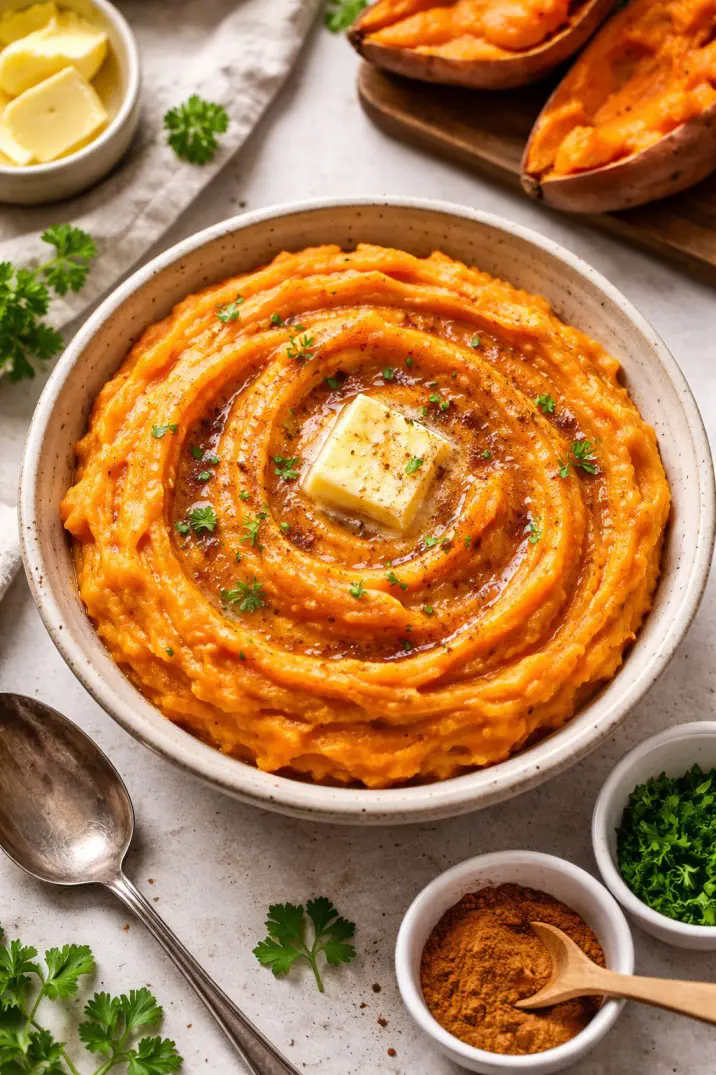
It is made by steaming Japanese sweet potatoes known as satsumaimo. The steamed satusumaimo is cooked with sugar and topped with candied chestnuts. It has a smooth consistency, with chestnut pieces peeking through.
The Japanese usually eat Kuri Kinton during New Year or the Osechi Ryori meal. This sweet treat symbolizes economic fortune and wealth and is believed to bring good luck and prosperity for the new year.
21. Sata Andagi
Sata Andagi are sweet, deep-fried doughnut balls originating in Okinawa. They are very dense and less airy and fluffy than regular doughnuts because of cake flour batter. When the round doughnut balls are deep fried, balls they crack with lines that are reminiscent of smiley faces.
The supposed smiley face doughnuts are considered good luck in Okinawa and are used for many happy occasions, such as engagements and birthdays. They do not have fillings or fancy frosting. The ingredients are mixed in with the dough to make different flavors.
22. Soba Boro
Soba boro is a traditional Japanese flower-shaped cookie of buckwheat flour and eggs. They were first created in Kyoto but can now sold throughout the country.
These cookies have a crisp yet soft and crumbly texture reminiscent of Italian biscotti. The buckwheat flour adds an earthy yet sweet flavor.
They are usually served as an afternoon snack with tea or a light after-meal dessert. Most tourists buy them as souvenirs to give to their friends and families.