It is no secret that Italian cuisine has some of the most delicious dishes in the world. They were the ones to create Neapolitan pizza, ragù alla bolognese, lasagna, pasta fagioli, gelato, cannoli and many more.
These traditional Italian dishes are not the same as Italian American dishes. Italian American cuisines lean heavier on cheese and meat, while Italians retain a simple-to-prepare style characteristic of a poor's meals.
Here, we are sharing the ins and outs of 20 Italian dishes you have to try.
1. Pizza Napoletana
instagram
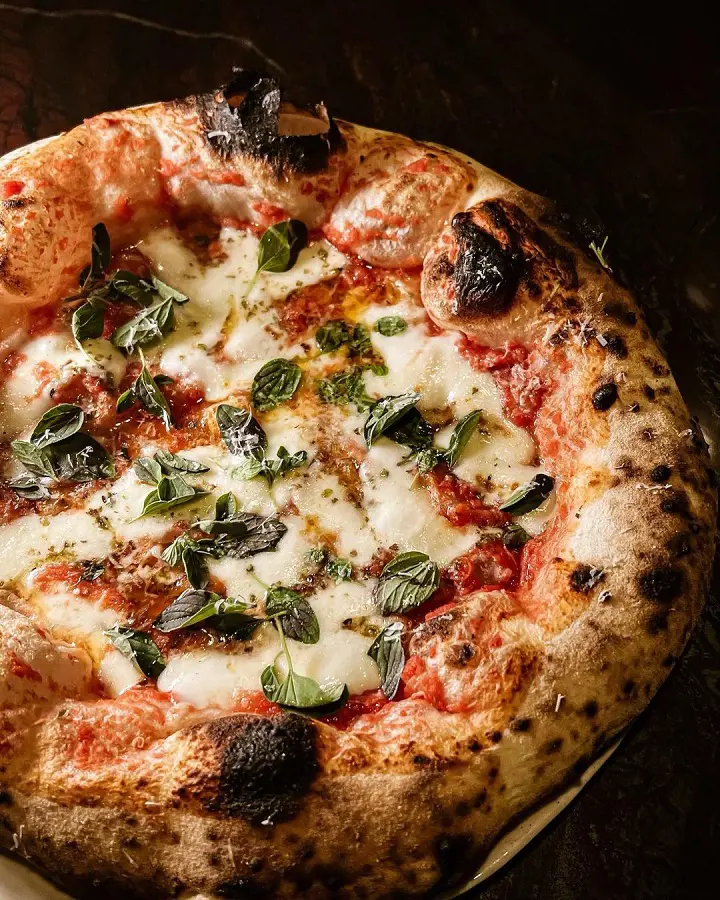
Pizza Napoletana is a classic Italian pizza hailing from Naples. It has a few distinct characteristics that set it apart from other pizzas, especially ones from America. It has a thin, elastic crust that is slightly charred and crispy on the bottom.
A traditional pizza Napoletana is cooked in a wood-fired oven at extremely high temperatures and features simple toppings like San Marzano tomatoes, fresh mozzarella cheese, extra virgin olive oil, and fresh basil.
2. Pasta al Pomodoro
instagram
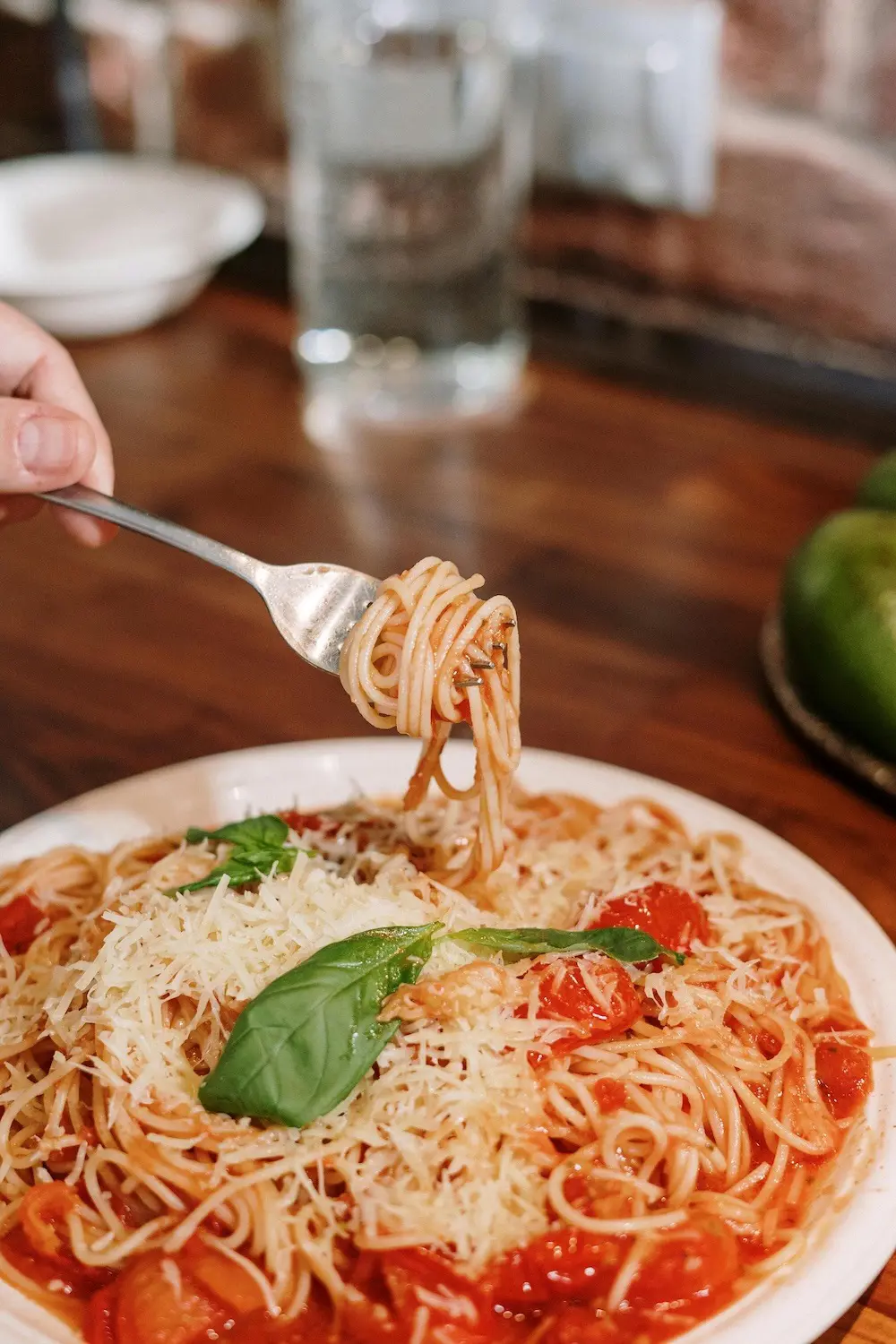
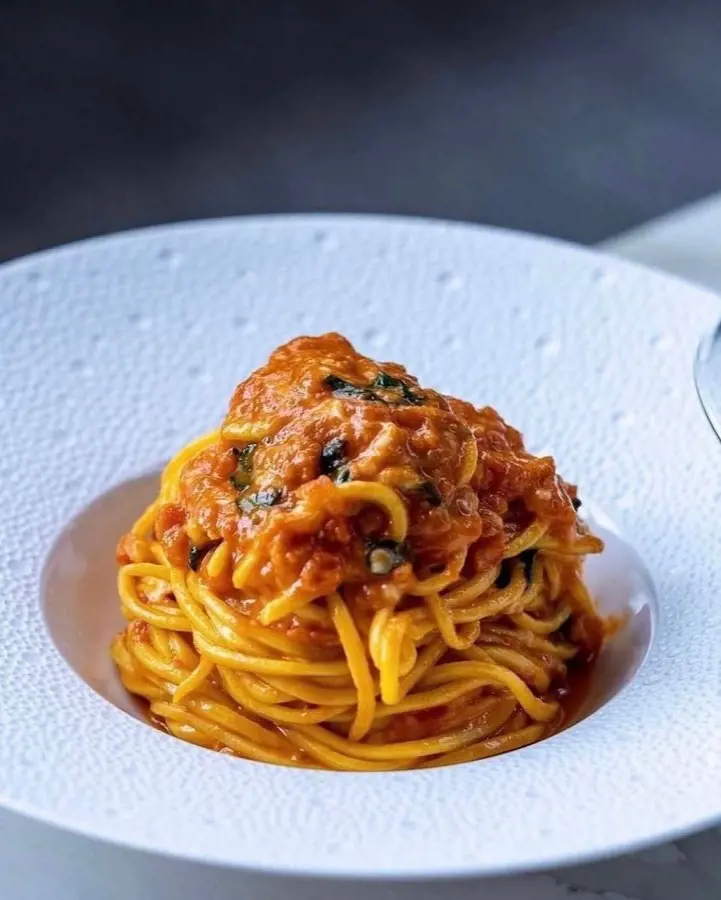
Pasta al Pomodoro, which translates to "pasta with tomato," is essentially what it is: al dente pasta tossed in a simple, delicious, and vibrant tomato sauce.
This dish was introduced in the 18th century and grew in popularity because it was easy to make, and the ingredients were readily available. The hero of this dish is the San Marzano tomatoes, which have a distinctive sweetness, low acidity, and concentrated tomato flavor.
3. Ragù alla Bolognese
instagram
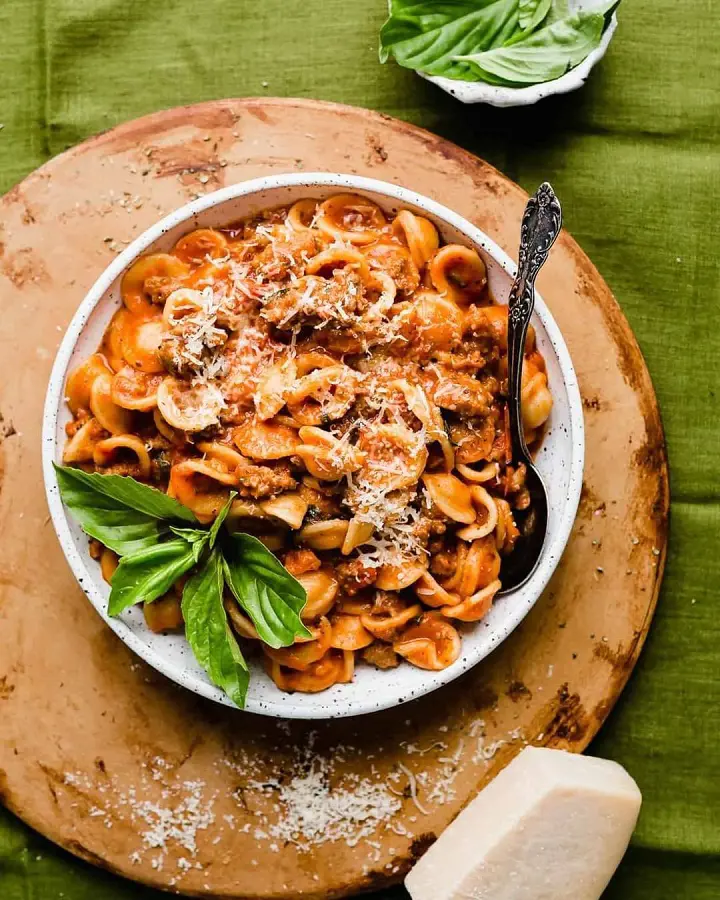
Most Americans are familiar with spaghetti and meatballs, which were actually inspired by a ragù alla Bolognese. It was created in Bologna by one of the pope's chefs. Minced meat, usually ground beef, is simmered in a creamy tomato sauce for a rich and flavorful meat sauce.
Unlike the North Americans who serve this meat sauce with spaghetti, Italians usually serve it with tagliatelle, a flat egg-based pasta that soaks up the ragù or wider egg noodles such as pappardelle or fettuccine.
4. Risotto alla Milanese
instagram
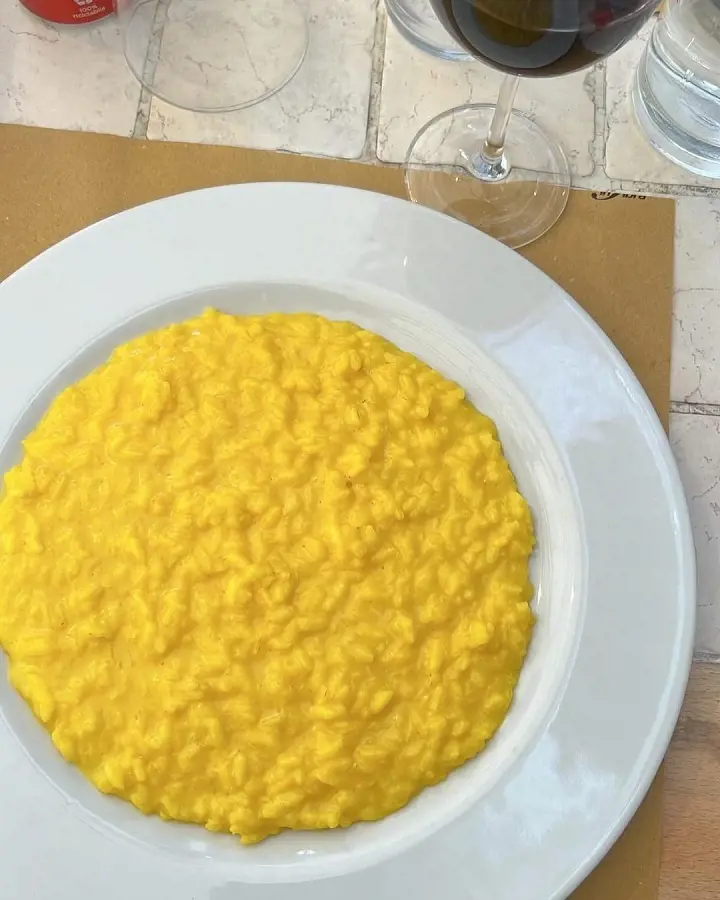
When it comes to popular Italian rice dishes, risotto takes the win. There are endless variations of risotto, and one of them is risotto alla Milanese. Named after its city of origin, Milan, this rice dish has a bright yellow color with a subtle floral-honey flavor, thanks to the infusion of a few strands of saffron.
A risotto is usually cooked with Arborio rice because it can release starch. The starch gives the risotto a creamy texture.
5. Polenta
instagram
At first glance, a polenta can seem drab and unappetizing, but once you have a bite, you will be surprised. It has a mildly sweet flavor and a slightly gritty texture from the coarsely ground cornmeal. This coarse ground meal has a higher starch content, which gives polenta a creamy texture when cooked.
Polenta used to be a staple food for peasants back in Roman times. Today, it is enjoyed worldwide for its versatility, affordability, and delicious taste.
6. Melanzane alla Parmigiana
instagram
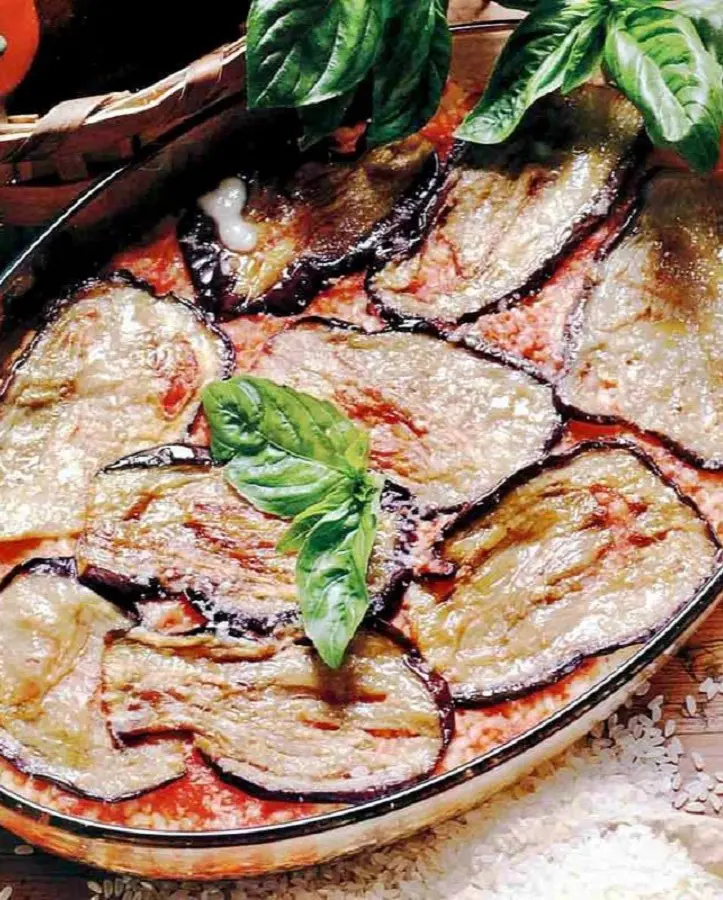
Melanzane alla parmigiana, or eggplant Parmesan, is popular among Americans for good reasons. This dish is deliciously comforting and contains lots of cheese- the one thing Americans absolutely love.
Layers of eggplant slices are coated in tomato sauce, mozzarella cheese, and Parmesan cheese and baked until golden brown. The origin of this dish is still debated, but no matter where it came from, everyone is of the consensus that this dish is scrumptious.
7. Saltimbocca alla Romana
instagram
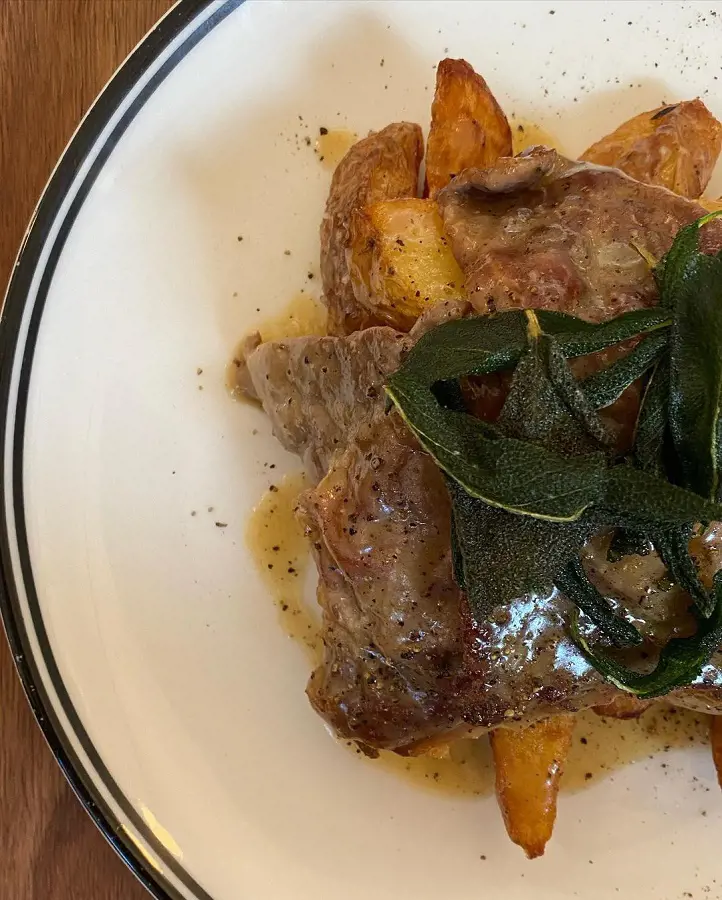
A classic Italian dish originating from Rome, Saltimbocca alla Romana is a dish with tender veal escalopes layered with a slice of prosciutto and fresh sage leaf, then pan-fried to golden perfection.
The star of this dish is the melt-in-your-mouth veal that is pounded thin for even cooking and maximum flavor absorption. This dish is usually served as a main course with simple side dishes like steamed vegetables, roasted potatoes, or a light quinoa salad.
8. Ossobuco alla Milanese
instagram
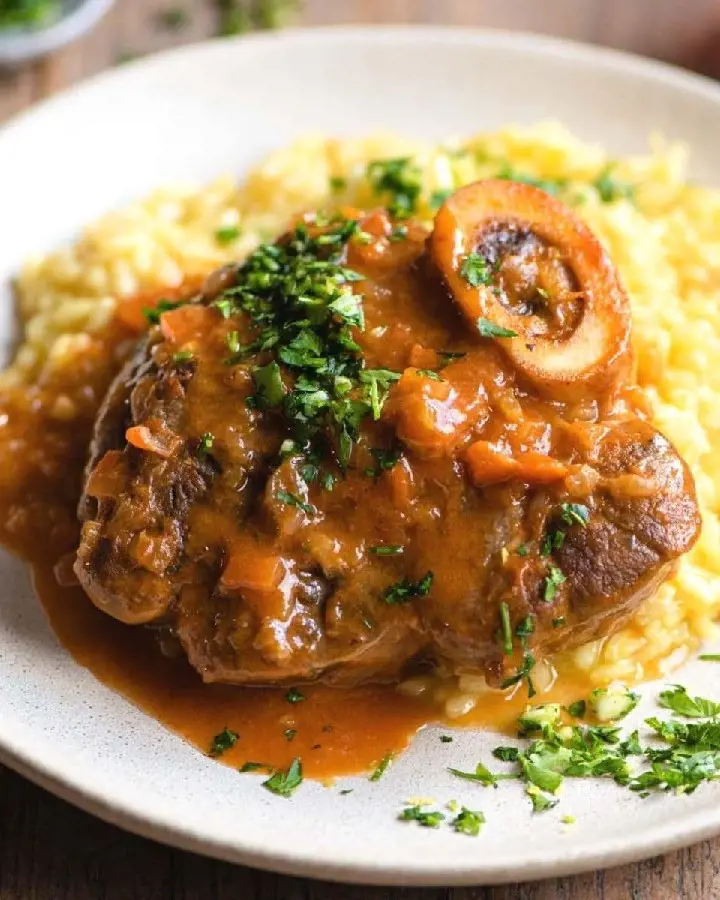
Ossobuco alla Milanese, which translates to "bone with a hole," is a rich Italian stew from Milan in Lombardy. It features a cross-cut veal shank with bone marrow in the center and is responsible for the rich and deep flavors of the stew.
These bone marrow are simmered in a flavorful broth of vegetables and white wine. Simmering allows all the flavors to meld and the collagen to break down, resulting in a hearty stew.
9. Spaghetti alle Vongole
instagram
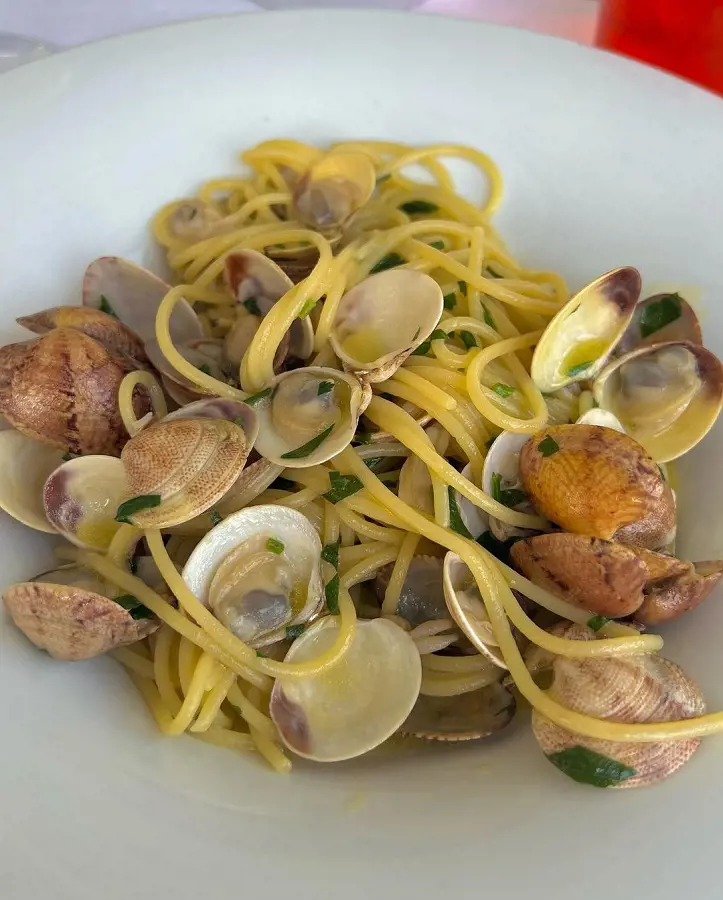
After Napoletana pizza, Spaghetti alle Vongole is probably the most iconic dish from Naples. This dish features pasta, clams, and garlic and celebrates the briny flavors of the Mediterranean sea. It is simple, classic, and easily one of the pasta dishes when properly made.
There is also a tomato version of this dish known as Spaghetti alle Vongole con Pomodoro. This dish has all the ingredients of a traditional spaghetti alle vongole but with the addition of crushed or cherry tomatoes.
10. Cacio e Pepe
instagram
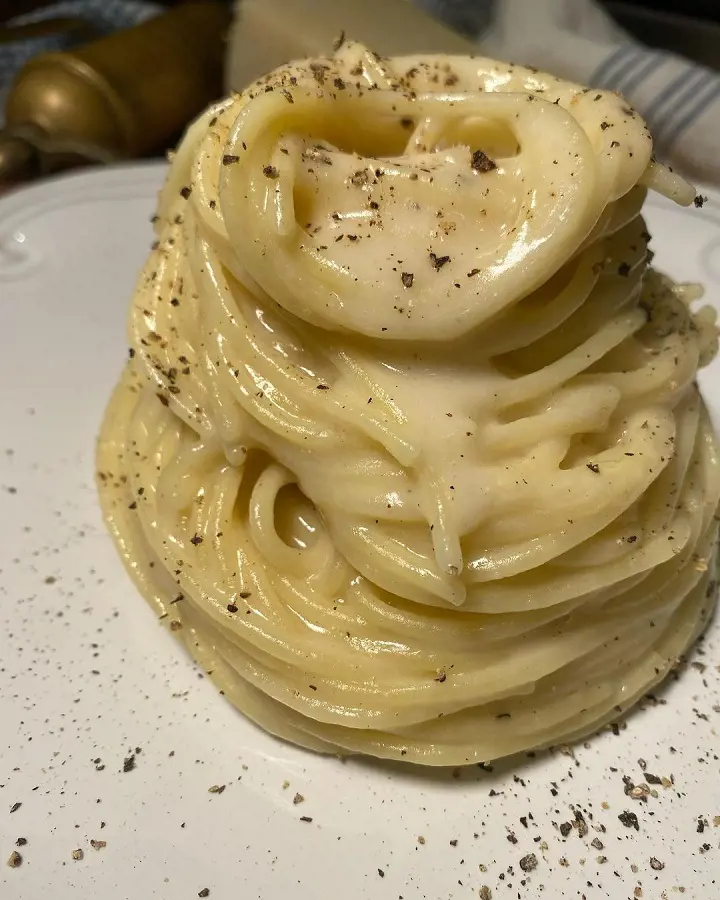
As the name implies, Cacio e Pepe is an Italian pasta dish made with spaghetti, grated cacio, which translates to sheep cheese or Pecorino Romano, and Pepe, meaning black pepper.
There are many theories on the origin of this dish. One theory states that cacio e pepe originated in the Lazio region, famous for producing Pecorino Romano cheese. Another theory states it originated in Rome and was created by shepherds who carried cheese, pepper, and dried pasta on their travels.
11. Lasagna
instagram
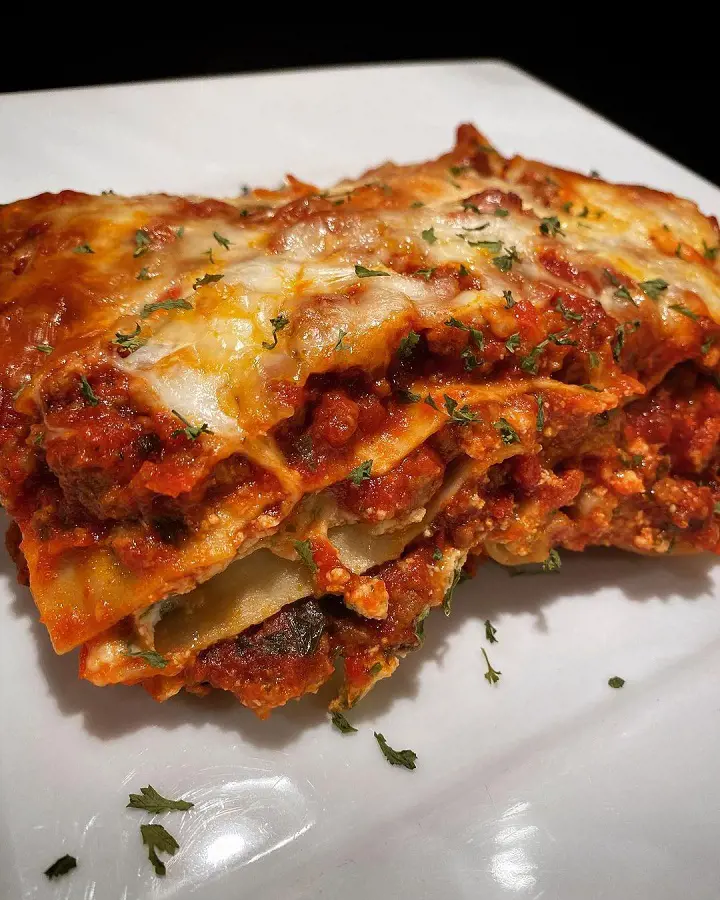
Although lasagna is associated with Italian menus, it owes its first variations to Greek cuisine. The Greeks had a dish called "laganon" that involved layering pasta and sauce, which built the foundation for Italian lasagna.
A traditional Italian lasagna is thought to have originated in the region of Emilia-Romagna and is always made with bechamel and meat ragu. Nowadays, the dish comes in plenty of meat and plant-based versions to appeal to the masses.
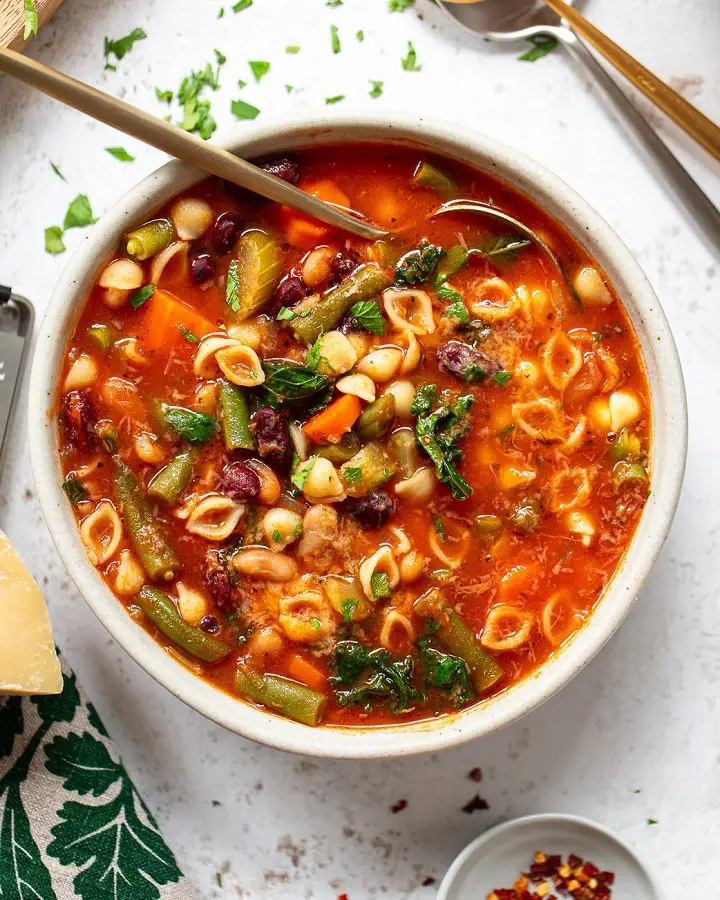
A hearty bowl of minestrone made by a nonna is as comforting as it gets. The soup was introduced by the Romans as early as the 2nd century BC and has not shown any signs of letting up. A minestrone does not have a fixed recipe and can be made with whatever is available.
A delicious minestrone is typically chunky, with a flavorful broth loaded with tender pieces of meat, vegetables, and pasta or rice. Common ingredients include onions, carrots, celery, potatoes, leafy greens, short tubes or macaroni.
13. Torta Caprese
instagram
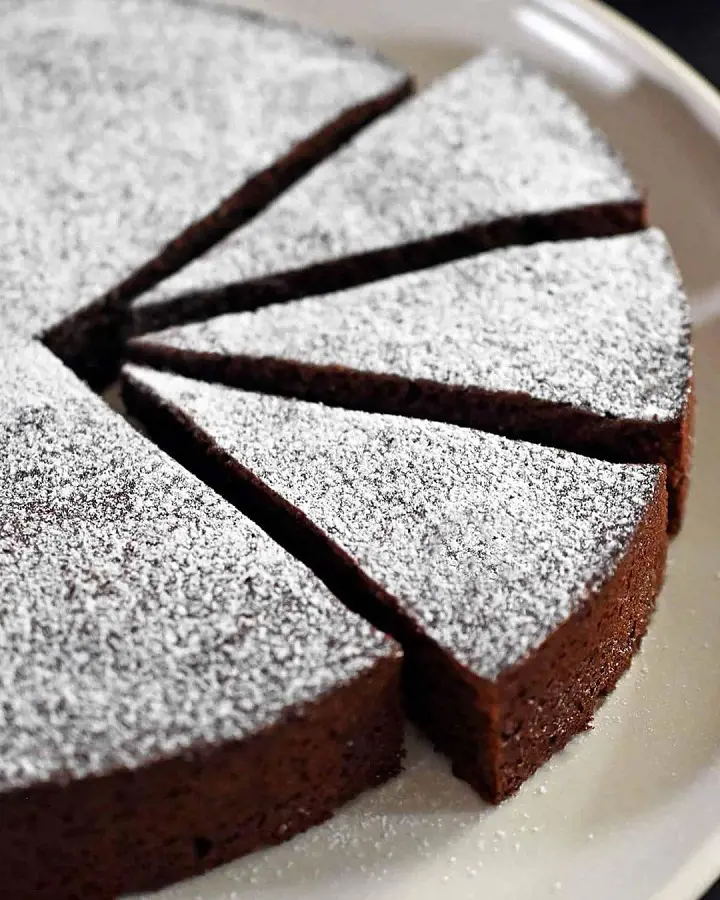
Torta Caprese, named after the island of Capri, is a flourless Italian cake loaded with chocolate and almonds. It was said to have been invented by a baker in the 1920s who ran out of flour or forgot to put it in his chocolate cake, which gave birth to a torta Caprese.
A torta caprese is surprisingly soft and crispy at the same time and famous for its intense chocolate flavor and subtle hint of almond.
14. Zabaglione
instagram
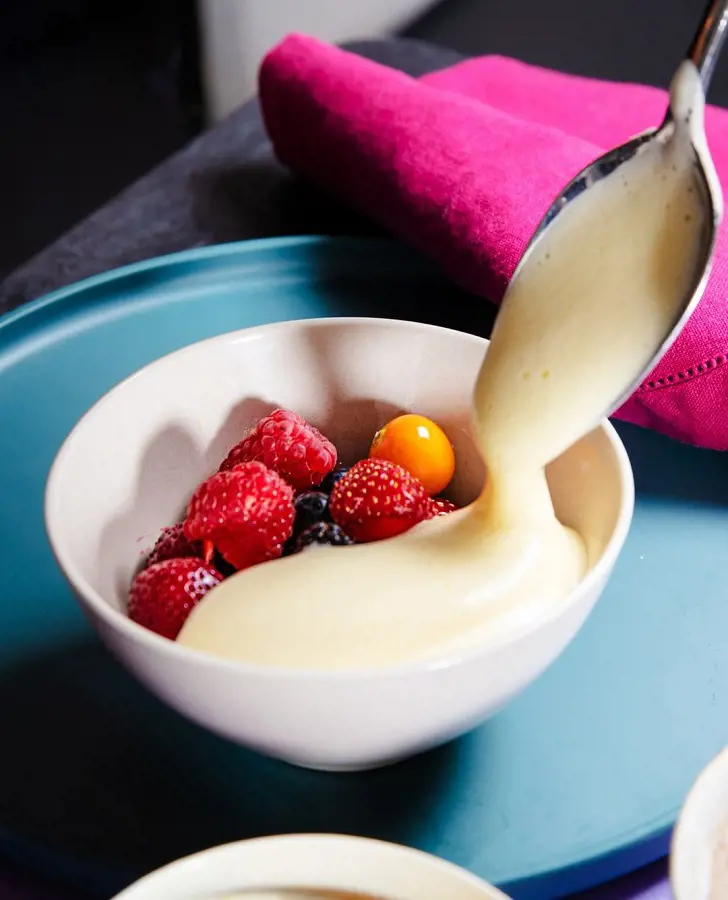
Zabaglione was invented in the 16th Century in Florence, Italy, in the court of the Medici. It was initially a drink made with wine or ale thickened with egg yolks but later evolved into a dessert with the addition of sugar.
In Italy, this dessert is made in a special pot known as bastardella. This pot is made of steel or copper and has two handles and a hemispherical shape, making it suitable for whipping egg whites.
15. Biscotti
instagram
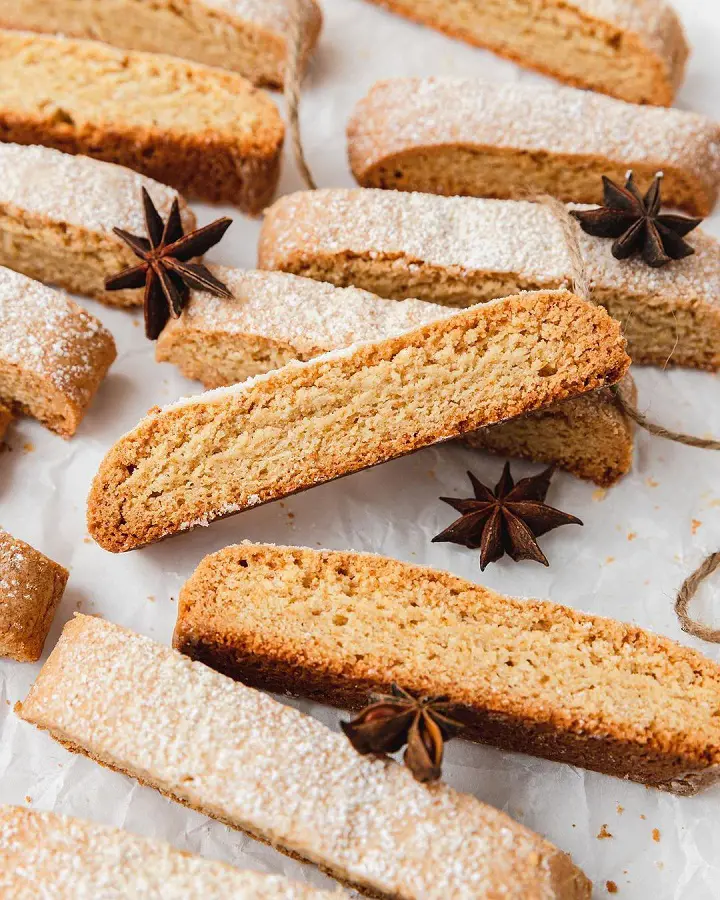
Biscotti, also known as cantuccini or mandelbrot, are traditional Italian cookies that have been around for ages. The word “biscotti” is derived from the Latin word “bis,” meaning “twice,” and “coctus,” meaning “cooked,” referring to the fact that a biscotti dough is baked twice to create a crunchy and dry texture.
Traditionally, these cookies were made with a simple mixture of flour, water, and almonds and were enjoyed with a sweet dessert wine like vin santo.
16. Torta della Nonna
instagram
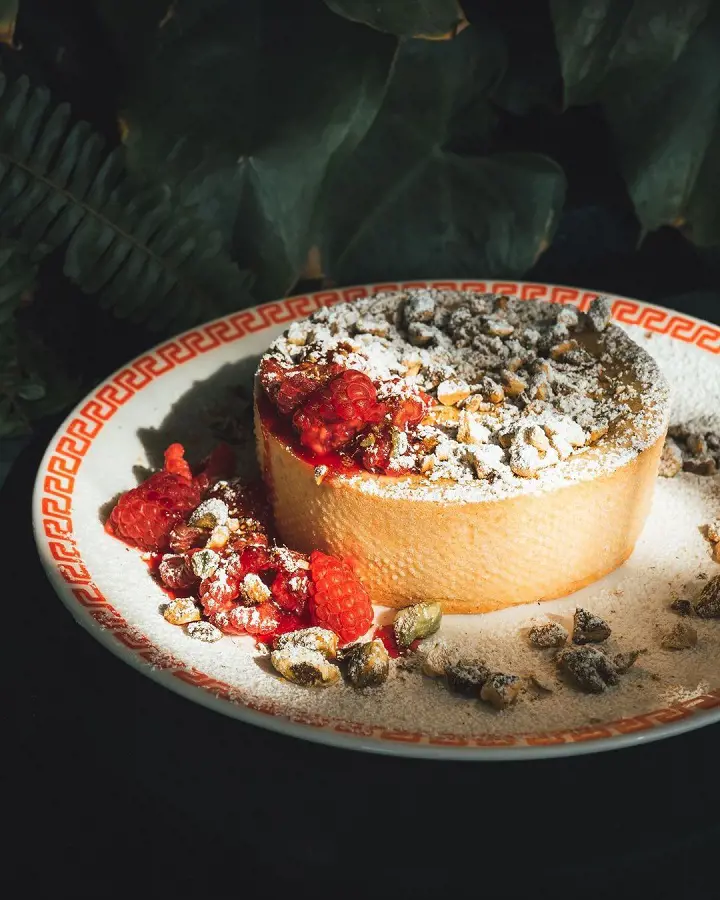
Despite the name torta della nonna, which means “grandma’s cake” in Italian, it was not made at home by an Italian granny. A popular theory states that it was created by a chef named Guido Samorini as part of a new dessert for his restaurant in Florence.
The chef made the Italian custard tart with sweet shortcrust pastry, Italian pastry cream, and pine nuts. It is often served with a dusting of powdered sugar.
17. Panna Cotta
instagram
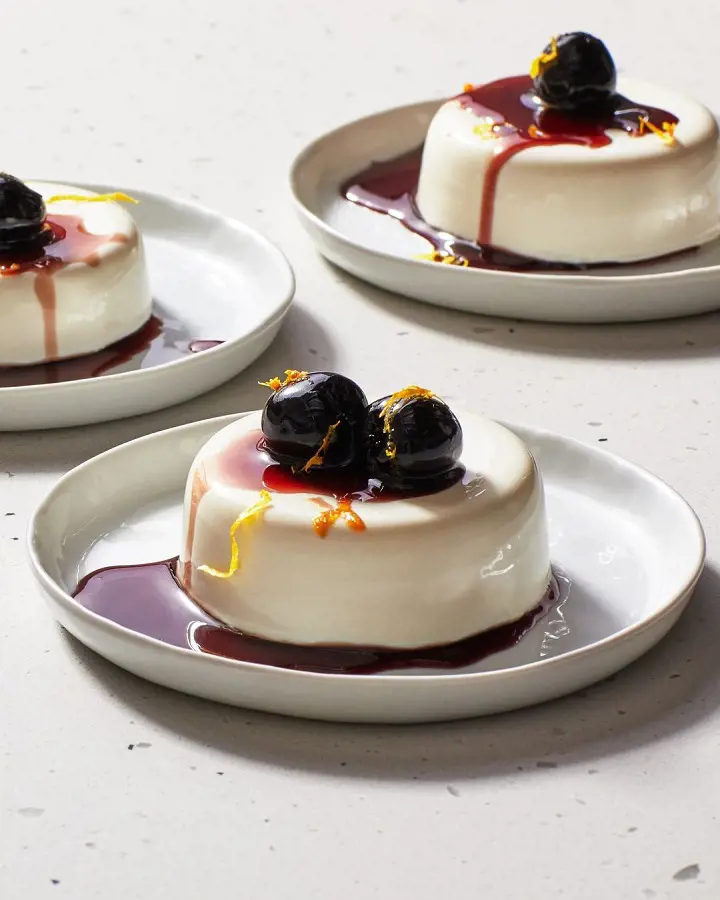
One of the most famous and frequently requested Italian desserts, panna cotta, which means “cooked cream,” is a delectable pudding made from sugar and cream. It is delicately sweet with a smooth texture, making it a perfect treat at the end of a meal.
There are many kinds of panna cotta; Some are flavored with coffee, some with lavender, almond, rosemary, or caramel. They are always served with warm sauces of berries, chocolate, cream, or caramel.
18. Tiramisu
instagram
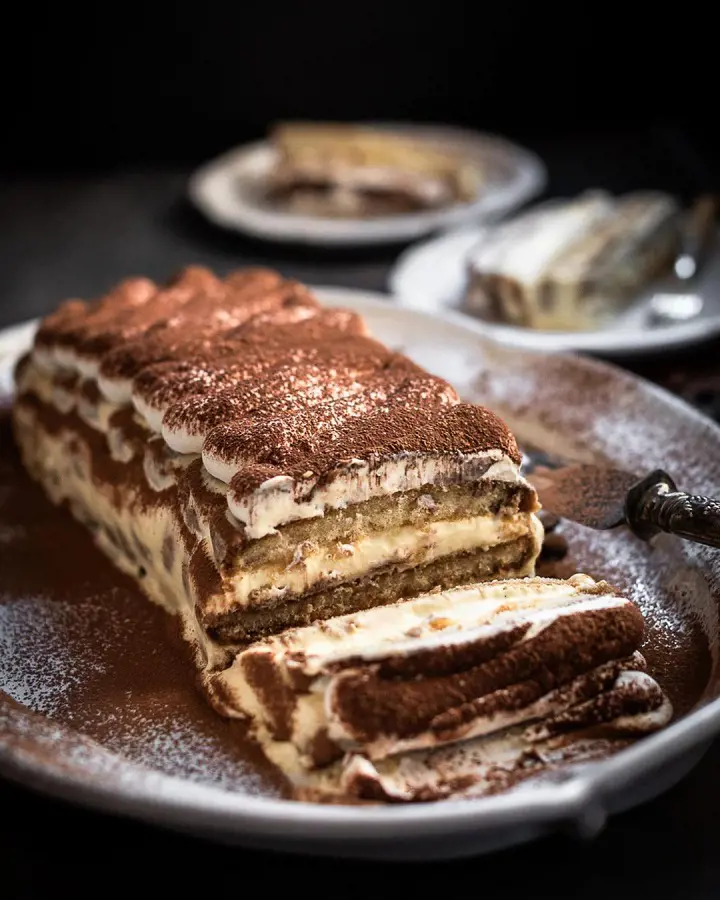
Although Tiramisu has only been around since the 1960s, it is Italy’s most iconic confection and appears on every popular Italian dessert list. It is so popular that in 2017, food writers and journalists Clara and Gigi Padovani declared World Tiramisù Day, which is celebrated on March 21st every year.
A classic tiramisu features coffee-soaked ladyfingers layered with mascarpone cream and cocoa powder. The name tirami sù means “pick me up,” a reference to the energizing effects of the caffeine in the dessert.
19. Gelato
instagram
Many people assume gelato is just an Italian word for ice cream, but there is much more to it than that. The origins of gelato are opaque, but it grew in popularity after Francesco Procopio Dei Coltelli opened his first cafe and offered gelato.
Gelato is not like your typical ice cream. It uses a lot less fat and is churned at a much slower speed. As a result, the whipped creation has a denser texture and a more intense flavor than ice cream.
20. Cannoli
instagram
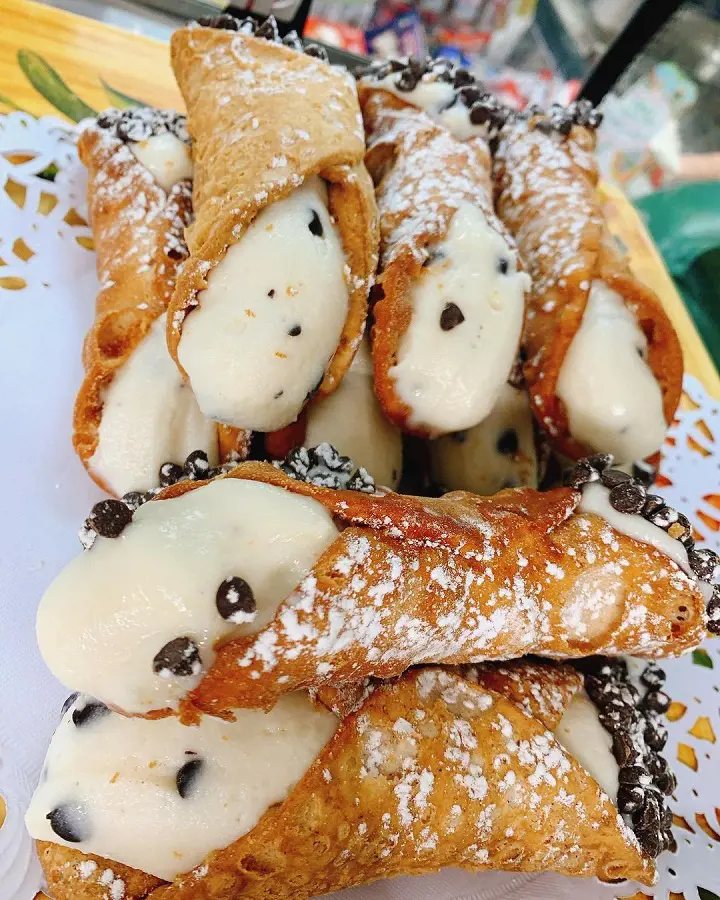
Cannoli, or “little tubes,” consists of crispy pastry shells filled with ricotta cream and additions like candied fruit and chocolate chips. The traditional cannoli is believed to have come from the Palmero and Messina regions, but the cannoli’s fillings are said to have Arabic origins.
In the early 1900s, Italians immigrating to America made adaptations to the original cannoli recipe because they could not find ingredients like sheep’s milk ricotta. This is why modern versions include a mascarpone instead of ricotta.