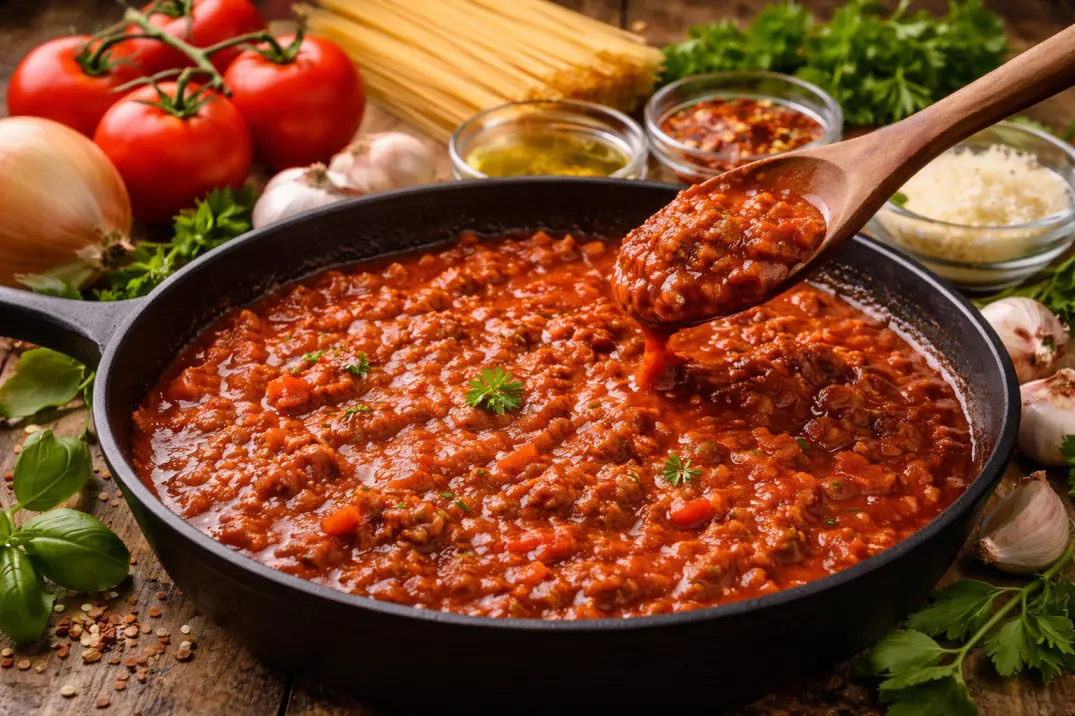
If you’ve ever wondered how to make spaghetti sauce that tastes better than store-bought, you’re in the right place. A homemade sauce is richer, fresher, and completely customizable to your taste.
Whether you’re preparing a quick weeknight dinner or planning a family gathering, a good spaghetti sauce can elevate a simple pasta dish into something unforgettable.
The best part? You don’t need fancy ingredients or professional cooking skills. With a few pantry staples and the right techniques, you can create a delicious, authentic sauce right in your kitchen.
Ingredients You’ll Need
Before you begin, gather the following ingredients for a classic homemade spaghetti sauce:
-
2 tablespoons olive oil
-
1 medium onion, finely chopped
-
3–4 cloves garlic, minced
-
1 can (28 oz) crushed tomatoes
-
1 can (15 oz) tomato sauce
-
1 tablespoon tomato paste
-
1 teaspoon sugar (optional)
-
1 teaspoon dried oregano
-
1 teaspoon dried basil
-
½ teaspoon salt (adjust to taste)
-
½ teaspoon black pepper
-
¼ teaspoon red pepper flakes (optional)
-
Fresh basil or parsley (for garnish)
You can also add ground beef, Italian sausage, mushrooms, or bell peppers if you prefer a heartier sauce.
Step-by-Step Guide: How to Make Spaghetti Sauce
1. Sauté the Aromatics
Start by heating olive oil in a large saucepan over medium heat. Add the chopped onion and cook for about 3–5 minutes until soft and translucent. Then add the minced garlic and cook for another 30 seconds, stirring constantly to prevent burning.
This step builds the base flavor of your sauce. Properly sautéed onions and garlic create a rich and aromatic foundation.
2. Add the Tomatoes
Next, stir in the crushed tomatoes, tomato sauce, and tomato paste. Mix everything thoroughly to combine. The tomato paste adds depth and thickness, while crushed tomatoes give the sauce its body.
If you prefer a smoother sauce, you can blend it later using an immersion blender.
3. Season the Sauce
Add oregano, basil, salt, black pepper, and red pepper flakes. If your tomatoes taste slightly acidic, add a teaspoon of sugar to balance the flavor.
Stir well and bring the sauce to a gentle simmer.
4. Simmer for Rich Flavor
Reduce the heat to low and let the sauce simmer uncovered for at least 20–30 minutes. Stir occasionally to prevent sticking. The longer it simmers, the deeper the flavor becomes. For best results, let it cook for up to an hour.
Simmering allows the herbs to infuse into the tomatoes, creating a well-rounded taste.
5. Taste and Adjust
Before serving, taste the sauce and adjust seasoning as needed. You may want to add more salt, herbs, or a splash of olive oil for richness.
Garnish with fresh basil or parsley for a burst of freshness.
Homemade spaghetti sauce is incredibly versatile. Here are some variations you can try:
Meat Sauce
Brown 1 pound of ground beef or Italian sausage before adding onions. Drain excess fat, then continue with the recipe as usual. This creates a hearty, protein-packed sauce.
Vegetable-Packed Sauce
Add diced bell peppers, mushrooms, zucchini, or carrots. Sauté them with the onions for extra nutrition and texture.
Creamy Tomato Sauce
Stir in ¼ cup heavy cream at the end of cooking for a smoother, richer flavor.
Spicy Version
Increase red pepper flakes or add a dash of hot sauce for heat.
Tips for the Best Homemade Spaghetti Sauce
Use Quality Tomatoes
The quality of canned tomatoes makes a big difference. Choose whole or crushed tomatoes with no added preservatives for the best flavor.
Let It Simmer
Don’t rush the cooking process. A slow simmer enhances sweetness and reduces acidity.
Fresh Herbs Make a Difference
While dried herbs work well, adding fresh basil at the end brightens the sauce beautifully.
Make It Ahead
Spaghetti sauce tastes even better the next day. Store it in an airtight container in the refrigerator for up to 4 days.
How to Store and Freeze Spaghetti Sauce
Homemade spaghetti sauce stores very well:
When reheating, warm gently on the stovetop and add a splash of water if the sauce has thickened too much.
Serving Ideas
While spaghetti is the classic pairing, this sauce works wonderfully with many dishes:
-
Tossed with penne, fettuccine, or linguine
-
Layered in lasagna
-
Spread over pizza dough
-
Used as a dipping sauce for garlic bread
-
Served over meatballs or chicken Parmesan
The versatility makes it a staple recipe in any kitchen.
Common Mistakes to Avoid
-
Burning the garlic: Cook garlic briefly to avoid bitterness.
-
Skipping the simmer: Quick cooking leads to flat flavor.
-
Over-seasoning early: Flavors intensify as the sauce reduces, so adjust seasoning at the end.
-
Too much sugar: Add only if necessary to balance acidity.
Final Thoughts
Learning how to make spaghetti sauce from scratch is a simple but rewarding skill. With basic ingredients and a little patience, you can create a sauce that’s rich, comforting, and far superior to store-bought versions. Plus, you can customize it to suit your taste - whether you prefer it meaty, spicy, or loaded with vegetables.
Once you try this homemade spaghetti sauce recipe, it may become your go-to for pasta nights. Fresh, flavorful, and easy to prepare, it’s a timeless classic that never disappoints.