Soy sauce is one of the most essential condiments in kitchens around the world. From stir-fries and marinades to dipping sauces and soups, it adds deep umami flavor and richness to countless dishes.
While most people buy bottled soy sauce from the store, you might be surprised to learn that you can make soy sauce at home.
Traditional soy sauce takes time and patience because it relies on fermentation. However, with the right ingredients and guidance, the process becomes manageable and rewarding. In this easy guide, you’ll learn both the traditional fermentation method and a quicker homemade alternative.
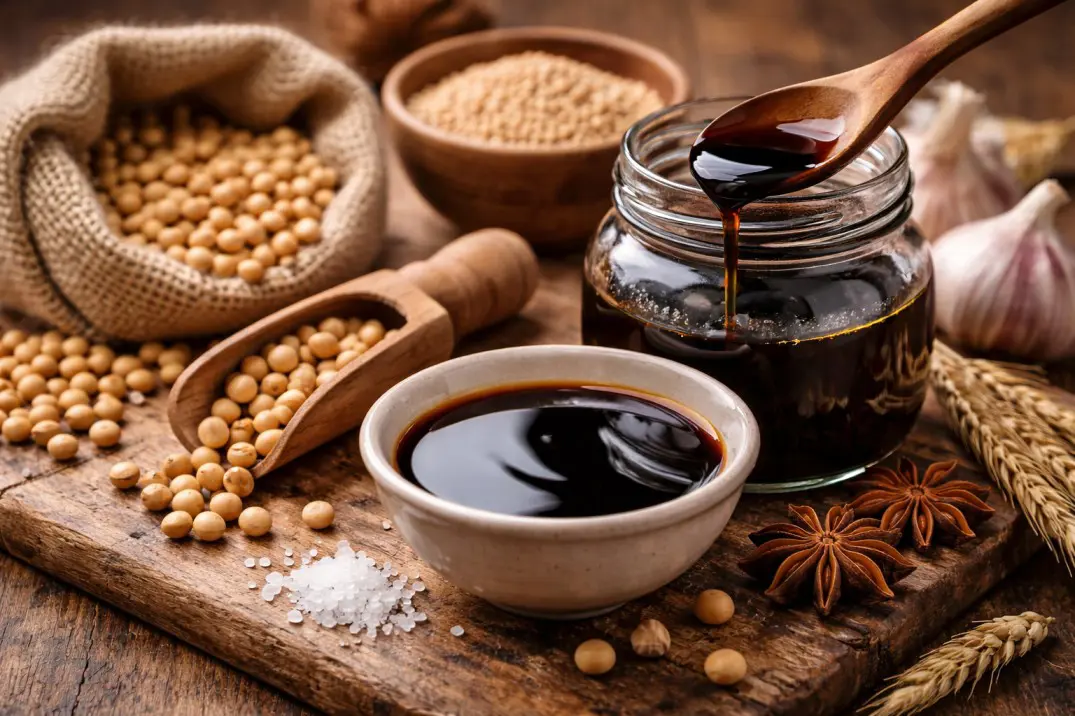
What Is Soy Sauce Made Of?
Authentic soy sauce is made from just four basic ingredients:
-
Soybeans
-
Wheat
-
Salt
-
Water
The magic happens during fermentation, where beneficial molds and bacteria break down proteins and starches, creating that signature savory, salty, and slightly sweet flavor.
Traditional soy sauce varieties are commonly associated with countries like China and Japan, where the brewing process has been perfected over centuries.
Traditional Method: How to Make Fermented Soy Sauce
This method requires time (several months), but it produces authentic flavor.
Ingredients:
Step 1: Soak and Cook the Soybeans
Rinse the soybeans thoroughly and soak them overnight in water. The next day, boil them for 3–4 hours until they become soft enough to mash easily.
Drain and mash the soybeans into a paste-like consistency.
Step 2: Prepare the Wheat
Lightly toast the wheat flour in a dry pan until golden brown. This enhances flavor and aroma. Let it cool completely before mixing.
Step 3: Combine Soybeans and Wheat
Mix the mashed soybeans with the toasted wheat. Sprinkle the koji starter over the mixture and stir well.
Spread the mixture evenly on a tray and cover it with a clean cloth. Let it sit in a warm, humid place (around 25–30°C or 77–86°F) for about 2 days. During this time, mold will grow—this is normal and essential for fermentation.
This cultured mixture is called koji.
Step 4: Create the Brine (Moromi)
Dissolve salt in water to create a brine solution. Transfer the koji mixture into a large glass or ceramic jar and pour the brine over it.
Stir well, cover loosely, and store in a cool, dark place.
Step 5: Fermentation Process
The mixture (called moromi) must ferment for 3 to 6 months, sometimes even longer.
Over time, the liquid will darken and develop a deep aroma.
Step 6: Strain and Pasteurize
After fermentation is complete:
-
Strain the mixture through cheesecloth.
-
Press firmly to extract all liquid.
-
Heat the liquid gently (do not boil) to pasteurize and stop fermentation.
Let it cool completely before bottling.
You now have homemade fermented soy sauce.
Quick Homemade Soy Sauce Alternative (No Long Fermentation)
If waiting months isn’t practical, here’s a simplified version you can make in under an hour.
Ingredients:
Method:
-
Combine all ingredients in a saucepan.
-
Bring to a gentle simmer over medium heat.
-
Stir continuously for 10–15 minutes until slightly thickened.
-
Let cool before transferring to a bottle.
This version won’t taste exactly like traditionally brewed soy sauce, but it works well for cooking and seasoning.
Tips for Success
1. Use Clean Equipment
Fermentation depends on good bacteria. Always sterilize jars and utensils to avoid contamination.
2. Be Patient
Traditional soy sauce improves with time. Longer fermentation often means deeper flavor.
3. Monitor Smell and Appearance
A pleasant, slightly sweet, fermented smell is normal. If you detect a strong foul odor or unusual colors, discard the batch.
4. Store Properly
Keep homemade soy sauce in a sealed glass bottle in the refrigerator. Properly fermented soy sauce can last several months.
Flavor Variations to Try
Once you master the basics, experiment with flavors:
-
Add dried mushrooms for extra umami.
-
Use brown sugar instead of molasses in quick versions.
-
Add chili flakes for a spicy soy sauce.
-
Try gluten-free by replacing wheat with rice.
Health Benefits of Homemade Soy Sauce
Homemade soy sauce can be healthier because:
-
You control the salt level.
-
No artificial preservatives are added.
-
It contains beneficial fermentation compounds (in traditional versions).
Fermented soy products are known for their rich umami taste and digestive benefits when consumed in moderation.
Common Mistakes to Avoid
-
Skipping the salt: Salt prevents harmful bacteria growth.
-
Using metal containers for long fermentation.
-
Rushing the fermentation stage.
-
Not straining properly before bottling.
Attention to detail makes a big difference in the final taste.
How to Use Homemade Soy Sauce
Your homemade soy sauce can be used in:
It adds depth and balance to both vegetarian and meat dishes.
Final Thoughts
Learning how to make soy sauce at home is both a culinary adventure and a rewarding experience. While the traditional fermentation method requires patience, the result is rich, complex, and deeply flavorful. If you prefer a quicker solution, the easy alternative recipe offers a practical substitute.
Whether you choose the authentic long-fermentation process or the fast homemade version, making soy sauce yourself allows you to control ingredients, customize flavor, and appreciate the craftsmanship behind this timeless condiment.