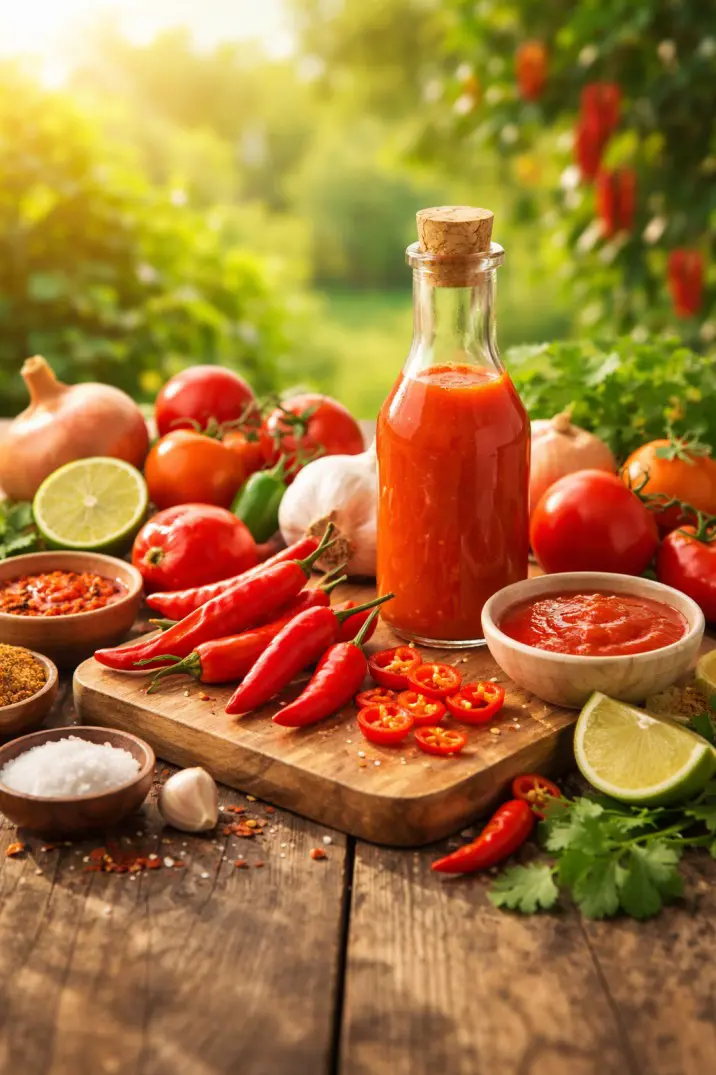
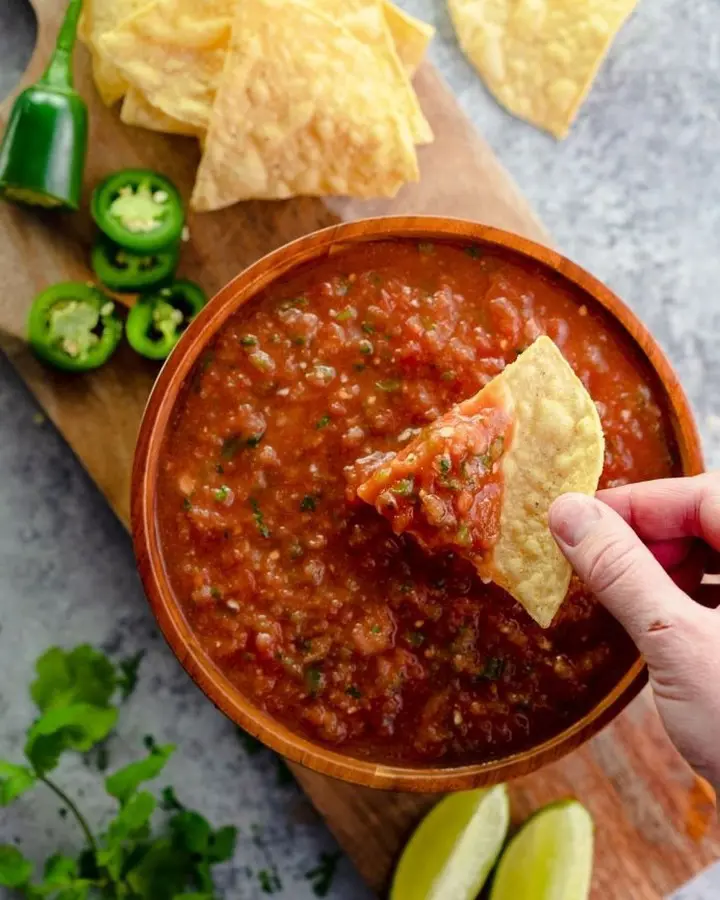
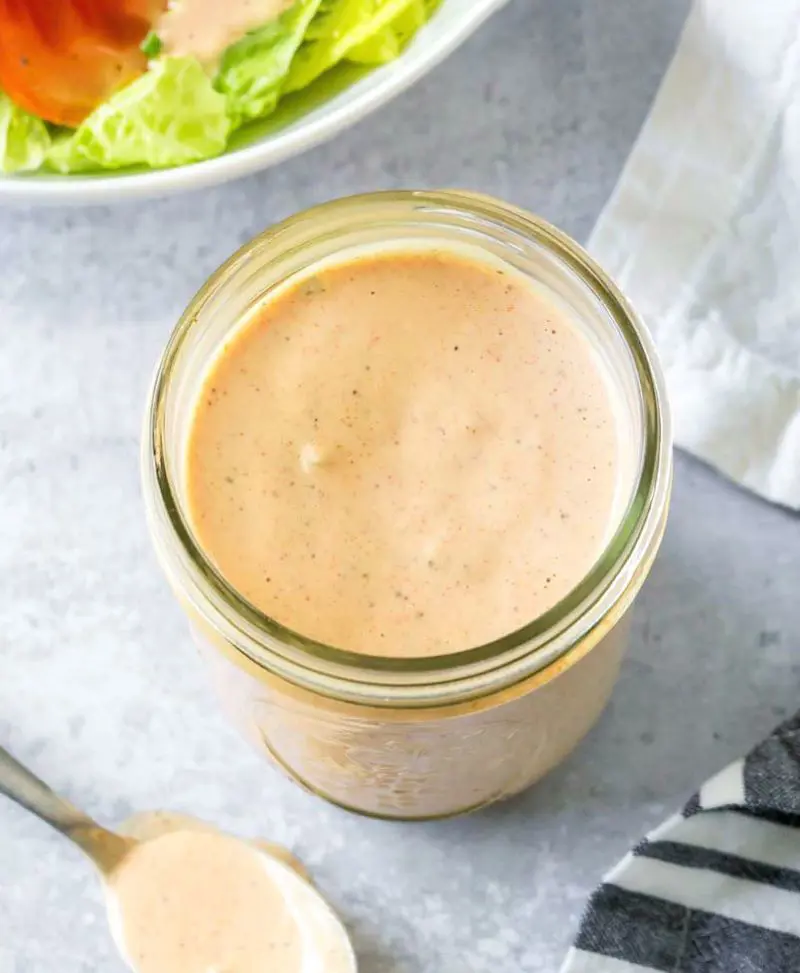
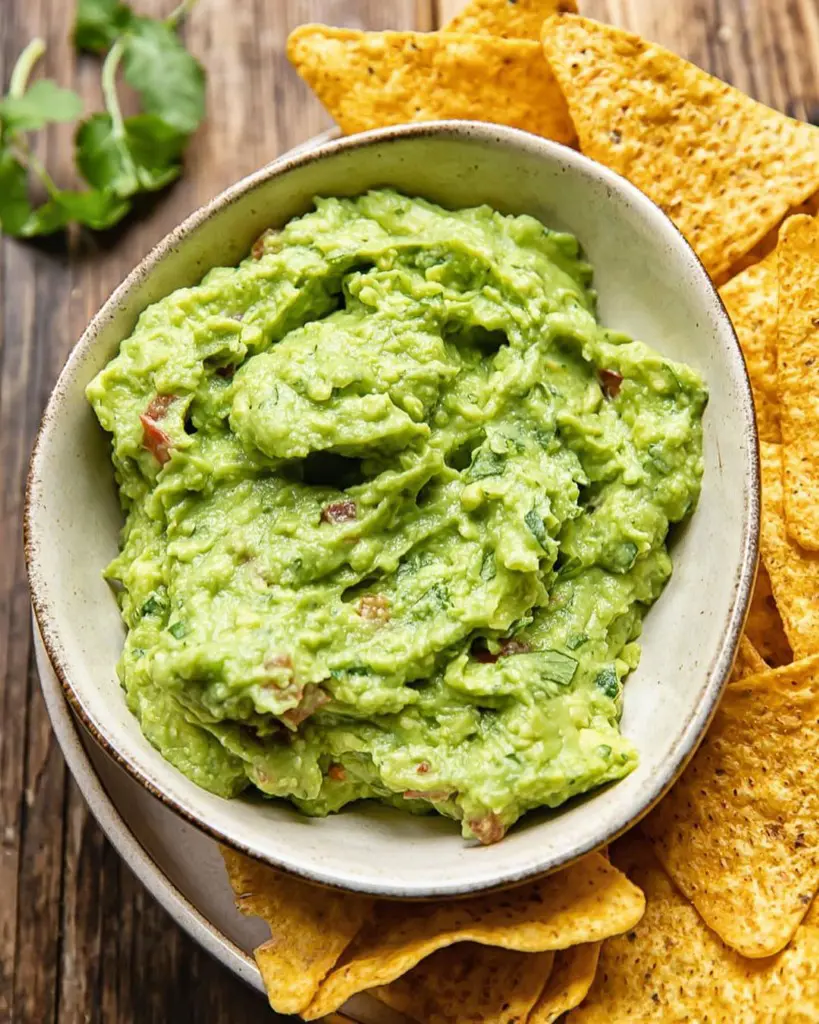
If you love adding bold flavor and spicy heat to your meals, learning how to make hot sauce at home is a game-changer. Homemade hot sauce is fresher, more customizable, and free from unnecessary preservatives.
Whether you prefer mild warmth or fiery intensity, you can easily adjust the ingredients to suit your taste.
From tacos and grilled meats to eggs and sandwiches, hot sauce enhances nearly any dish. The best part? You only need a handful of simple ingredients and a little time to create a flavorful sauce that rivals store-bought versions.
Basic Ingredients You’ll Need
To make easy homemade hot sauce, you only need a few core ingredients:
-
Fresh chili peppers (jalapeños, serranos, cayenne, or red chilies)
-
Garlic cloves
-
Vinegar (white vinegar or apple cider vinegar)
-
Salt
-
Water
Optional ingredients for extra flavor:
The type of chili you choose determines the heat level. Jalapeños provide moderate heat, while cayenne and Thai chilies create a spicier sauce.
Step-by-Step Method: How to Make Hot Sauce
Making hot sauce at home is simple. Follow these easy steps:
Step 1: Prepare the Peppers
Wash the chili peppers thoroughly. Remove the stems. For less heat, remove some or all of the seeds. Wear gloves when handling very spicy peppers to protect your skin.
Step 2: Chop the Ingredients
Roughly chop the peppers, garlic, and onion (if using). Uniform pieces help cook everything evenly.
Step 3: Cook the Mixture
In a saucepan, combine:
-
Chopped peppers
-
Garlic
-
1 cup vinegar
-
½ cup water
-
1 teaspoon salt
Bring to a gentle boil, then reduce heat and simmer for about 10–15 minutes. This softens the peppers and blends the flavors.
Step 4: Blend Until Smooth
Allow the mixture to cool slightly. Transfer it to a blender and blend until smooth. If the sauce is too thick, add a little more water or vinegar.
Step 5: Strain (Optional)
For a smoother consistency, strain the sauce through a fine sieve. If you prefer a thicker texture, you can skip this step.
Step 6: Adjust Flavor
Taste your sauce and adjust:
Step 7: Store Properly
Pour the hot sauce into a clean glass bottle or jar. Store it in the refrigerator for up to 2–3 weeks.
Tips for Perfect Homemade Hot Sauce
-
Balance is key: Good hot sauce isn’t just spicy—it should be tangy and flavorful.
-
Experiment with peppers: Combine mild and hot peppers for layered heat.
-
Roast for smoky flavor: Roast peppers in the oven before blending for a deeper taste.
-
Ferment for complexity: Let the pepper mixture ferment for 3–5 days before cooking to develop a richer flavor.
Why To Make Homemade Hot Sauce?
There are many reasons to prepare your own hot sauce instead of buying it from the store:
-
Control the heat level – Choose your favorite chili peppers.
-
Fresh flavor – No artificial preservatives or additives.
-
Customizable taste – Adjust sweetness, tanginess, and spice.
-
Budget-friendly – Use affordable, easy-to-find ingredients.
Homemade hot sauce also allows you to experiment with different flavor combinations like garlic, fruit, herbs, or smoky elements.
Popular Hot Sauce Variations
Once you master the basic recipe, you can try different styles inspired by well-known sauces.
-
Garlic Hot Sauce: Add extra garlic for a bold kick similar to classic Louisiana-style sauces.
-
Green Hot Sauce: Use green jalapeños and fresh cilantro for a vibrant sauce.
-
Smoky Chipotle Sauce: Blend chipotle peppers in adobo for a smoky depth.
-
Sweet and Spicy Sauce: Add mango or pineapple for a tropical twist.
You can even create a version inspired by the classic heat of Tabasco or the thicker texture of Sriracha by adjusting vinegar levels and consistency.
How to Adjust the Heat Level
If your sauce turns out too spicy:
If it’s not spicy enough:
-
Add hotter chili varieties.
-
Include some of the seeds.
-
Add a pinch of cayenne powder.
Remember, heat intensifies slightly after resting in the refrigerator.
How to Use Homemade Hot Sauce
Homemade hot sauce is incredibly versatile. Try it with:
You can also mix it into marinades, dips, or salad dressings for an extra flavor boost.
Storage and Shelf Life
Because homemade hot sauce contains vinegar and salt, it naturally preserves well. Store it in a sealed glass container in the refrigerator. It typically lasts 2–3 weeks, and sometimes longer if properly handled.
If you want extended shelf life, ensure:
If you notice mold, unusual smell, or discoloration, discard the sauce immediately.
Final Thoughts
Learning how to make hot sauce at home is simple, fun, and rewarding. With just a few ingredients and easy steps, you can create a flavorful sauce tailored exactly to your spice preference. Whether you enjoy mild warmth or fiery heat, homemade hot sauce allows you to control every element—from texture to tanginess.
Start with the basic recipe, then experiment with different peppers, fruits, and spices to develop your signature blend. Once you taste your own fresh, homemade hot sauce, you may never go back to store-bought again!