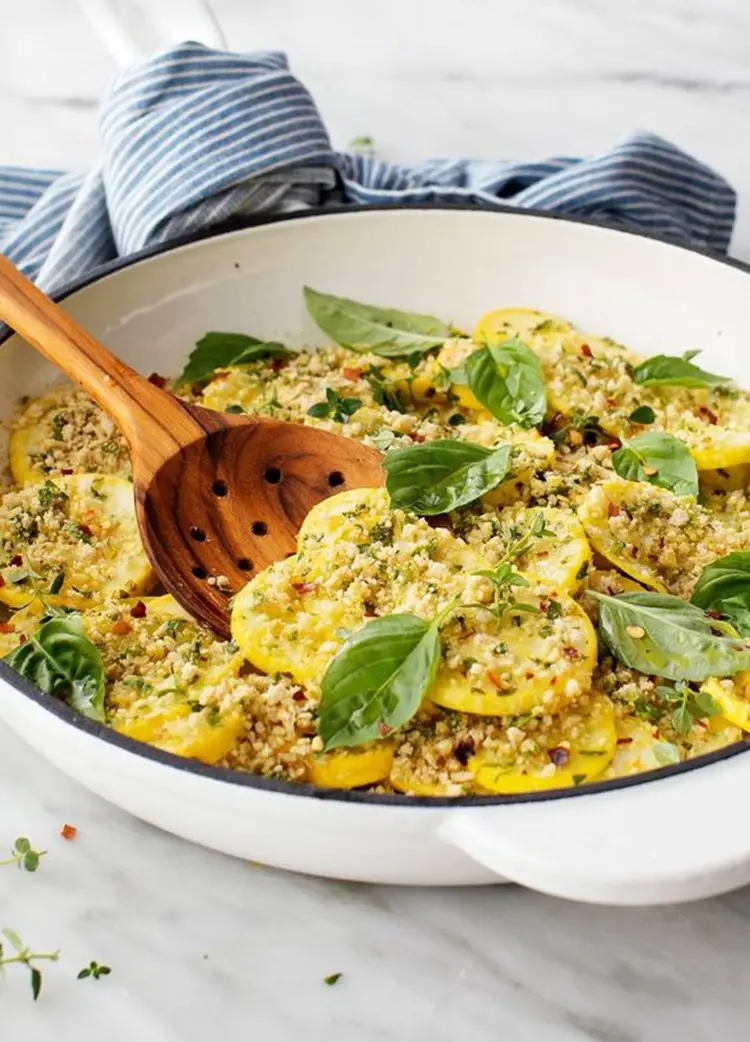
From roasting to boiling to sauteeing, Yellow Summer Squash can be cooked in many different ways and is a very easy and healthy veggie!
This yellow vegetable has a rather mild flavor and can add sweetness to a dish without dominating it. A balanced diet requires a sufficient amount of vital nutrients that they contain. Because of the variety in their preparation, they make an excellent choice in different dishes across the globe.
This vegetable can be used in salads, mixed with pasta or rice, or added to soups for extra flavor. Let us explore how we can prepare Yellow Squash!
Choosing the Right Yellow Squash
There are 4 major things to check when choosing yellow squash:
Color
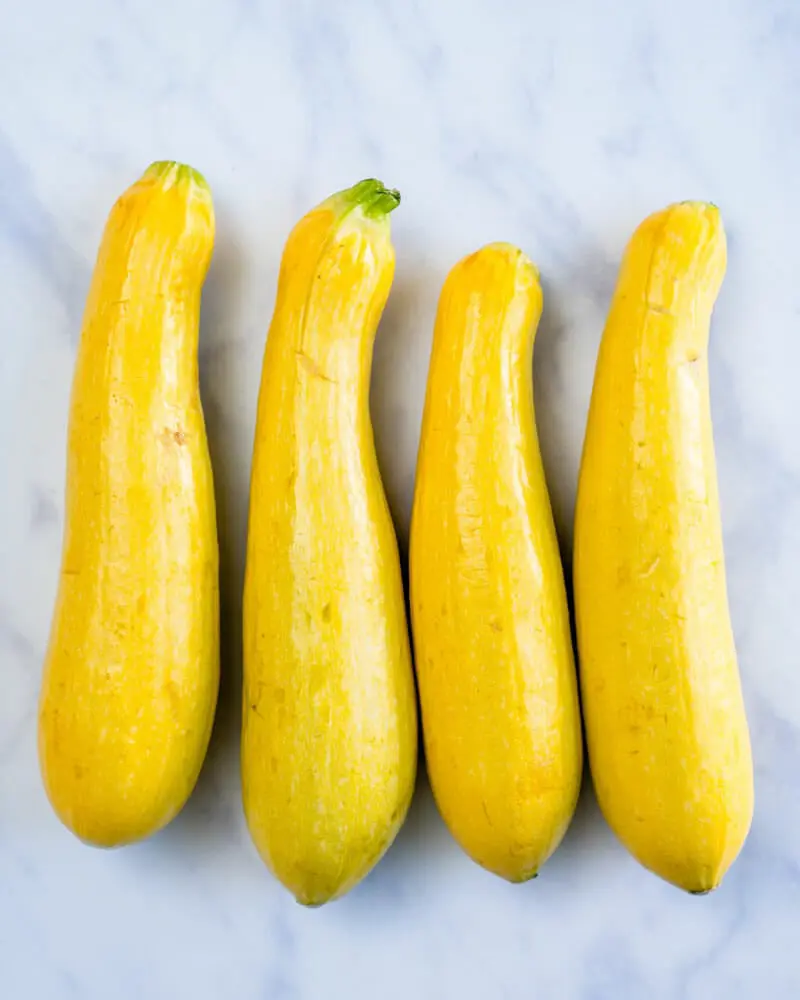
The most suitable yellow squash should be a bright yellow color all through its surface. A bright color means that it is quite fresh and ripe. Avoid green patches because they show that the fruit is still immature while the brown spots or dull areas indicate that they have either over-ripened or spoiled.
Appearance
If you're in the market for yellow squash, choose the ones that have smooth, flawless skin. The exterior should not show any cuts, bruises, or soft areas that may signify deterioration or decay. Squash with wrinkled surfaces or clear signs of mold should be avoided too. A shiny surface will also mean it is fresh and of good quality.
However, keep in mind that slight imperfections such as small scratches and slight variations in shape are part of normal squash and do not compromise its taste or use.
instagram
Size
When you are looking for yellow squash, it is best to choose small to medium-sized ones. They may be about 6 to 8 inches long or even smaller. However, if you buy one that is too big, chances are its skin will be hard, you will find bigger seeds and the flesh will not be as flavorful as that of smaller fruits.
Firmness
The bump of a fresh yellow squash on your fingers should feel hard and spongeless. Besides, the squashes must be firm all through their length. Whereas, soft or squishy squash could suggest a rotting or overly ripe state.
How to Prepare Yellow Squash
Cleaning and preparing yellow squash is simple and quick, so you’re able to enjoy all its flavors. Just follow these steps on how to clean and chop it for any recipe.
Cleaning
instagram
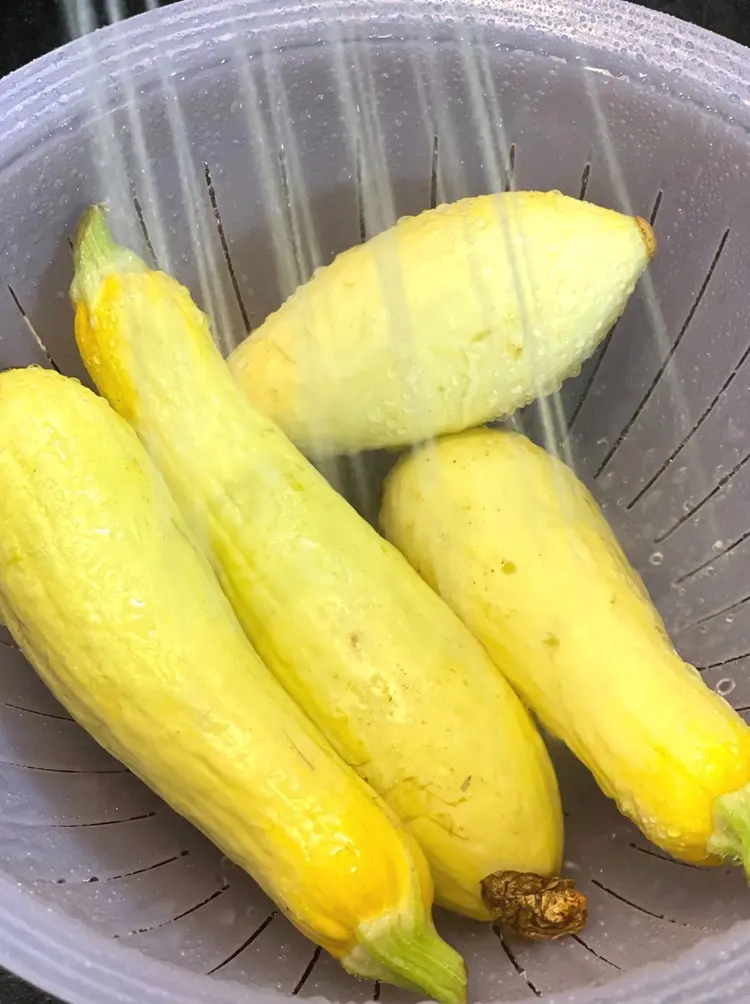
Keep yellow squash under cool running water and rub it down with your hands so that you can wash any dirt or debris on it. You can use gentle scrubbing from your hands when cleaning squash with more stubborn soils on their surface to preserve their delicate skin.
Trimming
Check if there are spots and open wounds on it. Remove these carefully with a sharp knife. Although it is usually not required, you may peel off the skin if it looks hard or has a waxy coat on it.
Cutting
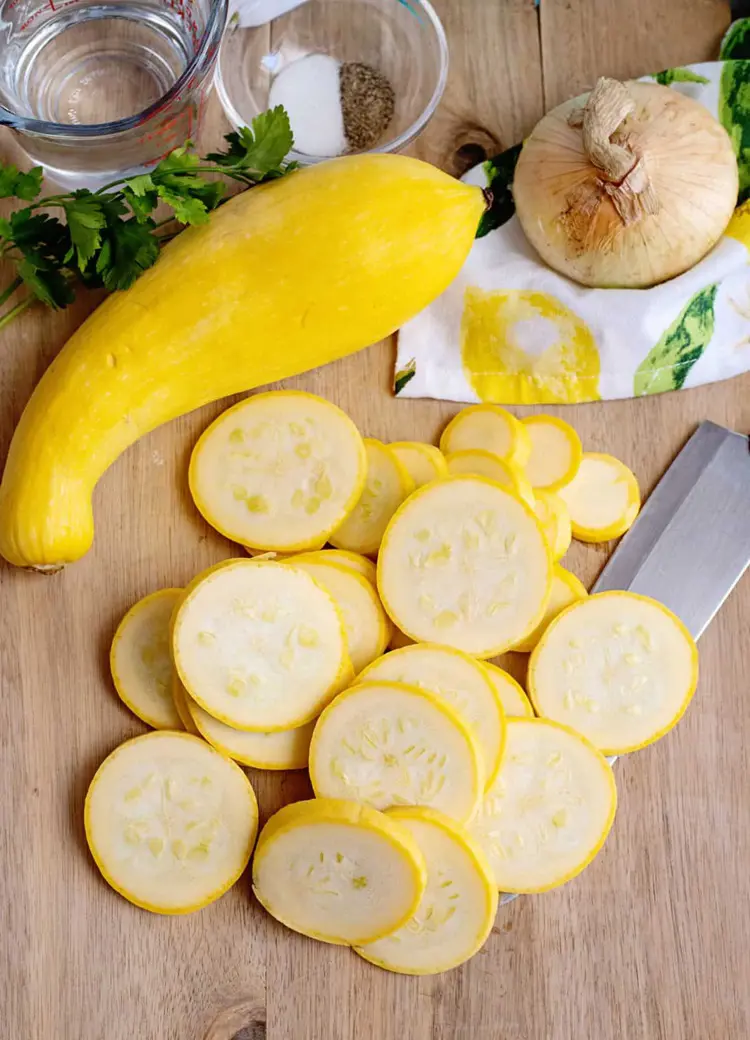
Put the squash on the chopping board and cut off its ends. Cut about 1/4 inch from both sides of the squash to discard its stem and blossom ends. Not only does this step make the squash look more vibrant, but it also gets rid of any hard or fibrous parts on it. For uniform cooking and presentation, your cuts should be straight and even in thickness throughout.
Scraping Seeds
Slice the squash lengthwise and with the help of a spoon carefully take out its core which contains seeds. Scraping is not needed for young small squashes since their seeds can be consumed in a soft state. The removal of seeds helps to throw excess moisture in particular recipes and improve consistency.
Cut into Desired Shapes
instagram
Chop the squash into whatever form you desire. For slices, cut across the squash to produce flat circles. For lengthy pieces, slice the squash into long strips or sticks. To obtain dice, slice the squash into rectangular shapes and then crosswise into square cubes.
When they are all of equal size, it ensures uniform cooking as well as an appealing appearance in the final meal.
Tools to Prepare Summer Squash
Sharp Knife
Cutting Board
Vegetable Peeler (optional, for peeling if preferred)
Mandoline Slicer (optional, for uniform thin slices)
Colander (for washing)
5 Ways to Cook Yellow Squash
A veggie that is versatile and yummy, yellow summer squash can be prepared in many ways. Cooking techniques can emphasize different qualities of the squash because of its mild flavor and soft texture.
1. Sauteing
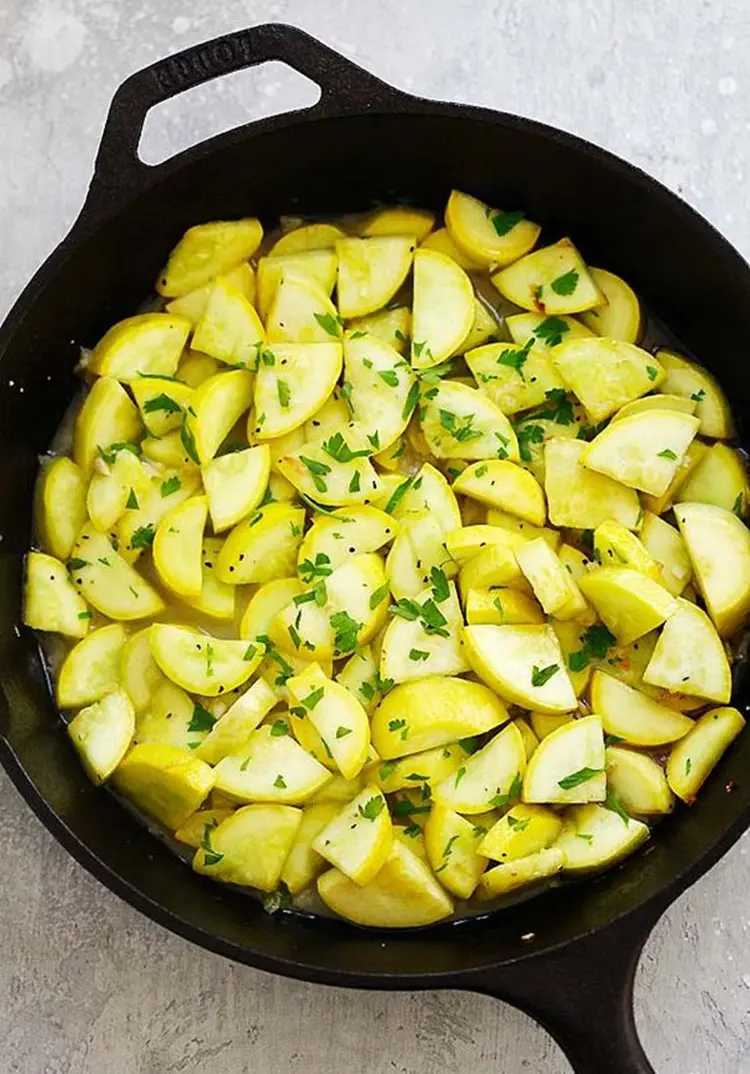
The method of frying yellow squash in a pan is fast and easy to do with a wonderful taste that it brings out. To do this, you need a hot frying pan with oil or butter, and sliced pieces of squash.
This is done at very high temperatures that ultimately change the sweet-tasting squash into golden brown crusts on the outside.
Ingredients and tools needed:
Yellow squash
Olive oil or butter- 1-2 tablespoons
Salt as per your taste
Pepper as per your taste
Garlic or herbs (optional)
Knife
Cutting board
Spatula or tongs
Instructions:
Properly wash and cut yellow squash into 1/4-inch rounds.
In a large skillet set on medium flame, pour in olive oil or butter.
Toss the squash chunks.
For 3-4 minutes do not stir.
Turn the slices upside down and cook them for another 2-3 minutes.
Add garlic and herbs during the final minutes of cooking (if using).
Sprinkle with salt and pepper.
Serve right away.
instagram
2. Roasting
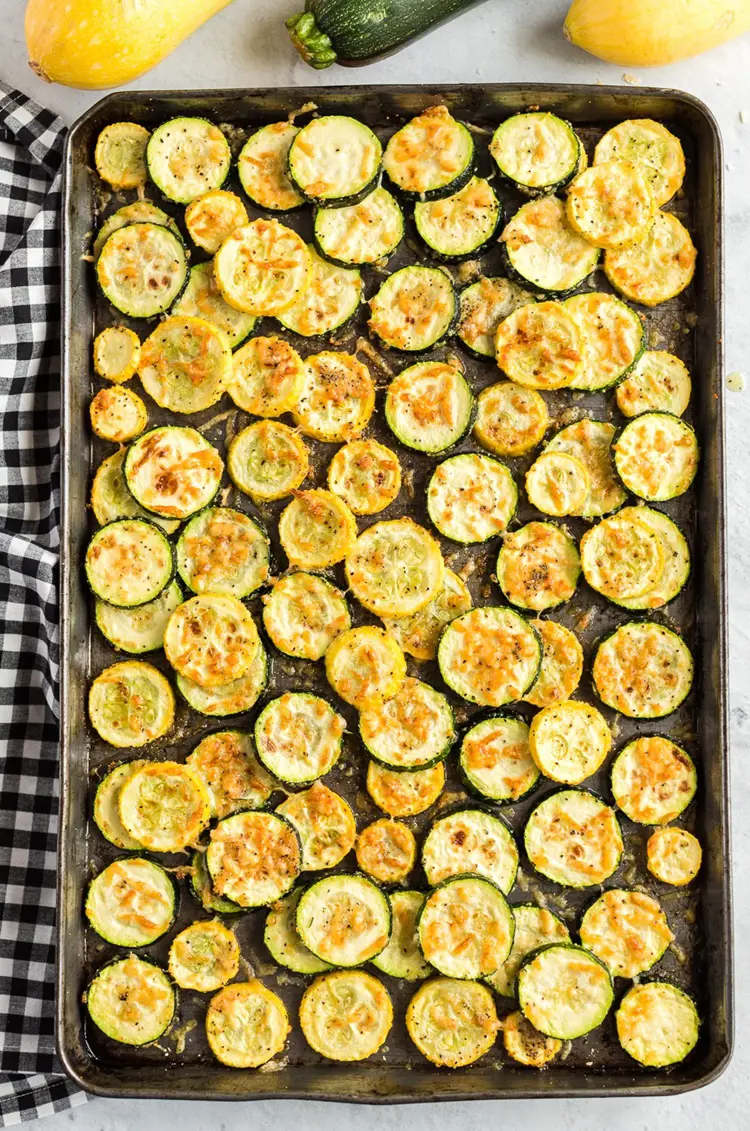
Whenever cooked using this type of method, yellow squash becomes tastier and more enjoyable. Cooking it evenly helps in caramelization and brings about the soft but mildly sweet squash with crunchy edges.
Who doesn't like crunchy edges and soft insides? This method highlights the actual sweetness of these vegetables.
Ingredients and tools needed:
Yellow squash
Oven and oven mitts
Olive oil or butter- 1-2 tablespoons
Salt as per your taste
Pepper as per your taste
Knife
Cutting board
Garlic or herbs (optional)
Baking pan and baking sheet
Mixing bowl
Instructions:
Set the temperature to 425°F (220°C) in the oven
Wash the Squash and cut slices according to your need
Combine in a big bowl squash with oil, pepper, and salt as well as herbs if there are any
Distribute the squash on a baking tray in one layer only
After around 20 – 25 minutes of baking flip them over.
When squash is soft enough it will also become slightly brownish colored.
Serve while still hot.
instagram
3. Boiling
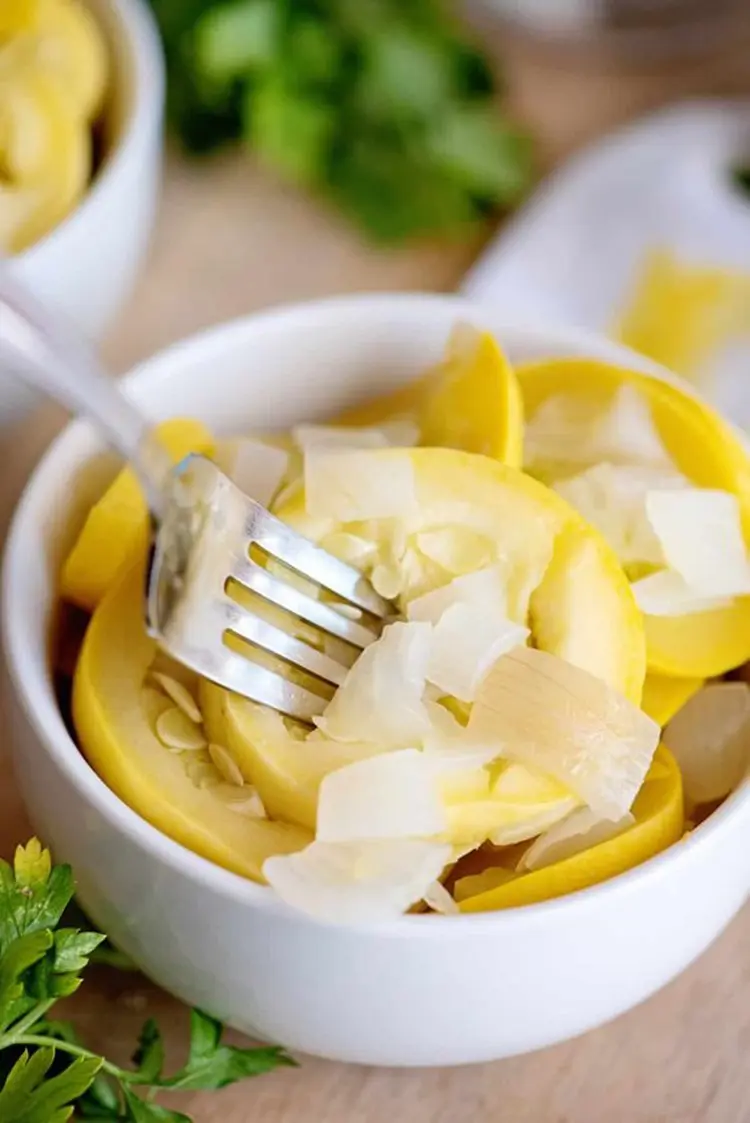
Boiling yellow squash is a cooking method that is simple and healthy, retaining its nutrients. This technique is suited for people who love softer textures or want to add squash to soups and stews.
Boiling does not take long, requires little preparation, and allows seasoning right after cooking. It is one of the best options for making light, fresh dishes.
Ingredients and tools needed:
Yellow squash
Water
Boiler pot
Olive oil or butter and seasonings - optional
Salt as per your taste
Pepper as per your taste
Garlic or herbs (optional)
Knife
Cutting board
Instructions:
Wash and cut the yellow squash into pieces that are each one inch wide.
Take a medium-sized pot, fill it with water, add some salt then bring it to a boil on a high flame.
Once the water boils, add the squash to it.
Lower the flame to medium level and cook for 3 to 5 minutes until it becomes soft.
Drain extra water from the squash.
If you wish you can mix it with butter and other spices separately.
Serve while still hot.
instagram
4. Air Frying
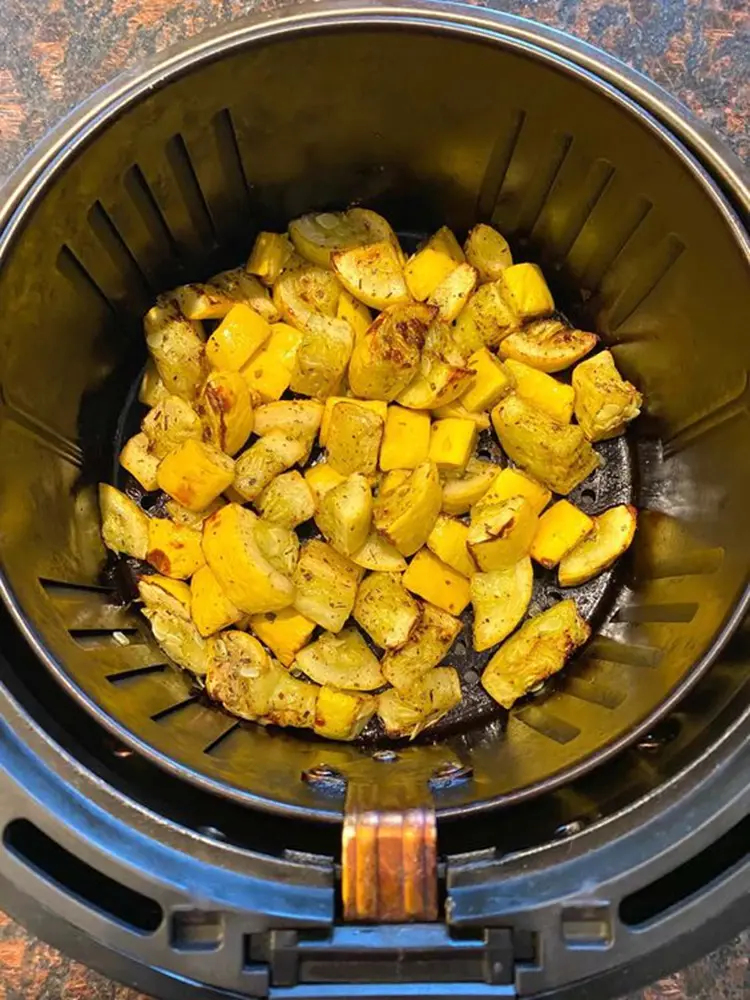
Air-fried yellow squash is a delicious deep-fried alternative with lots more health benefits. This method of cooking is among the latest ones used to process the vegetables and pieces are cut into pieces and placed in the basket.
Ingredients and tools needed:
Yellow squash
Olive oil 1-2 tablespoons
Salt as per your taste
Pepper as per your taste
Garlic or herbs (optional)
Air-fryer
Knife
Cutting board
Tongs
Instructions:
Wash and cut the squash in the desired shape.
Place in an Air Fryer at a temperature of 375°F (190°C).
In a bowl, toss the squash with oil, salt, pepper, and other seasonings.
Arrange Squash in an air fryer basket in one layer (may need multiple batches).
Shake the basket halfway through its roasting time of 8 to 10 minutes.
When it’s golden brown and soft, the squash is cooked.
Serve it hot.
instagram
5. Grilling
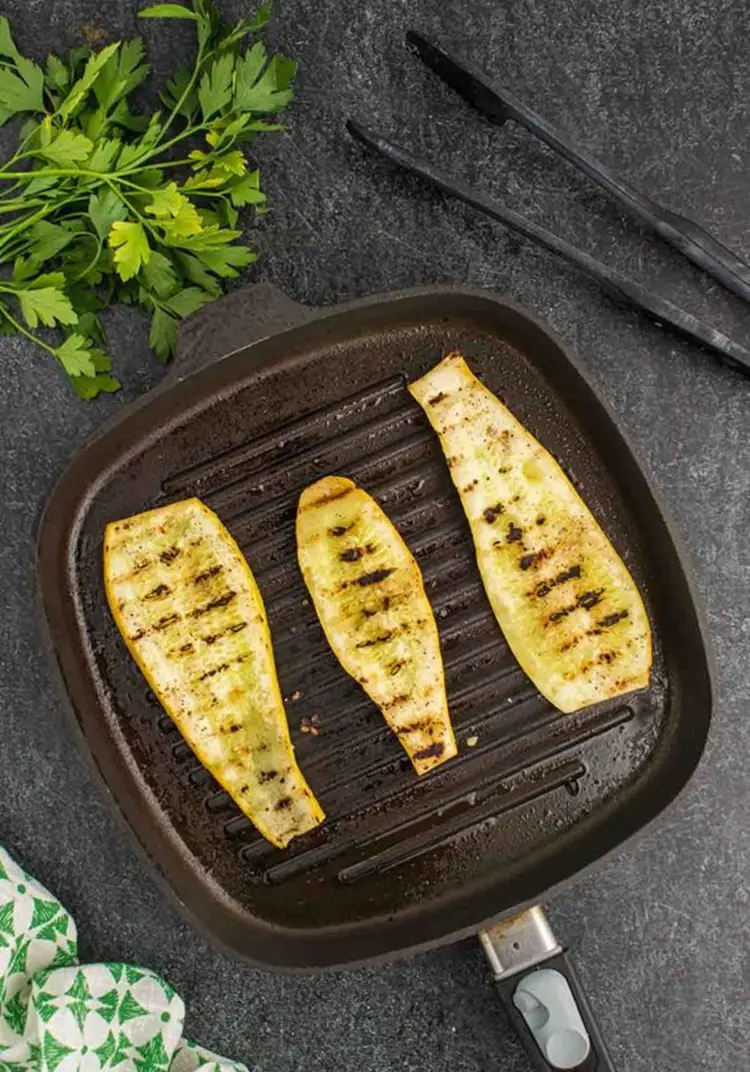
Grilling yellow squash gives the veggie a wonderful smokey taste and beautiful grill marks that take this simple vegetable to another level. This is one of those outdoor methods that serve as the right choice for summer barbecues while adding some charring flavor to the squash’s sweetness.
It allows for the caramelization of sugars present in the veggie which offers an incredible contrast in terms of texture between its crunchy outer layer and soft inside.
Ingredients and tools needed:
Yellow squash
Olive oil or butter- 1-2 tablespoons
Salt as per your taste
Pepper as per your taste
Garlic or herbs (optional)
Knife
Cutting board
Basting brush
Grill
Instructions:
Lay the grill warm to medium-high.
The squash should be washed and sliced into 1/4-inch thick slices lengthwise.
On its two sides, smear the sliced squash with some olive oil.
Add salt, pepper, and possibly herbs to taste.
The squash has to be put directly onto the grilling bars.
On each side, it should be grilled for 3-4 minutes or until the grill marks show up clearly and they feel soft.
Serve it hot and garnish it with some herbs.
instagram
Tips on Cooking Yellow Summer Squash
Do not peel the skin, as it is safe to eat and rich in nutrients.
Cut uniformly to ensure even cooking.
Cook at a moderate temperature to avoid turning them into mushy bits.
Do not season before cooking to prevent excessive water loss.
Enhance flavor by using herbs like basil, thyme, or dill.
Mix with other summer vegetables for more variety.
Use high heat when frying for browning and caramelization.
Salt just before serving to maintain texture.
Grill to add a smoky flavor to your vegetables.
Larger squashes can be stuffed and baked in one-dish meals.
Shred raw squashes into salads or slaws.
After boiling, drain off excess moisture from the boiled ones.
Serving Suggestion for Yellow Summer Squash
instagram
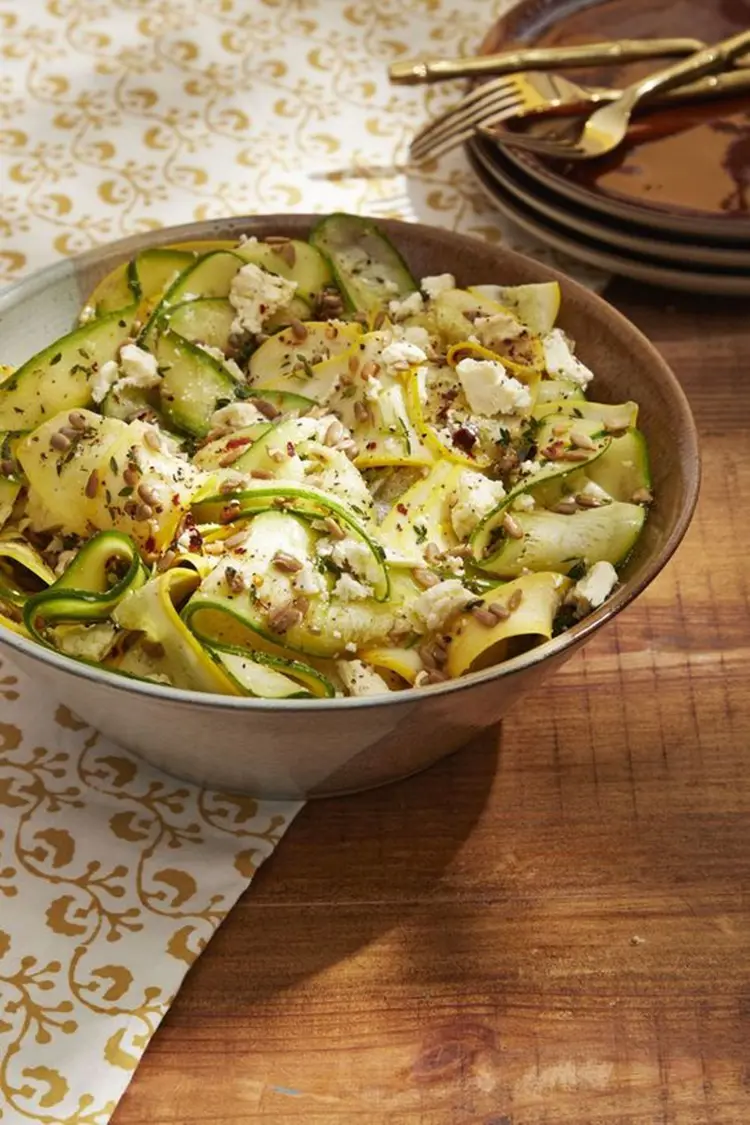
Squash Ribbons Salad: Using a vegetable peeler, long delicate ribbons of raw squash can be created. To add brightness, toss these ribbons in a light lemon vinaigrette. For a tangy creamy element, add some crumbled feta cheese and toasted pine nuts for crunch.
Grilled Squash Bruschetta: To give off a smoky flavor, slice the loaf of baguette or ciabatta, brush it with olive oil, and grill it until toasting occurs. Put creamy fresh mozzarella on top of smoky flavored yellow squash rounds that you’ve sliced thin, as well as basil leaves for a touch of green.
Summer Squash Pasta: If you have yellow squash, then you can try to cut it into small pieces and fry them using minced garlic in olive oil so that they are soft but still somehow crunchy. After that put it together with any type of pasta that is not too soft penne or fusilli pasta will do well. Don’t forget to add freshly grated parmesan cheese since it melts simply due to the warmth. Lastly, add some herb leaves such as parsley and basil as garnishing.
Stuffed Squash: The squash is cut in two and scooped out so that they appear like ‘boats’. A mixture of cooked quinoa, sautéed vegetables (like onions and bell peppers), and cheese is then put there.
Yellow Squash Fritters: Grab some yellow squash then grate it. Combine flour, eggs, and grated cheese along with certain seasonings like garlic powder and paprika. Mold small patties out of the prepared mixture which are fried in a frying pan until they turn brownish and crunchy from either side. This brings out a contrast between its crispiness outside and its tender texture inside producing a palatable taste.