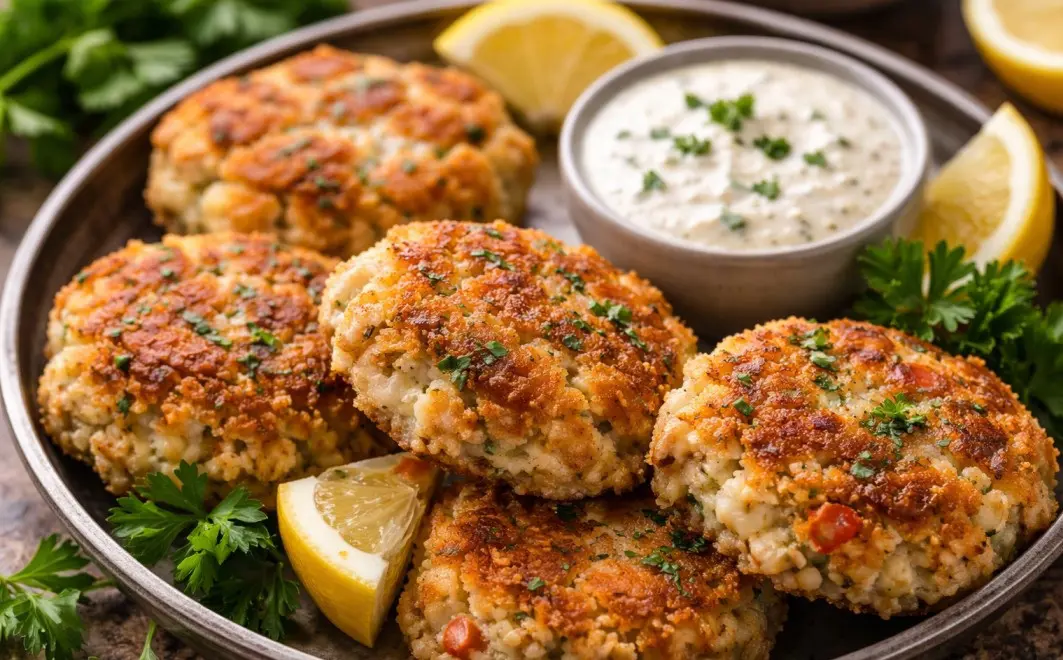
Crab cakes are a classic seafood favorite loved for their delicate, sweet crab meat combined with a crispy golden exterior. Perfect as an appetizer or a main dish, homemade crab cakes can impress any guest while being surprisingly simple to make.
The key lies in balancing seasoning, binding ingredients, and cooking techniques to ensure the crab shines through without being overpowered. In this guide, we’ll walk you through how to cook crab cakes perfectly every time.
Ingredients You’ll Need
Before cooking crab cakes, gather the following ingredients:
-
1 pound of lump crab meat, carefully checked for shells
-
1/2 cup breadcrumbs (preferably panko for extra crunch)
-
1/4 cup mayonnaise
-
1 large egg
-
2 teaspoons Dijon mustard
-
1 teaspoon Worcestershire sauce
-
1 teaspoon Old Bay seasoning
-
1 tablespoon fresh parsley, finely chopped
-
1/2 teaspoon salt
-
1/4 teaspoon black pepper
-
2 tablespoons butter or oil for frying
-
Optional: lemon wedges for serving
These ingredients combine to create a crab cake that is moist inside and perfectly golden on the outside.
Preparing the Crab Cake Mixture
-
Pick through the crab meat: Carefully remove any shell fragments to avoid an unpleasant crunch. The quality of crab meat directly affects the final taste.
-
Mix wet ingredients: In a medium bowl, whisk together mayonnaise, egg, Dijon mustard, Worcestershire sauce, and Old Bay seasoning until smooth.
-
Combine with crab meat: Gently fold the crab meat into the wet mixture, taking care not to break up the lumps.
-
Add breadcrumbs and parsley: Lightly fold in breadcrumbs and parsley to bind the mixture. If the mixture feels too wet, add a little more breadcrumbs until it holds together.
Pro Tip: Avoid overmixing. Gentle folding keeps the crab meat intact, ensuring tender, chunky crab cakes.
Shaping the Crab Cakes
-
Use about 1/4 cup of the mixture per cake for standard size.
-
Gently form the mixture into patties about 1/2 inch thick.
-
Place patties on a parchment-lined baking sheet and refrigerate for 30 minutes.
Chilling helps the crab cakes firm up, preventing them from falling apart during cooking. You can also make them a few hours in advance and store them covered in the fridge.
Cooking Methods
Pan-Frying (Classic Method)
-
Heat 1-2 tablespoons of butter or oil in a nonstick skillet over medium heat.
-
Place crab cakes in the skillet, leaving space between each patty.
-
Cook for 3-4 minutes per side until golden brown and heated through.
-
Remove and place on a paper towel-lined plate to absorb excess oil.
Pan-frying gives a rich, golden crust while keeping the inside moist and flavorful.
Baking (Healthier Option)
-
Preheat your oven to 375°F (190°C).
-
Lightly grease a baking sheet or line it with parchment paper.
-
Place crab cakes on the sheet and lightly brush the tops with melted butter.
-
Bake for 12-15 minutes until golden, flipping halfway through.
Baking offers a lighter alternative and is perfect when cooking multiple crab cakes at once.
Air Fryer Method (Quick & Crispy)
-
Preheat the air fryer to 375°F (190°C).
-
Spray the basket lightly with cooking spray.
-
Place crab cakes in a single layer, leaving space around each patty.
-
Cook for 10-12 minutes, flipping halfway, until golden and crisp.
This method reduces oil use while giving the crab cakes a crunchy exterior.
Serving Suggestions
Crab cakes are versatile and can be served in multiple ways:
-
Classic style: With lemon wedges and tartar sauce on the side.
-
Sandwich style: On a toasted bun with lettuce, tomato, and a spicy mayo sauce.
-
Gourmet plating: Over a bed of mixed greens with a drizzle of aioli or remoulade sauce.
Garnishing with fresh herbs or a squeeze of citrus enhances flavor and presentation.
Tips for Perfect Crab Cakes
-
Use fresh or high-quality lump crab meat: This is the star ingredient, so don’t skimp.
-
Keep the mixture light: Avoid overloading with breadcrumbs or fillers.
-
Chill before cooking: Helps crab cakes hold their shape.
-
Don’t overcrowd the pan: Ensures even cooking and browning.
-
Adjust seasoning carefully: Taste the mixture before shaping to avoid over-seasoning.
Conclusion
Cooking crab cakes at home is rewarding and surprisingly easy. By following these steps - preparing the mixture gently, shaping the patties correctly, and using the right cooking method, you can achieve crab cakes that are golden, flavorful, and full of tender crab meat.
Whether you choose pan-frying for tradition, baking for a lighter option, or air frying for convenience, these crab cakes will be a hit at any meal. Serve with your favorite sauce or sides, and enjoy the rich, delicate taste of homemade crab cakes.