Nothing is worse than having your oven fail when dinner is ready to cook. You’ve done all the prep, your stomach’s rumbling, then your gas oven just won’t heat up. Yes, there's always another way to cook, but it isn’t about that. Your oven should just work!
Let's get to the bottom of this. We can help you figure out what's wrong and resolve if it's something you can deal yourself or if it's time to call in an expert. Below are few reasons why your gas oven is not heating.
Why Does My Gas Oven Won’t Heat Up?
Following are a few common causes to look for before calling a repair service if your gas range oven not heating: First, check your circuit breaker-even gas ovens need electricity, and most of the time just a tripped breaker is the problem.
If you have a Whirlpool gas oven not heating correctly, or any other brand, check if your oven's igniter is worn out or dirty - you'll know if you hear clicking but the oven won't light.
Other simple issues include checking if your gas valve is fully open and making sure the door seal isn't damaged and leaking heat. Your oven's manual can help you spot these basic problems.
1. Temperature Sensor Issues
instagram
It is like a high-tech thermometer inside your oven, which is that long, usually thin metal rod you see at the back of your oven cavity. When working correctly, it constantly tells your oven's brain (the control board) how hot things are inside.
But it is a lot like taking your temperature with a regular thermometer - if you knock it around or bend it, it isn't going to give you a very accurate reading. Sometimes it will even touch the wall of the oven, which makes it believe the oven is hotter than it actually is.
Other times, it is smeared with grease or food particles, which again affects the accuracy. When your sensor isn't working right, your oven may run too hot, too cold, or erratically.
How to Fix:
Open your oven carefully and find the long, thin metal rod at the back; this is the temperature sensor.
Check carefully that the sensor is not kinked, or rubbing against either of the oven walls. It should project straight into the oven cavity.
If it's bent, gently straighten the sensor without pulling or forcing it, just like you'd carefully straighten a bent wire hanger.
Clean the sensor with a soft, moistened cloth if you notice any grease or food splatters on it.
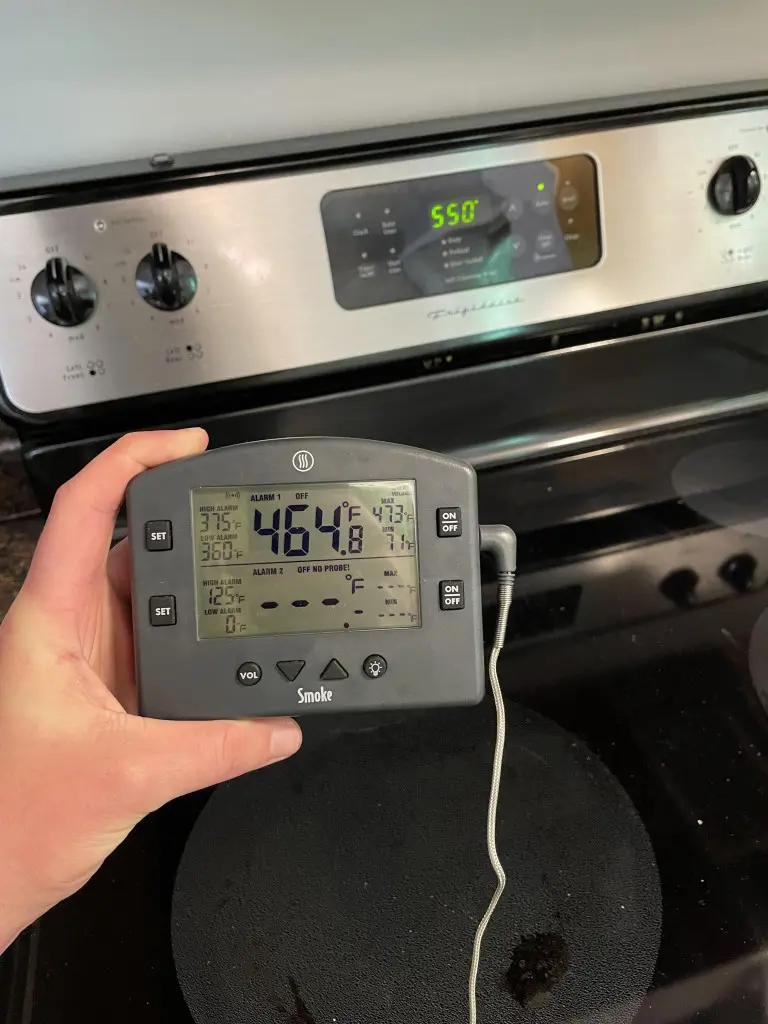
Put an oven-safe thermometer inside your oven to test the accuracy of its temperature against the set temperature.
If, after straightening and cleaning, the readings are still off, then the sensor's electrical resistance can be tested by a professional.
2. Faulty Igniter
instagram
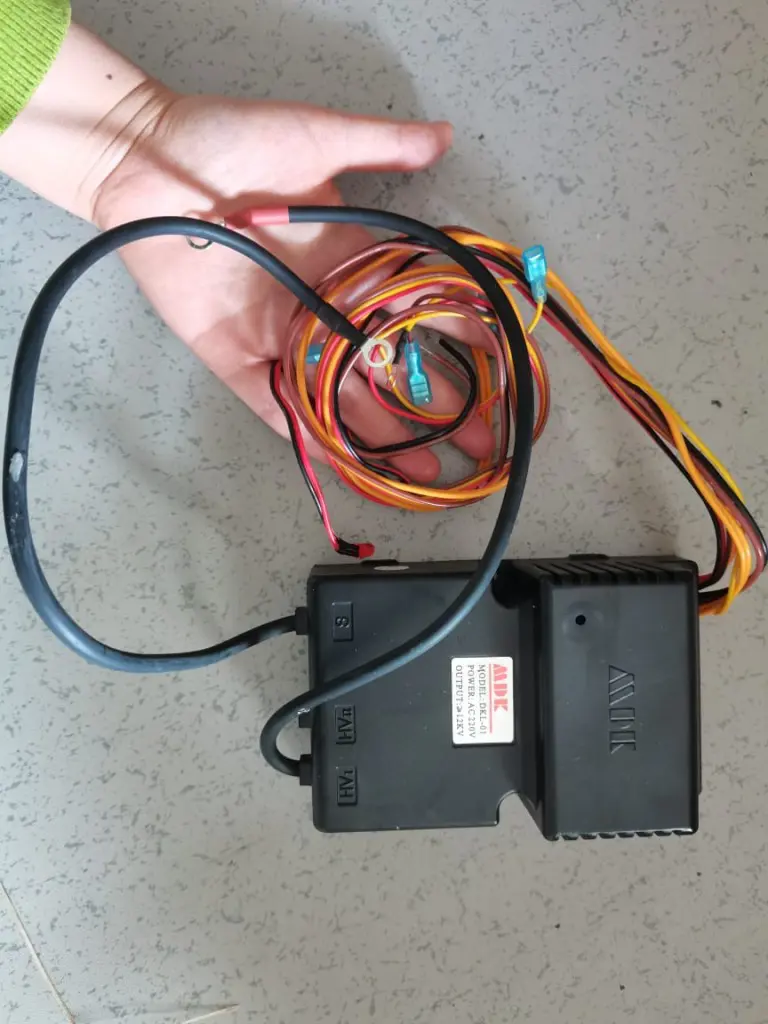
Up on top of your gas oven is where the igniter is located, it is the part where it causes a spark to light the gas — similar to a lighter that you use on your gas oven.
It’s the most common reason why gas oven not getting hot. If your igniter is having problems, you should usually be able to tell. If your oven is taking way too long to heat (more than 90 seconds) or not even heating at all.
The igniter should glow bright orange, almost like a hot coal in a fire. If you look inside your oven and see it barely glows or doesn't glow all all, you've got a pretty clear sign your igniter isn't working properly.
How to Fix:
For your safety, never attempt to fix or replace the igniter yourself, as it involves dangerous gas components that only professionals should handle.
Contact a licensed appliance repair person or gas technician who specializes in gas oven repairs.
The technician will first test your igniter to determine if it really is the cause of the problem.
The new igniter can range from $150 to $300, the price of both the part and professional installation.
Always ask for a warranty with the new igniter. Reputable repair companies will generally offer at least a 90-day warranty on both parts and labor.
The technician can check if the oven reaches temperature within 30 to 45 seconds from power on after installation is complete.
3. Gas Supply Problems
After cleaning behind your oven or moving it you might sometimes get the gas line kinked (like the garden hose gets bent) or turn your valve off accidentally. Sometimes there is a more serious problem, like a clog in the line.
If none of your gas appliances are working then you’ll often be able to spot a gas supply problem. Suppose your gas stove burners don't light up too, it's not just your oven that problems.
The most serious sign is if you smell gas - that rotten egg smell is added to gas on purpose so you can tell if there's a leak.
How to Fix:
If you smell gas, don't touch any electrical switches or make phone calls from inside your house - leave immediately and call your gas company from a neighbor's house or your cell phone outside.
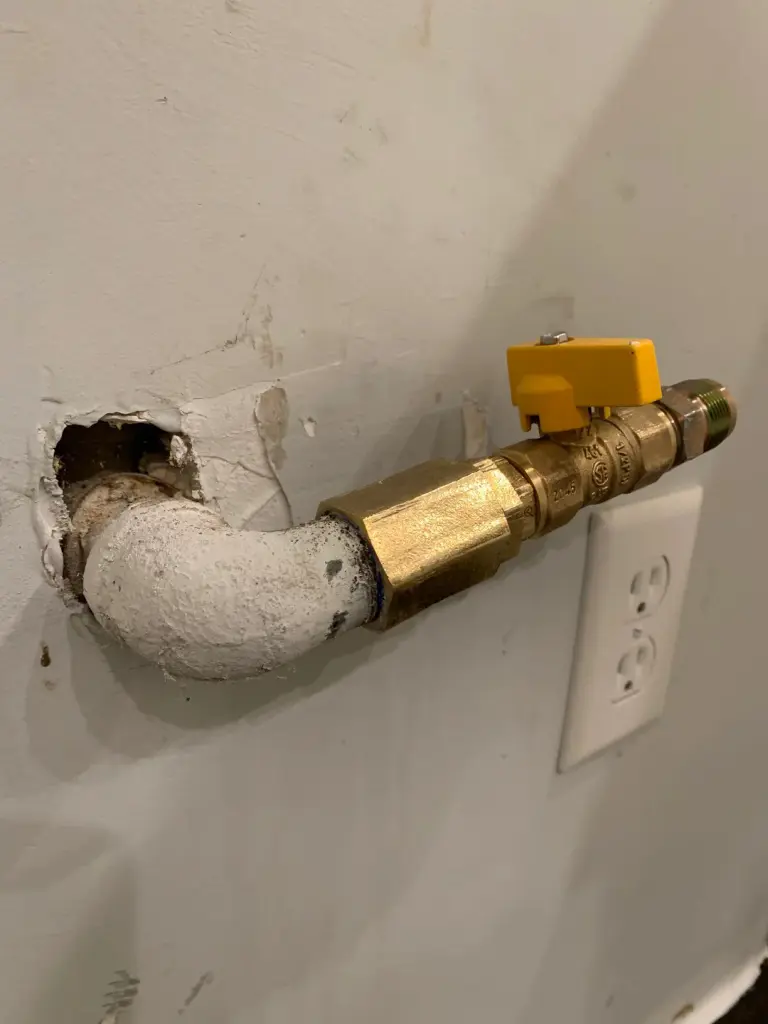
Look behind your oven to check the gas valve – it should be parallel to the gas pipe when it is fully open.
Now look at the flexible gas line that runs behind your oven – and it should be straight, not bent, kinked or twisted.
Run your other gas appliances as well — stovetop, and water heater — to make sure they are working normally.
Contact a licensed gas technician to inspect your gas line if everything seems properly connected but still isn't working.
Consider having your gas lines professionally cleaned if they haven't been serviced in several years.
4. Safety Valve Problems
instagram
The safety valve in your gas oven is like a security guard - its job is to make sure gas only flows when it's safe. This valve works with your igniter to prevent gas from flowing if there's no flame to burn it.
When the safety valve starts to fail, it might cut off gas flow completely or it might not open properly even when the igniter is working.
This is a critical safety component, and any problems with it need to be taken seriously - it's what prevents dangerous gas leaks in your home.
How to Fix:
First and most importantly, never attempt to bypass or repair the safety valve yourself - this could create a dangerous situation.
Ask the technician to perform a complete safety inspection of all gas components while checking the valve.
Request that they check the gas pressure on both sides of the valve to ensure proper operation.
Consider replacing both the safety valve and igniter together as they work as a team.
5. Thermostat Malfunction
When your thermostat stops working correctly, your oven becomes unpredictable. You might set it for 350 degrees, but it could actually be much hotter or colder inside.
Sometimes a faulty thermostat will let the oven keep heating without stopping, while other times it might shut off too soon.
You might notice problems like food being consistently undercooked or burned, even though you're following recipes exactly as you always have.
How to Fix:
Purchase an oven-safe thermometer to check if the actual temperature matches what you've set on the control panel.
Place the thermometer in different spots in your oven to check for even heating.
Document temperature differences to help the repair technician diagnose the problem accurately.
Have a professional test the thermostat's calibration using specialized equipment.
6. Timer and Control Settings Issues
instagram
Modern gas ovens have lots of features and safety settings that can accidentally get changed. Sometimes after a power flicker or when buttons get pressed during cleaning, these settings can go haywire.
Your oven might be perfectly fine mechanically, but if it thinks it's supposed to be in self-clean mode, delayed start, or Sabbath mode, it won't heat up when you want it to.
How to Fix:
Start by performing a complete reset of your oven - unplug it for at least 5 minutes to clear all settings.
Read your owner’s manual to find out how to set the clock properly, and basic cooking functions.
Look through all menu settings to make sure features like child lock or cleaning mode aren't accidentally activated.
Press and hold the cancel or clear button for several seconds to exit any special cooking modes.
Make sure the clock is set correctly - many ovens won't run their heating functions with an incorrect clock setting.
Test the control panel buttons one by one to ensure they're all responding correctly.
7. Damaged Door Seal
instagram
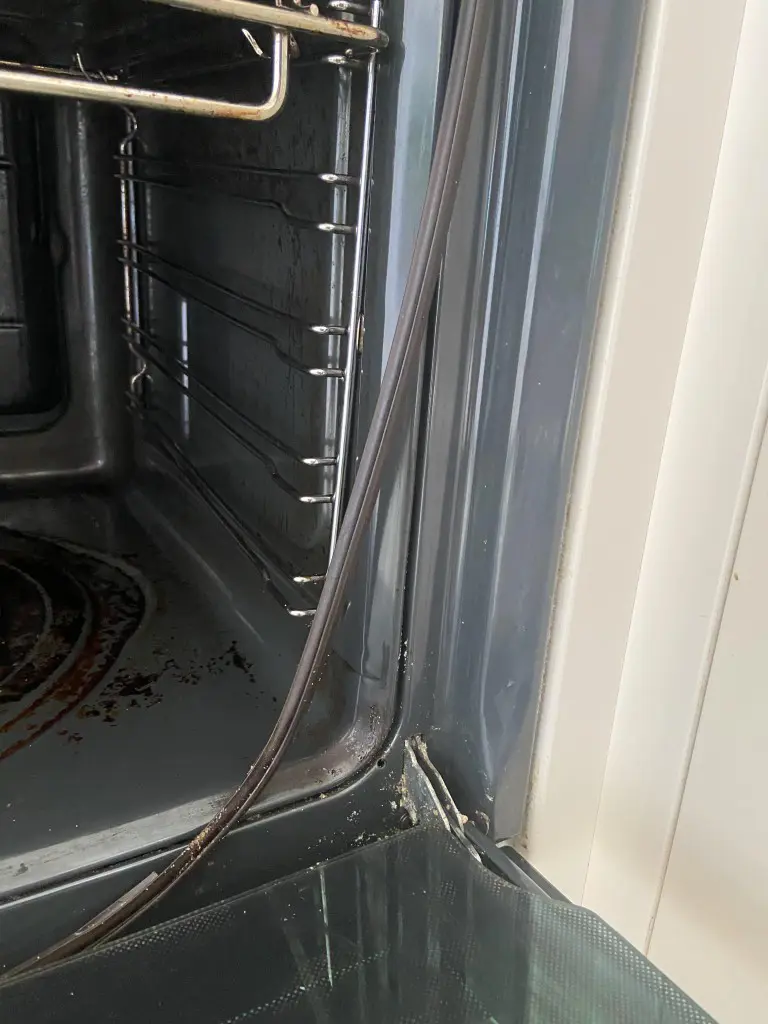
There’s a rubber or fiberglass seal running around your oven door, and when it’s working properly it makes an airtight seal when you close the door. However, over time, this seal can become brittle, torn or squished flat, just as older rubber bands shrivel.
Heat will be able to escape your oven if the seal isn't doing its job so your oven has to work harder and never get hot enough. You may find that your cooking times are longer, your baked goods come out uneven or you are getting heat coming off the oven door.
How to Fix:
Carefully check that the whole door seal isn’t damaged in any way: look for visible damage like tears, cracks, or even areas that look flattened or hardened.
Clean the seal thoroughly using warm water and mild dish cleanser to remove any built-up grease or food particles.
Dry the seal completely with a soft cloth - moisture can damage the adhesive that holds it in place.
Measure your oven door's seal carefully before ordering a replacement - getting the wrong size won't create a proper seal.
Purchase a new gasket designed specifically for your oven model - universal seals often don't fit properly.
Follow your oven's manual carefully when installing the new seal to ensure it's positioned correctly.
Close the door on a dollar bill, if you can pull the bill out with ease, the seal isn't tight enough.
8. Clogged Gas Burner
Your oven burner has tiny holes through which gas can flow and which can get blocked with food spills, grease splatters, and general debris. If some holes are blocked then the flame will not spread evenly.
When trying to light, you might notice your oven heating unevenly, or taking longer to heat up than usual, and making some unusual noises. This is particularly common if you have had any recent spills or boilovers in your oven.
How to Fix:
Always start by turning off both the gas and electricity to your oven for complete safety.
Allow your oven to cool completely before attempting any cleaning or inspection.
Remove the cover panel at the bottom of your oven to access the burner assembly if your model allows this.
Inspect the burner holes carefully using a flashlight to look for any visible blockages or debris.
Use a thin wire, like a straightened paper clip, to gently clear any visible blockages in the burner holes.
Clean the entire burner surface with a soft brush or vacuum attachment to remove loose debris.
9. Control Board Failure
instagram
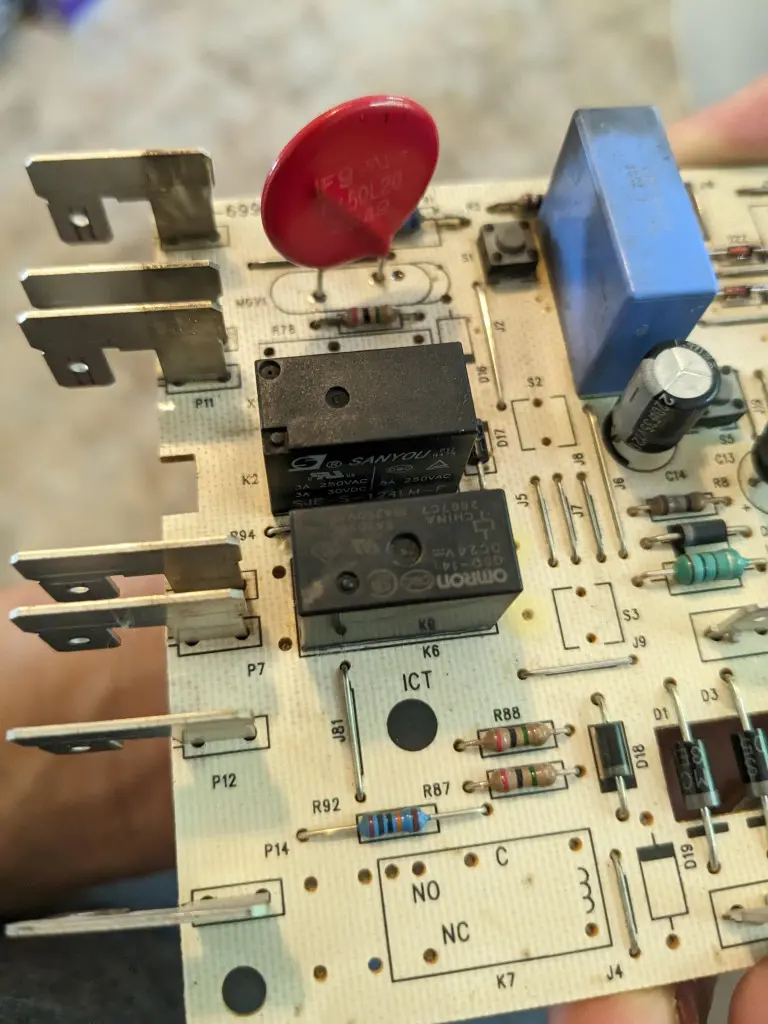
You might notice strange things happening when your control board starts failing: the display might show random numbers, buttons might not respond when you press them, or the oven might not heat up even though everything else seems fine.
Sometimes the board fails suddenly, but usually, it shows warning signs first, like inconsistent heating or error codes appearing on the display.
How to Fix:
Start by unplugging your oven for at least five minutes to perform a complete reset of the control board.
Write down any error codes you see on the display before resetting - these codes can help diagnose the problem.
Check your owner's manual to understand what these error codes mean for your specific model.
Look for any signs of water damage or burned spots on the control panel, which could indicate where the problem started.
Contact a professional appliance repair service that has experience with your oven brand.
Consider the age of your oven - if it's over 10 years old, replacing the whole unit might be more cost-effective than replacing just the control board.
10. Electrical Supply Issues
instagram
Even the gas oven has many situations where it requires electricity for the igniter, the control panel, and many safety circuits. Your oven does need continuity in electricity to work properly.
These may range from trivial things such as a loose plug to something big like faulty wiring or even a tripped circuit breaker. Sometimes the issue of erratic power supply at your residence is reflected on your appliance.
How to Fix:
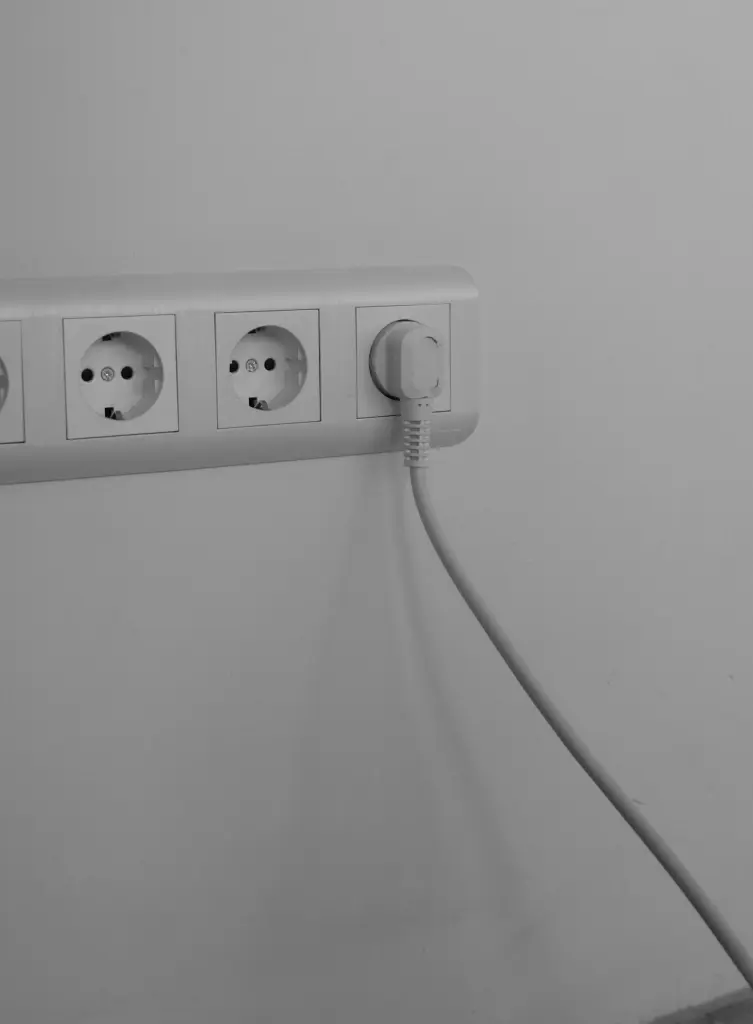
First, ensure that your oven is plugged properly in the electric outlet. Sometimes cleaning or shifting the oven leads to its dislodged connections.
Check your home circuit breaker panel for any tripped breakers associated with your appliances that are in the kitchen.
Look at the power cord of your oven for cuts, splits, or any kind of burnt mark that may indicate issues with electricity.
Test the electrical outlet by plugging in another appliance to make sure the outlet itself is working properly.
If your kitchen has GFCI outlets (the ones with test and reset buttons), press the reset button to see if that resolves the issue.
Have an electrician check the voltage output at your outlet - gas ovens need specific voltage to operate correctly.
Consider installing a surge protector for your oven if you live in an area with frequent power fluctuations.
When To Call A Professional?
Basic maintenance of your gas oven is important, but some problems need expert hands. Your oven is a complex appliance that uses gas - making it potentially dangerous if not handled properly.
Just like a car needs a mechanic for engine troubles, your oven needs professional care for serious issues. Never try to fix gas-related problems yourself.
If you notice the smell of gas (like rotten eggs), hear hissing sounds near the gas line, or see the burner flame burning yellow instead of blue, don't wait - call a professional right away. These could be signs of a gas leak, which is as serious as it sounds.
Gas leaks can make you sick and, worse, could cause a fire.
Tips To Keep Your Gas Oven Working Properly
instagram
Like any hardworking appliance, the gas oven needs regular care to keep running safely and efficiently. A little time now can go a long way and help prevent big problems and save you money in future repairs.
Simple maintenance tips will help your oven run for years to come, and here they are.
1. Oil the Blower Fan
You should add a few drops of oil to the front and back of the blower motor every 6 months or so. If you keep the fan well oiled, it won’t get stuck or slow down, and it will make your oven work better and last better.
2. Regular Cleaning
When you’re finished cooking, and the oven is completely cool, wipe it down so that grease and food does not build indiscriminately. To get tough, stuck on messes, try a kitchen degreaser or mix some beneficial baking soda and vinegar.
Remove the metal racks and place them in warm soapy water to really get them clean. Just remember to let everything dry completely before you use your oven again - water and heat don't mix well!
3. Check the Heating Parts
Sometimes your oven will tell you something's wrong by taking longer to cook food than usual. When this happens, turn off your oven completely and look inside. Check for any broken door seals, bent parts, or dirty heating coils.
At first glance, these seem like tiny problems, but these can be what turns into a major trouble soon enough. If you see something that is wicked, it’s best to get it fixed right away.
4. Use the Self-Clean Feature
If your oven has self-cleaning capability, it is there to help you get your oven tidy with less scrubbing. To use your oven safely all you have to do is read your oven’s manual well first.
Never start the self-clean and leave home - stay around to make sure everything goes smoothly. After it's done and cooled down completely, wipe out any ash or residue from inside.
5. Leave the Knobs Alone
Those knobs on your oven might look simple, but they're connected to important electrical parts inside. Never take them off to clean behind them - it's dangerous and you could get an electric shock.
Instead, just clean around them while they're attached to the oven. A gentle cleanse with a damp cloth is usually all they need.
6. Watch Your Gas Line
Your gas line is super important for safety. If you buy a new oven, always get a new gas line too. For older ovens, check your gas line regularly for any signs of wear or damage.
If you see anything that makes you worried, replace the line. It's much cheaper and safer to swap a worn gas line than to deal with a gas leak.
7. Clean Those Racks
Your oven racks catch all sorts of drips and spills while you're cooking. Don't just clean the bottom of the oven and forget about the racks. Take them out regularly and give them a good cleaning.
This helps your food cook more evenly and keeps your oven working its best.
8. Mind the Door Seal
That rubber strip on your oven door is like a seal on a jar - the heat stays where it should. Look for flat spots or tears and cracks in this seal.
When your oven seal is broken, heat escapes and your oven has to try even harder, leaving your food partially cooked. Get a new seal if they look worn out or damaged to preserve your oven’s functionality.