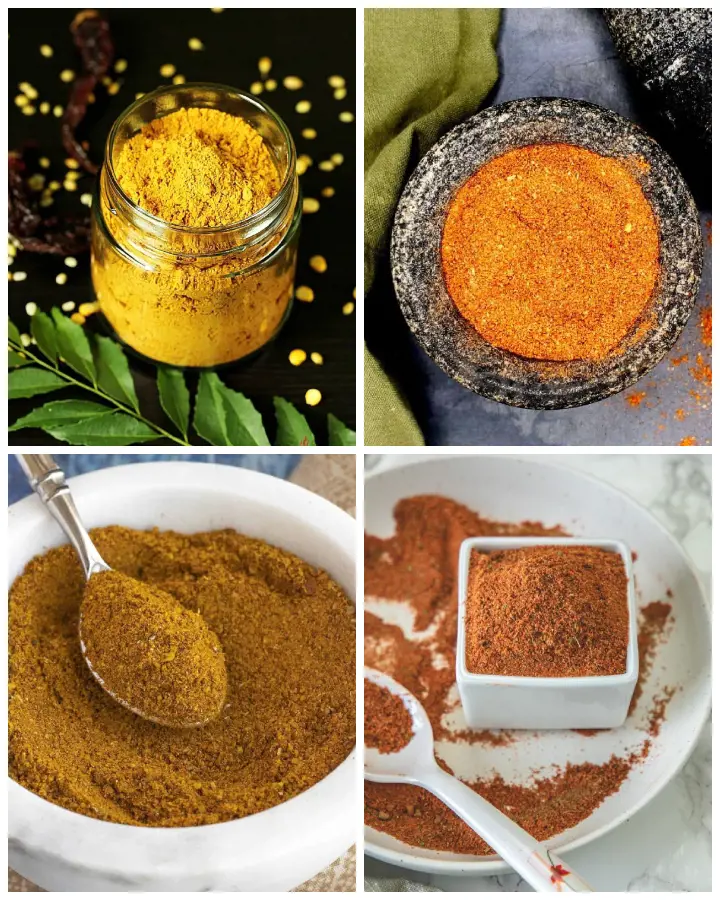
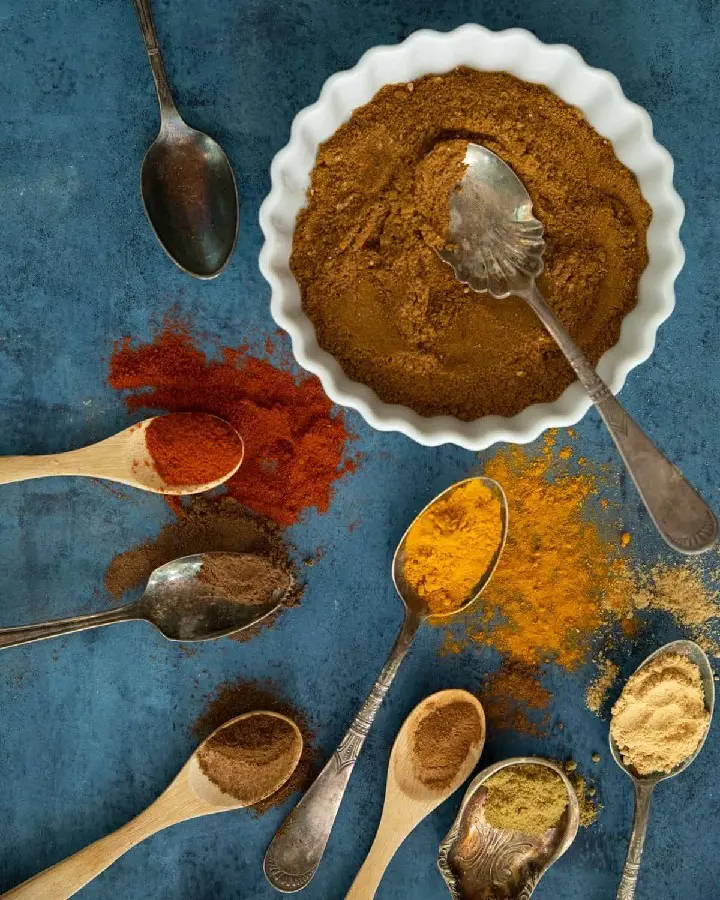
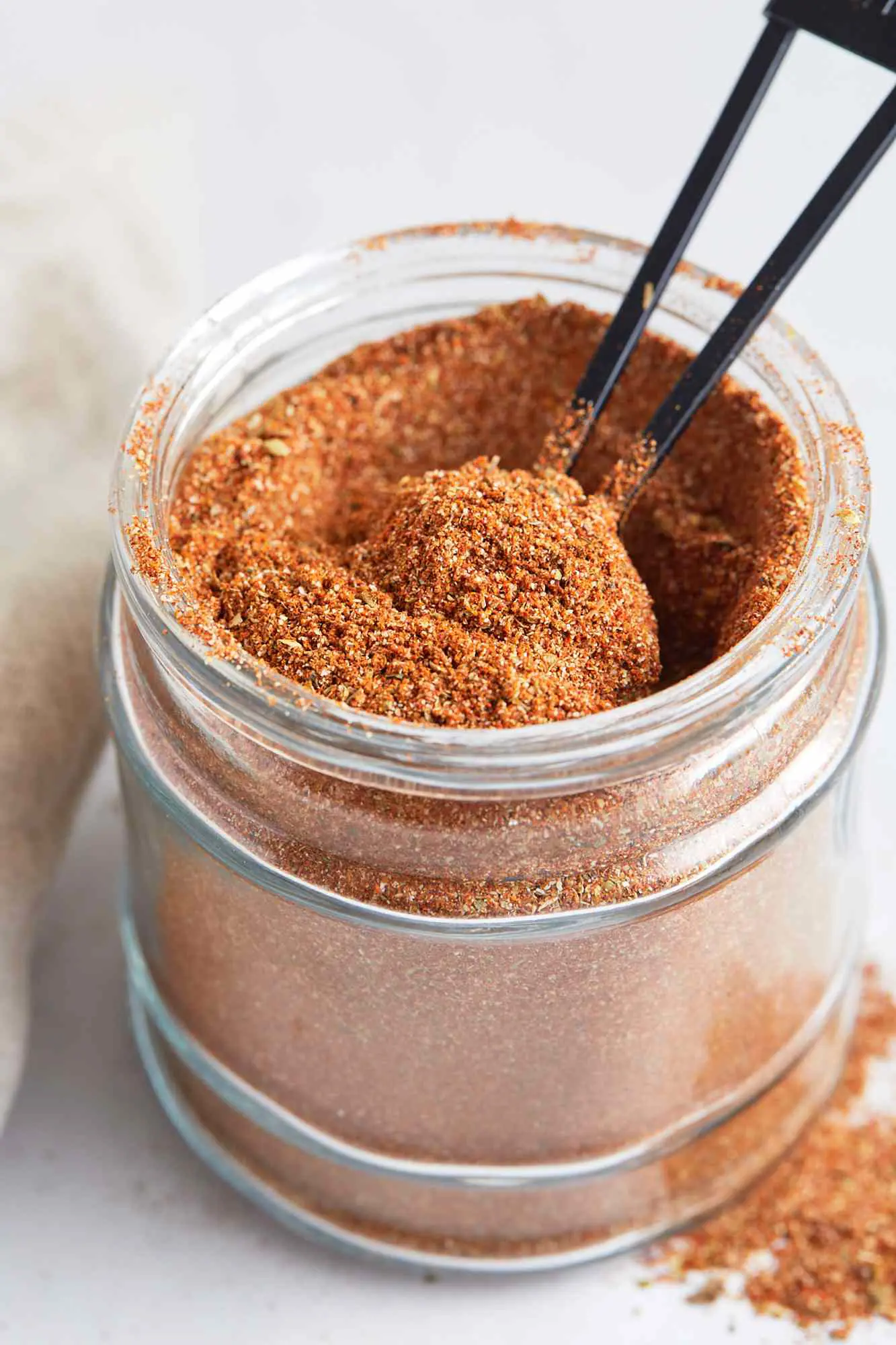
Indian cuisine is famous for being remarkably aromatic and flavorful. One of the main reasons behind the deliciousness is their impeccable use of different herbs and spices in their dishes.
This spice is widely available for purchase in Asian grocery stores or online. But on days when you realize that you are out of the spice blend as you are cooking and need a substitute in a hurry, these are 15 simple and convenient garam masala substitute options you could try.
1. DIY Garam Masala
instagram
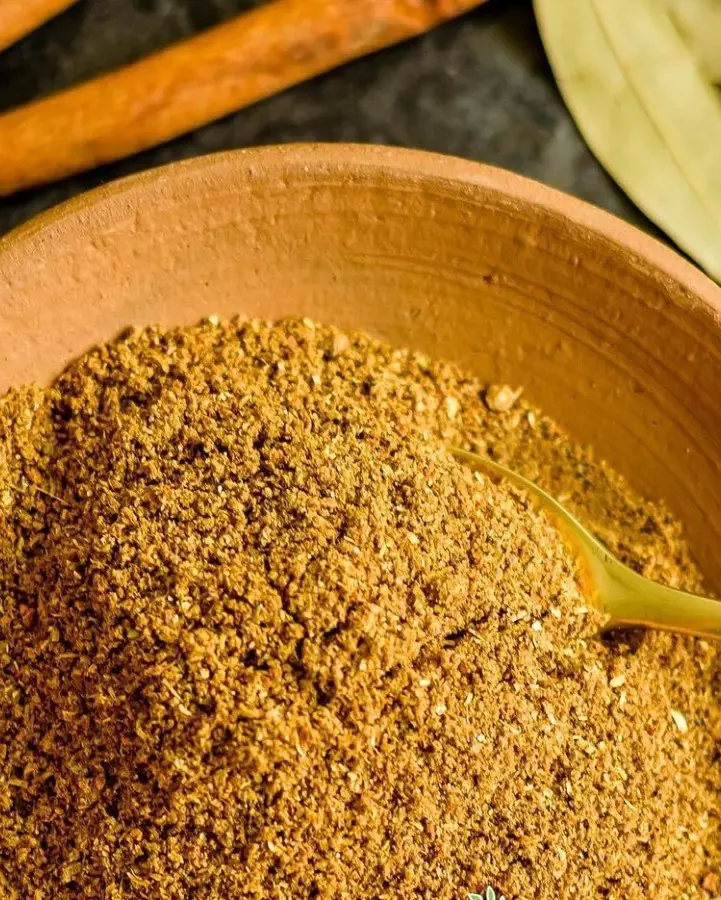
A simple DIY garam masala is as good as authentic masala. You do not have to include all 20 to 30 ingredients to make a garam masala. You need five ingredients: whole black peppercorns, cloves, black cardamom pods, pieces of cinnamon stick, cumin seeds, and coriander seeds.
Toast all the spices in a dry pan over medium heat until they crackle and release their fragrance. Let spices cool for a few minutes to prevent burning, and grind to a fine powder using a mortar and pestle or spice grinder.
2. Curry Powder
instagram
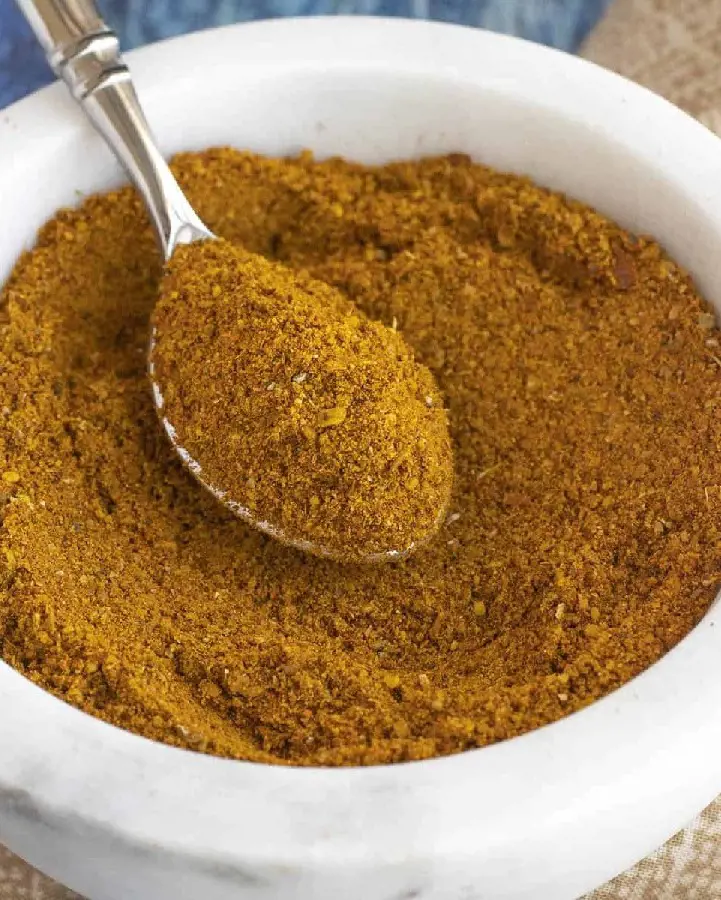
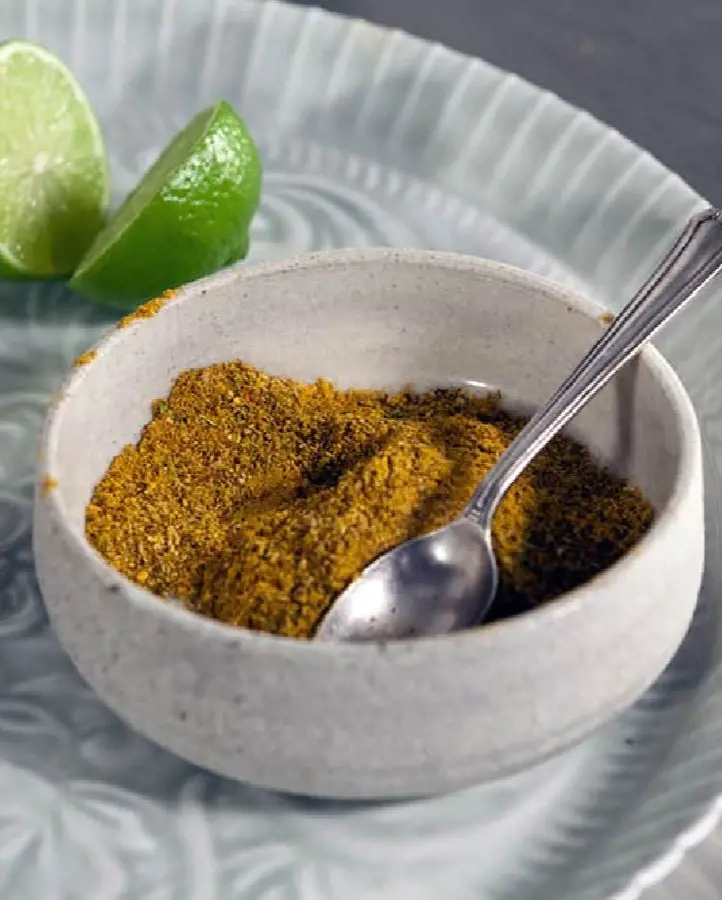
Curry powder is not a perfect substitute for garam masala, but it is a convenient one since many people already have it in their pantry. The British invented curry powder to capture the taste of Indian curries.
It usually contains various spices, but you will almost always find a combination of turmeric, coriander seed, cumin seed, fennel seed, fenugreek, paprika, ginger, and mustard. Turmeric and ginger are not included in garam masala, and it is missing warm spices like cinnamon, nutmeg, and clove. However, curry powder is still a great substitution.
3. Allspice and Cumin
instagram
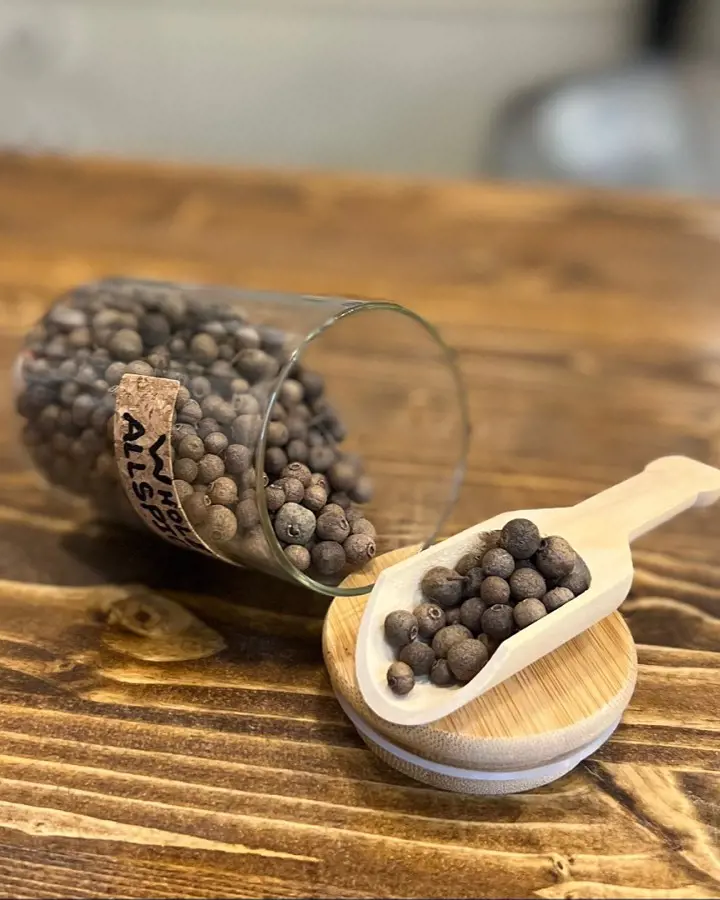
An allspice and cumin spice blend is a much closer replica of the garam masala than curry powder. Often mistaken for a blend of spices, allspice is a single-ingredient seasoning. It is made from the dried, unripened berries of the Myrtle pepper tree native to Jamaica and Central America.
Allspice has a warm, aromatic flavor reminiscent of cinnamon, nutmeg, or clove. When you combine it with cumin, you get the depth of garam masala. To create this blend, substitute garam masala with a mix of 1 part cumin and ¼ part allspice.
4. Chaat Masala
instagram
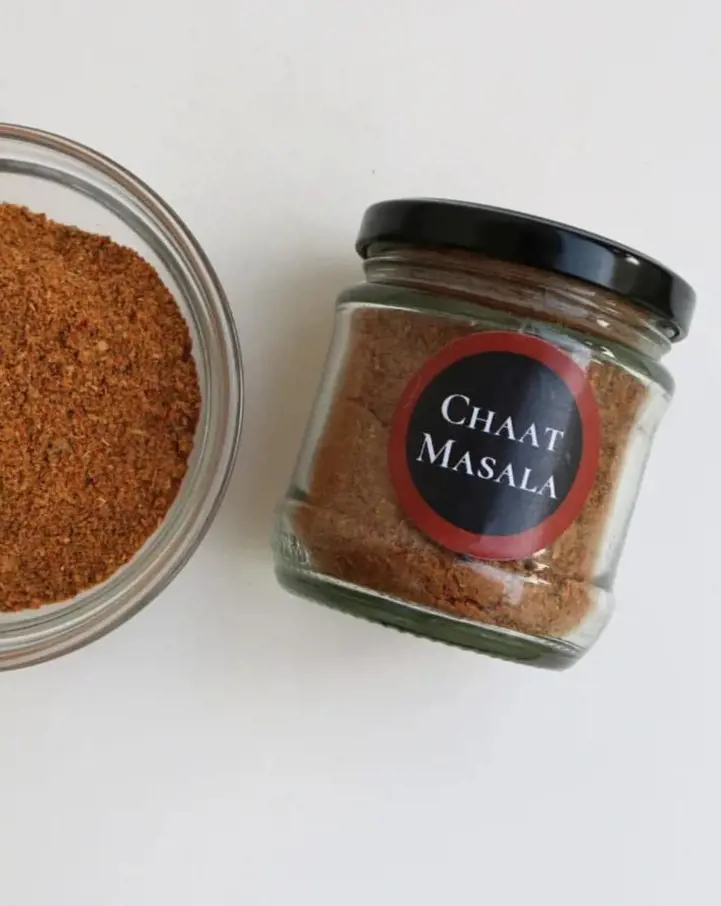
A chaat masala is an essential ingredient in Indian street food such as chana chaat, fruit chaat, papri chaat, and basically any chaat. It is made with black salt, dry mango powder, dried pomegranate seeds, black peppercorns, sugar, red chili powder, dried mint, tamarind powder, and toasted cumin seeds.
The chaat masala has a very distinct taste. It is a complex blend of tart, spicy, salty, tangy, and sour with a hint of sweetness. If you are using chaat masala in place of garam masala, use it in a 1:1 ratio.
5. Sambar Masala
instagram
Sambar masala is a special and unique spice blend added to the South Indian lentil and vegetable stew called Sambar. South Indians do not use different spices for different dishes. They use this as an all-purpose spice mix for most South Indian dishes.
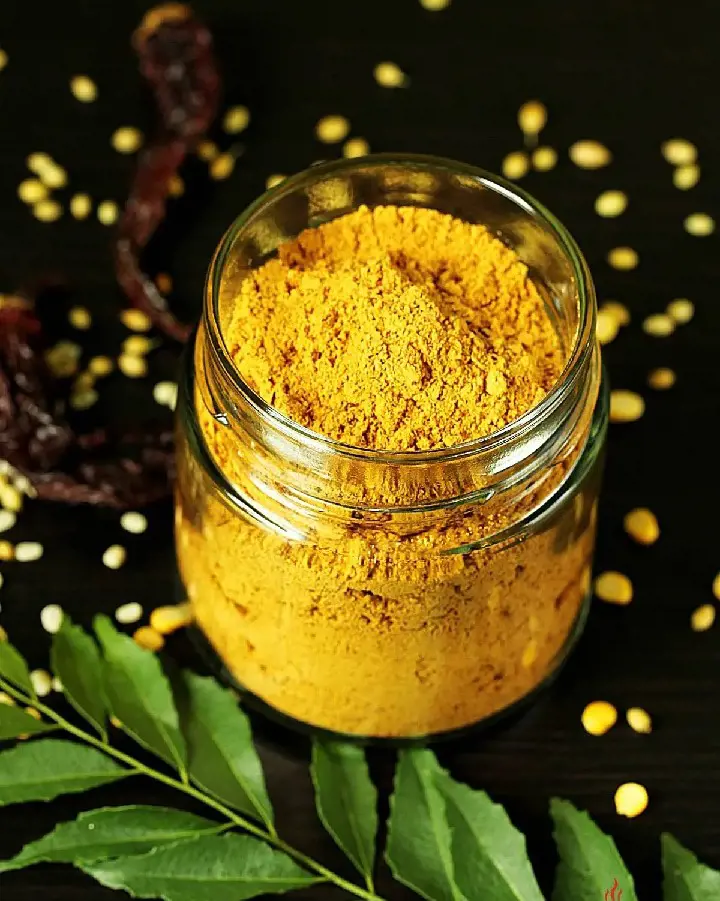
A sambar masala has coriander seeds, cumin, mustard seed, dry red chilies, cinnamon, fenugreek seeds, dry coconut, curry leaves, and a variety of lentils like split husked bengal gram and split husked black gram. You can find this masala in an Indian grocery.
6. Chana Masala
instagram
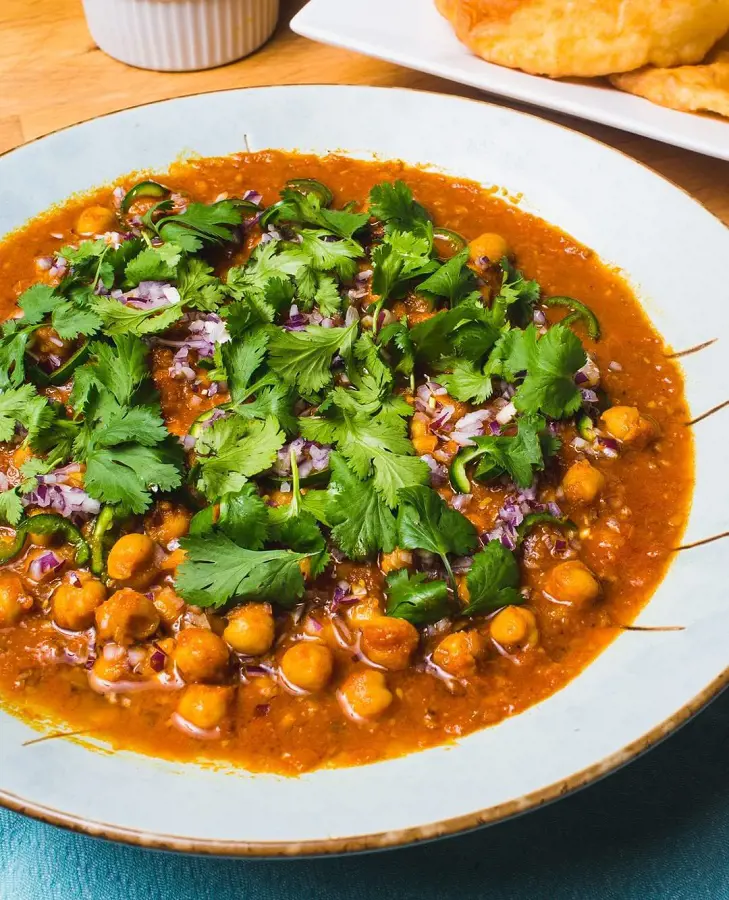
Chana masala is a blend of various spices used to make the popular North Indian dish, Chana Masala, which features chickpeas simmered in a flavorful tomato-based gravy.
The exact makeup of the blend can vary depending on region and personal preference, but a typical chana spice blend always includes coriander, cumin, Kashmiri chili powder, turmeric, cardamom, cinnamon, and cloves.
Some chana spice blend has optional ingredients like bay leaves, black peppercorns, fennel seeds, ginger, and garlic. This spice has the same warmth as garam masala.
7. Moroccan Spice
instagram
A Moroccan spice mix known as Ras el Hanout is a unique mix of spices that can contain anywhere from 10 to 100 different spices.
This Moroccan spice has warm, floral, sweet, earthy, and often slightly spicy notes. It is versatile and adds depth and richness to both savory and sweet dishes. It has a much stronger flavor than garam masala, so for every 1 tablespoon of garam masala, use 2 teaspoons of Ras el Hanout.
8. Tikka Masala
instagram
Tikka masala spice blend is a vibrant and aromatic mix of spices used to create the characteristic flavor of the beloved Indian dish, Tikka Masala. This spice lends a symphony of delightful flavor and aroma to any dish.
A tikka masala typically includes a few core ingredients like coriander, cumin, chilies, turmeric, cardamom, paprika, cinnamon, and cloves, which are very similar to garam masala. To make this spice blend, roast all the spices in a pan and then grind them in a spice grinder after it has cooled.
9. Taco Seasoning
instagram
Taco seasoning is not a perfect substitute due to differences in flavor profile and heat level, but it can work as a partial replacement for garam masala. Both blends share some warming spices like cumin and coriander, offering a similar earthy and slightly sweet background.
Some taco seasonings contain smoked paprika, which mimics the smoky garam masalas. However, the taco seasonings do not have some spices like cardamom, cloves, and nutmeg and contain sweet elements like sugar.
10. Cumin, Coriander, and Cardamom
instagram
Cumin, cardamom, and coriander are the core spices present in garam masala, which is why this spice blend is another notable substitute. If you have these in your pantry, you can easily make a similar blend that you can use at your disposal.
For one tablespoon of garam masala, you need one teaspoon of cumin seeds, two teaspoons of coriander seeds, and half a teaspoon of green cardamom pods. Place all in a small pan on low heat until they crackle. Then, put them in a blender and grind them into a powder. You can use it to make vegetable stews or cook meat like steak or lamb.
11. Cumin and Coriander
instagram
If you don’t have the coriander and cumin seeds and cardamom pod, you can use cumin and coriander powder. It is not a perfect substitute for garam masala. It is a simple and readily available replacement. The two spice powders provide a warm and earthy depth in many dishes like garam masala.
For every teaspoon of cumin, use two teaspoons of coriander powder. Cumin offers a warm, nutty note, while coriander adds citrusy and floral aromas. You can adjust the ratio based on your preference.
12. Cinnamon, Fenugreek, and Cloves
instagram
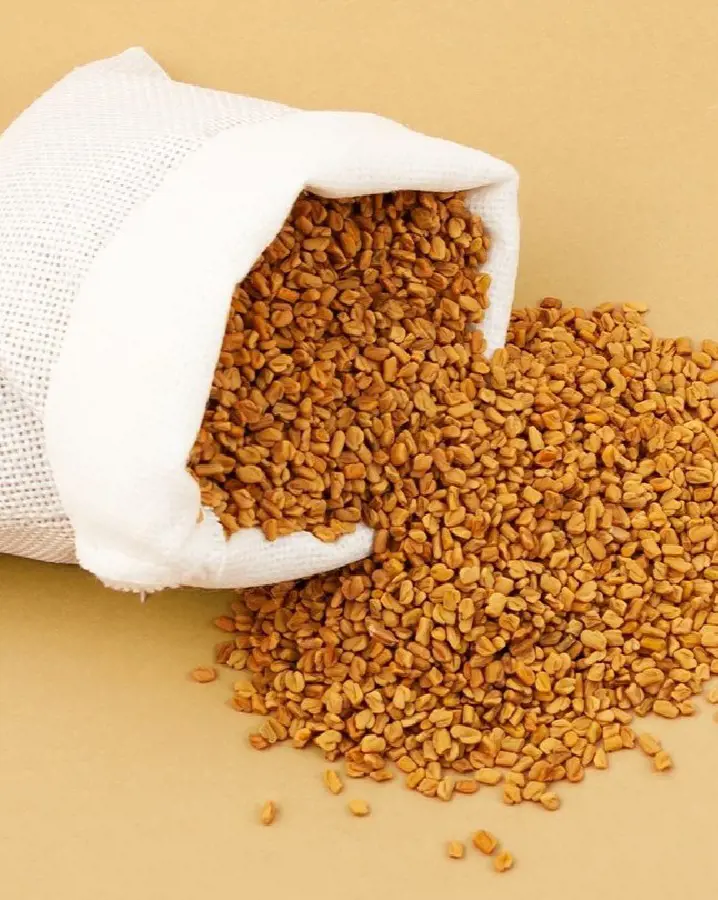
A spice blend of cinnamon, fenugreek, and cloves will not perfectly replicate the complex flavor profile of garam masala, but it is still a decent substitute in certain dishes. This spice blend has warmth and sweetness and the unique earthy and slightly bitter depth of a garam masala.
For the substitution, use 1 part cinnamon, 1 part fenugreek, and 1/2 part cloves for one part of garam masala. You can use it with vegetables, meat stews, chicken, or anything that garam masala is used for.
13. Mustard Seeds, Curry Leaves and Coconut
instagram
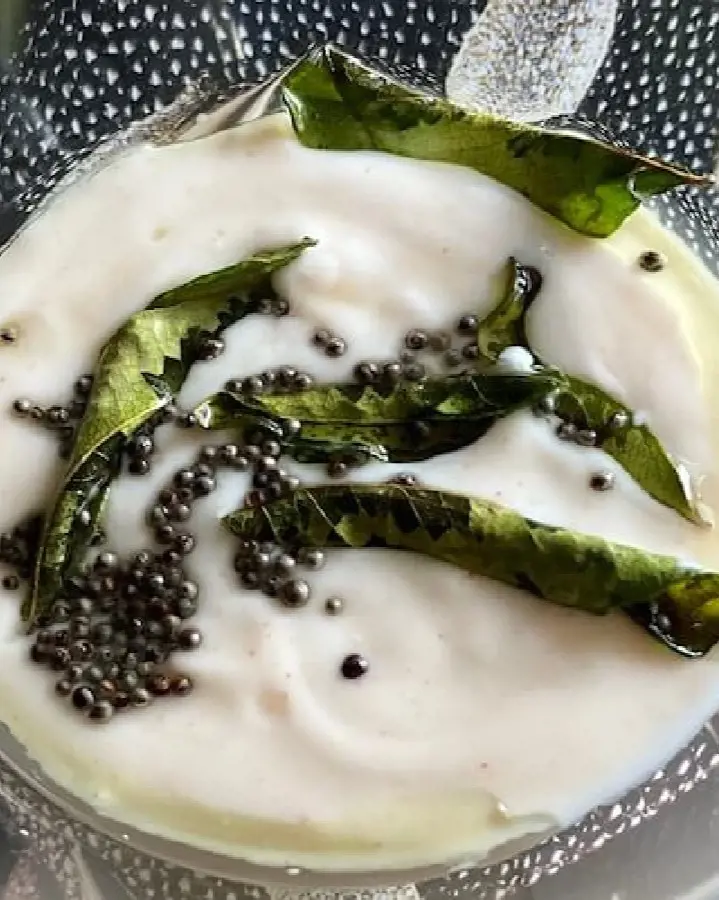
The combination of curry leaves, mustard seeds, and coconut adds unique aromas and textures to various Indian dishes. There are not many similarities between garam masala and this combination, but it adds layers of flavor to any dish.
Use a teaspoon of shredded coconut and mustard seeds and around 12 curry leaves for one teaspoon of garam masala. You can easily use it with fish, sauces, and salad dressings.
14. Berbere
instagram
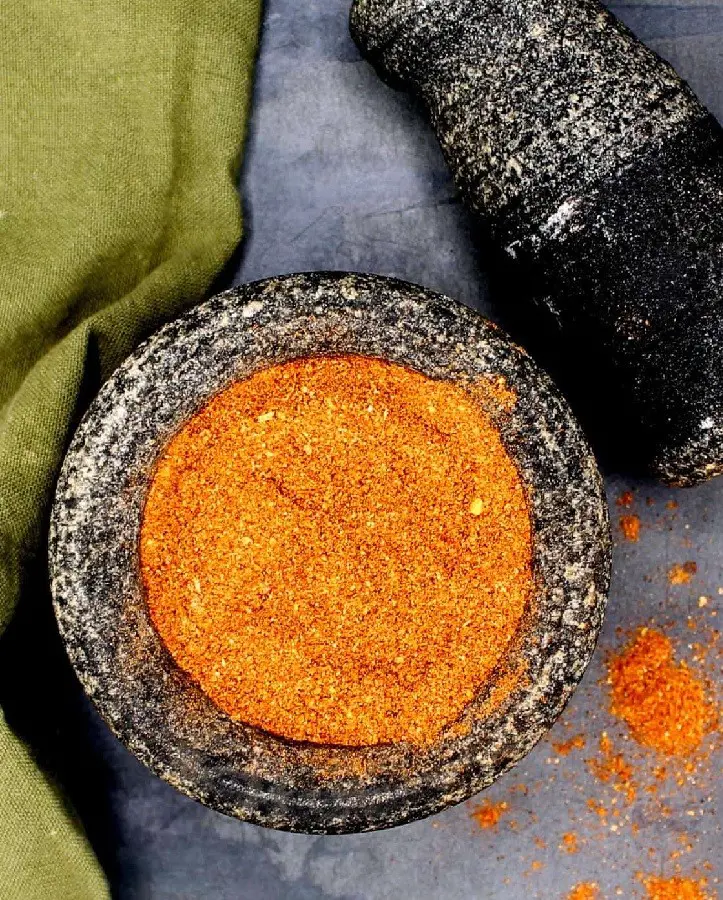
Berbere is a fiery spice blend and a staple in Ethiopian cuisine. It is a beloved ingredient in stews, sauces, and rubs because it packs a punch of flavor and heat. The core ingredient in this spice mix is dried bird's eye chilies that have intense heat with lingering warmth.
Other ingredients include coriander, cumin, cloves, ginger, cardamom, ajwain, and korarima. Sometimes, the berbere is combined with oil and other ingredients and served as a spicy condiment alongside dishes.
15. Vadouvan
instagram
Vadouvan is a unique and fragrant spice blend from Tamil Nadu, South India.
The key ingredients in this spice are shallots, garlic, black lentils, curry leaves, fenugreek, fennel seeds, cumin, coriander, black pepper, and sometimes black cardamom. Other optional additions include coconut, sesame seeds, dry red chilies, or nutmeg.
This spice adds subtle complexity and warmth to lentil curries, vegetable stews, and coconut-based dishes. It is also used in marinades for seafood, poultry, or tofu.