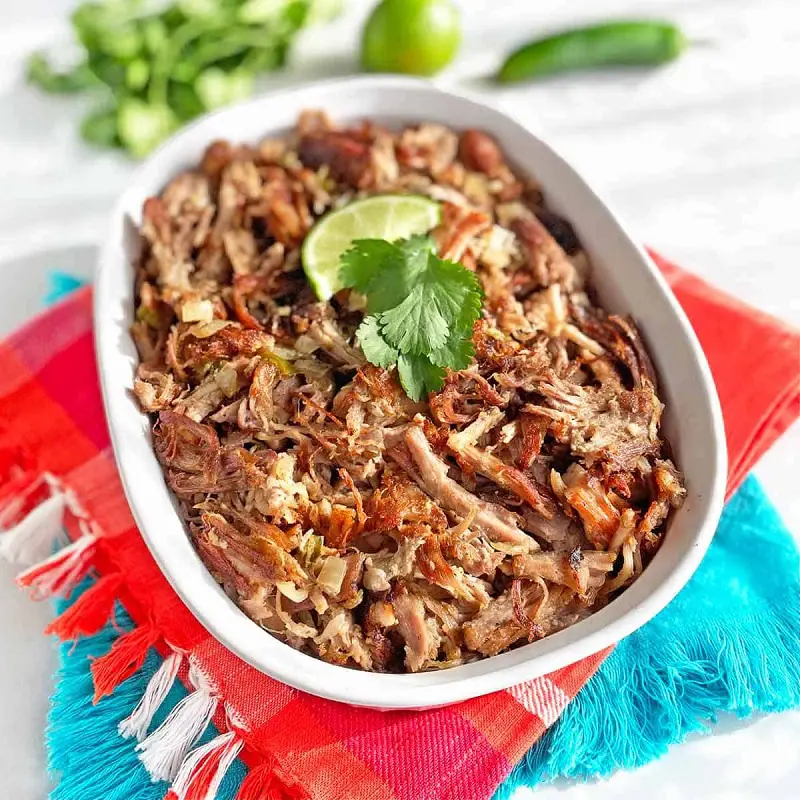
Carnitas, the beloved Mexican slow-cooked pulled pork, is a testament to Mexico's rich culinary traditions and flavors. Whether served in tacos, burritos, or other creative dishes, carnitas offer a delectable and versatile option for any meal.
The slow cooker method simplifies the cooking process while enhancing the meat's natural flavors, making it accessible for home cooks everywhere. By understanding the history, ingredients, and techniques behind this dish, you can bring an authentic taste of Mexico to your table.
Enjoying carnitas with traditional beverages or your favorite pairings adds to the experience, making every bite a celebration of Mexican cuisine.
Introduction
Carnitas, meaning "little meats" in Spanish, is a traditional Mexican dish of pork that is braised or simmered until tender. Originating from the state of Michoacán, carnitas have become a beloved staple across Mexico and have found a home in Mexican cuisine worldwide.
This dish is characterized by its rich, savory flavor and tender, juicy texture. One popular method of preparing carnitas is using a slow cooker, which not only simplifies the cooking process but also enhances the flavors through slow, gentle cooking.
Ingredients and Preparation
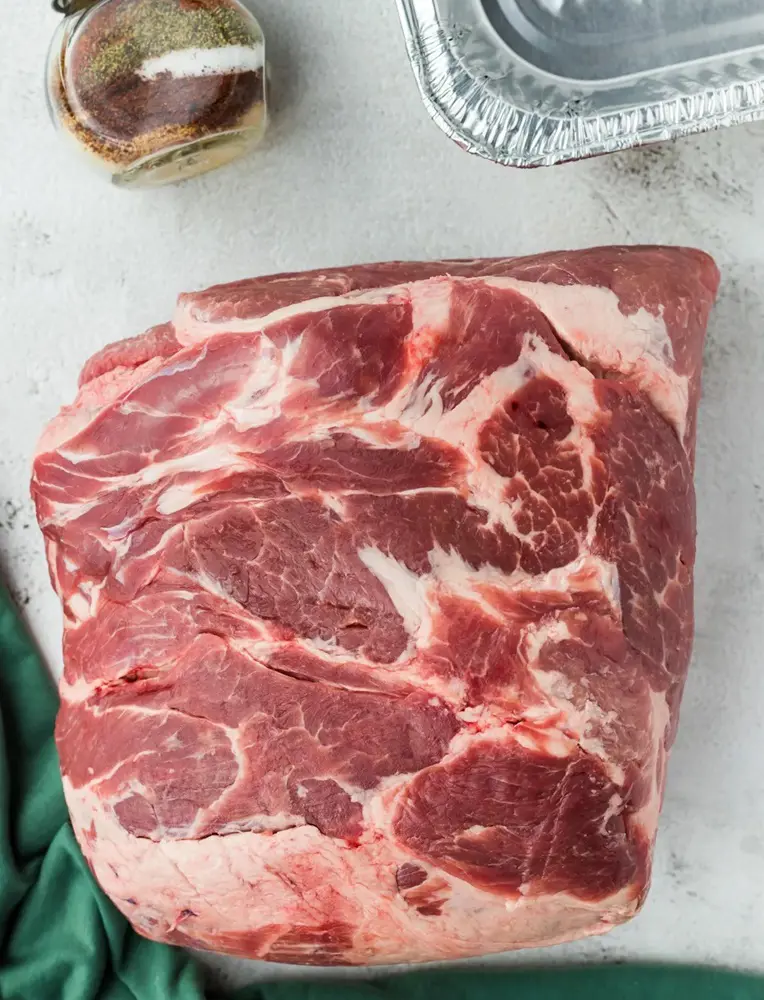
Selecting the Pork
The key to perfect carnitas is selecting the right cut of pork. Pork shoulder, also known as pork butt or Boston butt, is the preferred choice due to its balance of meat and fat, which ensures a tender and flavorful result. The marbling of fat throughout the meat helps keep it moist during the long cooking process.
Essential Ingredients
To create authentic slow cooker carnitas, you'll need a blend of spices and aromatics that impart the signature Mexican flavors. Here are the essential ingredients:
- Pork Shoulder: About 4-5 pounds, trimmed of excess fat but leaving some for flavor.
- Onions: One large onion, roughly chopped.
- Garlic: 4-5 cloves, minced.
- Orange Juice: Freshly squeezed from 2-3 oranges, providing acidity and sweetness.
- Lime Juice: From 2-3 limes, adding a tangy brightness.
- Spices: Cumin, oregano, bay leaves, chili powder, and salt.
- Chicken Broth: About one cup, to keep the meat moist.
- Cilantro: Fresh cilantro for garnishing.
Preparing the Meat
-
Seasoning the Pork: Begin by generously seasoning the pork shoulder with salt, pepper, cumin, oregano, and chili powder. Ensure the spices are rubbed into the meat thoroughly to infuse it with flavor.
-
Browning the Meat: Although optional, browning the pork in a hot skillet before placing it in the slow cooker can add depth to the flavor. This step caramelizes the exterior, contributing to the final taste.
-
Slow Cooking: Place the seasoned pork shoulder in the slow cooker. Add the chopped onions, minced garlic, orange juice, lime juice, and chicken broth. Toss in a couple of bay leaves. Cover and cook on low for 8-10 hours or on high for 4-6 hours, until the meat is tender and easily shredded with a fork.
Finishing Touches
Once the pork is cooked, it's time to achieve the desired texture and flavor. Remove the meat from the slow cooker and shred it using two forks. Spread the shredded pork on a baking sheet and drizzle some of the cooking liquid over it to keep it moist. Place the baking sheet under the broiler for a few minutes until the edges of the pork are crispy.
Serving Suggestions
Traditional Tacos
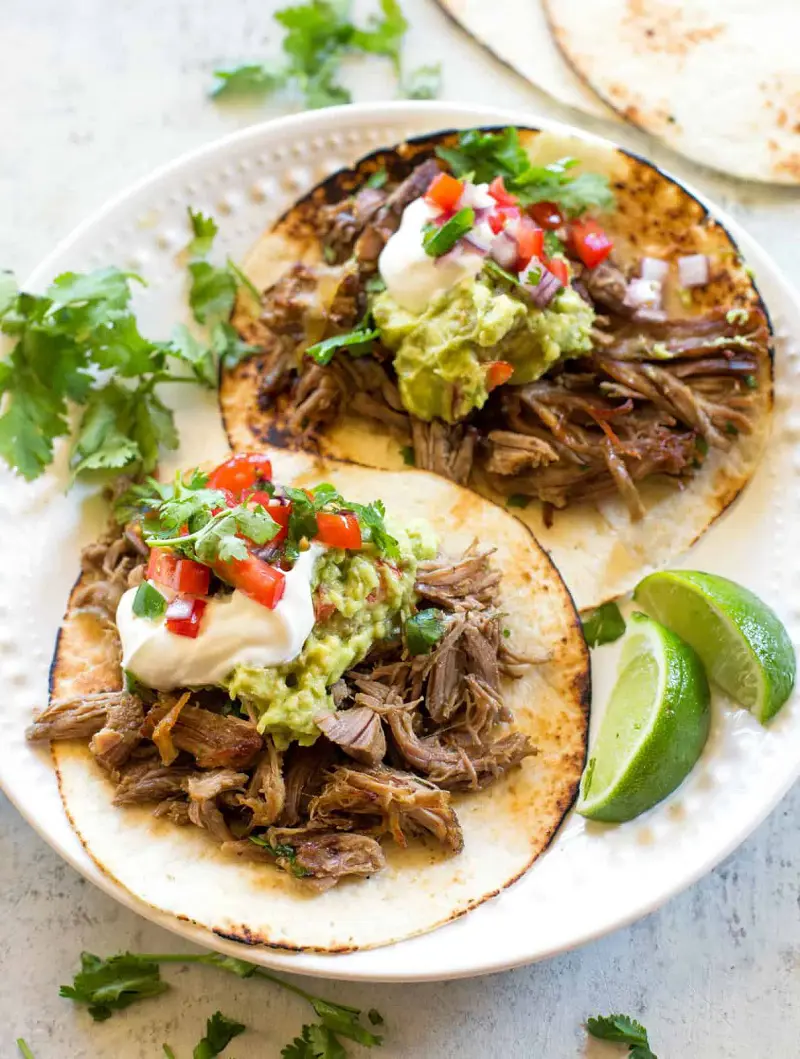
One of the most popular ways to enjoy carnitas is in tacos. Warm up some corn tortillas and fill them with the shredded pork. Top with diced onions, fresh cilantro, a squeeze of lime juice, and your favorite salsa. The combination of flavors and textures makes for an irresistible taco experience.
Burritos and Bowls
Carnitas are also a great filling for burritos and bowls. Layer the shredded pork with rice, beans, guacamole, sour cream, and salsa in a large flour tortilla for a hearty burrito. Alternatively, create a burrito bowl by arranging these ingredients in a bowl for a satisfying meal.
Other Creative Uses
The versatility of carnitas means they can be used in various dishes beyond tacos and burritos. Consider adding them to quesadillas, nachos, or enchiladas. They can also be served as a main dish alongside rice and beans or used as a topping for salads and pizzas.
Tips and Variations
Adjusting the Spice Level
Carnitas can be customized to suit your preferred spice level. If you like it mild, stick to the basic seasoning. For a spicier version, add more chili powder or include a chopped jalapeño or chipotle pepper in the slow cooker.
Using Different Citrus Juices
While orange and lime juices are traditional, you can experiment with other citrus juices like grapefruit or lemon for a unique twist. The acidity from the citrus helps tenderize the meat and adds a refreshing flavor.
Making it Healthier
For a lighter version of carnitas, trim more fat from the pork shoulder and use less oil. You can also substitute the chicken broth with a low-sodium version or use water instead.
Storing and Reheating
Carnitas store well and can be made ahead of time. Keep the shredded pork in an airtight container in the refrigerator for up to 4 days or freeze for up to 3 months. Reheat in a skillet with a bit of the cooking liquid to keep it moist.
The Science Behind Slow Cooking
How Slow Cooking Works
The slow cooker is an ideal tool for making carnitas because it allows the meat to cook gently over a long period. This method breaks down the tough connective tissues in the pork shoulder, resulting in tender, juicy meat. The low, consistent heat also helps the flavors meld together, creating a rich and complex taste.
The Role of Acidity
The addition of citrus juice in the slow cooker serves multiple purposes. The acidity helps tenderize the meat by breaking down its fibers, while the sweetness balances the savory spices. This creates a well-rounded flavor profile that enhances the natural taste of the pork.
Nutritional Information
Macronutrients
Carnitas made from pork shoulder are high in protein and fat, providing a substantial and satisfying meal. A typical serving of carnitas (about 4 ounces) contains approximately:
- Calories: 250-300
- Protein: 25-30 grams
- Fat: 15-20 grams
- Carbohydrates: 1-2 grams
Micronutrients
In addition to macronutrients, carnitas offer various vitamins and minerals, including:
- Vitamin B12: Essential for red blood cell formation and neurological function.
- Zinc: Important for immune function and wound healing.
- Iron: Crucial for transporting oxygen in the blood.
- Selenium: An antioxidant that helps protect cells from damage.
Health Considerations
While carnitas are delicious and nutritious, they can be high in fat and sodium, especially if using traditional methods involving lard. To make a healthier version, opt for leaner cuts of pork, reduce added salt, and use healthier cooking fats like olive oil or avocado oil.
Pairing Carnitas with Beverages
Traditional Mexican Drinks
To complement the rich flavors of carnitas, consider serving traditional Mexican beverages such as:
- Agua Fresca: A refreshing drink made from fruit, water, and a bit of sugar. Popular flavors include horchata (cinnamon rice), tamarindo (tamarind), and jamaica (hibiscus).
- Michelada: A beer-based cocktail mixed with lime juice, assorted sauces, spices, and tomato juice. It's a tangy and spicy companion to carnitas.
- Margaritas: The classic tequila-based cocktail with lime juice and triple sec. Its citrusy and slightly sweet taste pairs well with the savory pork.
Wine and Beer Pairings
If you prefer wine or beer, here are some suggestions that pair well with carnitas:
- Wine: A crisp white wine like Sauvignon Blanc or a light red like Pinot Noir can balance the rich flavors of the pork.
- Beer: Mexican lagers such as Modelo or Pacifico, with their light and refreshing profiles, complement the savory and slightly spicy taste of carnitas.
The History and Cultural Significance of Carnitas
Origins in Michoacan
Carnitas have deep roots in Michoacán, where they are traditionally made by braising or simmering pork in lard for several hours. This method produces meat that is succulent on the inside and crispy on the outside.
Historically, carnitas were prepared for special occasions and celebrations, reflecting the communal aspect of Mexican cuisine where food plays a central role in bringing people together.
Culinary Evolution
Over time, the preparation of carnitas has evolved, adapting to different cooking techniques and ingredients available in various regions. Despite these changes, the dish's essence remains the same: tender, flavorful pork that can be enjoyed in various ways.
In the United States and other countries, slow cookers have become a popular tool for making carnitas, offering a convenient and efficient way to achieve the desired texture and taste.