Buffalo sauce is more than a condiment. It’s the heart and soul of iconic American wings, the glue that transforms crispy chicken into a legendary game-day experience. But the magic isn’t just about sport and nostalgia — it’s in the balance: heat, tang, richness, and comfort in every swallow. The best part? You can make this sauce at home in under 10 minutes with basic ingredients you probably already have in your kitchen.
What Is Buffalo Sauce?
Before we talk technique, let’s talk roots.
Buffalo sauce earned its name from Buffalo, New York, where it was first combined with deep-fried chicken wings in the early 1960s. The original creation at the Anchor Bar became an overnight sensation — combining simple pantry staples into something bold and unforgettable.
Unlike bottled hot sauces, Buffalo sauce is richer, silkier, and more complex. That’s because butter isn’t just an ingredient — it’s the emulsifier that binds heat and acidity into a smooth finish that clings to food beautifully.
Ingredients You’ll Need
instagram
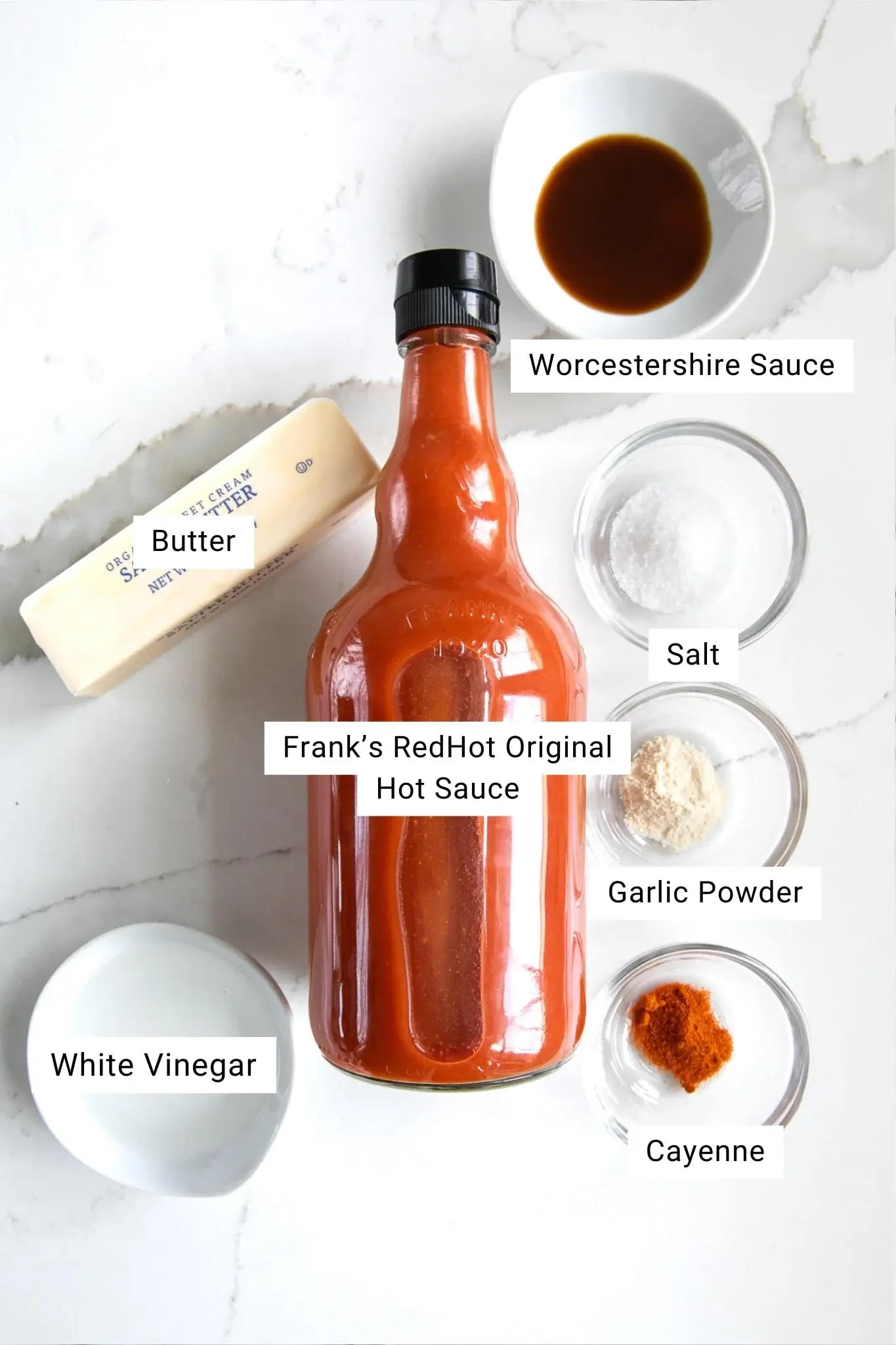
Here’s your basic shopping list. Think of this as your backbone sauce — with room to build toward your own taste.
Unsalted Butter – ½ cup (113g)
Hot Sauce – ⅔ cup (preferably a vinegar-based style like Frank’s RedHot)
White Vinegar – 1–2 tablespoons
Worcestershire Sauce – 1 teaspoon
Garlic Powder – ½–1 teaspoon
Cayenne Pepper – pinch (optional, for extra heat)
Salt – to taste
Pro Tip: Unsalted butter lets you control seasoning without tipping the salt balance too high.
Simple Step-by-Step Method
1. Warm Your Base
Place a small saucepan over medium heat and add the butter. Let it melt gently — we’re not looking for browning here, just a smooth, molten pool.
2. Add Depth
Once the butter is fluid and steaming, whisk in hot sauce, vinegar, Worcestershire, garlic powder, and a pinch of cayenne. Maintain a gentle flame — you want to warm, not boil. Keep whisking until everything is fully combined.
3. Bring It Together
As the sauce warms, you’ll notice it become glossy and thick. This is the emulsion forming — that perfect glue we crave. Heat it for 2–3 minutes, then remove from heat. Let it rest for a moment before using.
Simple Step-by-Step Method
1. Warm Your Base
Place a small saucepan over medium heat and add the butter. Let it melt gently — we’re not looking for browning here, just a smooth, molten pool.
2. Add Depth
Once the butter is fluid and steaming, whisk in hot sauce, vinegar, Worcestershire, garlic powder, and a pinch of cayenne. Maintain a gentle flame — you want to warm, not boil. Keep whisking until everything is fully combined.
3. Bring It Together
As the sauce warms, you’ll notice it become glossy and thick. This is the emulsion forming — that perfect glue we crave. Heat it for 2–3 minutes, then remove from heat. Let it rest for a moment before using.
Chef’s Notes
Here are the real takeaways from the pros:
Why You Melt the Butter First
Introducing hot sauce to melted butter (not cold) helps the fats and acids marry without separating. It’s a simple step — but it matters for texture.
Vinegar: A Bright Balancer
That little hit of vinegar isn’t just tradition — it cuts through the fat and adds lift. Without it, buffalo sauce can feel flat.
Seasoning Variations
More Heat: Add cayenne or crushed red pepper.
More Tang: A splash more vinegar or a squeeze of lemon.
Smoky Notes: A dash of smoked paprika or chipotle powder.
Deeper Umami: A few drops of Worcestershire adds savory depth.
Perfect Pairings
This is where homemade buffalo sauce earns its keep:
Classic Buffalo Wings – toss freshly fried or baked wings in the warm sauce.
Wraps & Tacos – drizzle over grilled chicken or cauliflower for spicy flair.
Fries & Snacks – use as a dip for fries, cauliflower bites, or tempura veggies.
Pizza Booster – swirl it over a hot pizza for Buffalo chicken pizza nights.
Salads & Bowls – toss with greens, crunchy veggies, or grain bowls for a fiery lift.
The beauty of Buffalo sauce is that it plays well with wide flavors. Tangy blue cheese, cool ranch, or creamy yogurt dips are timeless companions.
Storage & Reheat Tips
Got leftovers? No problem.
Refrigerate: Store in a sealed container for up to 1–2 weeks.
Freeze: Freeze up to 6 months if you want long-term storage.
Reheat: Gently warm over low heat — whisk until glossy again.
Avoid reheating on high — butter can separate if overheated.
Frequently Asked Questions
Is Buffalo sauce just hot sauce and butter?
In its simplest form, yes — that’s the classic base that gives you that signature flavour and cling. Everything else enhances texture and flavor.
Can I make it vegan?
Absolutely. Swap dairy butter for a vegan butter or even silky olive oil, and reduce cheese pairings accordingly. It won’t be classic, but it will be delicious.
What hot sauce should I use?
Tradition points to a vinegar-based cayenne sauce. Frank’s RedHot is the benchmark for true Buffalo flavour, but Louisiana-style or similar bottles also work beautifully.
Chef’s Secret Variations
You can take this sauce in many directions once you’ve nailed the basics.
Sweet Heat – a teaspoon of honey or maple smooths edges without muting spice.
Garlic Bomb – fresh minced garlic warmed in butter before adding hot sauce.
Extra Fiery – a mix of cayenne, ghost pepper flakes, or even habanero for real kick.
Smoky & Savory – a little smoked paprika or chipotle adds complexity.
Play around — your palate is welcome to lead.
Closing Thoughts
Making buffalo sauce at home is one of those quick culinary wins that transforms your weeknight meals into restaurant-level experiences. With just a few pantry essentials and a clear method, you’ll understand why this sauce became a global favorite and why homemade always tastes best.