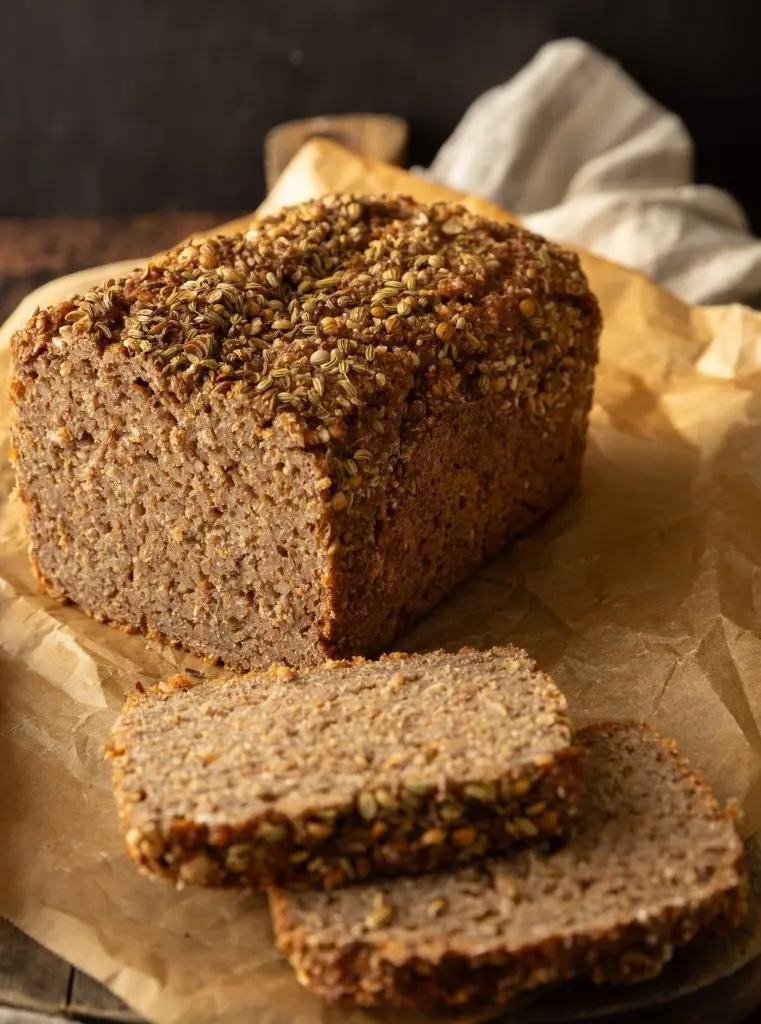
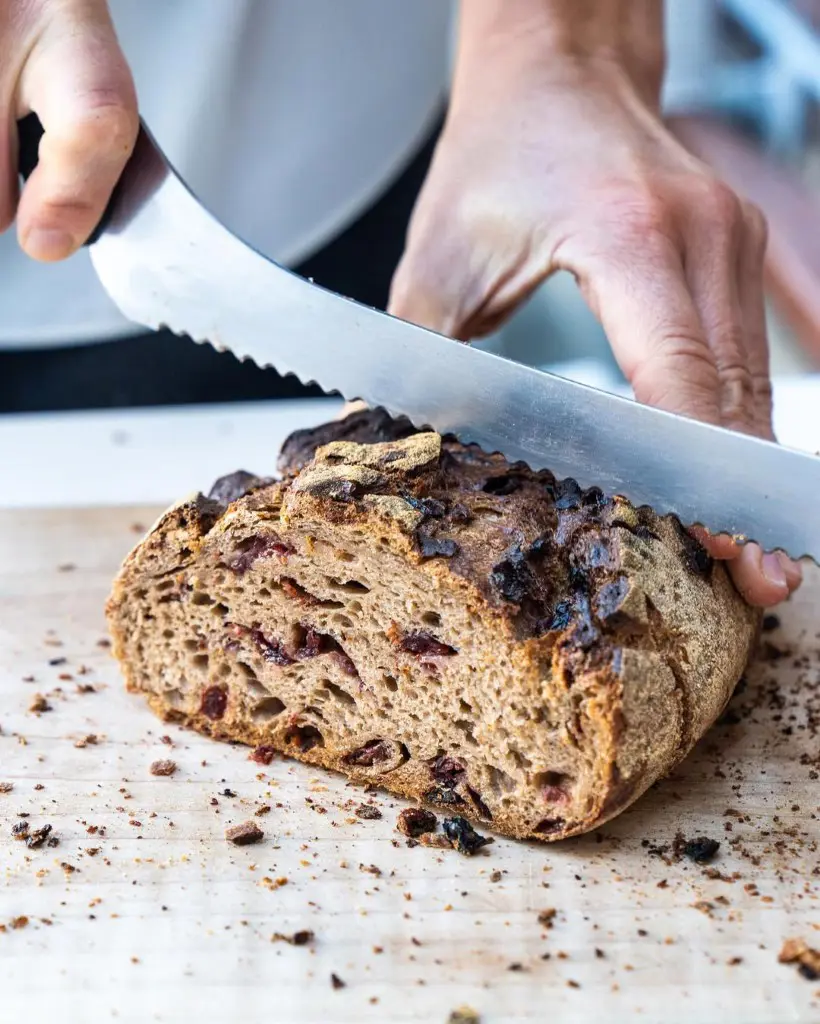
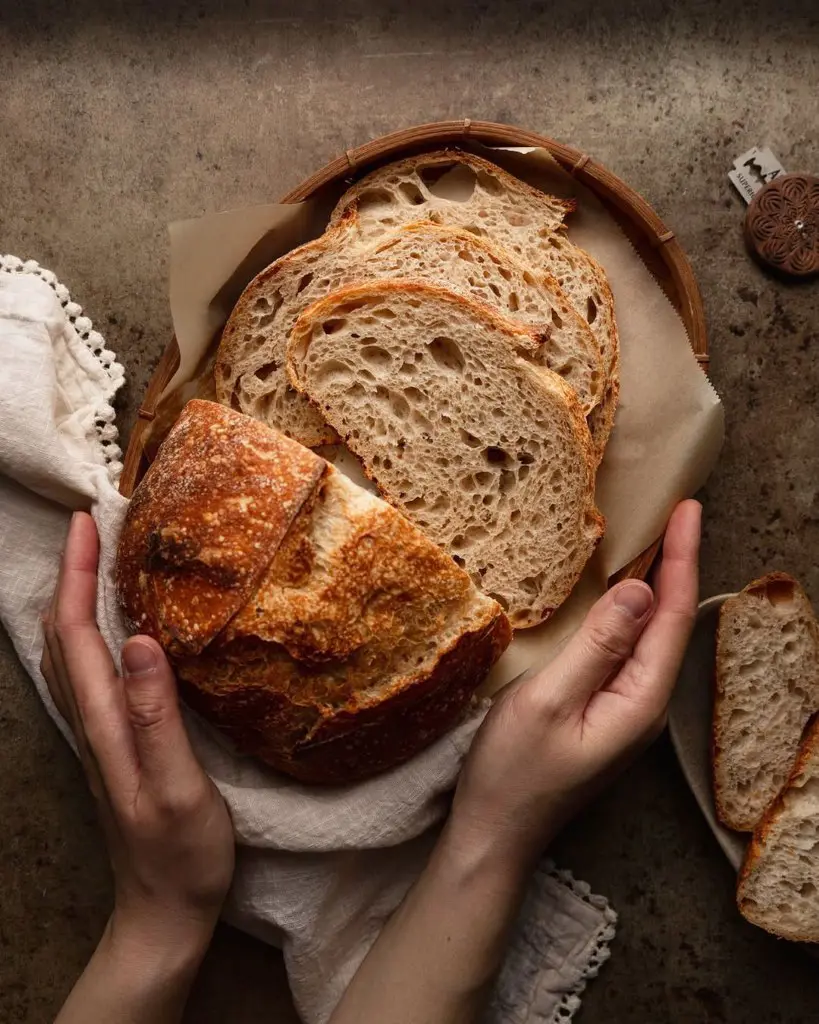
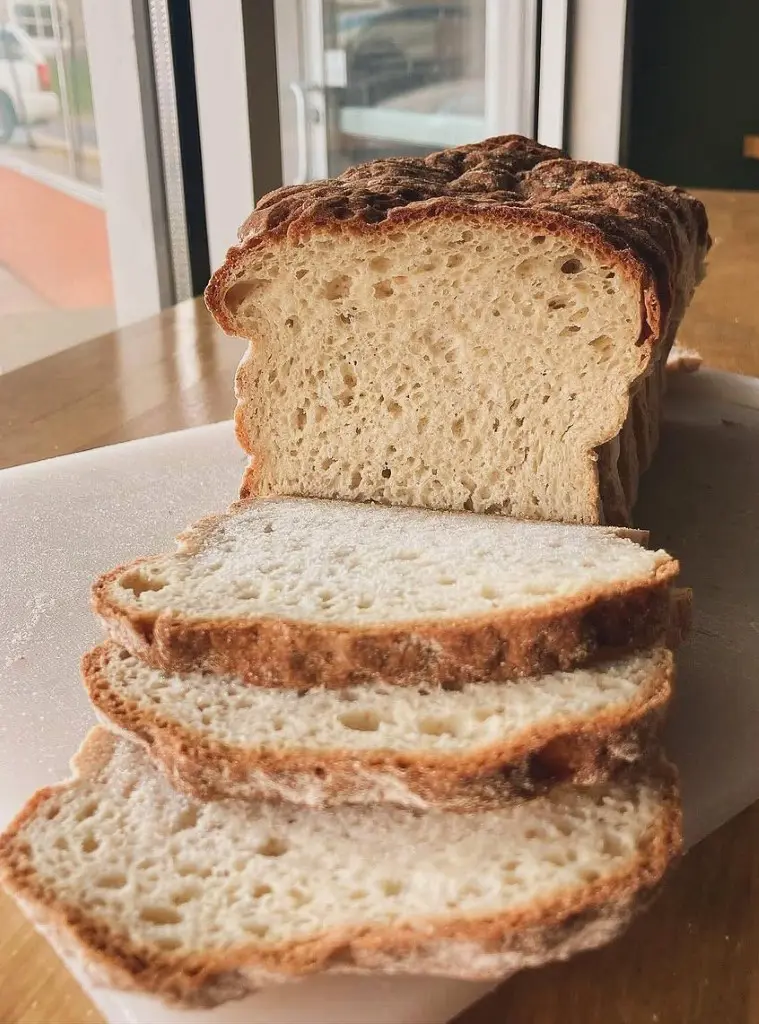
Creating delicious, nutritious bread starts right in your own kitchen. Homemade loaves give you total control over ingredients. Fresh bread from local bakeries stands among the best bread to eat, though these artisanal options often cost more than supermarket varieties.
While many grocery stores now house their own bakery sections, careful label reading remains essential to spot hidden preservatives. Let's discover fifteen nourishing bread choices that combine wholesome ingredients with delightful taste.
1. 100% Wholemeal Wheat Bread
instagram
The rich nutrients of wholemeal wheat bread come from using the entire grain - the bran, wheatgerm, and endosperm stay together instead of being separated.
This bread brings more health benefits than white bread, offering twice the zinc and fiber in each slice, plus extra iron. People who eat wholemeal foods regularly strengthen their protection against heart disease, stroke, certain cancers, and type 2 diabetes.
Most bakeries add special ingredients to make their wholemeal bread even better. These include emulsifiers that help mix everything smoothly, agents that improve the flour, and substances that make the dough rise perfectly.
Each addition serves a purpose - some create that lovely golden color, others make the bread soft and springy, and some help the dough stay stable while baking into a nicely sized loaf.
2. Sprouted Bread
instagram
This special bread starts when grains begin growing tiny shoots in a warm, moist space. Bakers capture this moment and grind these sprouted grains into flour.
During sprouting, the grains change in amazing ways - they create more folate, an important B vitamin that becomes easier for our bodies to use.
The sprouting also breaks down substances called phytic acid that usually stop our bodies from getting minerals like iron from bread. The finished sprouted bread has less gluten than regular bread and doesn't raise blood sugar levels as much.
This makes it especially good for people who find regular bread hard to digest, including those watching their blood sugar or managing type 2 diabetes.
3. Pumpernickel
instagram
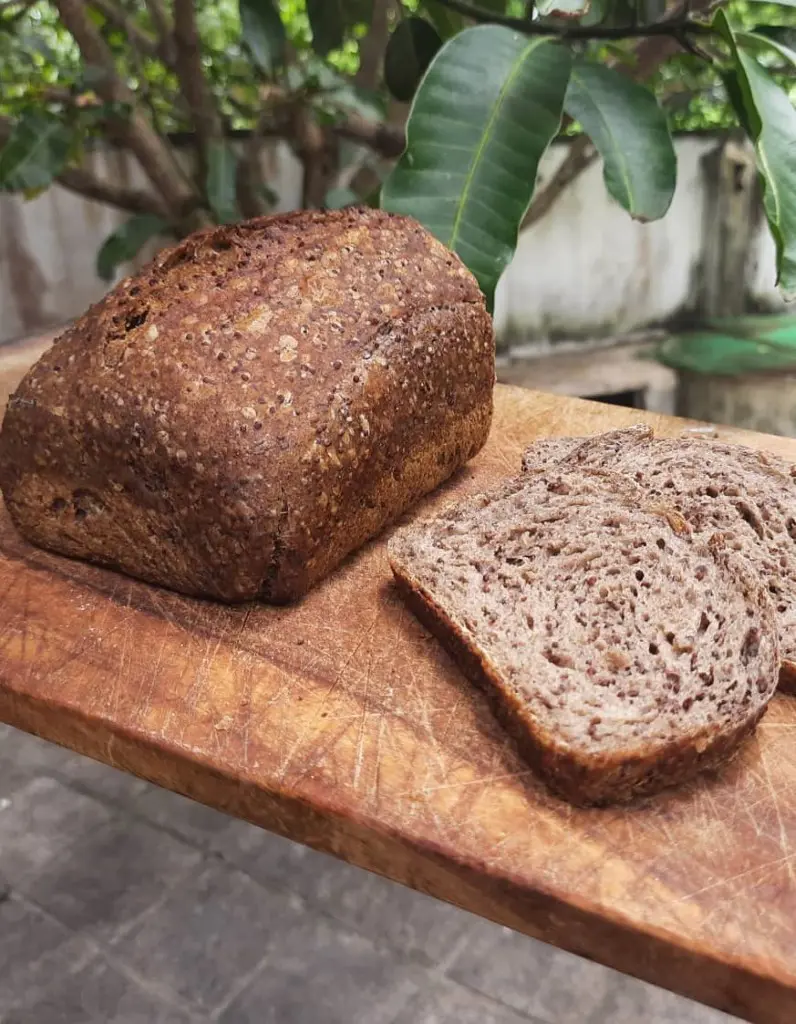
This dark German bread brings a strong flavor and solid texture to every meal. Made with wholegrain rye flour, pumpernickel fills each slice with B vitamins that help handle daily stress, plus special plant nutrients called lignans, and plenty of fiber.
Real pumpernickel starts with sourdough and uses rough rye flour. The bread contains resistant starch - a type that helps keep your digestive system healthy and stops your blood sugar from rising too quickly.
Store-bought versions might mix in wheat flour, molasses, or yeast, so reading labels helps find authentic pumpernickel bread.
4. Rye Bread
instagram
Rye bread offers something different from regular wheat bread - it contains less fat and gluten, creating a heavier, more compact loaf.
Scientific research shows that pure rye bread affects blood sugar levels more gently than wheat bread, keeping people satisfied longer after eating.
These then have various effects in the body, such as an advantage to cardiovascular health, improvement in menopausal symptoms, enhancement of bone strength, and a possible decrease in the risk of breast cancer.
Their multifaceted benefits lend weight to why including rye bread in a diet is a good dietary decision; it offers not just a gastronomically enticing option but also a wealth of health-enhancing properties that will look after various aspects of your well-being.
5. Buckwheat Bread
instagram
Despite its name, buckwheat bread comes from a seed rather than wheat. People who cannot eat gluten can enjoy this bread safely because buckwheat naturally contains no gluten.
The bread stands out for its rich supply of antioxidants - even more than oats or wheat provide. Buckwheat contains a special compound called d-chiro inositol that supports healthy blood sugar levels.
The bread also includes rutin, another beneficial plant compound. For people with celiac disease, checking labels remains important since some manufacturers blend different flours in their gluten-free breads.
6. Sourdough
instagram
Pure sourdough bread needs just four basic ingredients - flour, water, salt, and a special starter culture. The magic happens during fermentation when wild yeasts and good bacteria develop, creating both the bread's rise and its distinctive taste.
This slow, natural process makes the vitamins and minerals in the bread easier for our bodies to use. The fermentation also starts breaking down gluten proteins, making sourdough gentler on digestion.
While baking removes the beneficial bacteria, the bread retains important fiber and plant compounds that feed healthy gut bacteria. Sourdough also causes gentler changes in blood sugar compared to regular store-bought bread.
7. Gluten-free Bread
instagram
Specially prepared without wheat, rye, or barley, gluten-free bread is a safe option for both celiac patients and those sensitive to gluten.
These usually mix and match a number of alternatives to flours, and each of these other flours-brown rice, almond, coconut, tapioca, potato, and corn flours-offers different properties to achieve an appetizing bread.
Most people think that gluten-free automatically implies healthier, but that is one fallacy that needs setting straight. Most gluten-free breads sold in supermarkets are made with refined flours and added sugars to achieve taste and texture.
However, specific varieties made from almond or coconut flours stand apart-they provide lower carbohydrate content while delivering higher amounts of fiber and protein than grain-based loaves.
The increased fiber and protein content helps create a more filling bread, satisfying hunger with smaller portions than traditional wheat breads.
8. Nordic Bread
instagram
Nordic bread is Scandinavia's gift to healthy bread making, wherein several grains, nuts, and seeds come together in one robust loaf. The bread involves rye, buckwheat, oats, walnuts, sunflower seeds, and flaxseed-all combined into a powerhouse of nutrition.
This combination provides much higher levels of fiber, healthy fats, and protein while keeping carbohydrate content lower than other bread types. The whole grain foundation supports sustained energy and digestive health.
Some bakers create a specialized version called Nordic Nut bread or Nordic Stone Age bread, skipping the rye entirely.
This variation focuses purely on nuts and seeds bound together with eggs and oil, celebrating the natural nutrition these ingredients provide. The result produces an incredibly dense, nourishing loaf packed with beneficial nutrients.
9. Multigrain Bread
instagram
Multigrain bread brings together two or more grain varieties, such as wheat, barley, millet, and quinoa, creating a complex nutritional profile. The fiber content increases significantly when makers use 100% whole grains rather than refined varieties.
Careful label reading becomes essential - true whole grain multigrain bread lists "whole wheat" or another whole grain as its primary ingredient.
Breaking down the nutrition, a medium-sized 36-gram slice provides 95.4 calories, packs 4.82 grams of protein, contains 15.6 grams of carbohydrates, and delivers 2.66 grams of fiber. This combination supports sustained energy levels throughout the day.
10. Spelt Bread
instagram
Spelt is a part of the wheat family, but it contains gluten; thus, it brings its own nutrition. Compared to regular wheat bread, it is higher in protein and good fats, yet delivers lots of fiber, vitamins, and minerals.
One advantage that places spelt ahead of other grains is that spelt contains less phytic acid than wheat, making more minerals bioavailable for our body from each slice.
The bread feels firmer than regular wheat bread, giving it a distinct texture. Many bakers mix spelt with regular wholemeal flour to create softer loaves that still carry spelt's nutritional benefits.
11. Flaxseed Bread
instagram
This nutritious bread combines wholemeal wheat flour with flaxseeds, sometimes adding soya for extra goodness. Each slice delivers plenty of fiber and healthy fats that support heart health.
Flax seeds that are sometimes referred to as linseeds are one of nature's greatest gifts to mankind because of the tremendous nutritional benefits they contain within themselves.
The tiny seeds are composed almost exclusively of omega-3 fatty acids that fall into the category of good plant fat which helps in improving blood cholesterol profile as well as benefiting cardiovascular health in general.
In addition to these essential nutrients, they also have lignans, which are unique plant components that have proven benefits for heart health, women in menopause, and bones in the older generation and women. The combination creates a bread that goes beyond basic nutrition to support overall wellness.
12. Soda Bread
instagram
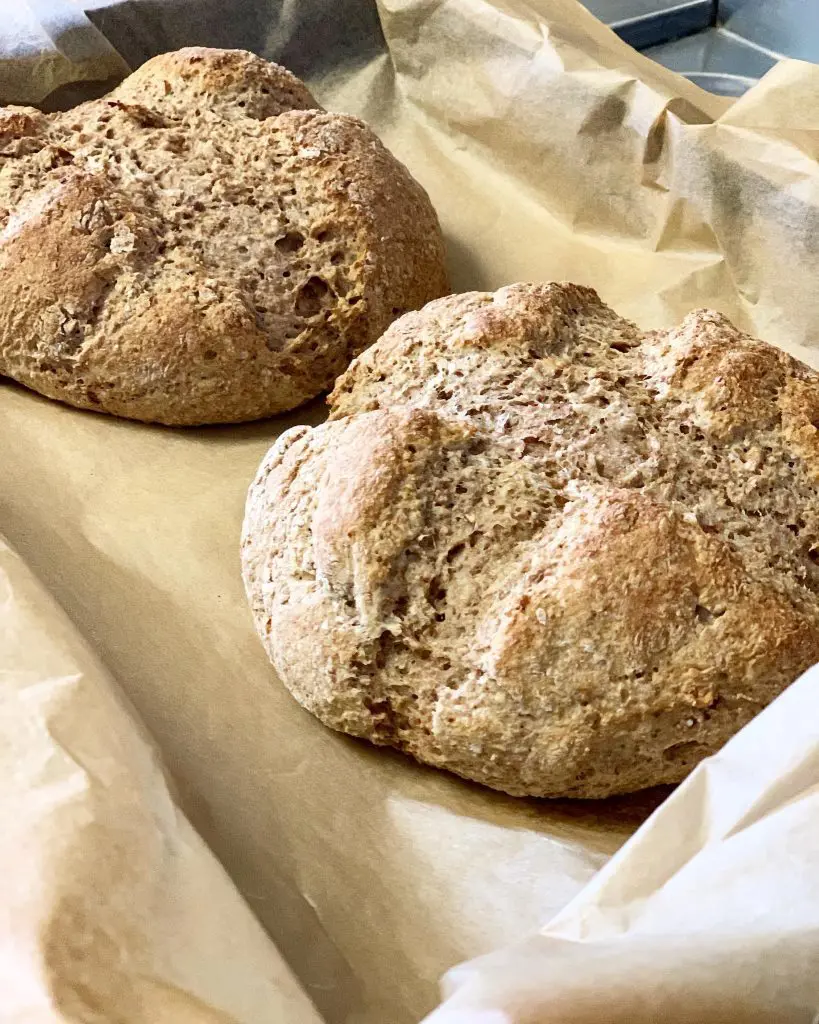
Ireland's traditional soda bread proves simple foods often work best. This bread is comprised of four ingredients: flour, buttermilk, baking powder, and salt. The bread has no indication of yeast and keeps the ingredients natural.
By nature of its leaner fat content, soda bread is more gentle on the stomach. It's perfect for when other breads upset stomachs or bloat sensitive stomachs. It is digestible and simple, hence attracting many, particularly those who want a healthy and easy-to-make pastry.
Furthermore, the efficiency of soda bread's preparation process and the accessibility of its basic ingredients render it a versatile and convenient option for home bakers of all skill levels.
13. Porridge Oat Bread
instagram
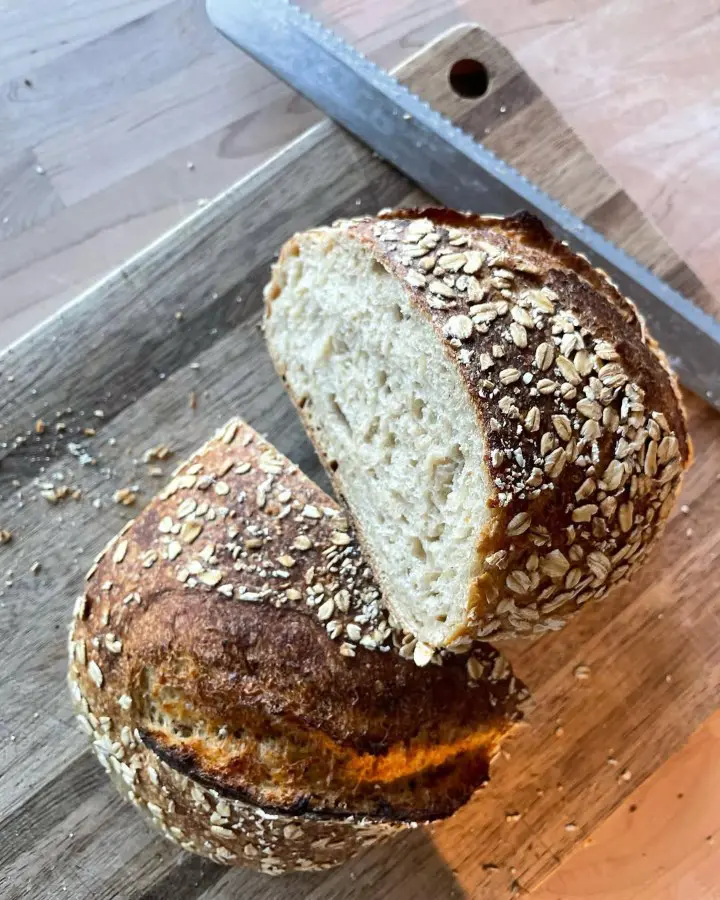
This bread brings together wheat flour, yeast, water, and salt, with oats or leftover porridge adding extra nutrition. The oats boost the amount of fiber and create special benefits for heart health.
Specifically, oats are abundant in beta-glucan, a form of soluble fiber renowned for its impactful role within our bodies. This remarkable compound diligently operates to reduce cholesterol levels, stabilize blood sugar, and promote optimal blood pressure, ensuring optimal cardiovascular health.
When oats are introduced into the recipe, they elevate the standard bread loaf into a superior and health-conscious dietary essential, fortifying it with an array of beneficial properties that cater to overall well-being and nourishment.
14. Millet Bread
instagram
This naturally gluten-free and vegan bread delivers softness, fluffiness, and moisture while remaining simple to create.
Home bakers appreciate that millet bread costs significantly less than store-bought alternatives yet maintains a light, squishy texture with a delicate internal structure. The bread starts with millet, an ancient grain boasting a low glycemic index and abundant fiber content.
Despite its grain-like properties, millet actually functions as a seed, earning its classification as a pseudo-grain or pseudocereal. The nutritional benefits extend beyond fiber - each slice delivers substantial amounts of iron, B vitamins, potassium, calcium, zinc, and magnesium.
This combination of nutrients supports overall health while providing an excellent alternative for people avoiding gluten. The bread's unique properties make it particularly suitable for those seeking affordable, nutritious gluten-free options without compromising on texture or taste.
15. Teff Bread
instagram
Teff flour creates a remarkable gluten-free bread that achieves the perfect balance - crispy on the outside while maintaining a soft interior.
The bread's distinctive flavor profile sets it apart from typical gluten-free options, creating an appealing taste that encourages repeated enjoyment.
Unlike many gluten-free breads that struggle with texture, teff bread avoids gumminess while maintaining ease of preparation. The flour itself brings impressive nutritional credentials, packing substantial amounts of dietary fiber and protein into each slice.
The bread's development came from creative experimentation - running low on brown rice flour led to incorporating leftover teff flour, resulting in this exceptional recipe.
Bakers can enhance the bread by incorporating sunflower seeds into the dough and topping with sesame seeds, creating a professional bakery-quality loaf. The combination of nutrition, texture, and taste makes teff bread a standout option in gluten-free baking.